The wrong sightline can make a beautiful room feel tense, unfinished, and strangely hard to use.
Beyond the Surface of best-items for living room feng shui
The popular narrative around best-items for living room feng shui doesn't hold up under scrutiny. People buy the objects, place them on the shelf, and still wonder why the room feels awkward the moment they walk in. The missing piece is not the object itself; it is the line of sight from the doorway. That first look tells the nervous system whether the room opens, blocks, or pulls attention sideways.
I walked into a navy-and-cream living room in a condo on the north side of Seattle and saw the problem in three seconds. The homeowner had a round crystal bowl on the coffee table, a jade plant by the window, and two gold candles on the mantel. Nice pieces. Wrong sequence. From the front door, the eye hit a dark TV screen first, then a tall lamp, then a narrow mirror catching the hallway behind the sofa. She had followed every popular suggestion she found online, and the room still felt jumpy by 9 p.m. because the visual path had no landing place.
That is the mechanism most advice skips. The doorway creates the first current, the eye follows that current, and the room either receives it or scatters it. A sofa facing the entry without visual support can feel exposed; a mirror reflecting the entry can double movement; a heavy object at the center can stop circulation too hard. Not even close to decoration. This is about how the room processes arrival.
So start with what the door reveals, not with what an item is supposed to symbolize. Ask yourself: does the first view rest on a calm surface, or does it bounce between shiny, tall, and cluttered objects? When the sightline is clean, even a modest wood bowl, a low lamp, or a single plant reads as order. When the sightline is noisy, the most expensive cure looks decorative and does very little.
Step One: Map the First Five Feet, Not the Whole Room
The first five feet inside the room do the heavy lifting because they set the tone before anyone sits down. If the doorway faces a wall, the room usually feels contained and easier to settle. If it faces a TV, a loud artwork, or a glass cabinet packed with reflections, attention keeps snapping outward. That matters more than whether the couch is beige or gray.
Stand in the doorway and trace the path with your eyes. Where do they land first, second, and third? That sequence tells you whether the room is feeding calm or feeding stimulation. The best items for the room should support that sequence, not compete with it.
For a room that opens directly to a window, I usually want a soft visual stop within the first field of view: a taller plant in the corner, a grounded lamp with a fabric shade, or a painting with enough empty space to breathe. For a room where the entry points straight at the sofa back, the back of the sofa needs support, not just a decorative pillow pile. A console table behind it, a solid lamp, or a pair of low books can anchor the view and make the seat feel protected.
Do not confuse movement with vitality. A room can be active and still feel composed. The distinction is whether the eye can pause without getting snagged.
That is why the best living room cures often appear boring in a photograph and excellent in daily use. They give the gaze a place to land. They prevent the constant micro-jolts that make people keep rearranging cushions, shifting plants, and blaming the wrong wall.
Step Two: Use Objects That Finish the Sightline
Once the entry path is clear, the items themselves need a job. A plant works best when it softens a hard corner that the door points toward. A lamp works when it brightens the exact area your eyes hit first at dusk. A crystal only helps if it catches light without throwing glare back at the entry. Placement decides everything.
People often ask for the center rules of a living room, but the center is only one part of the machine. If the doorway sightline is chaotic, the middle cannot rescue it. In one apartment I saw, a red ceramic bowl sat exactly in the center coffee table position, and the owner wondered why guests never stayed long. From the door, the bowl read as a flashing dot, because it sat in a field of bare white surface with nothing to slow the eye.
Here is the better approach. Use one object to soften, one to support, and one to receive. Softening can be a plant with rounded leaves. Support can be a lamp or book stack that feels weighty. Receiving can be a tray, bowl, or artwork that holds the gaze without shouting. The trio should create a resting path from the threshold to the heart of the room.
People love dramatic cures because they are easy to photograph. Small ones work because they change the sequence of perception. That is less glamorous. It also lasts longer.
Try this in a room with a front door that opens directly into the lounge: place a floor lamp about three feet inside the entry line, angle a chair so it acknowledges the door without blocking it, and keep one rounded object visible on the coffee table. The room stops feeling like a hallway with furniture. It starts feeling inhabited.
Step Three: Match the Item to the Problem the Door Creates
A room with too much openness needs containment, not more sparkle. A room with too much weight needs lift, not more dark wood. A room where the entry can see the television immediately often needs a visual buffer, because the screen pulls the eye harder than people realize. That pull can make conversation shorter and evenings more restless.
Look at the material, then the direction, then the consequence. A mirror opposite the door can be useful in some layouts, but when it bounces the entry straight back, people feel as if they are entering a hallway of motion. A metal frame near a bright window may sharpen the room when you need definition. A woven basket or textile ottoman can quiet an overly reflective space. Different problem, different fix.
My strongest recommendation for anyone testing the best feng shui items for this room is to start with the view at eye level. Not the floor. Not the ceiling. Eye level. That is where the room either welcomes or warns. If eye level is crowded with spines, edges, and glass, the body reads caution. If it meets a soft edge, a clear line, and one steady focal point, the body settles faster.
Five Elements Theory explains why a pretty setup can still feel off because a room can be visually balanced yet energetically mismatched. Too much Fire shows up as red, glossy, and upward movement; too much Water turns into dark surfaces and visual sinking. The doorway tells you which side is taking over before the rest of the room gets a vote.
That is the part many people miss. They think the cure should match the object catalog. It should match the visible behavior of the room.
Step Four: Watch What Happened to One Real Room
A retired teacher named Elena had a living room with pale oak floors, a rust-colored rug, and a cream sectional that faced the front door at a slight angle. On the sideboard near the entry, she kept three framed family photos, a brass horse, and a bowl of keys. Nice pieces, but from the doorway the eye jumped from shiny brass to scattered frames to the TV reflection in the opposite window. She complained that she never wanted to sit there after dinner.
We changed only three things. The brass horse moved to a deeper shelf. The keys went into a drawer. A tall, leafy ficus in a matte pot took the sideboard's place near the entry, and a low table lamp replaced the brightest bulb in the room. Within a week she said the room felt less sharp at 8 p.m., and by the second week she was reading in the corner chair again. Same furniture. Different sequence.
That case taught me something blunt. People do not need more objects. They need fewer visual interruptions. The eye wants a route, not a maze.
Wrong.
Step Five: Handle Common Mistakes Before They Spread
One mistake is putting a mirror where it captures the front door and throws it straight back. That can feel lively at first, then it starts making the room restless because every arrival is doubled. Another is crowding the coffee table with candles, bowls, and seasonal decor so the center becomes a little obstacle course. Guests do not say, “Your qi is blocked.” They just set their mug down elsewhere and avoid the middle.
Another mistake is treating every corner like a storage opportunity. A packed corner near the entry compresses the whole room visually and makes the doorway feel smaller than it is. I have also seen people place a huge plant beside the sofa because they heard plants are good, only to discover the room now feels like it is leaning. Balance matters more than the plant myth.
There is a subtler error too: buying items that look symbolic but do nothing for the sightline. A money frog tucked behind a stack of magazines, a crystal hidden under a lamp shade, a red ribbon tied on a shelf nobody sees from the entrance. Those things may satisfy a checklist. They do not change the room's first impression.
The most common living room mistakes usually start with placement, not purchase, and that is why they persist. A room can be filled with respectable objects and still feel tired if the doorway view is chopped into pieces. Fix the visual route first, then decide which items deserve a place in it.
When the room is already overactive, the cure is usually quieter than people expect. Less shine. Fewer tall objects in the first glance. One anchor where the eye can settle.
And if the room is too plain? Then add a focal point with texture, not noise. A woven lamp base, a broad-leaf plant, or a stone bowl often does more than another bright accent ever will.
Step Six: Build the Room From the Door Inward
Think of the living room as a sequence. Threshold, first stop, center, far edge. The doorway decides the first stop. The first stop decides whether the center feels welcoming. The center decides whether people stay. That chain is why item selection without sightline analysis becomes guesswork.
Start at the entrance and identify the first hard edge. Soften it if it is aggressive. Identify the first dark patch. Lift it if it swallows the view. Identify the first reflective surface. Mute it if it throws the eye back toward the hall. Once those three points are under control, the room usually accepts plants, lamps, bowls, and artwork with much less friction.
A bagua map can help once the room is visually stable, but I would never begin there. Why? Because a mapped zone that sits under a bad sightline will still feel wrong. First the door, then the route, then the sector. That order saves time and money.
Some readers want a fast shopping answer, so here it is: choose items that complete the view. A floor lamp if the entry lands in shadow. A plant if the line from the door hits a hard corner. A bowl or tray if the center feels scattered. A textile ottoman if the room is too glossy. These are not magic trinkets. They are visual corrections.
And yes, one more thing. If the doorway sees a screen, turn it off when the room is meant for conversation. Black glass behaves like a sink for attention. You can feel the difference in the first minute.
FAQ
Is conventional best-items for living room feng shui advice reliable?
Often no, because it usually starts with objects instead of the doorway view. A crystal, plant, or lamp can be fine in one room and useless in another if the entry line is fighting it. The item is only half the equation.
What should I look at first when I enter the room?
Notice where your eyes land in the first second. If they hit a mirror, screen, or cluttered surface, the room is broadcasting motion instead of ease. The first landing point should feel like a place to pause.
Do I need to replace everything if the room feels wrong?
No. Start by moving one object that dominates the doorway view, then test the room for a few days. Surprising fact: a single lamp shift can change how a sofa, rug, and wall art all read together.
Can plants fix a bad layout?
Sometimes they help, but only when they soften a hard visual edge or fill a dead corner without crowding the path. A plant placed badly just adds another object for the eye to dodge. Better to give it a job than a label.
Where does the money corner fit into all this?
After the sightline is calm. Otherwise you are decorating a noisy room and calling it a cure. Once the doorway view stops scattering attention, then the wealth area can actually hold focus instead of competing with the front door.
How do I know the room is finally working?
You stop fussing with it. The mail lands on the table, not the floor. People sit down without drifting to the kitchen. And the space near the door no longer feels like it is waiting for the next interruption.
At dusk, the lamp near the entry throws a soft oval of light across the rug, and the room finally looks as if it knows where to begin.
Mei Chen
Traditionally informed guidance • Cross-referenced with classical Chinese source texts
Content draws from both Compass (Luopan) and Form (Xingshi) school traditions. Illustrative examples are composites based on consultation experiences.
Practitioner-Selected Tools for This Topic
Items our team has tested and found effective for the principles discussed above. Individual results may vary.
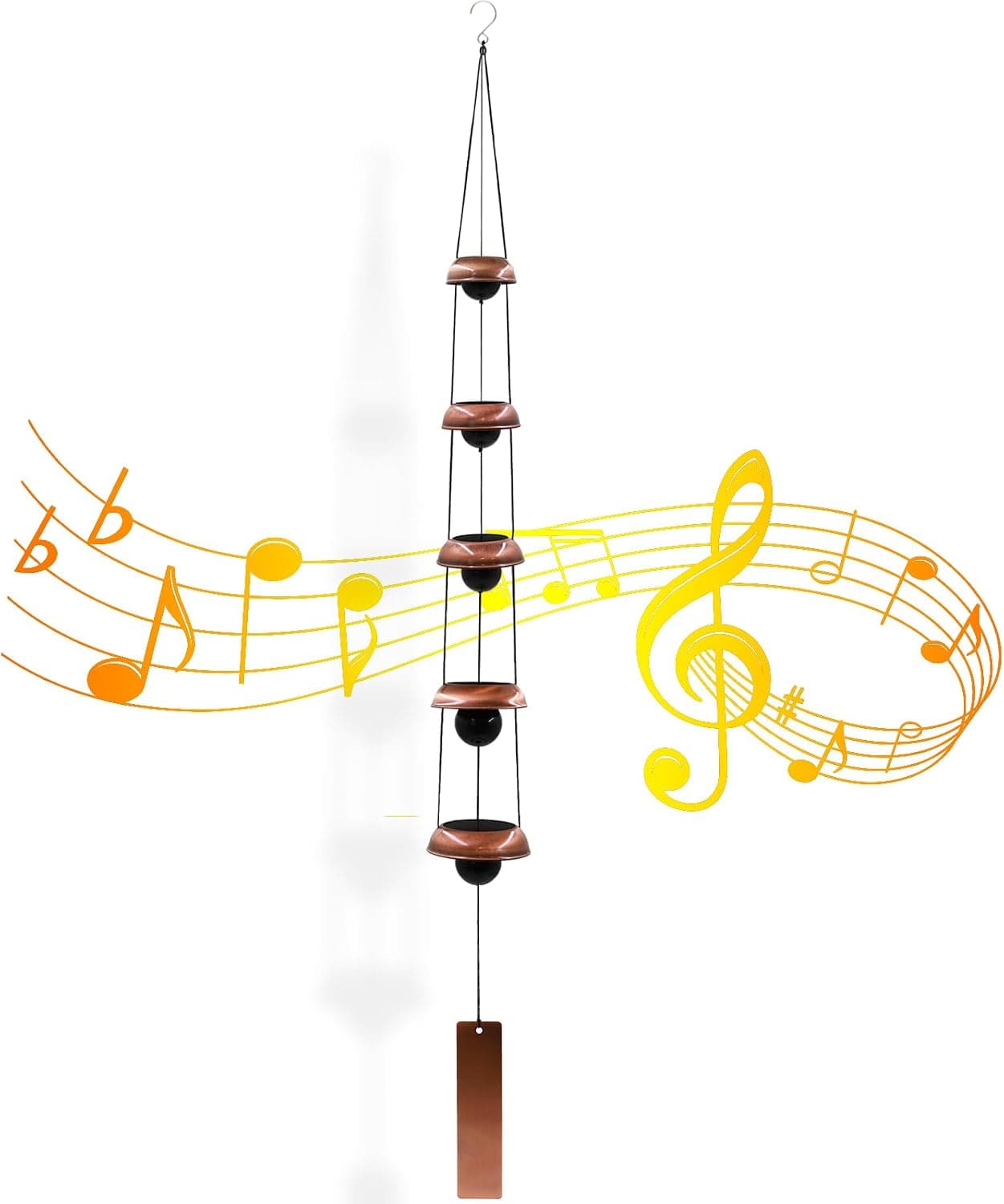 -19%
-19%Wind Chimes for Outside with 5 Bell Unique Copper Musical Chimes Feng Shui Wi...
 -5%
-5%YU FENG Evil Eye Money Tree, Blue Feng Shui Decor with Golden Buddha
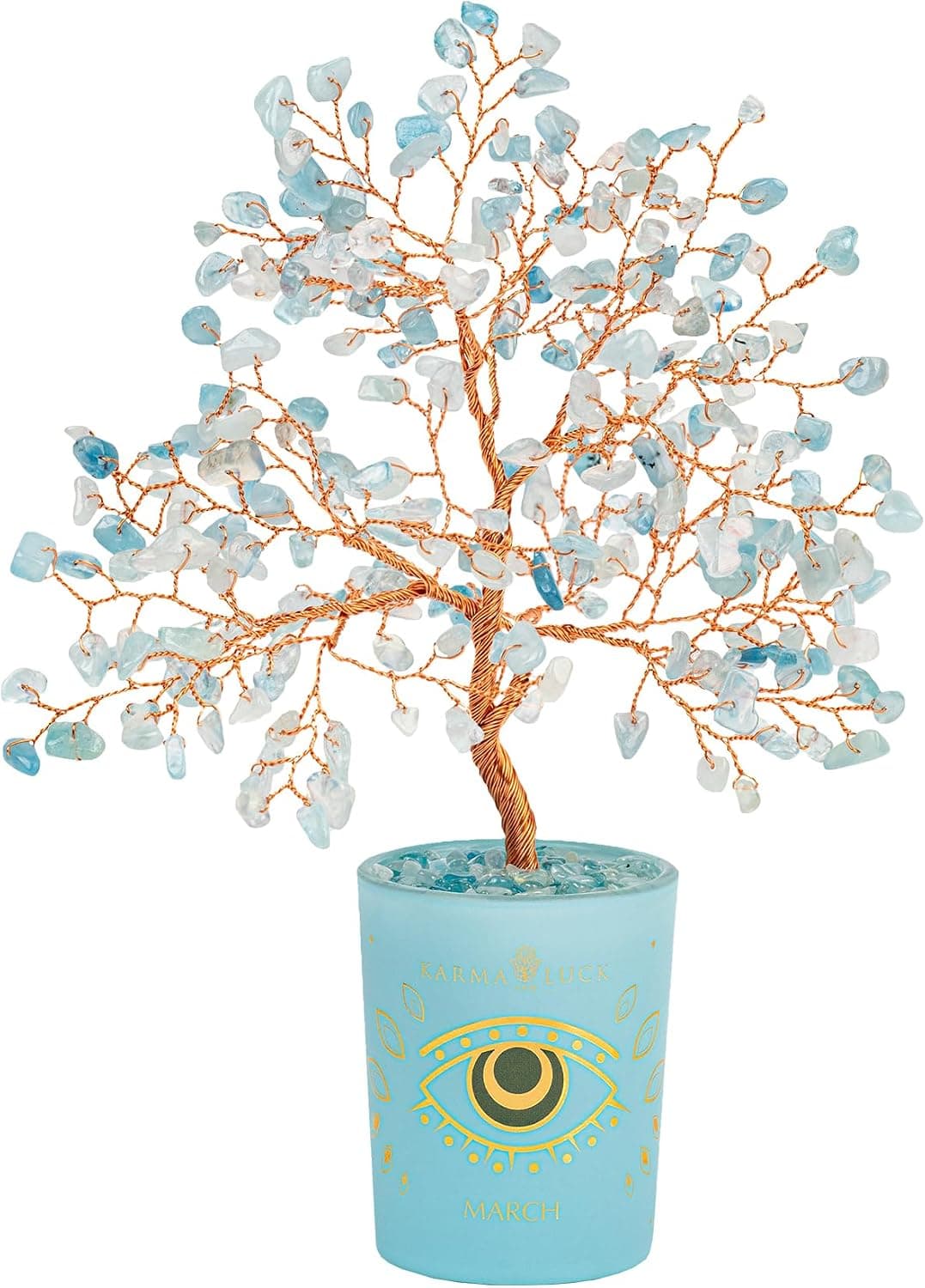 -29%
-29%Karma and Luck March Birthstone Crystal Tree of Life, Aquamarine Gemstone Fen...
 -29%
-29%Karma and Luck July Birthstone Crystal Tree of Life, Ruby Gemstone Feng Shui ...
As an Amazon Associate, we earn from qualifying purchases. We only recommend items our practitioners have personally tested.
Continue Your Journey
Explore these related guides to deepen your understanding:


Ready for Deeper Guidance?
Try our free I Ching reading for personalized wisdom, or explore our curated Feng Shui essentials.