Kitchen cures fail most often at the doorway, where clean order turns into friction and leaks into the rest of the home.
The Hidden Truth About best-items for kitchen feng shui
People buy the right bowl, the right plant, the right red accent, then wonder why dinner feels rushed and the room still makes them tense.
I watched that happen in a narrow galley kitchen with cream cabinets, a black kettle, and a blue rug that stopped dead at the doorway to the hall. The owner had followed every popular rule she could find. A jade plant sat near the sink. A brass fruit bowl lived on the counter. Even the knife block had been moved because she read somewhere that it should never face the stove. Yet the room still felt clipped at the edges, and by 9 p.m. the dish towel stayed damp on the oven handle while the mail stacked on the peninsula.
The problem was not the objects. It was the threshold. Energy, in the kitchen, does not begin at the stove or the sink; it starts where the hall hands the room its first impression. I see this again and again in homes with open-plan layouts and side doors that cut straight into the cooking zone. The first object the eye meets often governs the whole rhythm of the space. That is why front-door flow matters even when the front door sits on the other side of the house, and why bagua placement has to be read with rooms touching rooms, not as flat boxes on paper.
One sentence is enough here: a kitchen that feels unsettled at the edge will rarely feel generous in the middle.
Common advice keeps talking about colors and lucky objects as if they float in isolation. They do not. A red tea canister three feet from the doorway can sharpen the room; that same canister hidden beside the toaster can just look busy. A wooden cutting board near the entrance softens a hard turn from hall to kitchen, while a glossy metal tray right at that boundary can make the passage feel like a stop sign. Thresholds matter because they decide whether the room receives qi or deflects it.
That is where the usual shopping list goes wrong. People want a cure they can place and forget. The kitchen refuses that fantasy. It asks for sequence: what arrives first, what holds the eye, what slows movement, what gets out of the way. A well-chosen item near the boundary should do one job cleanly, not five jobs badly. If your doorway dumps you straight into the refrigerator, the fix is rarely another charm. It may be a taller plant, a warmer mat, or simply moving the heaviest visual object a step deeper so the entry breathes before the cooking begins. Small shift. Large difference.
Why the Doorline Changes Everything
Stand in the hall and look into the kitchen. What do you hit first: a sink, a sharp corner, a trash bin, or a calm stretch of counter? That first sightline sets the mood before anyone reaches for a pan.
In feng shui terms, the boundary behaves like a mouth. It takes in, sorts, and sends onward. When the passage is crowded, qi arrives broken up. When the doorway is clear but too bare, it can feel drafty and unfinished, as though the room has nowhere to land. I have seen this in a south-facing kitchen with a white tile backsplash and a bright chrome dish rack. The room looked spotless, but the owner kept eating standing up, one hip against the counter, because nothing at the threshold invited pause.
That is why some items work better near the edge than others. Earth-toned ceramics soften a hard transition. Wood adds continuity between hall and kitchen. A fabric runner can calm the floor line, especially if the room opens from tile into bare boards. Fire colors near the cooking core are fine, but placed too close to the entry they can make the whole boundary feel impatient. The lesson is not about decoration. It is about pacing.
Surprise, perhaps: the most helpful object is often the one that does less. A plain lidded container for spoons can organize the eye better than a decorative gadget. A low fruit bowl can be better than a tall arrangement because it keeps the view open while still signaling abundance. If the doorway is doing too much visual work, the kitchen starts to feel like a corridor with appliances.
For a deeper framework on how room edges influence the whole home, see the wealth corner guide and door color choices that shift the mood before you step in. The same principle repeats: boundary first, object second, symbolism last.
What Actually Belongs Near the Threshold
I look for items that steady movement without blocking it. A wooden tray by the entry can corral the clutter that usually migrates across the counter. A ceramic jar for utensils near the side wall can keep chopsticks, spatulas, and long spoons from scattering like a bad habit. If the door opens beside the stove, a matte surface near that corner is kinder than a reflective one; glossy finishes bounce attention around when you want the room to settle.
Here is the part people miss: the item must match the room's job. A kitchen is for preparation, not display. So the best objects at the threshold are the ones that say, quietly, “You may enter, and then you may work.” A linen towel on a hook by the entrance does that better than a novelty sign. A low wooden stool at the edge of a breakfast nook can anchor a transition more effectively than a crowded tiered stand.
One kitchen I remember had a cobalt-blue ceramic canister set on the counter within arm's reach of the doorway. Beautiful piece. Wrong location. Every time you stepped in, your eye snapped to it before you could see the sink, the chopping area, or the clean stretch of counter beyond. Once it moved six feet deeper, the room stopped feeling like a showcase and started feeling usable. That is the sort of change that looks minor in a photo and obvious in real life.
Some readers expect crystals to solve this, and I get the appeal. Yet in a kitchen, polished stones near steam, oil, and constant movement often become decorative afterthoughts. If you want to use them, keep them away from heat and place them where they can actually be seen without competing with chores. For material choices that hold up better under daily use, this crystal guide explains which pieces belong in active spaces and which do not.
Need a more practical anchor? Put the object where the hand naturally lands as you come through the threshold, then test the sightline from the hall. If your shoulders relax before you reach the stove, you are close. If your eyes jump immediately to a mess, the room is still asking too much of the doorway.
When the Right Item Becomes the Wrong One
Kitchen cures fail when they ignore motion. A bowl of oranges near the entrance seems cheerful, but if it squeezes the passage or forces a sideways step, it creates friction every time someone carries groceries in. A knife block on the counter can feel orderly, yet if it sits in full view from the hall, the sharp edges can make the room feel defensive. The same applies to hanging spoons, tall salt mills, and oversized herb planters placed exactly where traffic turns.
That is not superstition. It is spatial psychology. The brain reads boundaries before it reads meaning. Tight passage plus visible clutter equals hurry. Soft edge plus clean line equals ease. You can feel the difference in your body: the jaw softens, the breath drops, and the habit of hovering at the sink starts to loosen.
In one compact apartment kitchen, the owner had put a bright red dish rack right beside the opening from the dining area. On paper it was a fire-element accent. In practice it made the entry feel hot and restless, and it drew attention away from the meal table just beyond. The fix was almost laughably simple: the rack moved to the back counter, a pale wooden board took its place near the opening, and the whole room stopped buzzing.
Knife placement deserves its own caution, because blades are the quickest way to turn an already cramped threshold into a nerve line. Keep them out of the direct doorway view if you can. If you cannot, at least reduce how much of the blade face is exposed.
Feng shui gets flippant advice online because people confuse symbolism with theater. A lucky item that irritates movement is not lucky. It is clutter with a story attached.
How I Would Set Up a Kitchen Boundary
Start from the doorway and move inward with intention. The first foot or two should read as open, calm, and easy to cross. That does not mean empty. It means no visual ambush. A small mat, a single handled basket for daily mail if the kitchen doubles as a landing zone, or one grounded object like a ceramic jar can be enough to mark the transition without choking it.
Then let the eye settle on something useful. A cutting board stacked neatly, a bowl for fruit, or a row of lidded jars can signal order. If the sink is the first thing you see, soften it with wood or earth nearby so the room does not begin with a cold splash of metal and porcelain. If the stove dominates the view, break the heat with a neutral object that is not shiny and not sharp. The goal is balance, not symmetry for its own sake.
Materials matter here. Wood calms. Clay grounds. Metal sharpens. Glass can disappear or glare, depending on the light, which is why a glass canister right by a bright side window often feels noisy by noon. In a kitchen that opens to a living room, I prefer one substantial object at the threshold instead of several light ones. One bowl. One tray. One plant. Enough.
And yes, plants can help, but only if they are healthy and not crowded into a corner where they get brushed every time someone passes. A tired pothos by the doorway looks less like living wood energy and more like a maintenance reminder. If you want a cleaner approach, read what makes a plant placement actually support a room.
There is also the question of color. Warmth helps near the threshold, but saturation can tip into agitation. A muted terracotta jar will usually serve better than a screaming crimson utensil holder, especially in a kitchen that already gets strong afternoon light. The room should feel hospitable, not overexcited.
Three Mistakes I Keep Seeing at the Kitchen Edge
The first is overfilling the doorway with “helpers.” People put in a shoe rack, a mail tray, a shopping list board, and a dog bowl all in the same line. It feels efficient, and then the room starts to leak attention in four directions at once. The result is simple: you forget ingredients, trip over the pet dish, and avoid standing there longer than necessary.
The second is placing reflective metal right where the hall opens. It can look sleek on a showroom counter. In a home, especially one with a narrow passage, the reflection creates a flicker that keeps the room awake. Better to move the shinier piece deeper into the kitchen, where it can support activity instead of interrupting arrival.
The third is treating the threshold like dead space. That often happens in rentals. Empty corner, blank wall, nothing to do with it. So the owner leaves it bare and wonders why the room feels unfinished. A single grounded object can give that zone a job. Not a shrine. Not a stage. A job.
If you want the bigger pattern behind these mistakes, compare them with bedroom rules that affect both sleep and relationships and the L-shaped apartment problem that quietly breaks feng shui. Different rooms, same error: the edge gets ignored, then blamed later.
One sentence: ignored boundaries become habits.
What Works When the Kitchen Opens to Everything
Open-plan homes make this topic harder because the kitchen is never really alone. It shares breath with the dining area, the hallway, and often the front entry too. That means the most effective item is often not a decorative object at all, but a visual mediator. A wood-toned cutting board leaned upright near the side counter can bridge two zones. A low plant can soften the corner where traffic turns. A woven basket can keep paper clutter from drifting into cooking space.
I have seen a kitchen with a charcoal island, white walls, and a brass pendant light do well after one thing changed: a pale maple tray replaced a mirrored catchall at the island edge. Nothing else moved. Yet the room stopped feeling chopped into fragments. Meals were plated more calmly. The owner said she began sitting down instead of eating over the sink, which is usually the first clue that the space has stopped arguing with itself.
That is the real job of the best items for a kitchen: not magic, not luck, not sparkle. They help the room keep its shape where it meets another room. When the threshold is clear, the rest of the space has a chance to work as intended. Even the daily mess becomes less personal, less charged.
For readers who want a broader view of how rooms influence one another, what a feng shui calculator misses and five elements theory both explain why isolated fixes disappoint. The kitchen does not live alone. Neither does its doorway.
FAQ
Is conventional best-items for kitchen feng shui advice reliable?
Not always. A lot of advice treats the room like a shelf display, while real kitchens have traffic, steam, and split sightlines. If an item looks good but makes the entry tighter or busier, the room will usually tell on it within a week.
Can I place a lucky item right by the kitchen door?
You can, but test it first from the hall. If the object is the first thing you see and it pulls your eye too hard, it may be too assertive for the boundary. A quieter piece often supports the room better than something flashy.
What if my kitchen opens directly into the living room?
Then the threshold matters even more. Use one object or material to bridge the two spaces, like wood, clay, or woven fiber, instead of stacking multiple cures at the seam. The shared edge should feel like a gentle handoff, not a collision.
Do I need to buy new items to fix this?
Not necessarily. Repositioning often does more than shopping. Move the strongest visual object a little deeper, clear the first sightline, and let one grounded item mark the boundary. Sometimes that is enough to change how the room behaves after dark.
Look at your kitchen doorway tonight. Does it welcome you in, or does it already feel like a problem before you even set the bag down?
Mei Chen
Traditionally informed guidance • Cross-referenced with classical Chinese source texts
Content draws from both Compass (Luopan) and Form (Xingshi) school traditions. Illustrative examples are composites based on consultation experiences.
Practitioner-Selected Tools for This Topic
Items our team has tested and found effective for the principles discussed above. Individual results may vary.
 -19%
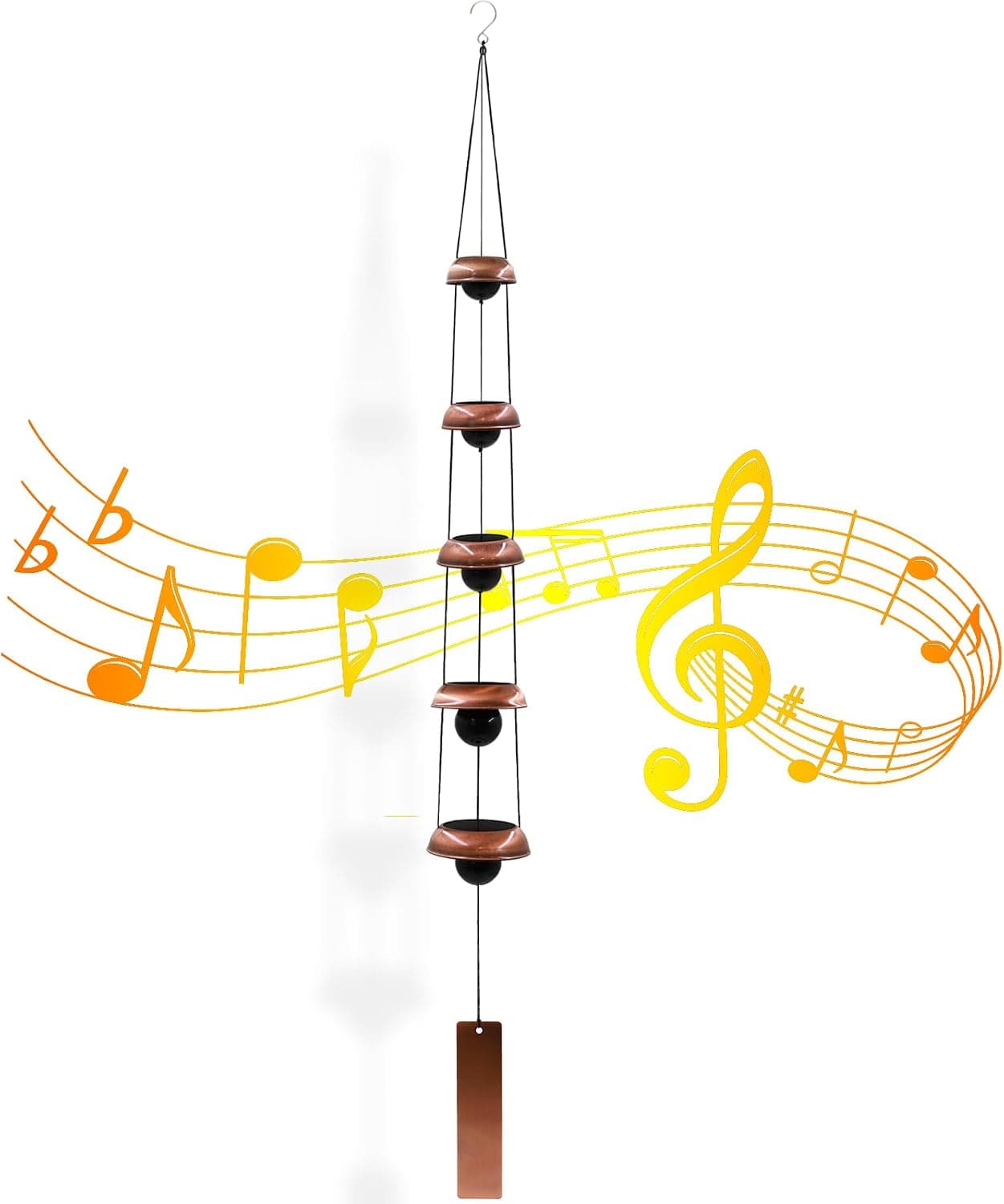
-19%Wind Chimes for Outside with 5 Bell Unique Copper Musical Chimes Feng Shui Wi...
 -5%
-5%YU FENG Evil Eye Money Tree, Blue Feng Shui Decor with Golden Buddha
 -29%
-29%Karma and Luck March Birthstone Crystal Tree of Life, Aquamarine Gemstone Fen...
 -29%
-29%Karma and Luck July Birthstone Crystal Tree of Life, Ruby Gemstone Feng Shui ...
As an Amazon Associate, we earn from qualifying purchases. We only recommend items our practitioners have personally tested.
Continue Your Journey
Explore these related guides to deepen your understanding:


Ready for Deeper Guidance?
Try our free I Ching reading for personalized wisdom, or explore our curated Feng Shui essentials.