Amethyst can calm a house—or quietly kill its momentum if you place it where your goals are supposed to grow.
Why amethyst in the “calm” zone can backfire
I once walked into a narrow home office in a converted brownstone and saw the problem before I saw the desk. A purple amethyst cluster sat dead center on a shelf above the monitor, next to a matte black printer, a stack of tax folders, and a blue glass lamp. The room was beautiful. The work, the owner told me, felt strangely stalled.
That is the first thing people miss about placing amethyst by bagua zone: calming energy is not automatically good energy. Amethyst is excellent at softening noise, easing mental friction, and helping a space feel less jagged. But if you put that same stone in a zone that needs movement, recognition, or forward push, it can act like a hand on the brake. Not always. But often enough to matter.
This is why the amethyst feng shui meaning and use cannot be reduced to “a pretty purple crystal for peace.” That is too shallow. Amethyst is a filter, a pacifier, and in some rooms a subtle boundary setter. Used well, it makes a home feel more coherent. Used lazily, it can turn ambition into daydreaming.
And yes, that surprises people. They expect a crystal to “help everything.” It doesn’t. Feng shui is more specific than that.
What amethyst actually does in a home
Amethyst belongs to the family of stones people reach for when the mind will not stop talking. It is associated with clarity, composure, and a kind of emotional coolness that can be deeply useful in modern homes overloaded with screens, notifications, and unfinished thoughts. In practical terms, it is the stone I reach for when a room feels mentally busy even though it is physically tidy.
Its strongest quality is not drama. It is quiet authority. That matters because many Western readers assume “spiritual” means passive. In Chinese metaphysics, the point is not to make a room prettier. The point is to make it serve a function. Amethyst can support meditation, rest, study, and emotional decompression. It can also help reduce the sense that a space is too sharp, too loud, or too exposed.
I’ve seen this in real homes. In a Seattle apartment, a nurse named Elise kept a small amethyst geode on the west side of her bedroom dresser, beside a white ceramic dish and a folded lavender scarf. She had been waking at 3 a.m. for weeks. Within about ten days of moving the stone out of the direct line of sight from the bed and pairing it with softer lighting, she told me the room felt “less alert.” That was the right outcome. Not mystical fireworks. Just better sleep.
For more on how placement changes the effect of a stone, see how I place crystals room by room. The room matters as much as the crystal. Sometimes more.
Where amethyst helps—and where it muddies the message
The best use of amethyst is often in spaces where the energy should settle without going dead. Think reading nooks, meditation corners, a bedside table that is not overloaded, or a desk area used for planning rather than aggressive execution. In these spots, amethyst can reduce mental clutter and support reflective work. That is a good match.
It is not my first choice for every zone. If you place it in an area meant to stimulate opportunity, visibility, or active circulation, it may soften the very momentum you are trying to build. That does not mean the stone is “bad.” It means the job is wrong. People love blaming the crystal when the real issue is placement.
One more wrinkle: amethyst is not just about calm. In some homes it functions as a boundary marker. On a console table near a hallway, it can make a transition feel cleaner, almost as if the home is saying, “Leave the day outside.” That is useful in homes where work stress drifts everywhere. It is less useful in rooms that already feel detached or sleepy.
If you want to understand that deeper pattern, the five elements matter. Amethyst often behaves like a water-leaning stone in practice: cooling, reflective, inward-facing. That is why it can pair with a water-element reading of amethyst when you are assessing whether a room needs more flow or more stillness.
How to use it without flattening the room
Start with one room and one intention. Do not scatter amethyst through the house like decorative confetti. That is how people create a vague, sleepy atmosphere and then wonder why nothing feels energized. Decide what the room should do. Then match the stone to that function.
If the room is for sleep, a small stone or modest cluster on a dresser or side table is usually enough. Keep it away from the pillow if you are a light sleeper or prone to overthinking at night. If the room is a study, place it where you look when you pause, not directly in your primary line of action. That lets the stone soften tension without interrupting focus.
For emotional balance, I often prefer amethyst in a visual “rest point” rather than a central altar display. A corner shelf. A tray with one candle. A bookshelf near a chair. Those placements whisper instead of shout.
Here is the practical method I use with clients:
1. Choose the room’s purpose first: rest, study, transition, or reflection.
2. Remove competing clutter for three days before placing the stone.
3. Put the amethyst where the eye can find it easily, but not where you must stare at it all day.
4. Leave it there for a week before judging the effect.
5. If the room feels too flat, move it to a quieter edge.
That last step matters more than people think. Good feng shui is often a sequence of small corrections, not one grand gesture.
For a broader view of choosing stones, you may want to compare this with the best crystal options for different home goals. Amethyst is strong, but it is not the only tool.
Which bagua areas suit amethyst best?
This is where people get overly rigid, and then overly disappointed. They memorize a bagua grid and start dropping crystals into zones like they are filling a spreadsheet. But the right zone depends on the job. Amethyst tends to do best in areas connected to knowledge, rest, transition, and private reflection. It can also work in spaces linked to self-cultivation, especially when the room is overloaded with mental noise.
I am cautious with it in areas that need bold outward expression. If your goal is visibility, promotion, or cash momentum, a large amethyst cluster may feel too inward-facing unless it is balanced with stronger active support. That is why I tell readers to think in terms of function, not slogans. A crystal does not “fix” a sector by existing there.
The larger the stone, the more influence it tends to exert. A small polished piece is subtle. A tall cluster with sharp points is more assertive, even if the color is soft. Shape matters. So does light. So does what sits beside it. A purple stone next to a cold metal lamp sends a different message than one beside wood, linen, or a warm lamp glow.
If you want a zone-by-zone framework, use the bagua map as a placement tool rather than a superstition machine. That mindset will save you from half the common mistakes I see.
The placement mistake that makes amethyst feel “off”
Let me give you a real example. In a home office in Austin, a teacher named Jonah had placed a tall amethyst point on his desk to “increase clarity.” The desk was white, the chair was red, and a bright yellow task lamp sat on the left corner. The room felt agitated, not clear. He kept pacing, checking email, and losing his place in lesson planning.
We moved the stone to a shelf behind him, lowered the lamp brightness, and replaced one loud red file box with a natural wood tray. The change was immediate enough that even he noticed it that afternoon. The room stopped feeling like a stage and started feeling like a workspace. Same crystal. Better job.
That is the hidden lesson. Amethyst is not just about what it is. It is about what it calms around it. If the surrounding room is already noisy in color, shape, or function, the stone may simply expose the imbalance rather than resolve it.
People also make the mistake of polishing the emotion out of a room. They place amethyst, then remove every other lively element. The result is not serenity. It is emotional frost. A good room still has texture, warmth, and movement.
How to decide whether your amethyst is helping
Watch the room, not the crystal. If the space feels easier to enter, easier to breathe in, and easier to leave behind at night, the placement is doing its work. If the room feels drowsy in the wrong way, or you keep avoiding tasks there, the stone may be overcorrecting.
Also watch yourself. Do you feel calmer and more focused, or merely slower? Those are not the same. I would rather see a client less frantic and more grounded than “zen” but unproductive. That is a common mistake in Western interiors: confusing softness with success.
One more thing: amethyst does not have to be large to be effective. A modest piece near a journal, a lamp, or a bedside book can be more useful than a showpiece the size of a fist in the wrong corner. People buy for drama. Feng shui rewards precision.
FAQ
Can I put amethyst in my bedroom?
You can, and in many homes it is one of the better choices. I prefer it on a dresser, side table, or shelf rather than directly beside the pillow if you are already mentally busy at night. If the room starts to feel too awake or too pale, scale back the size of the stone.
Should amethyst be placed near the front door?
Usually not as the main feature. The front door needs clearer movement and stronger welcoming energy, while amethyst tends to quiet the atmosphere. A small piece in an entry can work if the home feels chaotic, but it should not block the sense of arrival. For doorway strategy, see how the front entry shapes the whole house.
What if my amethyst makes the room feel too cold?
That is a real sign, not a failure. Add warmth through wood, soft lighting, or a natural textile, then reassess after a few days. Surprising as it sounds, the problem is often not the crystal itself but the lack of balancing elements around it.
Linking amethyst back to the whole home
Amethyst is most useful when you stop treating it as a universal remedy. It is a specialist. A good one. It calms the mind, supports private reflection, and helps certain rooms feel less harsh. But it should be placed with intention, not superstition.
If you remember only one thing, make it this: the amethyst feng shui meaning and use depends on the room’s job. Calm in the wrong place can dull momentum. Calm in the right place can make a house feel finally breathable. That difference is the whole art.
And if you want to work with crystals more intelligently overall, compare amethyst with the rest of your home’s needs rather than asking whether it is “good” or “bad.” Feng shui rarely answers in absolutes. It answers in placement, balance, and timing.
Mei Chen
Traditionally informed guidance • Cross-referenced with classical Chinese source texts
Content draws from both Compass (Luopan) and Form (Xingshi) school traditions. Illustrative examples are composites based on consultation experiences.
Practitioner-Selected Tools for This Topic
Items our team has tested and found effective for the principles discussed above. Individual results may vary.
 -19%
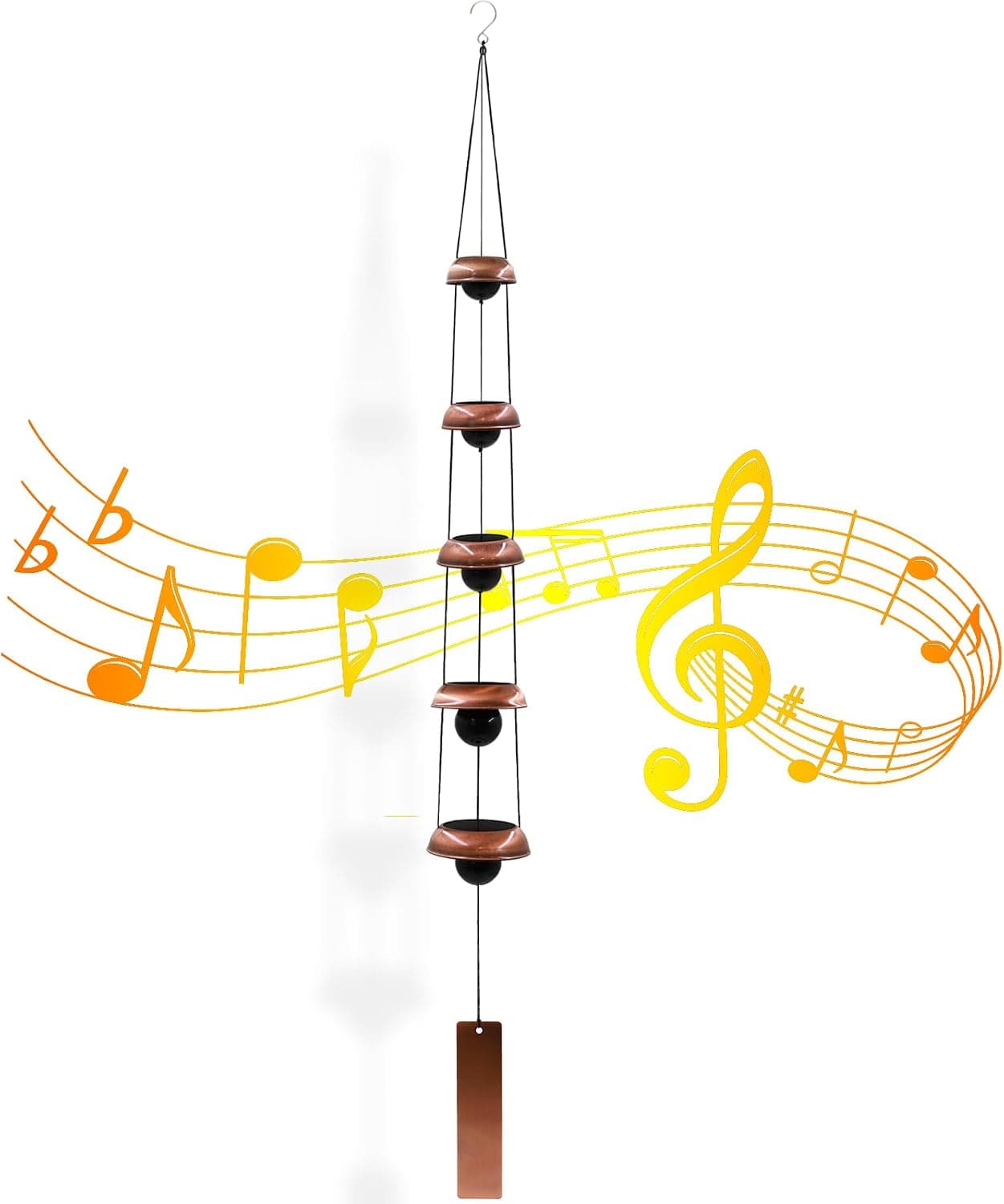
-19%Wind Chimes for Outside with 5 Bell Unique Copper Musical Chimes Feng Shui Wi...
 -5%
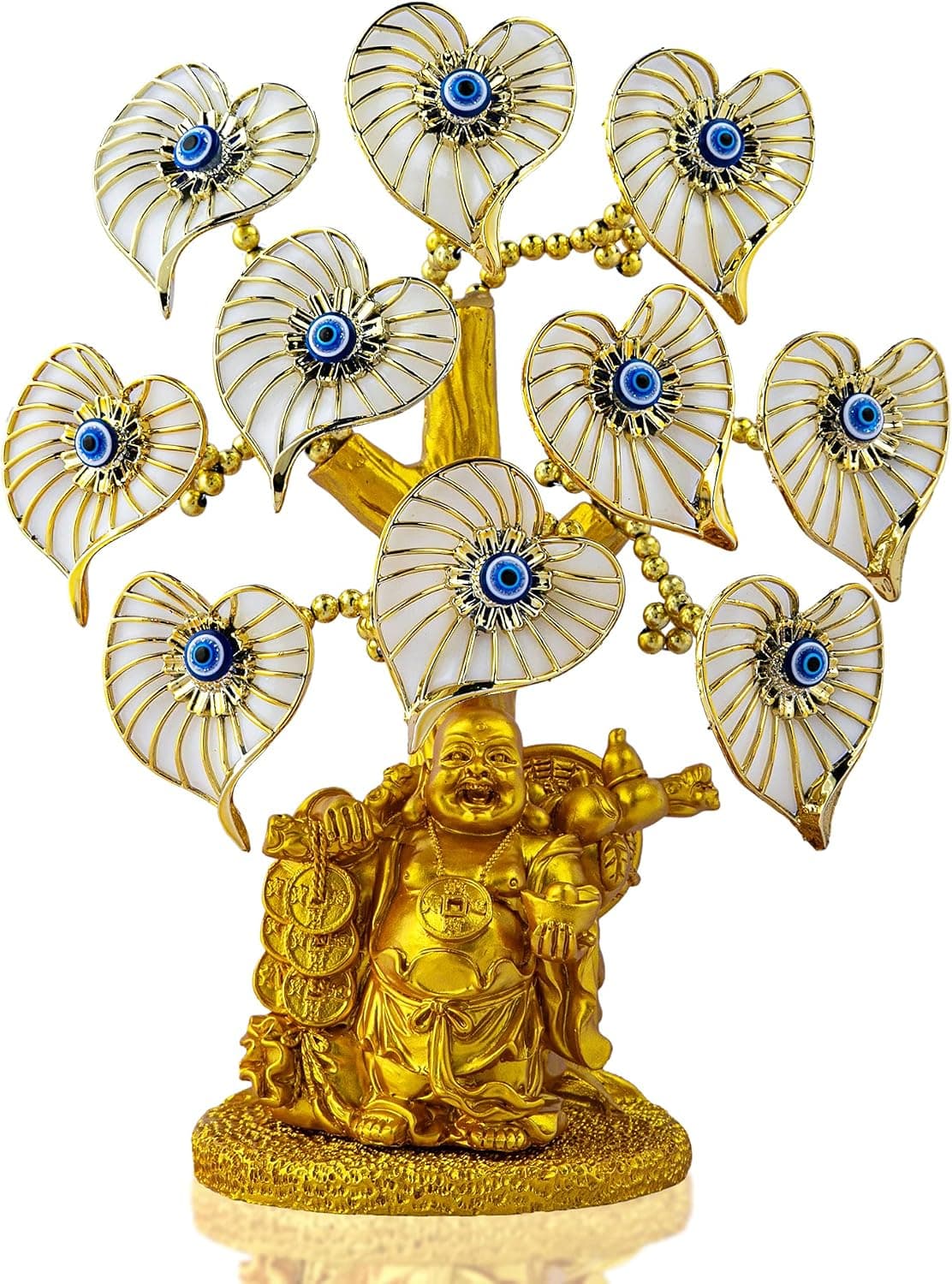
-5%YU FENG Evil Eye Money Tree, Blue Feng Shui Decor with Golden Buddha
 -29%
-29%Karma and Luck March Birthstone Crystal Tree of Life, Aquamarine Gemstone Fen...
 -29%
-29%Karma and Luck July Birthstone Crystal Tree of Life, Ruby Gemstone Feng Shui ...
As an Amazon Associate, we earn from qualifying purchases. We only recommend items our practitioners have personally tested.
Continue Your Journey
Explore these related guides to deepen your understanding:


Ready for Deeper Guidance?
Try our free I Ching reading for personalized wisdom, or explore our curated Feng Shui essentials.