A room can look balanced and still feel wired. Amethyst often reveals the missing piece.
Why a polished room can still feel restless
I once walked into a nurse’s bedroom in a tidy apartment near a hospital district: white bedding, a charcoal headboard, a brass lamp, and a single purple crystal on the dresser that had been “charging” there for months. She still woke at 3:10 a.m. every night, jaw clenched, mind racing. The problem wasn’t that she needed more decor. The room was holding too much activation, and the crystal was in the wrong conversation with the rest of the space.
That is where amethyst feng shui gets misunderstood. People treat it like a decorative object with a calming label, then wonder why nothing shifts. Amethyst can support quiet, reflection, and emotional easing, but it works best when the placement, purpose, and surrounding elements make sense together.
If you want the broader crystal context first, I recommend reading my guide to choosing stones with a purpose. Amethyst is not the only crystal that matters; it is simply one of the easiest to misuse because it looks gentle while still carrying a strong presence.
And that surprises people. Purple does not automatically mean peaceful. In some rooms, it behaves more like a mental spotlight than a lullaby.
What amethyst is actually doing in a room
In feng shui, amethyst is usually used to soften mental noise, encourage clarity, and help the space feel less jagged. I’m careful with that wording because crystals do not override a room’s structure. They respond to it. If a bedroom is packed with screens, mirrored surfaces, sharp lighting, and unfinished clutter, a crystal is not going to rescue it by force.
Amethyst tends to work best in places where you want the energy to slow down without going dead. Think bedside tables, reading corners, meditation shelves, and a quiet desk area. It is especially useful when the room needs a transition from active to restful, which is why many people place it near the bed but not right under the pillow.
That placement detail matters more than most online advice admits. A stone that is too close to your head can feel too stimulating for some people, especially if the shape is pointed or the crystal cluster is visually busy. You want support, not a tiny purple command center.
If you are trying to understand how the room itself is steering the effect, the bagua map can help you spot the life area involved. A crystal in the wrong sector can still be beautiful, but beauty is not the same as function.
Where I would place it first
Start with the room that carries the most mental weight. For many people, that is the bedroom. For others, it is a home office where they stare at emails long after their brain has stopped cooperating. Place amethyst where the eye naturally lands during the transition you want to improve. On a nightstand. On a writing desk. On a shelf you pass before sleep.
I’ve seen a lot of people place it on a windowsill because “the moon will charge it.” Fine, but if the windowsill is directly beside a streetlight and a buzzing air conditioner, the crystal is sitting in a noisy field. In feng shui, location beats romance every time. A clean, stable surface with some visual breathing room is better than a dramatic perch with no practical support.
For bedrooms, I usually prefer the far corner from the door or the side table on the calmer side of the bed. If the room already feels overloaded, pair the stone with softer materials: linen, wood, ceramic, matte finishes. If you want to compare crystal placement styles, my article on clear quartz placement explains why some stones amplify and others settle a space differently.
One detail people miss: amethyst does not need to be huge. A modest cluster can outperform a dramatic geode if it is placed with intention and the room supports the energy. Bigger is not always better. Sometimes it is just louder.
How to use it without turning it into decoration
Begin by deciding what you want the room to do. If you want sleep, amethyst should support winding down. If you want focus, it should help clear mental static without making the room sleepy. If you want emotional recovery, put it where you pause and breathe rather than where you perform tasks. That distinction keeps the crystal from becoming an accessory with no job.
Then look at what surrounds it. A purple stone beside neon-colored clutter, dead batteries, tangled cords, and a pile of unopened mail is being asked to do too much. Clear the zone first. I’ve watched a simple bedside reset change more than the crystal itself: one lamp, one book, water in a plain glass, and the amethyst on a clean tray. Within a week, the client said the room felt “less argumentative.” That is a good description. Some rooms do feel argumentative.
Here is the sequence I give people when they want practical results. First, clean the surface and remove anything broken, overly sharp, or emotionally loud. Next, decide whether the stone belongs near rest, study, or contemplation. Then place it so it can be seen without dominating the room. Finally, leave it alone for a few weeks. Constantly moving it around can make it harder to notice any effect.
The room matters as much as the crystal. If your bedroom layout is fighting you, the deeper fix may be structural rather than symbolic. That is why I send people to the bedroom layout guide before they buy anything else.
What to pair it with, and what to avoid
Amethyst pairs well with soft earth tones, natural wood, and calm lighting. It also works nicely with clear containers, linen shades, and ceramic dishes because these materials reduce visual friction. In a wealth corner or a high-activity living area, it may still be useful, but its job changes. In those spaces, it becomes more about tempering excess than creating silence.
It does not pair as well with aggressive visual noise. Think flashing LEDs, mirrored clutter, and hard-edged metal decor that slices the room visually in every direction. That does not mean you must strip the room bare. It means you should stop putting contradictory messages next to each other and expecting harmony to appear out of nowhere.
One small but common mistake is treating amethyst like a cure-all for stress while leaving the rest of the room chaotic. Another is hiding it in a drawer because it “works better if no one sees it.” That is not feng shui; that is magical thinking dressed up as minimalism. For more on the mistakes I see most often, take a look at the front-door principles that set the tone for the whole home and then apply the same honesty to the room where you keep the stone.
One sentence can save you a lot of frustration: a crystal cannot compensate for bad placement.
A real room, a real shift
I walked into a teacher’s study last spring in a small townhouse: blue-gray walls, a black office chair, a stack of exam papers, and an amethyst cluster sitting beside a router with three blinking green lights. She had placed it there because she read that amethyst “protects mental energy.” Instead, she kept feeling scattered every time she sat down to grade. We moved the crystal to a walnut shelf on the opposite wall, cleared the router clutter, swapped the harsh bulb for warmer light, and left a single notebook under the stone. Two weeks later, she told me the room felt quieter the moment she opened the door.
That kind of result is common. Not dramatic. Better than dramatic. Feng shui rarely announces itself with fireworks. It works like a stubborn leak finally being sealed.
Common mistakes that make amethyst feel useless
The first mistake is buying the stone before deciding what the room needs. That leads to random placement and vague hope. The second is confusing amethyst with every other purple object in the house. Color symbolism helps, but a decorative purple candle and a crystal cluster are not interchangeable tools. If you want the crystal to do a specific job, treat it like a tool.
Another error is overusing it in one space. I’ve seen desks with three stones, a lamp, a diffuser, a salt lamp, and a candle all competing for attention. The room stops feeling restful and starts feeling staged. One well-placed piece is usually enough.
FAQs
Can I keep amethyst in my bedroom every night?
Often, yes, if the placement feels calm rather than active. I usually prefer a side table or shelf over placing it directly under the pillow, especially in rooms that already feel busy. If sleep gets lighter instead of better, move it a little farther away and reassess.
Does amethyst work better in certain directions?
Direction matters less than context, but it still matters. A stone facing clutter, glare, or harsh movement will not feel as settled as one facing a quiet wall or a restful corner. The surrounding field is doing half the work.
Should I cleanse it often?
Surprisingly, the more useful question is whether the room itself is clean and stable. A crystal in a chaotic environment can feel tired faster than one in a balanced setting. Clean the space first, then clean the stone if it still feels heavy.
Can I use amethyst with other crystals?
Absolutely, but do it with intention. Pairing it with other stones can support a larger goal, yet too many different energies in one small area can blur the effect. If you are building a mix, start by understanding each stone’s job before combining them.
Mei Chen
Traditionally informed guidance • Cross-referenced with classical Chinese source texts
Content draws from both Compass (Luopan) and Form (Xingshi) school traditions. Illustrative examples are composites based on consultation experiences.
Practitioner-Selected Tools for This Topic
Items our team has tested and found effective for the principles discussed above. Individual results may vary.
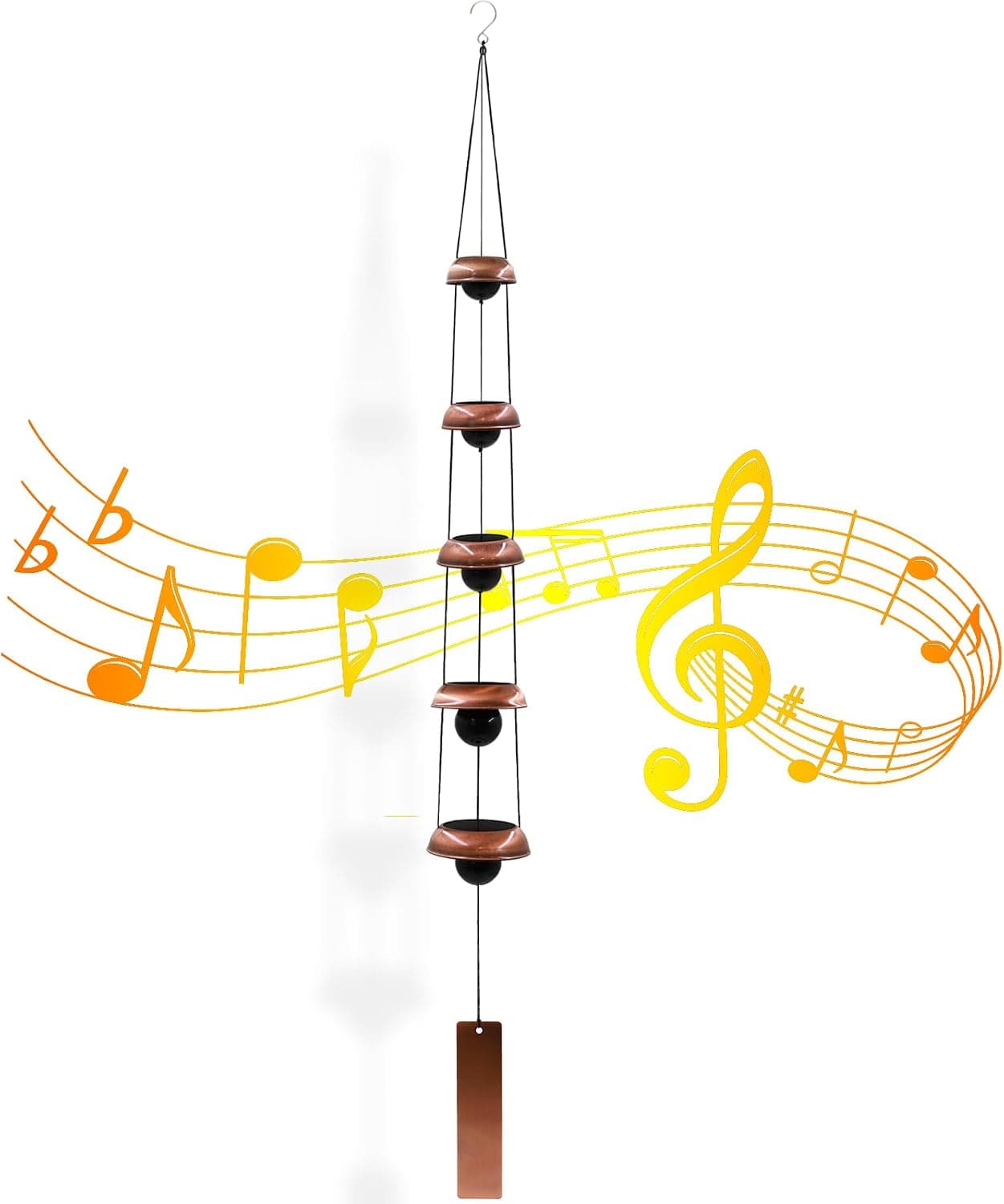 -19%
-19%Wind Chimes for Outside with 5 Bell Unique Copper Musical Chimes Feng Shui Wi...
 -5%
-5%YU FENG Evil Eye Money Tree, Blue Feng Shui Decor with Golden Buddha
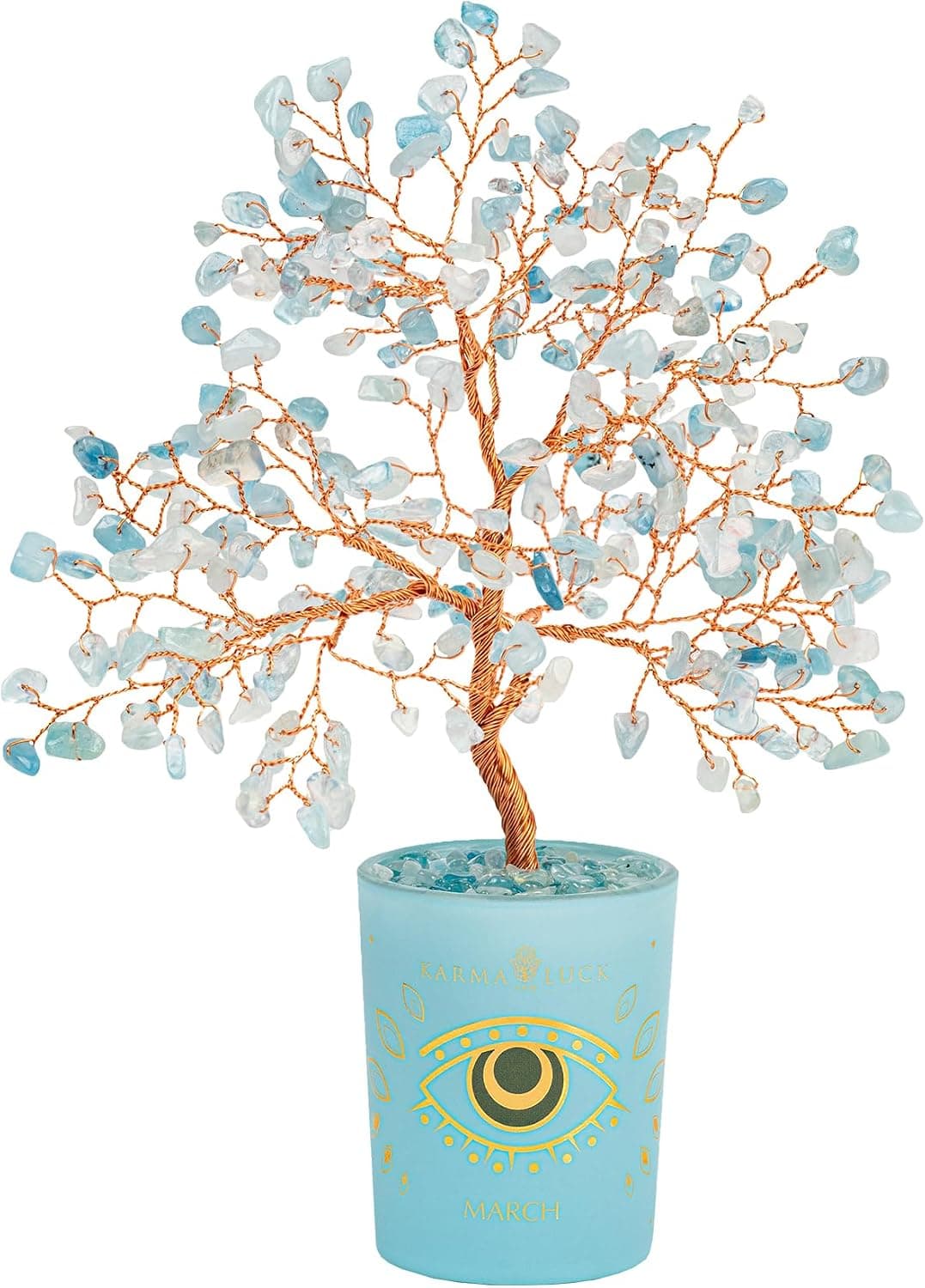 -29%
-29%Karma and Luck March Birthstone Crystal Tree of Life, Aquamarine Gemstone Fen...
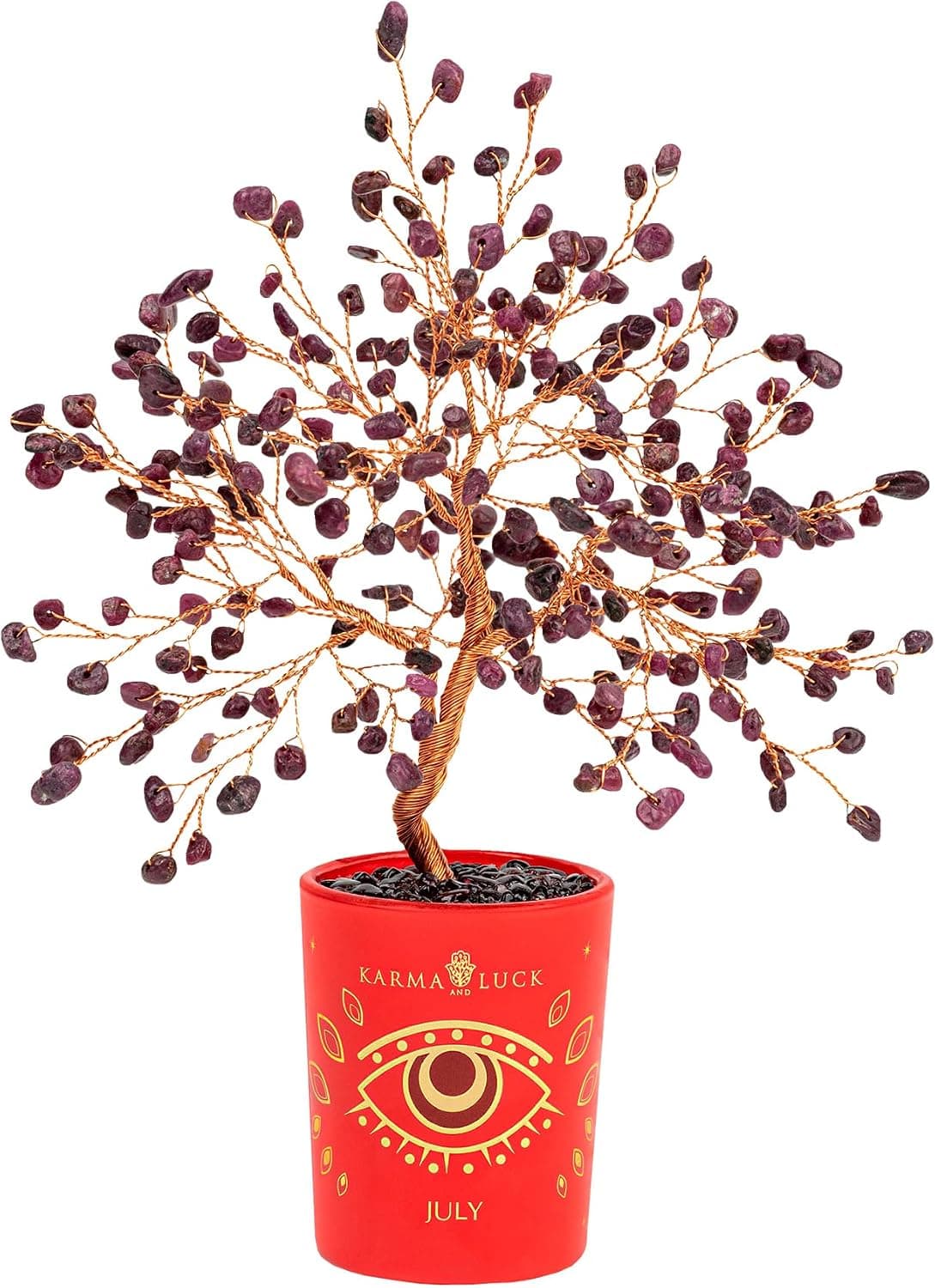 -29%
-29%Karma and Luck July Birthstone Crystal Tree of Life, Ruby Gemstone Feng Shui ...
As an Amazon Associate, we earn from qualifying purchases. We only recommend items our practitioners have personally tested.
Continue Your Journey
Explore these related guides to deepen your understanding:


Ready for Deeper Guidance?
Try our free I Ching reading for personalized wisdom, or explore our curated Feng Shui essentials.