Knocking out walls can scatter the very color cues you meant to strengthen. In 2026, open layouts need more discipline, not less.
The Hidden Truth About 2026-lucky colors all signs feng shui
when people strip a home down to one giant open room and then paint it as if color alone can carry the whole chart. I watched that happen in a loft with pale oak floors, a charcoal sofa, and one red lacquer bowl on a kitchen island that sat exactly nine feet from the front door. The owner had followed every lucky-color note she found online. By Friday, she was sleeping badly, snapping at her partner, and blaming the year instead of the room.
That failure makes sense. Color does not float in a vacuum. It lands on boundaries, doorways, sightlines, and the places where attention keeps breaking apart. Remove the walls, and you remove the very edges that help colors do their work. The result feels airy at first. Then the home starts leaking focus.
Open plan homes create a strange problem: too much visual access and not enough containment. A calm blue wall behind a desk can help when the desk sits in a defined study. Put that same blue in a room where the stove, sofa, dining table, and shoe rack all share one long rectangle, and the color becomes decoration instead of direction. That is why the usual online advice sounds neat and performs poorly.
Call it a missing frame. Without rooms, color has to carry more than it should.
Why the Open Layout Alters Color
In classical terms, this is not just about paint. It is about qi moving through shape. A wide opening lets sight, sound, and traffic rush across the home, so the eye never settles long enough for one color to anchor a function. Red near the cooking zone can sharpen appetite and activity, yet the same red drifting into the sofa area may leave people restless, especially at night.
The five elements explain the mismatch cleanly. Wood tones feed growth, Fire pushes activity, Earth stabilizes, Metal clarifies, and Water cools. In an open plan, those signals collide within a few steps of one another, so the color that should support one life area starts bleeding into the next. The home feels busy even when nothing is happening.
That is why I push back when someone says, “Just use the lucky shades for the year and you are covered.” Covered by what, exactly? A color placed on a wall that faces three functions at once cannot behave like a private cure. It becomes background noise. Still pretty. Not very useful.
What people mistake for a color problem is often a boundary problem. And boundaries are shape, not wallpaper.
The Open Plan Mistake People Keep Making
Here is the common move: they delete walls, open the kitchen to the living room, then expect a single palette to unify everything. It feels modern. It photographs well. It also flattens the home into one emotional register, which is the opposite of what most households need.
I saw this in a two-bedroom apartment with a south-facing window and a kitchen island painted glossy white. The owner added emerald cushions, a blue runner, and gold trays because the year’s lucky colors seemed promising. The space looked polished. Yet the dining chair nearest the stove became the family dumping ground for mail, a backpack, and a half-empty water bottle. That chair sat in the middle of a visual corridor with no wall behind it, so nothing held the activity in place.
When a room has clear edges, a color can act like a signal. In an open plan, it often acts like a suggestion. Suggestions get ignored. A single accent wall behind the sofa, a rug that stops the seating area from drifting into the hall, or a tall plant used as a visual divider will do more than sprinkling the same color everywhere. Shape first. Color second.
That is also why some homes look expensive but feel unsettled. They have coherence without containment.
Where the Colors Work, and Where They Fail
Color is not useless in 2026. It simply needs a job. Use warm tones in the kitchen zone if the household feels cold and disconnected. Let muted blues or gray-greens sit near the bedroom entrance if the open plan spills into private space and you need the evening to slow down. Keep brighter reds away from the line of sight between the couch and the bed, because the eye reads that as movement even when the body wants rest.
One simple test helps. Stand at the main entry and look across the whole space. Ask yourself which area is shouting, which area is hidden, and where your attention trips. If the eye keeps jumping from the stove to the TV to the desk, the color palette is not organized. It is competing.
Try using color in pockets instead of flooding the whole plan. A deep clay throw under the coffee table can ground the sitting area. A dark rug under the dining set can separate meals from work. A small brass lamp on the far edge of a bookshelf can sharpen the Metal quality without making the room feel cold. These are not grand gestures. They are corrections.
And yes, they matter more than the social-media version of lucky colors.
Why Conventional Advice Persists
People love simple rules because open layouts are hard to read. A list of colors gives the illusion of control. It also flatters the idea that a home can be fixed with shopping. That is a seductive thought. It saves you from looking at circulation, clutter, and the fact that the dining chairs are blocking the natural path to the balcony.
There is another reason. Color changes are visible fast, while spatial corrections ask for patience. A new cushion feels like progress. Moving the sofa two feet so it creates a back for the seating area feels less glamorous, but the room relaxes almost immediately. The nervous system notices structure long before it admires style.
That same bias shows up in many homes that are already over-open. A glass partition would help. A bookcase used as a partial divider would help. Even a shift in rug size would help. Yet the owner reaches for one more decorative object because it seems easier than admitting the room lacks a spine.
It lacks a spine. That is the problem.
How to Use Color Without Letting the Room Sprawl
Start with the most active zone and calm it down. If the kitchen and living room share one sightline, choose one strong color family for the cooking area and a quieter family for the sitting zone. Keep the boundary visible. A narrow strip of dark tile under the island, for example, can separate task energy from rest energy without adding clutter.
Then give the eye something to rest on. A sofa with a solid back, a shelving unit that does not stop at knee height, or even a pair of matching lamps on either side of a console can create a pause in the visual flow. Once that pause exists, lucky colors begin to matter again because the space knows where they belong.
Do not paint every surface to match the year’s forecast. That usually creates a showroom, not a home. Instead, place the favored color where the function needs support. A muted green near a work nook. A touch of gold around the entry console. A deeper blue at the far end of a long room where the energy tends to race out. Small placements, specific jobs.
That approach holds up far better than blanket rules, and it respects the actual shape of the home.
A Better Way to Read the Year in an Open Home
2026 asks for discernment, not decoration. In a compact room, color can do more heavy lifting because the walls help hold it. In an open layout, the walls have stepped back, so you must build structure with furniture, rugs, screens, and repeated accents. Once that frame exists, the year’s colors can support movement instead of scattering it.
The surprising part? Some homes need less color, not more. I have seen a beige linen curtain, one rust cushion, and a single olive-green chair calm a large combined living space better than a full palette of lucky tones. The restraint gave the eye a place to land. The room stopped performing and started functioning.
If you are still chasing the right shade while ignoring the missing divider, you are solving the easier puzzle. The harder one is the one your home is asking for.
Maybe that is why the loft with the red bowl and the charcoal sofa never settled until the owner added a low walnut shelf between the kitchen and the sitting area. After that, the same colors looked intentional instead of frantic. The house changed. The palette had not.
What would your colors do if the room finally knew where to stop?
FAQ
Is conventional 2026-lucky colors all signs feng shui advice reliable?
Often not on its own. It can point you toward useful tones, but without boundaries and function zones, the colors drift. In an open plan, that drift is exactly what causes the trouble.
Should I paint my whole open plan in one lucky color?
No, because one color across a large, uninterrupted space usually erases the differences between eating, resting, and working. A better move is to assign color to specific zones. That gives the room a rhythm instead of a blur.
What if I cannot add walls or build partitions?
Use rugs, shelving, lamps, and furniture backs to create visual edges. A tall open shelf placed about three feet behind a sofa can separate the living zone from the path to the kitchen. Small borders matter more than people expect.
Do lucky colors still matter if my apartment is already open?
Absolutely, but they have to be placed with discipline. A lucky shade on a cushion or lamp base can help when the area already has clear structure. Without that structure, the color becomes part of the noise.
Could too much bright color make an open home feel worse?
Yes, and the effect is usually immediate. You may notice more pacing, more visual distraction, and less willingness to sit in one place. Brightness without containment tends to push the whole home into overdrive.
Mei Chen
Traditionally informed guidance • Cross-referenced with classical Chinese source texts
Content draws from both Compass (Luopan) and Form (Xingshi) school traditions. Illustrative examples are composites based on consultation experiences.
Practitioner-Selected Tools for This Topic
Items our team has tested and found effective for the principles discussed above. Individual results may vary.
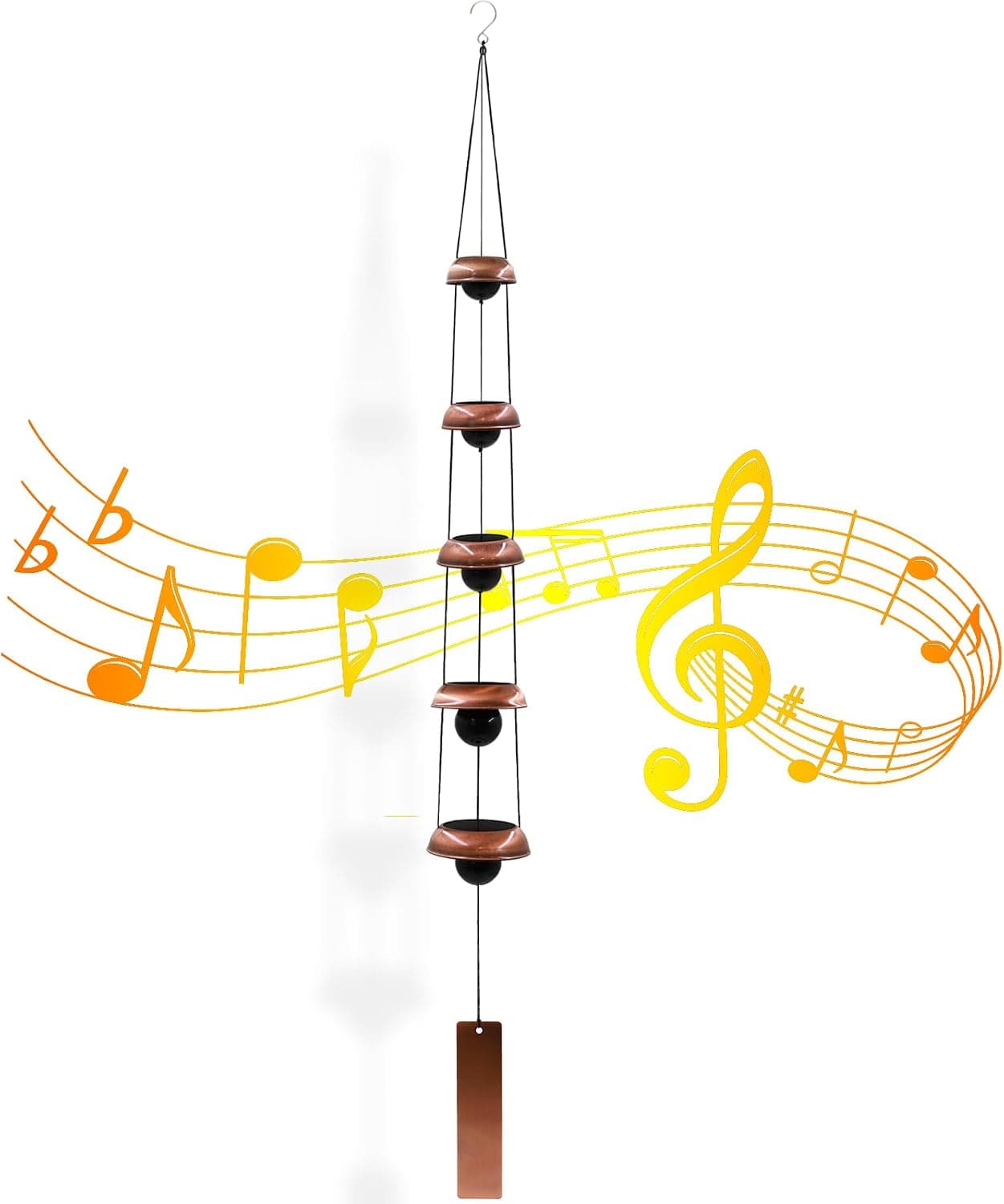 -19%
-19%Wind Chimes for Outside with 5 Bell Unique Copper Musical Chimes Feng Shui Wi...
 -5%
-5%YU FENG Evil Eye Money Tree, Blue Feng Shui Decor with Golden Buddha
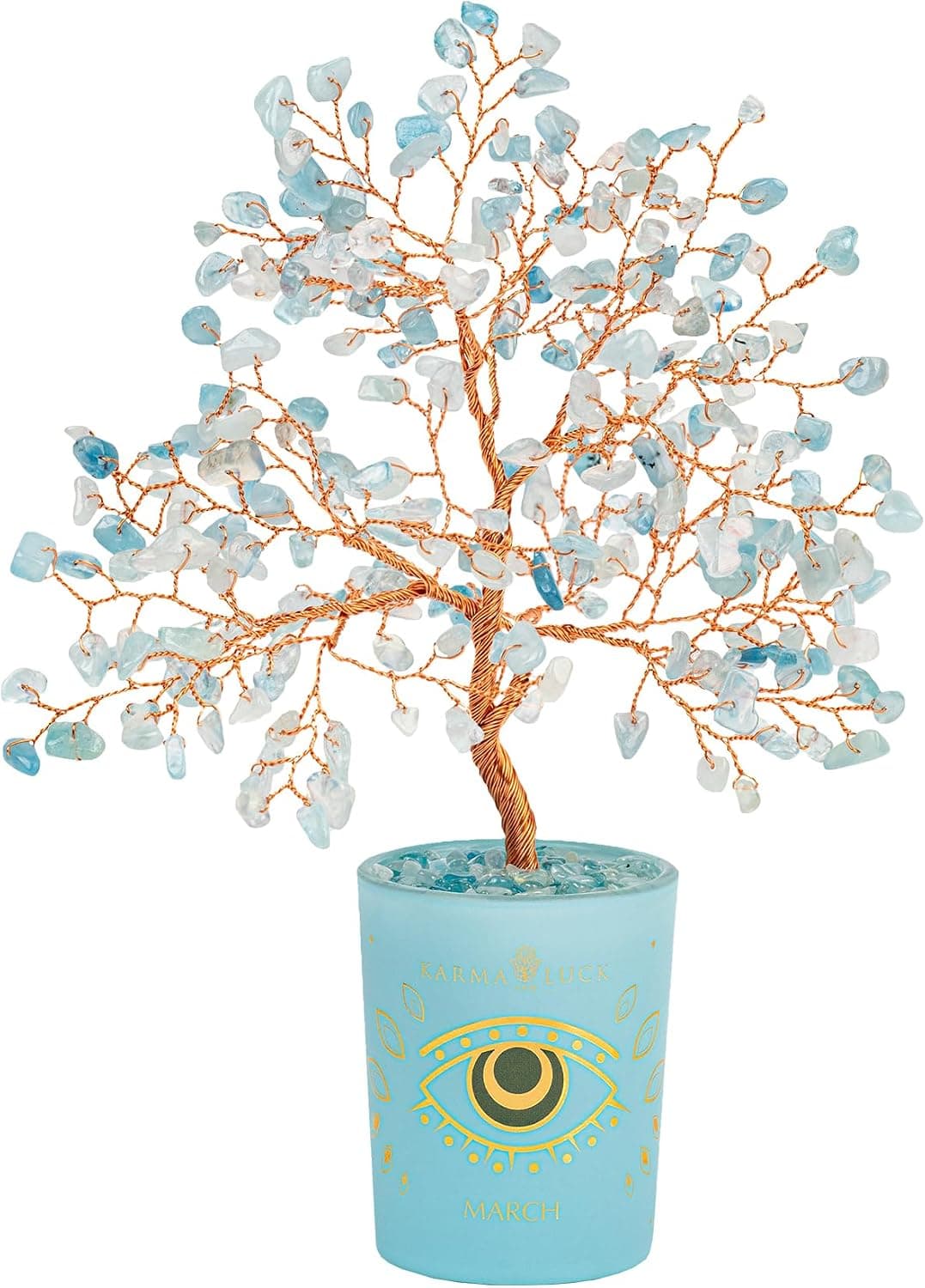 -29%
-29%Karma and Luck March Birthstone Crystal Tree of Life, Aquamarine Gemstone Fen...
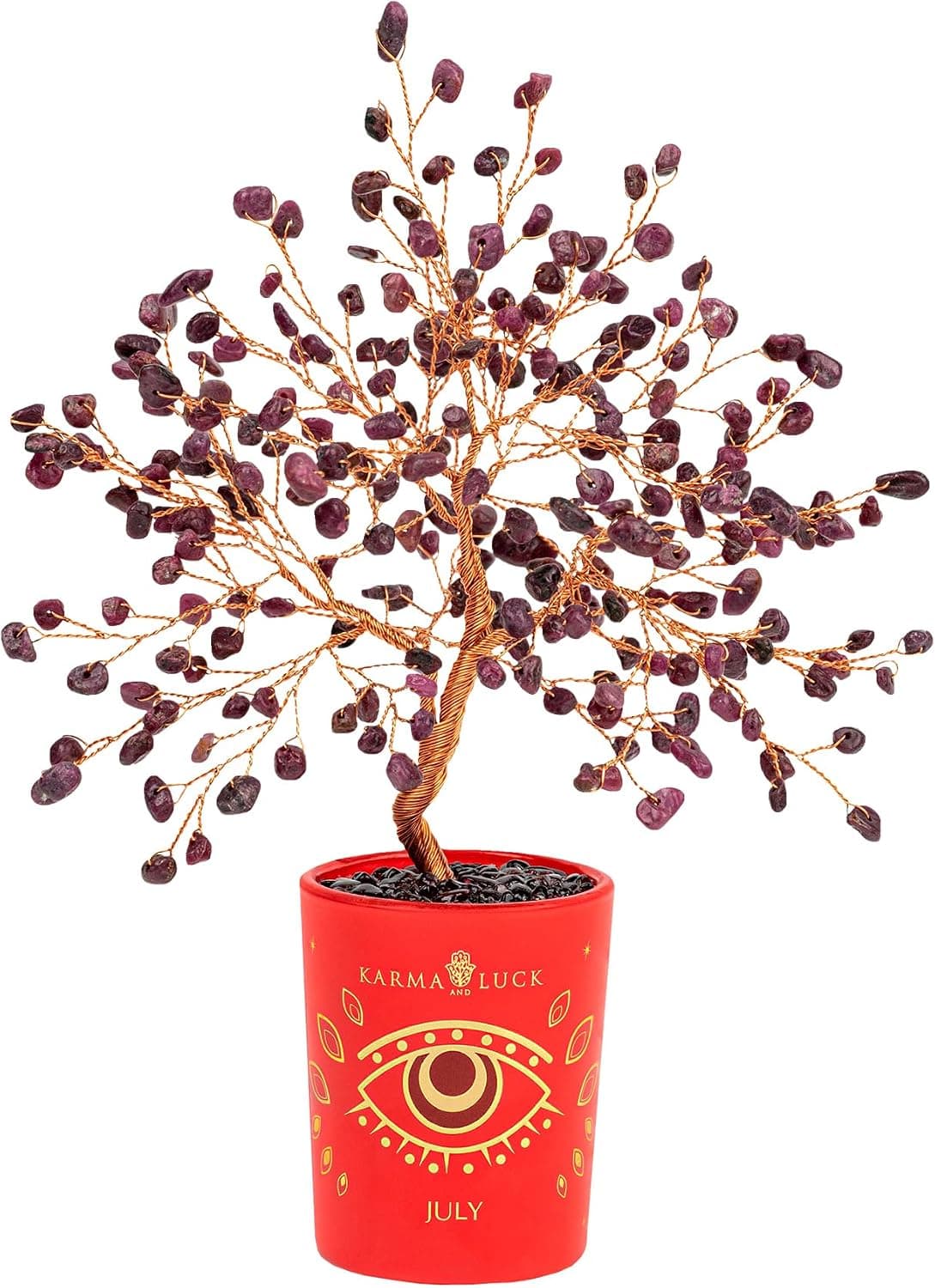 -29%
-29%Karma and Luck July Birthstone Crystal Tree of Life, Ruby Gemstone Feng Shui ...
As an Amazon Associate, we earn from qualifying purchases. We only recommend items our practitioners have personally tested.
Continue Your Journey
Explore these related guides to deepen your understanding:


Ready for Deeper Guidance?
Try our free I Ching reading for personalized wisdom, or explore our curated Feng Shui essentials.