Stop treating the text like a fortune cookie; it becomes precise when you ask the right kind of question.
When the answer feels slippery, you are usually asking too much of the oracle
You cast, you stare at the lines, and somehow the meaning slides off the page. That is the frustration I hear most often from people who have just started with the zhou yi: the text feels wise, but not usable.
I've seen this happen at a kitchen table in Portland, with a navy mug beside a laptop and three unburned incense sticks still in their paper sleeve. The reader had asked about a job offer, but the real question was fear: she wanted permission to leave. The answer looked simple on paper. It only became clear when she admitted what she was trying not to say.
This is where people get it backward. They think the problem is the text. Usually, the problem is the question.
Read well, and the old book stops acting like a fog machine. It starts behaving like a mirror.
The method is not prediction first. It is recognition first.
The older tradition surrounding the Classic of Changes works because it does not flatter your ego. It shows pattern, timing, and consequence. If you come to it expecting a fixed outcome, you miss the point and you often miss the answer. The text is less interested in telling you what will happen than in showing what your present situation is becoming.
That is why a good reading begins before the coins ever hit the table. You narrow the question until it can actually breathe. Not “What will my life be?” but “What is this relationship asking me to change?” Not “Will I be successful?” but “What stance will help this project move?” That single shift turns a murky consultation into something practical. If you want the mechanics of a clean first reading, I recommend starting with how to make your first reading readable before you worry about symbolism.
The text rewards specificity. It also punishes laziness. That sounds harsh, but it is a mercy. A blunt question gives a blunt reply. A careful question opens a careful reply. If you are working with the image language of the book, the eight trigrams and their weather-like qualities help you see whether the situation is moving, blocking, yielding, or building pressure.
One practical habit changes everything: write the exact question down before you cast. Then read the response against that written sentence, not against your hopes, not against your fear, and not against the first dramatic interpretation that jumps out at you. The old book is generous, but it does not chase you.
How to work with the text without forcing it
Start with a question that contains one decision, one person, or one situation. That is enough. If you ask about a whole marriage, a career, a house sale, and your self-esteem all at once, you are not consulting the Changes; you are making a pile of anxiety and asking it to answer back. Keep the focus tight.
Then look at the pattern rather than one dramatic phrase. A hexagram speaks through its structure, its movement, and its tension. The lower and upper halves matter. The changing lines matter. The direction matters. If you only hunt for a single comforting sentence, you will miss the movement entirely. For readers who struggle with this stage, learning to read changing lines in context makes the whole practice less random and much more grounded.
Next, ask what part of the message feels inconvenient. That is usually the useful part. People love the line that promises success. They skip the line that says to stop pushing. Yet the second line is often the one that saves them time, money, and embarrassment. The book has a way of disagreeing with your preferred storyline. Good. That is one reason it works.
Here is a real example. A nurse named Elena brought me a reading about her apartment. She had a small bedroom painted soft gray, a brass lamp on one side, and a crowded dresser topped with perfume bottles and unpaid bills. She said she kept waking at 3:10 a.m. after looking at her phone in bed. The answer pointed not to mystery, but to overstimulation and unfinished business. We moved the phone charger out of the bedroom, cleared the dresser, and put a plain glass of water on the nightstand instead of the pile of papers. Within ten days she was sleeping through most nights. Not because the oracle was magical. Because she finally listened to what the pattern was saying.
That is the real method: observe, clarify, match, then act. The book becomes concrete when you do.
What to do after the reading lands in your lap
Do not rush to interpretation like a gambler reading a card trick. Sit with the image for a moment. Ask yourself what part of your life already feels like that pattern. If the reading suggests retreat, where are you forcing a push? If it suggests gathering strength, where are you hiding too early? If it suggests completion, what still needs a clean ending?
Then translate the answer into one small action within twenty-four hours. Not a grand life overhaul. One email. One boundary. One cleared drawer. One honest conversation. The old method works best when the response enters the world quickly, while the question is still alive. If you want a steadier practice, keep a record; the habit described in a reading journal that actually teaches you something will show patterns you would otherwise forget.
That record matters more than people expect. A single reading can be ambiguous. Ten readings begin to show your habits. Twenty readings show where you keep repeating the same mistake. This is where the book stops being a novelty and becomes a mirror with memory.
And yes, there are times when the answer is not what you wanted. That is not a failure. It is often the first honest conversation you have had with the situation in months.
Two mistakes I see again and again
The first mistake is treating the text like a magic verdict. People ask, then freeze, as if the answer were a courtroom sentence. It is not. The reading points toward wise action, but it does not remove your responsibility. The Changes do not replace judgment; they sharpen it.
The second mistake is over-reading every line as personal drama. Not every symbol is a hidden insult, and not every difficult image means disaster. Sometimes the answer is simply telling you to slow down, or to stop adding noise. If you keep forcing grand meaning onto a small problem, you will only confuse yourself. For a cleaner comparison of divination styles, this comparison of I Ching and tarot helps clarify what this system does differently.
One more thing, because people hate hearing it: if you ask the same question ten times in a row, the problem is no longer the oracle. The problem is that you do not like the answer.
How the old book stays useful in modern life
The reason this tradition has survived so long is simple. It does not chase trends. It speaks to timing, restraint, pressure, and change—things every age has to deal with, whether the person is a farmer, a designer, or a burned-out executive in a glass office tower.
That is also why the text pairs so naturally with Taoist thinking. Both emphasize alignment over control. Both respect the rhythm of events more than the ego of the questioner. If you want that connection made plain, the link between the Changes and Taoist thought is worth reading alongside your practice.
When you approach it this way, the zhou yi becomes less abstract and more practical. It teaches you how to notice what is already moving, where resistance is building, and when to act without forcing the door. That is a different skill from prediction. It is a better one.
And if you are still waiting for the text to “say it louder,” consider this: the most useful answer is often the one that asks you to become less noisy.
FAQ
Do I need special training to read it well?
No, but you do need patience and a clean question. The first layer of understanding comes from careful observation, not from memorizing every symbol on day one. Many people get better simply by writing down each question and comparing the reading to what actually happens afterward.
What if the answer seems contradictory?
That usually means the situation is mixed, not broken. A reading can show two forces at work at once: forward movement with a warning, or retreat with hidden strength. Hold both parts before you decide which one matters more.
Can I use it for yes-or-no questions?
You can, but that is not where it shines. A narrow yes-or-no query often strips out the nuance that makes the method useful. If you need that style, read how yes-or-no questions behave in practice and you will see why framing matters so much.
How often should I consult it?
Use it when a decision is real, not when you are bored. Too much consulting can turn into dependency, and that weakens your own judgment. The best readers use the text as a guide, then return to life and test what they learned.
David Liu
Traditionally informed guidance • Cross-referenced with classical Chinese source texts
Interpretations cross-referenced with the Zhouyi (周易) and Wilhelm/Baynes translation.
Practitioner-Selected Tools for This Topic
Items our team has tested and found effective for the principles discussed above. Individual results may vary.
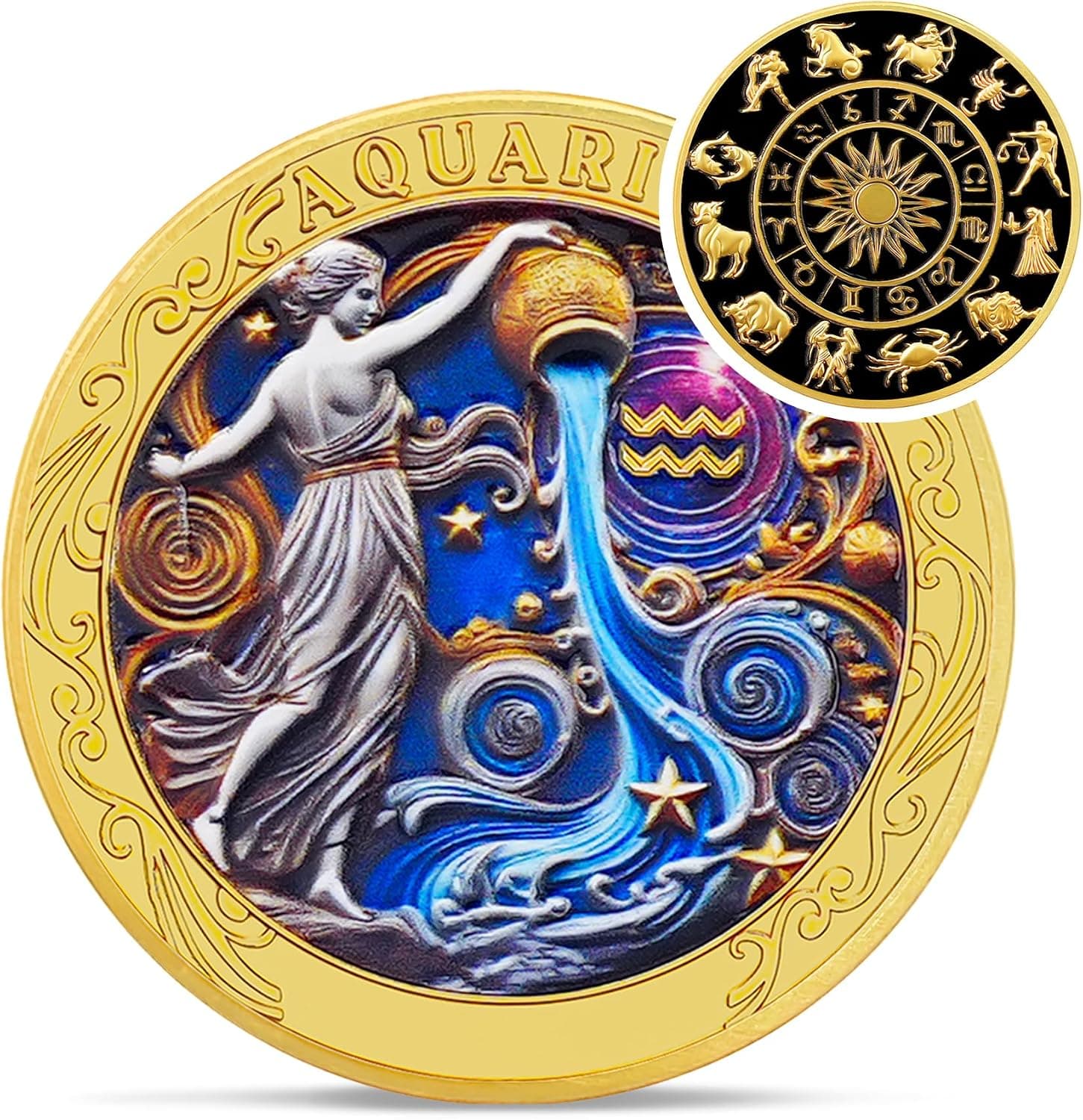 -20%
-20%Aquarius 12 Zodiac Challenge Coin - Twelve Constellations Aquarius Protective...
 -29%
-29%Karma and Luck March Birthstone Crystal Tree of Life, Aquamarine Gemstone Fen...
 -29%
-29%Karma and Luck July Birthstone Crystal Tree of Life, Ruby Gemstone Feng Shui ...
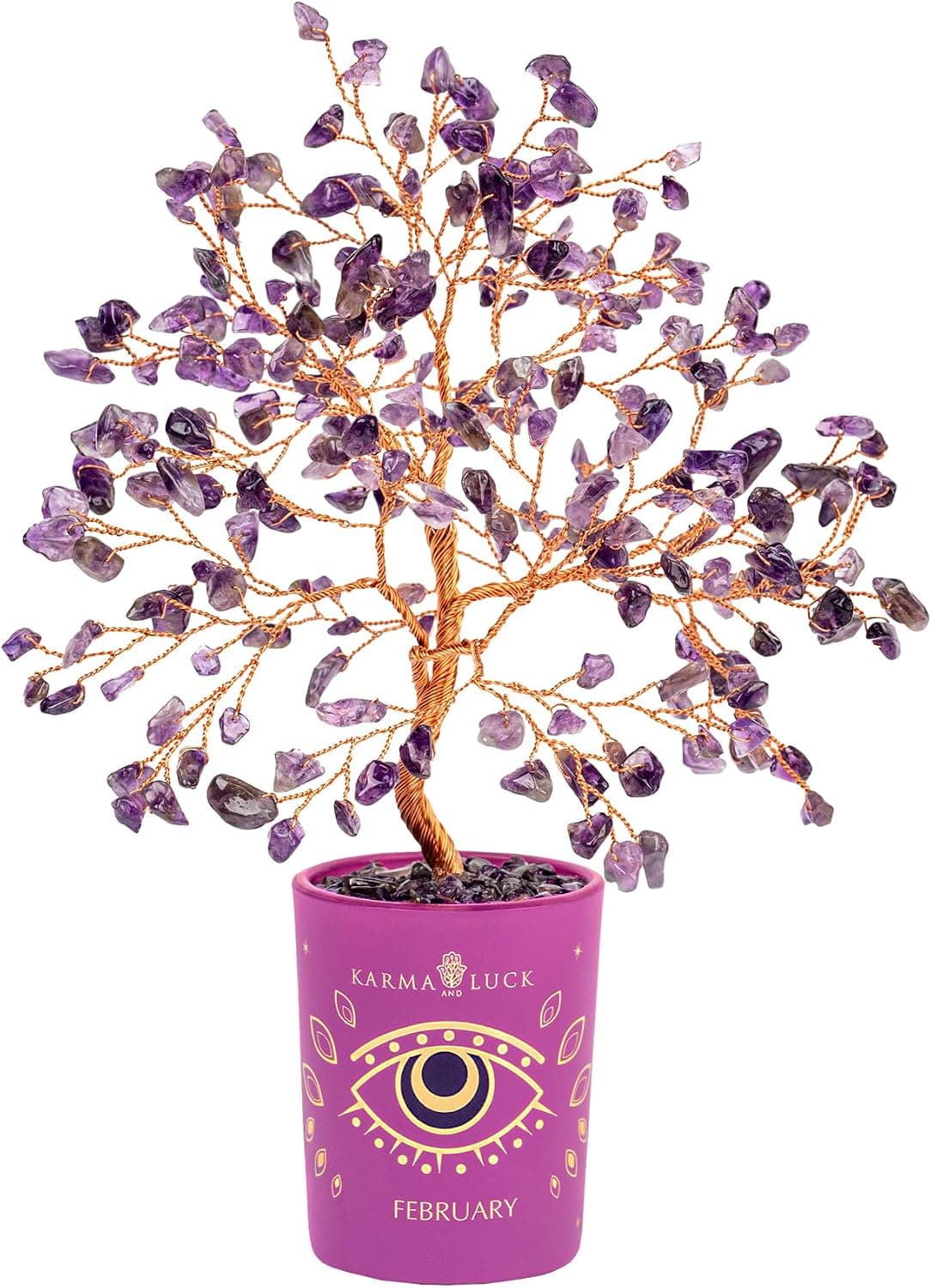 -29%
-29%Karma and Luck February Birthstone Crystal Tree of Life, Amethyst Gemstone Fe...
As an Amazon Associate, we earn from qualifying purchases. We only recommend items our practitioners have personally tested.
Continue Your Journey
Explore these related guides to deepen your understanding:

The I Ching Doesn't Answer Lazy Questions — Here's What to Ask Instead
8 min readConfucian Commentary Turns the I Ching Into a Moral Floor Plan
9 min readBroken Lines, Solid Lines, and the Real Yin-Yang Logic of the I Ching
11 min readThe Wilhelm I Ching Feels Deep Because It Slows Your Reading
11 min readReady for Deeper Guidance?
Try our free I Ching reading for personalized wisdom, or explore our curated Feng Shui essentials.