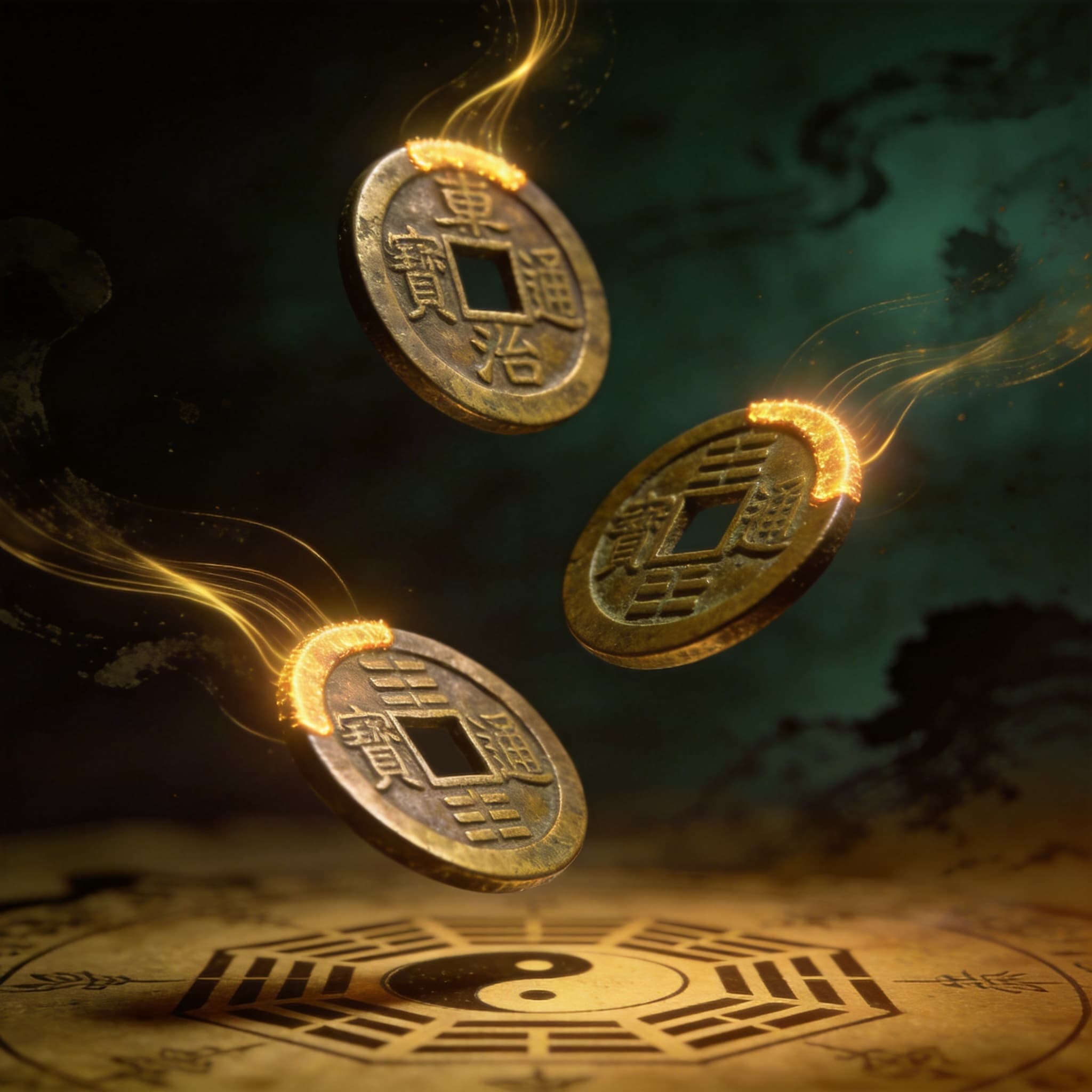
The I Ching consists of 64 hexagrams, each representing a unique configuration of yin and yang lines. This guide explains their structure, meaning, and how to interpret them in divination.
Understanding I Ching Hexagrams
The I Ching, or Book of Changes, is built upon 64 hexagrams—six-line figures composed of broken (yin) and solid (yang) lines. Each hexagram represents a specific situation, state of being, or phase in the cycle of change.
The Structure of a Hexagram
A hexagram is built from bottom to top, with each line representing a different aspect of the situation:
- Lines 1 & 2: The earth position—foundations and resources
- Lines 3 & 4: The human position—action and relationships
- Lines 5 & 6: The heaven position—spiritual and cosmic influences
The Eight Trigrams
Each hexagram is composed of two trigrams (three-line figures). The eight trigrams represent fundamental forces:
- Qian (Heaven) ☰ - Creativity, strength, perseverance
- Kun (Earth) ☷ - Receptivity, devotion, nourishment
- Zhen (Thunder) ☳ - Movement, initiative, awakening
- Xun (Wind) ☴ - Penetration, flexibility, influence
- Kan (Water) ☵ - Depth, danger, wisdom
- Li (Fire) ☲ - Clarity, brilliance, attachment
- Gen (Mountain) ☶ - Stillness, stopping, contemplation
- Dui (Lake) ☱ - Joy, communication, exchange
How to Read a Hexagram
When you cast a hexagram, you receive:
- The Judgment - The core message and advice
- The Image - Metaphorical guidance for action
- Moving Lines - Specific changes and transformations
Conclusion
Understanding hexagrams is a lifelong journey. Each reading opens new layers of meaning, revealing the dance of yin and yang in your life.
David Liu
Traditionally informed guidance • Cross-referenced with classical Chinese source texts
Interpretations cross-referenced with the Zhouyi (周易) and Wilhelm/Baynes translation.
Practitioner-Selected Tools for This Topic
Items our team has tested and found effective for the principles discussed above. Individual results may vary.
 -20%
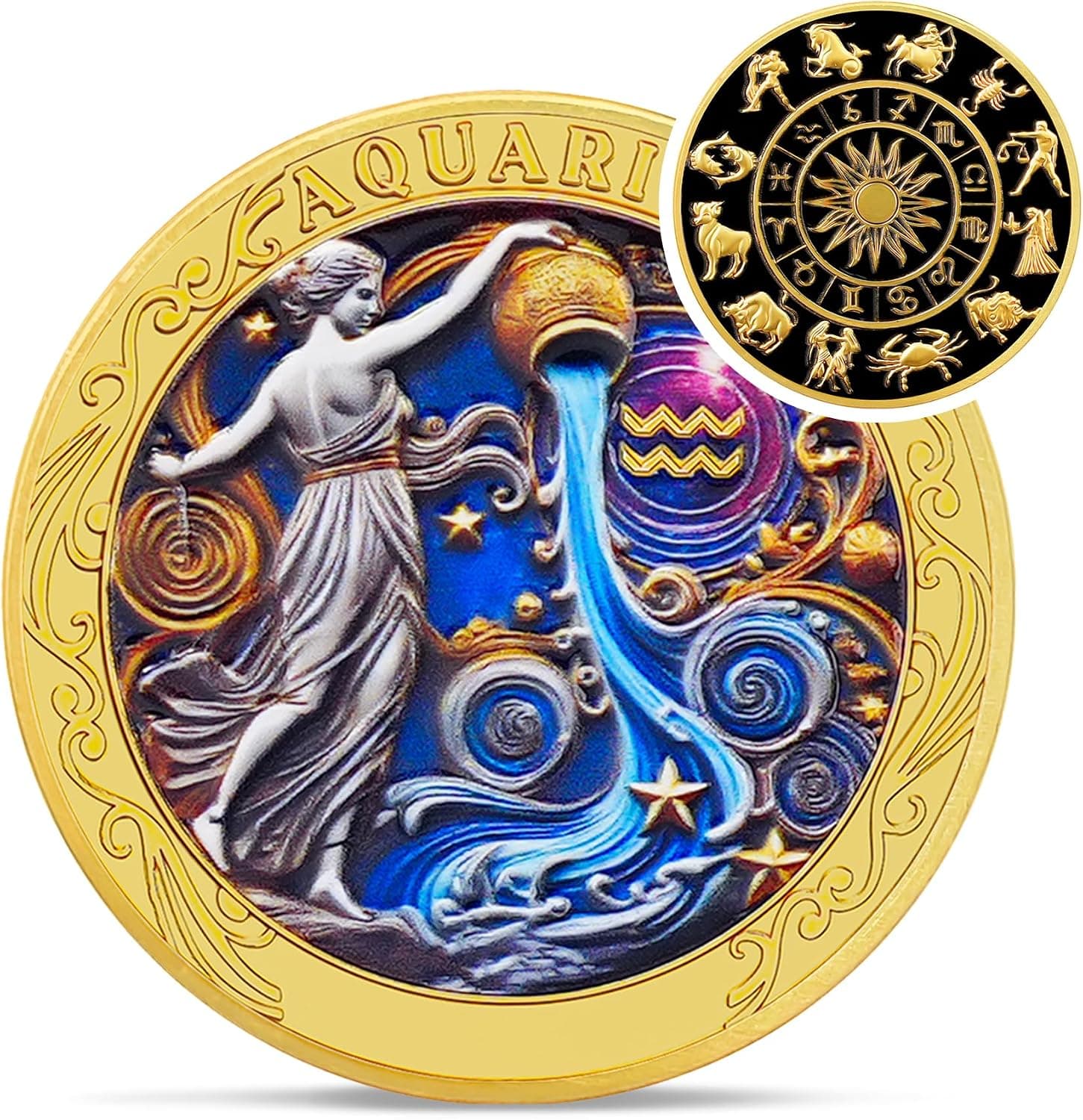
-20%Aquarius 12 Zodiac Challenge Coin - Twelve Constellations Aquarius Protective...
 -29%
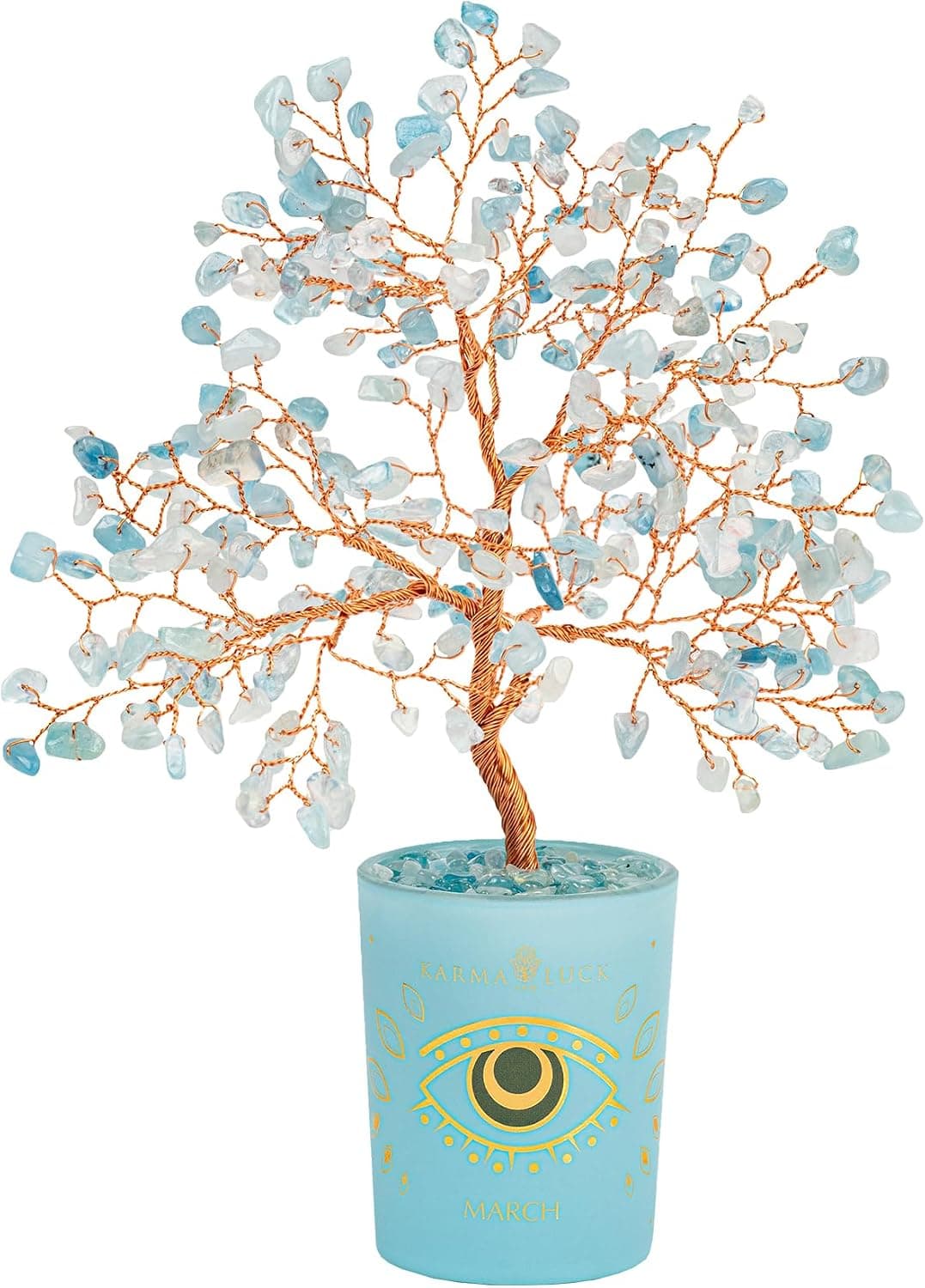
-29%Karma and Luck March Birthstone Crystal Tree of Life, Aquamarine Gemstone Fen...
 -29%
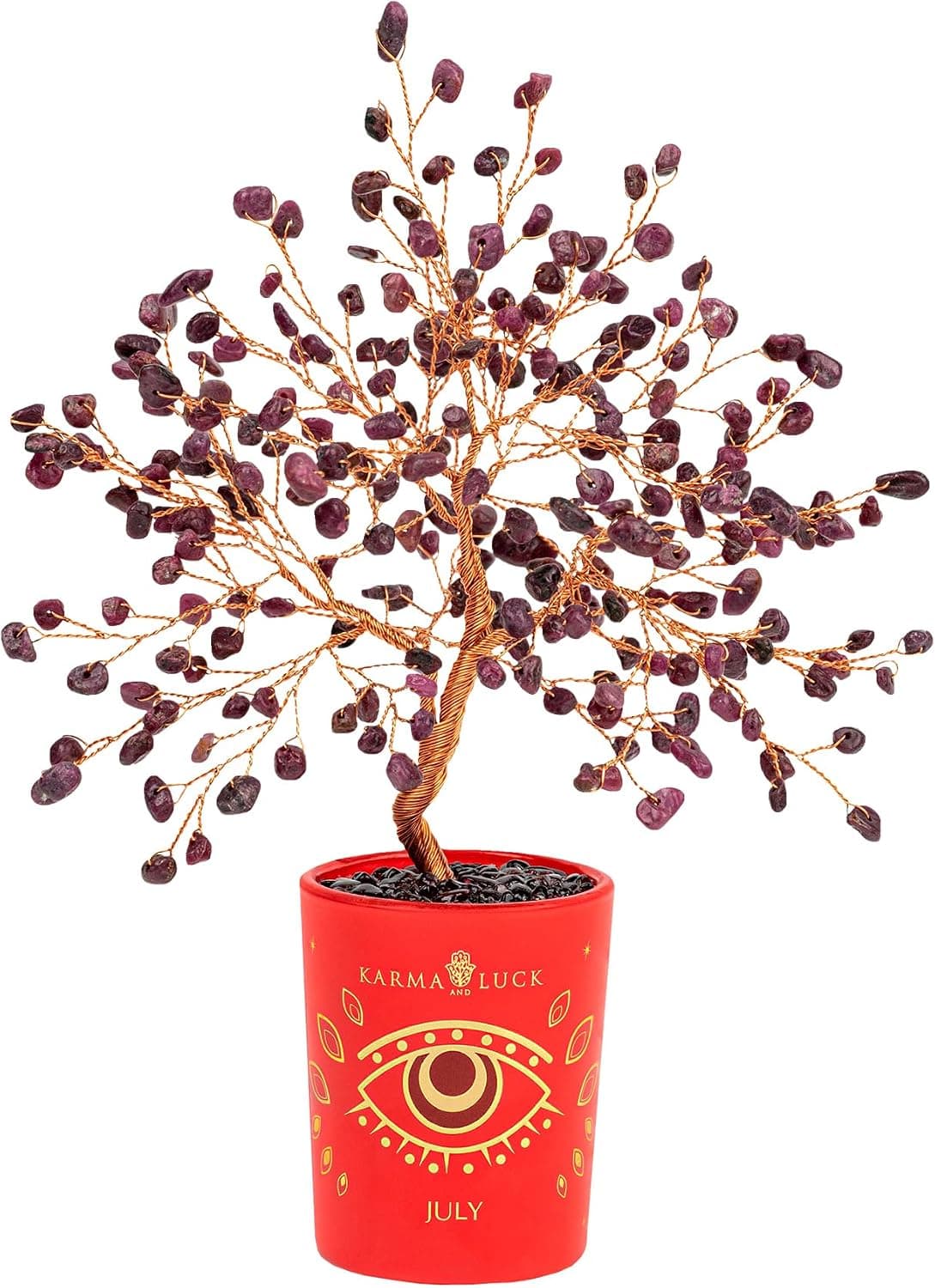
-29%Karma and Luck July Birthstone Crystal Tree of Life, Ruby Gemstone Feng Shui ...
 -29%
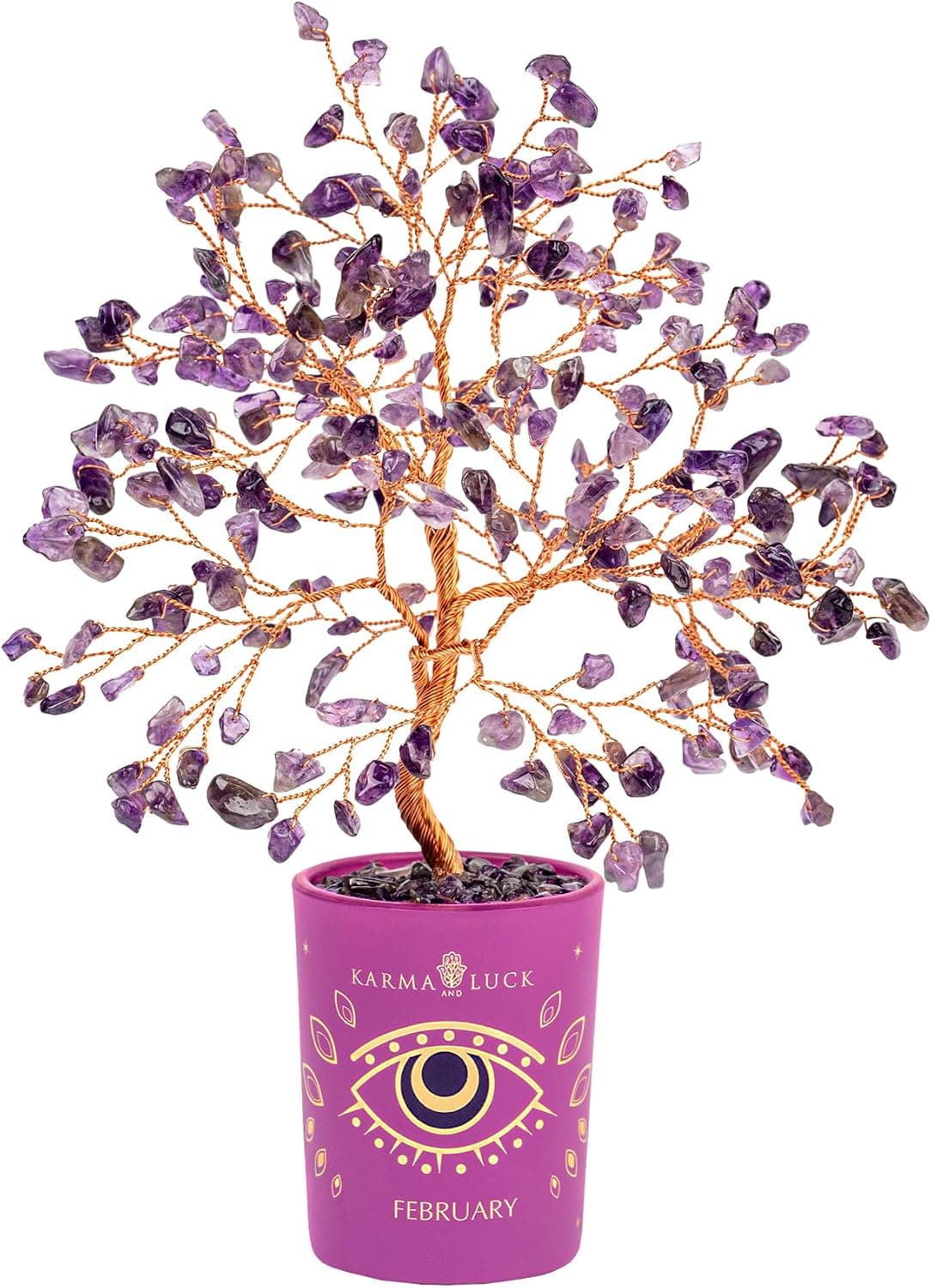
-29%Karma and Luck February Birthstone Crystal Tree of Life, Amethyst Gemstone Fe...
As an Amazon Associate, we earn from qualifying purchases. We only recommend items our practitioners have personally tested.
Continue Your Journey
Explore these related guides to deepen your understanding:

The I Ching Doesn't Answer Lazy Questions — Here's What to Ask Instead
8 min readConfucian Commentary Turns the I Ching Into a Moral Floor Plan
9 min readBroken Lines, Solid Lines, and the Real Yin-Yang Logic of the I Ching
11 min readThe Wilhelm I Ching Feels Deep Because It Slows Your Reading
11 min readReady for Deeper Guidance?
Try our free I Ching reading for personalized wisdom, or explore our curated Feng Shui essentials.