Tai chi is not soft exercise with incense. It is trained yielding, precise structure, and quiet attention in motion.
Quick start: what matters before you try a form
The short answer is this: tai chi works when your body learns to stop fighting gravity, momentum, and stress at the same time. That is why the movement is slow. The pace is not an aesthetic choice; it is the training itself.
Begin with feet grounded, knees loose, pelvis neutral, and the spine lengthened without strain. Let the breath stay quiet, and let the exhale signal release. If you want the philosophy behind that, it is yin and yang in the body, not as a slogan but as a living arrangement of softness and firmness. That is the point of yin and yang in daily life.
In one beginner class, a student held both hands high and called it “good posture.” The instructor lowered one wrist by a finger’s width and asked for a smaller shift of weight. The whole shape changed. Balance often turns on details that small.
No incense required. No dramatic breathing. Just a floor, a little patience, and a willingness to notice what your nervous system does when it is no longer rushed.
A quiet park practice looks gentle from a distance, but it is built on exactness.
What the practice really is
Outside China, people often describe the art as gentle exercise or a stress-relief routine. Those descriptions are not false, but they are thin. The practice grew from Chinese ideas about force, timing, listening, and response. It is movement with intelligence in it.
The form is a chain of postures connected by turning, stepping, and transferring weight with care. The hands may seem soft and floating, yet the feet do the real instruction. Pressure travels from heel to toe in measured waves, and the center stays available even as everything else changes.
That makes it more exact than casual stretching and less showy than martial display. The aim is not to look serene. The aim is to become difficult to unbalance.
Classical Chinese thought often returns to the same idea: what is flexible may outlast what is hard. A reed bends and survives the storm. A branch that refuses to move may snap.
Why softness was treated as strength
Softness in this tradition is not weakness dressed up politely. It is the ability to receive pressure without collapse and to redirect force without a reflexive fight. That difference gets blurred when people reduce the teaching to “just relax.”
Try it physically. A locked shoulder meets impact like a wall. A shoulder that stays alive, with a torso that yields just enough, gives force somewhere to go. Suddenly the body has options.
The same lesson reaches beyond the practice hall. In a tense conversation, people often mistake flexibility for surrender. That is not what is being trained. The real skill is to adjust the timing, soften the tone, or choose a better angle without abandoning your center.
In a room, the same logic appears in placement and proportion. A north-facing bedroom packed with heavy furniture can feel restless even when everything is expensive. Harmony often comes from breathing room, not from matching objects. A low wooden bench beside a glazed lamp may settle a space better than a pair of identical shiny pieces.
Softness is not absence of structure. It is structure that can move.
From martial training to moving attention
The martial roots matter because they explain the precision. Slow movement was never meant to be sloppy movement. It was a method for training alignment, distance, and timing until they became instinctive under pressure.
That is why the first corrections can feel almost comically small. An instructor may adjust the angle of the torso, widen the stance by a fraction, or ask the palm to turn a little more open. Those tiny corrections are how the body learns what centered actually means.
With repetition, the form becomes embodied memory. Balance stops being a concept and becomes a trained response in the hips, ankles, spine, and breath.
The silent park scene many outsiders romanticize is not mystical fog. It is concentration. A line of practitioners may move through the same sequence, yet each person is tracking weight and direction with private attention.
That is harder than it looks.
Where people get the atmosphere wrong
Modern wellness culture likes to drape a glow over anything ancient. A disciplined art can get repackaged as incense, light music, and effortless harmony. The result may look spiritual from a distance, but it often loses the discipline that made it useful.
Slow forms expose the habits you can hide when you move quickly: locked knees, raised shoulders, held breath, or attention that wanders the moment discomfort arrives. The form reveals where the body is untrained.
That can be uncomfortable, but it is also liberating. Once the mechanics are visible, you stop waiting for a mood to save you.
Some readers expect Chinese movement arts to behave like seated meditation. They do not. The body is not meant to disappear here. It is meant to become present, organized, and responsive.
How this differs from yoga, qigong, and seated meditation
Yoga often uses held positions to build strength, flexibility, and attention. This practice uses continuous transitions to train balance, softness, and timing. One asks you to stay within a shape; the other asks you to stay centered while the shape changes. That distinction matters in the body.
Qigong can look similar, but it is usually more focused on breath, vitality, and repeated simple patterns. The forms here are generally longer and more structured, and they are historically tied to martial use. If qigong often refines energy through repetition, this art asks whether that refinement still holds when movement and pressure increase.
Seated meditation removes many physical variables so the mind can be observed more clearly. Here, the variables remain. The lesson is to stay calm inside them.
If you want a philosophy bridge, compare that with using yin and yang in everyday decisions: stillness and motion are not enemies, and neither are firmness and receptivity. The body learns that lesson faster than the intellect does.
What changes in the body and mind
Slow movement reduces impulsive reactivity because it forces attention into small, concrete tasks: where the foot lands, when the breath releases, whether the shoulder has crept upward, whether the pelvis has tipped. You cannot rush those details and still keep the shape.
The nervous system notices that. After enough repetition, balance begins to feel recoverable instead of fragile. The result is not only better posture. It is a calmer starting point when something unexpected happens.
Breath stays understated throughout. It is not performed. It is not forced. The exhale often comes with a settling sensation, the chest softens, the jaw unclenches, and the body feels awake without strain.
A person’s expression often changes before they realize it, because the face follows the rest of the frame. A clenched diaphragm can create a clenched mood. A rooted stance interrupts that chain. For readers who want the inward side of the same training, mindfulness practice in ordinary life speaks to the attention piece, while this art adds weight, direction, and physical consequence.
One sentence says a lot: the body learns first, and the mind catches up later.
A practical use for an old philosophy
The best modern use is not to turn the practice into a persona. It is to let it change how you move through ordinary life. Stand differently while waiting. Shift weight more honestly when you feel cornered. Notice whether pressure makes you stiff or simply more organized.
Homes can reflect the same training. A hallway that is too narrow, a bookshelf that blocks circulation, or a chair shoved awkwardly into a path creates friction the way poor posture does. Design is movement made visible. When a room cannot breathe, attention rarely settles there for long.
That is where balance becomes practical instead of decorative. Harmony does not come from making everything identical. It comes from placing things so they support flow, proportion, and clarity. A room, like the body, can be trained.
And the old lesson still stands: not every problem needs more force. Some need better timing, a smaller gesture, or a cleaner angle.
That is not mystical. It is useful.
What to look for in a teacher or class
Look for correction, not performance. A serious teacher notices foot pressure, knee alignment, hand height, and the quality of turning. A class that only looks graceful from the outside may be missing the internal mechanics that make the art real.
Ask whether the instruction covers stance, breath, and weight transfer, not just memorized choreography. If nobody speaks about loading and unloading the body, the class may be drifting toward aesthetic movement instead of trained embodiment.
Space matters too. Good practice needs room for circular stepping and uninterrupted change of direction. Crowded conditions can make it harder to understand how balance travels, because the body needs enough space to feel the shift before it can refine it.
For readers who want the philosophical side along with the physical one, inner wisdom helps separate intuition from impulse, which is exactly the kind of distinction the practice sharpens.
FAQ
Is this more like exercise or more like philosophy?
For most beginners, it feels like exercise first and philosophy later. The movement teaches the philosophy through repetition. If you remove the body, you remove the practice.
How soon do people usually feel a difference?
Some notice calmer breathing after a few sessions. Changes in balance and reactivity usually take longer, because the body is learning new defaults rather than memorizing new poses.
Do I need to be fit before I start?
No. In fact, people who move more slowly and pay attention often learn the internal mechanics faster than those who try to impress anyone. The art rewards precision more than athletic style.
Can I use this instead of meditation?
It can support attention in a different way, but it does not do the same job as sitting quietly. If stillness feels difficult, this may be a better doorway into focused awareness.
Is it suitable for older adults or people with limited mobility?
Often yes, if the teacher adapts the work properly. Depth of stance and speed are not the main issues. Control, alignment, and a comfortable range matter more.
What do beginners misunderstand most often?
They think softness means passivity. It does not. The discipline is about active responsiveness: receive, organize, and respond with the least unnecessary tension.
If you want to connect this to broader self-cultivation, personal growth offers a useful bridge. But the practical point is simpler: train the body until calm becomes a way of standing, not just a thought you admire.
David Liu
Traditionally informed guidance • Cross-referenced with classical Chinese source texts
Rooted in classical Chinese metaphysics and cross-referenced with original texts. Product recommendations are based on traditional symbolism, not guaranteed outcomes.
Practitioner-Selected Tools for This Topic
Items our team has tested and found effective for the principles discussed above. Individual results may vary.
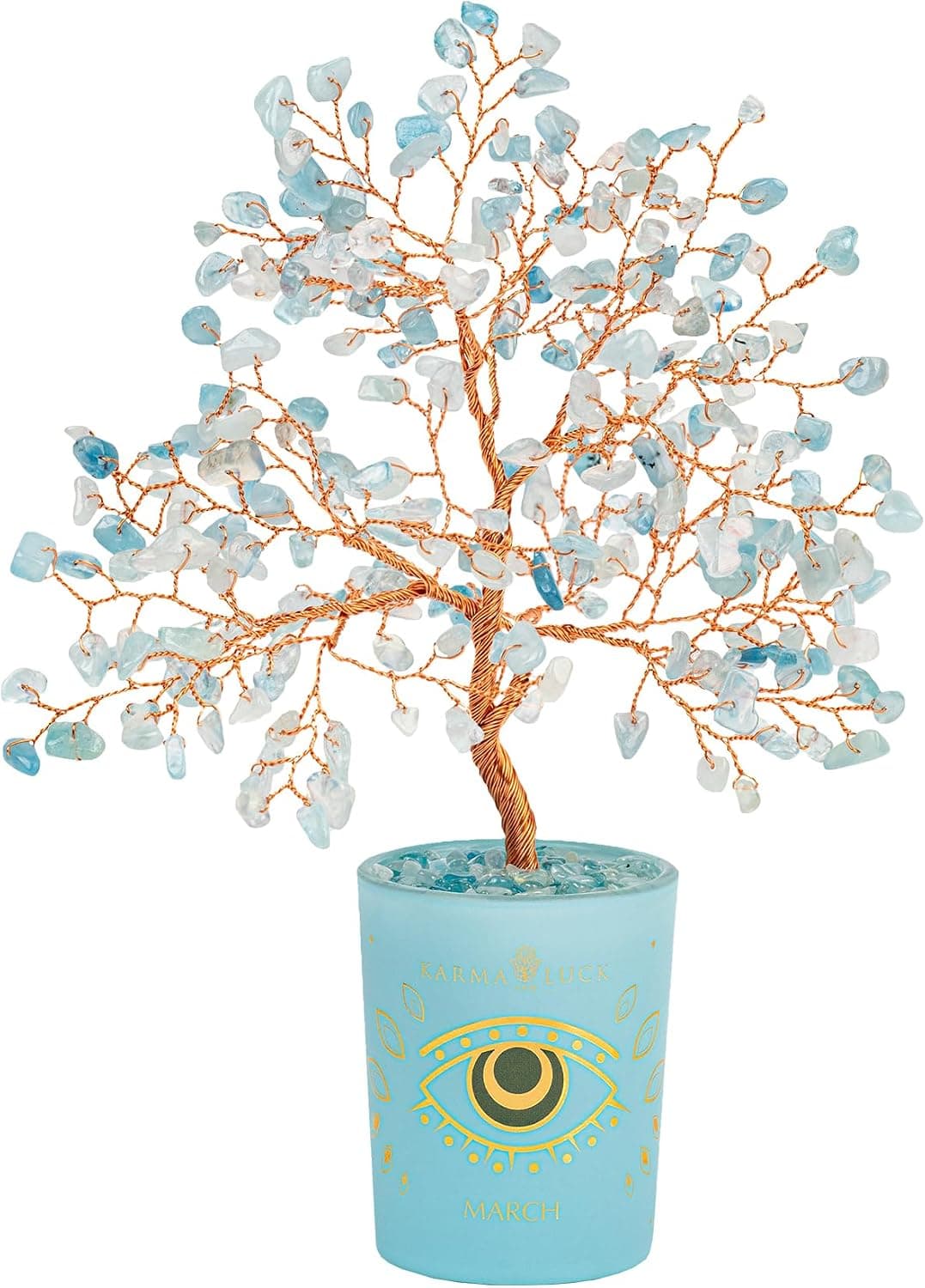 -29%
-29%Karma and Luck March Birthstone Crystal Tree of Life, Aquamarine Gemstone Fen...
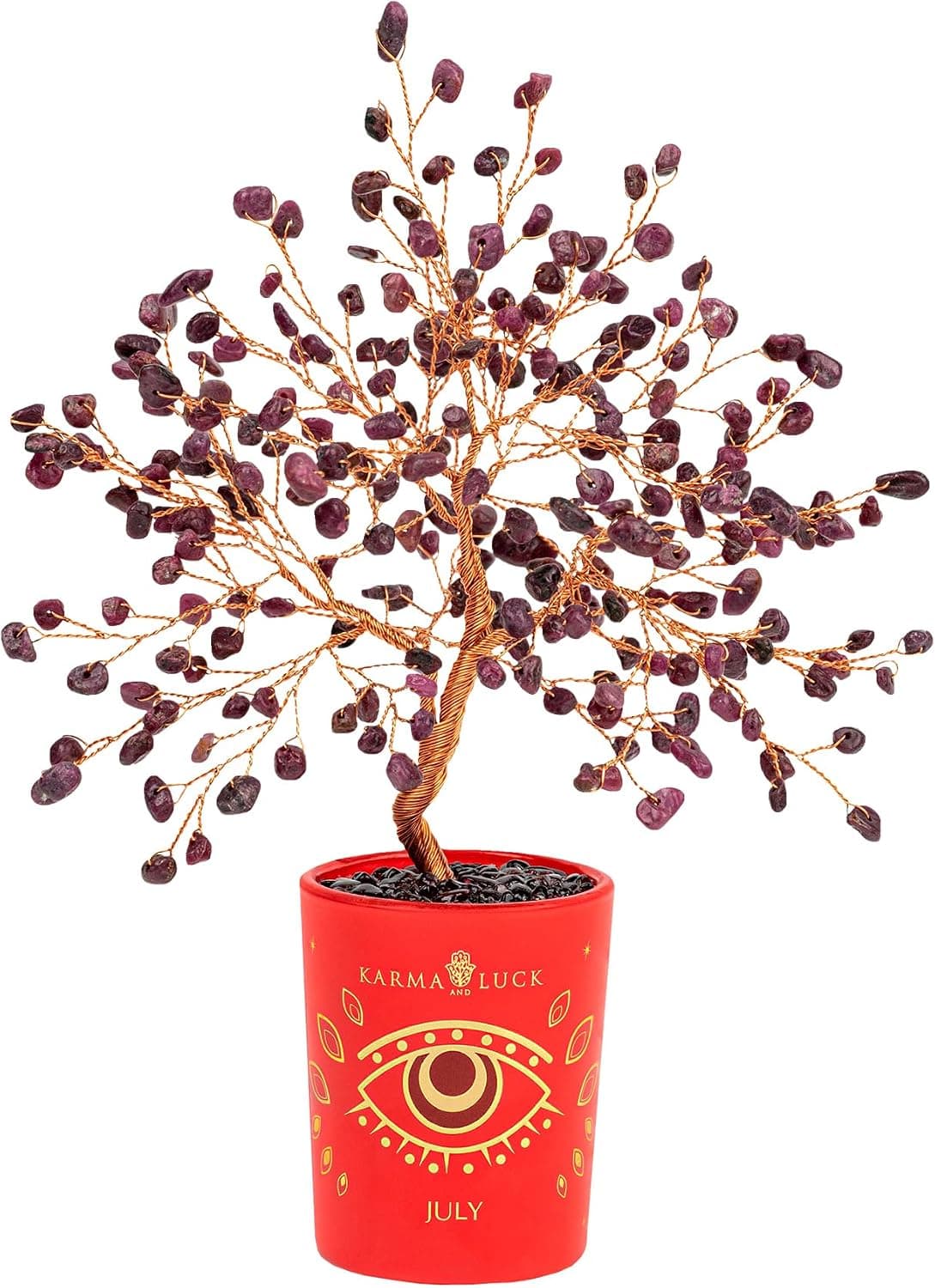 -29%
-29%Karma and Luck July Birthstone Crystal Tree of Life, Ruby Gemstone Feng Shui ...
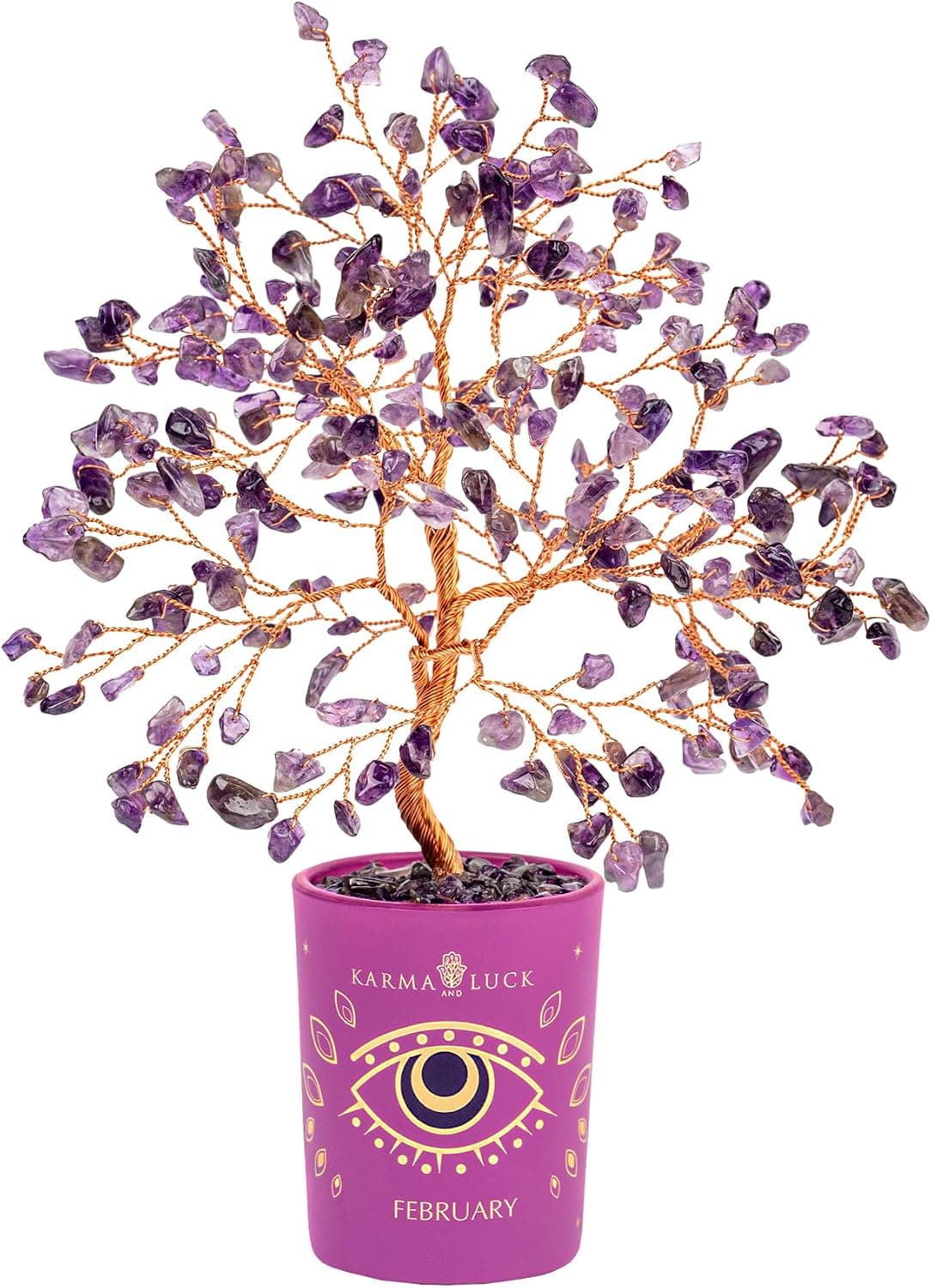 -29%
-29%Karma and Luck February Birthstone Crystal Tree of Life, Amethyst Gemstone Fe...
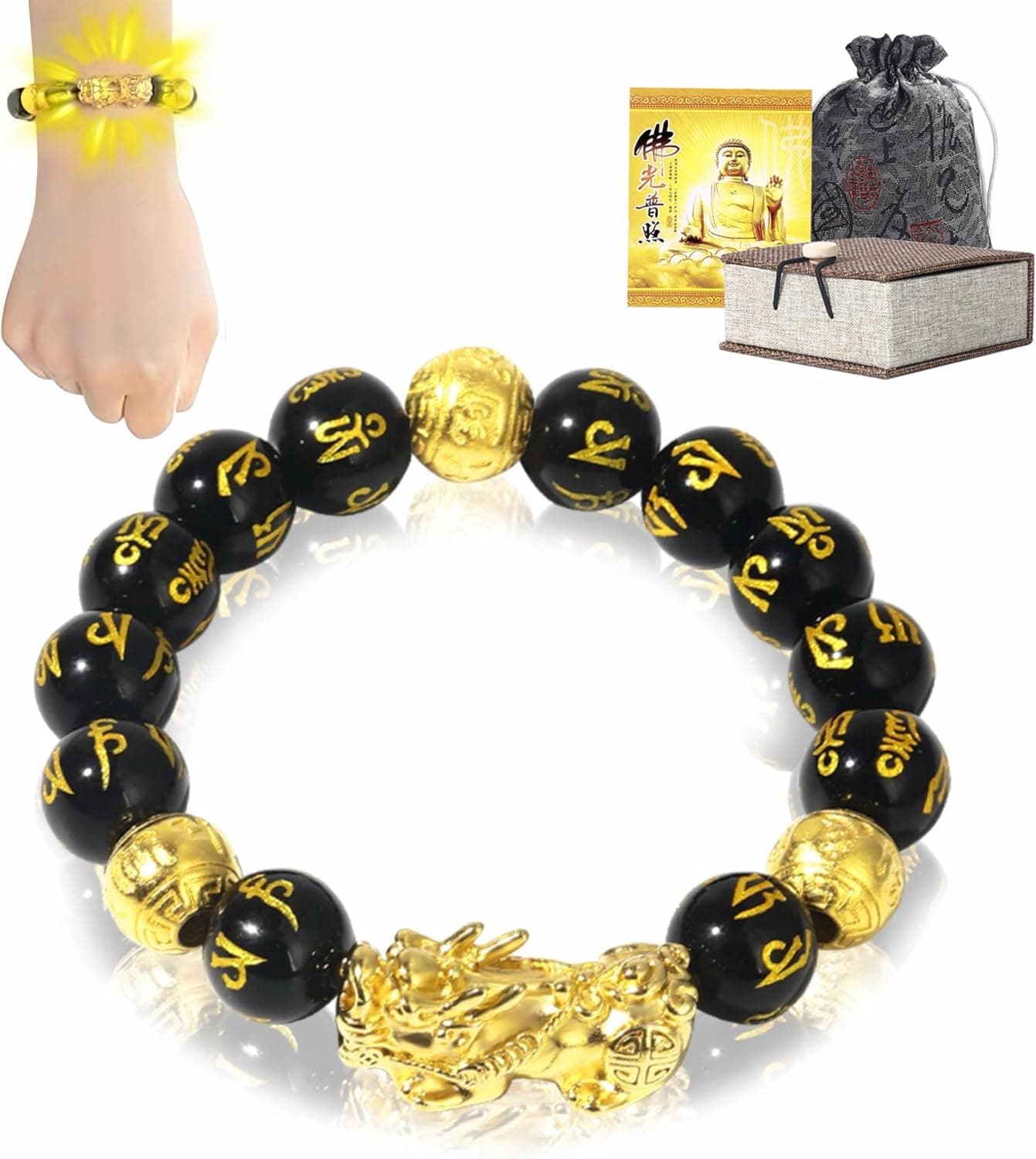 -50%
-50%biuufish Feng Shui Black Obsidian Bracelet for Men Women, 24K Gold Plated Pix...
As an Amazon Associate, we earn from qualifying purchases. We only recommend items our practitioners have personally tested.
Continue Your Journey
Explore these related guides to deepen your understanding:

Ready for Deeper Guidance?
Try our free I Ching reading for personalized wisdom, or explore our curated Feng Shui essentials.