The yarrow method looks fussy until you feel how much more texture it gives the answer.
When a reading feels too flat, this is usually why
You cast a coin reading, stare at the result, and still feel unsatisfied. The answer is clear enough, but it does not have weight. It does not ask you to slow down. That is where the yarrow stalk method earns its keep. It takes longer, asks for more attention, and rewards that attention with a feeling that many practitioners recognize immediately: the reading lands differently.
I have watched people rush through divination and then wonder why the response feels hazy. The problem is not that the oracle is silent. The problem is that the reader is still moving too fast. The yarrow approach forces a different pace, and that change alone can sharpen your awareness before the first line is even drawn.
If you are looking for a deeper relationship with the first consultation with the Book of Changes, this method is worth learning properly. Not because it is old, though it is. Not because it is mystical, though some people treat it that way. Because it trains precision. And precision matters when you are asking a text that answers through change.
One winter evening, I set up a reading in a small study for a retired architect named Martin. He had a walnut desk, a blue ceramic mug, and a stack of unpaid invoices on the right side of the blotter. He was trying to decide whether to accept a consulting job that looked profitable but felt draining. We used yarrow stalks on the desk lamp’s warm circle of light. The process took time, and that time changed him. By the third round, he had stopped fidgeting. By the end, he admitted the job was not the real question; his exhaustion was.
That is the hidden value here. The method is not just a way to generate numbers. It is a way to arrive in the room fully.
How the stalk method actually works
The classic yarrow procedure produces one line at a time, and each line is built through repeated division of stalks into two groups, then reducing the groups in a prescribed way until a count remains. The old tradition uses fifty stalks in total, though one is set aside at the start and not counted in the casting itself. What remains is worked through in three rounds to generate one line. Then you repeat the process until you have six lines for a hexagram.
The core idea is simple: the outcome is not random noise, but a structured chance process that gives slightly different weight to changing lines than coin methods do. That subtle bias is one reason many readers feel the yarrow method carries a richer texture. It does not merely tell you what is. It hints at what is becoming.
If you want a strong support article for interpretation once the hexagram appears, save a comparison of solid I Ching translations. The method matters, but so does the language you use afterward. A muddy translation can undo a careful casting.
Do not let the traditional reputation intimidate you. The mechanics are orderly. What makes it feel complex is that you cannot fake your way through it. Every motion asks for attention, and attention is part of the work.
Set up the reading before you touch the stalks
Begin with a clean surface and enough time to finish without interruption. A dining table is better than a crowded coffee table. A quiet study is better than a kitchen with the kettle boiling. You are not creating theater. You are creating conditions where your mind can settle.
Place the stalks, paper, and pen where you can reach them easily. If you are using a cloth, choose something plain. A dark red mat can feel appropriate, but avoid anything visually busy. I have seen readers scatter the stalks beside a laptop, a phone, and a half-finished snack bowl, then complain that the process felt broken. Of course it felt broken. The room was broken.
State your question clearly before you begin. Vague questions produce vague readings. "What should I know about this project?" is better than "What is my life doing?" Directness helps the oracle respond with shape.
Cast each line with patience, not drama
Take the full bundle of stalks in both hands and divide them without overthinking the split. The exact count in each hand is not chosen by logic. It is allowed to happen. That is the first discipline: you do not force the pattern. You follow it.
Move one stalk from the right-hand group aside, then divide the remaining stalks in the left and right groups according to the method you are following. Reduce each group in the prescribed four- or eight-count cycle until you reach the remainder. The details matter, but the spirit matters too: this is slow arithmetic with symbolic weight. If you are learning the procedure from scratch, a compact visual note beside you can help, but do not let reference material dominate the room.
Repeat the round three times to complete one line. Then record the result immediately. I cannot stress this enough. Do not trust memory. A reading that has to be reconstructed from guesses loses authority fast.
One line is finished when its value tells you whether it is solid, broken, and whether it is changing. A hexagram is built from six lines, moving from bottom to top. That upward build is not cosmetic. It reflects how the answer develops from foundation to expression.
For readers who want to improve the room itself before practicing, understanding a Luo Pan compass can be useful for setting up a stable reading space, though it is not required for the yarrow method. Still, location, orientation, and comfort affect concentration more than most beginners admit.
One sentence can save you hours: do not perform the casting while multitasking.
What to expect the first few times
The first few readings can feel awkward. Your fingers may hesitate. Your counts may be uneven. You may think you have ruined the result because the process did not look elegant. That worry is common, and it is usually harmless. Accuracy comes from repetition, not from performing beautifully on day one.
I have seen a teacher in a narrow apartment office with cream walls and a chipped green ashtray on the windowsill practice this method for ten evenings in a row. On the third night she kept losing track of the stalks and laughed at herself. On the eighth night she stopped asking whether she was doing it "right" and started asking better questions. Her readings became sharper after that.
The real learning curve is not technical. It is psychological. You begin to notice how impatient you are. You notice how often you want the answer before you have even finished forming the question. The method exposes that instantly. It is polite, but it is not gentle.
And that is useful. If an oracle never confronts your habits, it is only decoration.
Two mistakes that quietly wreck the reading
The first mistake is rushing the counts. If you hurry, you stop hearing the rhythm of the process and start chasing the outcome. The second is treating the procedure like a magic trick instead of a disciplined consultation. That attitude turns the whole thing into performance, which is exactly what this method refuses to become.
There is also a common temptation to keep resetting after a line feels "wrong." Do not do that. The stalks do not need your approval. If you want a deeper discussion of setup errors and ritual habits, this guide to first readings will help you avoid the most common beginner traps.
Another frequent problem is using a poor translation immediately after casting. The line may be valid, but the interpretation can go off the rails. That is one reason I recommend having your text chosen before you begin.
How to practice without making it ceremonial fluff
Start with one question a day, or even one question a week. Do not ask for entertainment. Ask only when you are willing to hear an answer that may redirect you. Keep your stalks in a cloth bag or a simple box so the materials feel respected, but do not build a shrine around them unless that genuinely supports your practice.
Use the same table for a while if you can. Familiarity helps the nervous system settle. A pine table, a white lamp, a ceramic dish for the stalks, and a notebook can be enough. You are trying to create continuity, not spectacle.
If you want to pair the practice with a more grounded environment, a brief look at practical feng shui reading for beginners can be helpful, especially if your workspace is cluttered or overlit. A clean room does not guarantee a clear answer, but a noisy room often guarantees distraction.
One sentence is enough here: the method improves when your life slows down around it.
FAQ
Do I need fifty yarrow stalks exactly? No, not for a practice session if you are learning, but the traditional count is fifty because it preserves the classic structure. Some people use substitutes, then wonder why the rhythm feels off. The count is part of the form, not an arbitrary flourish.
Is the yarrow method better than coins? Better is the wrong word. The stalk method is slower and more layered, which many readers prefer for serious questions. Coins are quicker and perfectly usable; yarrow simply invites a different quality of attention.
Can I use the method for everyday decisions? You can, but restraint improves results. Small choices like schedules and conversations are fine; asking the oracle to micromanage every lunch or email usually dulls your discernment. The point is not dependency. The point is alignment.
What if I keep making counting mistakes? Counterintuitively, that usually means you are learning the rhythm instead of memorizing it mechanically. Slow down, reset your posture, and breathe before each division. A careful mistake is easier to correct than a rushed habit.
The yarrow stalk method rewards patience, and patience is never wasted in divination. If you keep your setup simple, your question honest, and your pace steady, the process becomes less mysterious and more precise. That is the real shift.
David Liu
Traditionally informed guidance • Cross-referenced with classical Chinese source texts
Interpretations cross-referenced with the Zhouyi (周易) and Wilhelm/Baynes translation.
Practitioner-Selected Tools for This Topic
Items our team has tested and found effective for the principles discussed above. Individual results may vary.
 -20%
-20%Aquarius 12 Zodiac Challenge Coin - Twelve Constellations Aquarius Protective...
 -29%
-29%Karma and Luck March Birthstone Crystal Tree of Life, Aquamarine Gemstone Fen...
 -29%
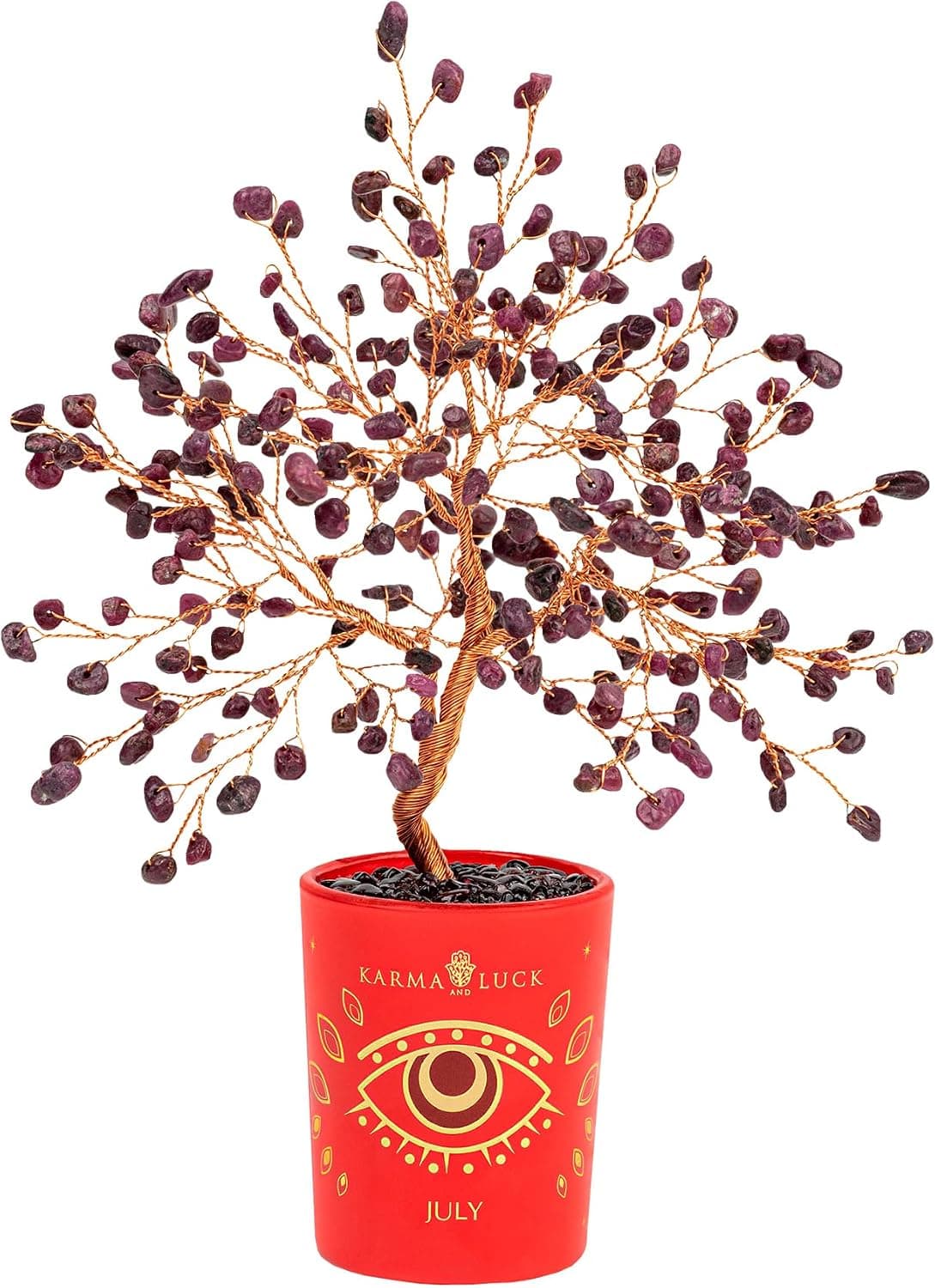
-29%Karma and Luck July Birthstone Crystal Tree of Life, Ruby Gemstone Feng Shui ...
 -29%
-29%Karma and Luck February Birthstone Crystal Tree of Life, Amethyst Gemstone Fe...
As an Amazon Associate, we earn from qualifying purchases. We only recommend items our practitioners have personally tested.
Continue Your Journey
Explore these related guides to deepen your understanding:

The I Ching Doesn't Answer Lazy Questions — Here's What to Ask Instead
8 min readConfucian Commentary Turns the I Ching Into a Moral Floor Plan
9 min readBroken Lines, Solid Lines, and the Real Yin-Yang Logic of the I Ching
11 min readThe Wilhelm I Ching Feels Deep Because It Slows Your Reading
11 min readReady for Deeper Guidance?
Try our free I Ching reading for personalized wisdom, or explore our curated Feng Shui essentials.