The yarrow stalk method slows interpretation on purpose, because balance in the numbers changes how the answer lands.
Why the stalks feel slower the moment you lay them out
The first thing people notice is not the answer. It is the pace. A dark tabletop, a small bowl, fifty dry stalks brushing together with a faint rustle, and suddenly the room feels quieter than before. That change matters because the method is designed to pull you out of reflex and into attention.
I have seen readers clear a kitchen table so thoroughly that it stops behaving like a place for mail and mugs and starts acting like a threshold. That is the right feeling. You are not decorating a corner. You are creating a boundary between ordinary movement and focused inquiry, and the stalks make that boundary visible.
That slower pace is not a flaw in the I Ching tradition. It is the mechanism. When the hands have to move, separate, count, return, and divide again, the body has to cooperate with the mind, and that cooperation changes how the question is held.
The common mistake is to treat the process as a clumsy old version of coin tossing. It is not. It is a different kind of attention, built on balance, repetition, and the repeated crossing of a small threshold.
And that threshold is the whole point.
The 50 stalks, the split, and the counting that builds the answer
You begin with fifty stalks, though one is removed before the main work begins, leaving forty-nine in play. That number is not decorative. It sets up the method’s basic tension between wholeness and remainder: one total becomes available for division, but it never stops being understood as a single whole.
From there, the stalks are split by hand into two uneven groups. The unevenness is important, because the method is not trying to force symmetry; it is letting symmetry emerge through procedure. From one group, a small bundle is taken away and held aside, and the leftover stalks are then counted in fours. Those four-stalk counts are what turn the physical action into a number the reader can use.
The exact motions matter less than the logic they create: divide, remove, count, recombine. Each round narrows the total in a controlled way, so the answer is not guessed but accumulated step by step. The stalks move from one hand to another and back again before separating once more, and that repeated cycling gives the reading its rhythm and prevents it from feeling arbitrary.
Each round yields a numerical result that contributes to a line value, usually six, seven, eight, or nine. Those values correspond to old and young yin and yang lines, which is where the philosophy of balance becomes practical rather than abstract. The method does not simply ask, “What happens?” It asks, “What is active, what is receptive, and what is changing?”
That distinction is why many Western readers feel a surprising seriousness the first time they use stalks. The process is not quick enough to let the ego sprint ahead of the result. You have time to notice hesitation, and that hesitation is useful because it softens the urge to force a meaning too soon.
In architectural terms, each split functions like a doorway. One whole becomes two parts, then one part becomes several smaller measures, and meaning appears through proportion rather than excess. The structure teaches balance by making reduction feel orderly instead of destructive.
Balance in the numbers is where the method becomes legible
The numbers are not random decoration around a mystical core. They are the core. Six is old yin, eight is young yin, seven is young yang, and nine is old yang. The line values matter because they tell you not only what energy is present, but whether it is stable or in motion.
That is a different philosophy from merely asking for a yes-or-no answer. A changing line says the situation is alive. It is already moving toward its opposite or its next form, which is why the I Ching speaks so often in the language of transition, complement, and reversal.
People often think balance means equal halves. It does not. Balance in this system is dynamic, because one side is not erased by the other; it is held in relation. That is why the stalk method feels more nuanced than a binary toss. It honors the fact that life changes by degrees, not by slogans.
The counted subsets reinforce that idea. A full set becomes a lesser set, then a line, then a hexagram. The same pattern repeats across scales, and that repetition creates confidence because the reader sees order emerge from apparent randomness. In psychology, repetition can calm anxiety because it makes the process feel stable and predictable, even when the answer is not.
That is also why I caution beginners not to rush through the arithmetic. The counting is not bureaucracy. It is part of the message.
For readers who want the broader philosophical frame, the language of yin and yang helps explain why a line can be active yet changing, receptive yet not passive.
How this old practice moves through a modern room
The cultural history matters because the method did not arise as a party trick or a randomizer. It belongs to a worldview in which order is discovered through disciplined attention to relationship, not imposed by force. That is one reason the yarrow stalk approach still resonates: it asks the reader to meet the question with patience.
Use any sturdy table that can serve as a ritual surface. Clear it. The surface should feel like a threshold space, not a storage shelf. Put away the laptop, the receipts, the coffee cup with the lipstick mark. When clutter stays in view, the mind keeps one foot in errands and another in reflection, and the reading loses some of its depth.
A beginner standing over a small bowl of pale stalks against a dark cloth will often feel a shift before the first split. The contrast sharpens attention. The hands notice texture. The eyes notice proportion. The room feels larger because a pause has entered it.
That pause is not empty time. It is part of the architecture of the ritual. Each division marks a transition in structure and meaning, so the room, the hands, and the counting all participate in the reading. I have watched people become less anxious simply because the sequence gave them something exact to do with uncertainty.
If you want a practical comparison point, think of a reading as an inquiry drawn through layers. The stalks do not shout. They narrow the field gradually, and that narrowing is what gives the answer its weight.
The emotional texture of the ritual changes how interpretation lands
There is a reason some people prefer yarrow even after they learn how much faster coins are. Coins give speed. Yarrow gives pacing. Speed is useful when you need a quick consultation, but pacing is useful when you need to sit with a difficult question and let your first impulse settle before you name it as truth.
A beginner may finish a coin reading in a few minutes and feel relieved. The same beginner may spend much longer with stalks and come away less certain in the moment but more thoughtful afterward. That difference is not cosmetic. The ritual pacing can shape interpretation by slowing cognitive shortcuts and making the reader more open to nuance.
The tactile separation matters too. Dry stalks brushing together leave memory anchors in the hands, and those anchors help the experience stick. The body remembers sequence more easily than abstraction, so the reading becomes easier to revisit later when the hexagram’s message needs reflection.
That is where psychology and Chinese metaphysics meet cleanly. Repetition builds habit, and habit reduces friction. A stable method feels trustworthy because the body learns the pattern, and once the body trusts the pattern, the mind stops scanning for novelty and starts listening for meaning.
For many readers, that is the real reason the method remains alive. It is not nostalgia. It is the way the method trains attention.
If you want to think about how a line changes shape within a broader pattern, Hexagram 31 and influence is a strong companion reading because it shows how subtle force works without pressure.
What to do step by step without turning it into a performance
Start with a question that is specific enough to answer but not so narrow that it traps you. “What should I do with my job?” is usually too broad. “What is the best attitude to bring to the next conversation about my role?” gives the oracle something workable. The method responds best when the question invites clarity rather than control.
Hold the stalks in both hands, breathe once or twice, and let the sequence begin. Split the bundle. Move one group aside. Take a small set from one side and place it between the ring and little finger of the opposite hand. Count what remains in fours. Return the counted bundles to the table or your resting hand in the order your method calls for. Then repeat. The exact traditional choreography matters less than keeping the same sequence every time, because consistency trains the ritual and lowers confusion.
Do not treat a mistake as a ruined reading. If you lose count, pause, reset, and begin that round again. The method rewards steadiness, not speed. That is why many practitioners keep the space simple: one cloth, one bowl, one question, no interruptions. The more the environment supports concentration, the less likely the mind is to drift into performance.
A useful modern adaptation is to keep your stalks in a small wooden box or cloth wrap and store them where they will not get bent or scattered. Handle them gently. The physical condition of the tools matters because clean, repeatable handling supports repeatable attention. People underestimate this, then wonder why their readings feel messy.
One more practical point: if you are learning, practice the counting before you begin a serious question. A dry rehearsal makes the real session calmer because your hands already know the route.
When readers ask me whether they need perfect historical authenticity before they can begin, I say no. You need respect, consistency, and a willingness to let the process slow you down.
Coins are faster, but faster is not always better
Coins are excellent for accessibility. They are easy to carry, easy to explain, and easy to repeat. A yarrow reading asks more of you because it unfolds in deliberate stages, making patience part of the message. That is why many beginners feel the difference immediately: the method does not merely deliver an answer, it changes the condition in which the answer is received.
If your life is already noisy, coins may be the better entry point on some days. If your question is layered, emotionally charged, or likely to trigger quick assumptions, stalks may serve you better because they slow the mind enough to notice contradiction and movement.
That is the part people resist. They want certainty on demand. The stalk method does something less convenient and more useful: it creates a disciplined pause, then returns a structured image of the moment. The result is not magic in the cartoon sense. It is a patterned reflection shaped by balance, proportion, and timing.
You do not need to choose forever. Many practitioners keep both methods available and use the one that fits the question. But if you want to understand the older method on its own terms, stop comparing it to coins as though efficiency were the highest virtue. Sometimes the slower tool tells the cleaner truth because it leaves less room for self-deception.
If you are just beginning, your first I Ching reading will feel easier once you accept that the ritual is part of the answer, not just the delivery system.
And if you later want a more personal reading experience, an I Ching consultation can help you hear how the method functions when the question is too tangled to hold alone.
FAQs
Is the yarrow stalk method better than coins?
Not inherently. It is slower, more tactile, and more structured, which makes it better for readers who want depth and pacing. Coins are simpler and more portable, so they are often easier for beginners on a practical level.
Do I need real yarrow stalks?
Real yarrow is traditional, but the quality of your attention matters more than botanical purity. A clean, consistent set of stalks is usually enough, as long as you handle them respectfully and use the same method each time.
How long does one reading take?
Usually longer than a coin reading, sometimes much longer when you are learning. That extra time is part of the design because it gives the mind room to settle and reduces impulsive interpretation.
What if my result feels confusing?
That is normal, and it often means the question needs more precision or the hexagram is pointing to a transition rather than a simple answer. Surprise fact: many of the most useful readings feel unclear at first because they reveal motion, not closure.
David Liu
Traditionally informed guidance • Cross-referenced with classical Chinese source texts
Interpretations cross-referenced with the Zhouyi (周易) and Wilhelm/Baynes translation.
Practitioner-Selected Tools for This Topic
Items our team has tested and found effective for the principles discussed above. Individual results may vary.
 -20%
-20%Aquarius 12 Zodiac Challenge Coin - Twelve Constellations Aquarius Protective...
 -29%
-29%Karma and Luck March Birthstone Crystal Tree of Life, Aquamarine Gemstone Fen...
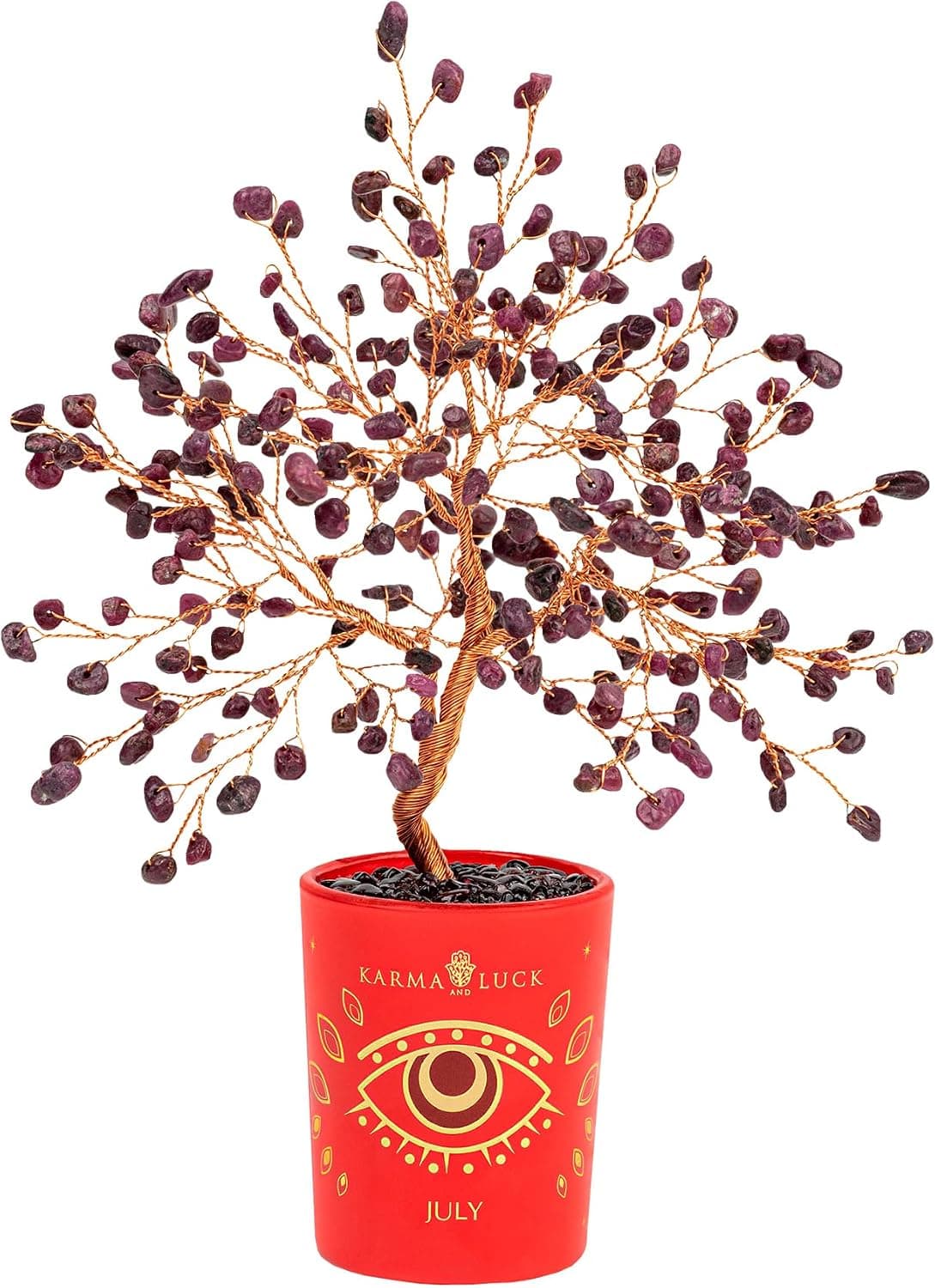 -29%
-29%Karma and Luck July Birthstone Crystal Tree of Life, Ruby Gemstone Feng Shui ...
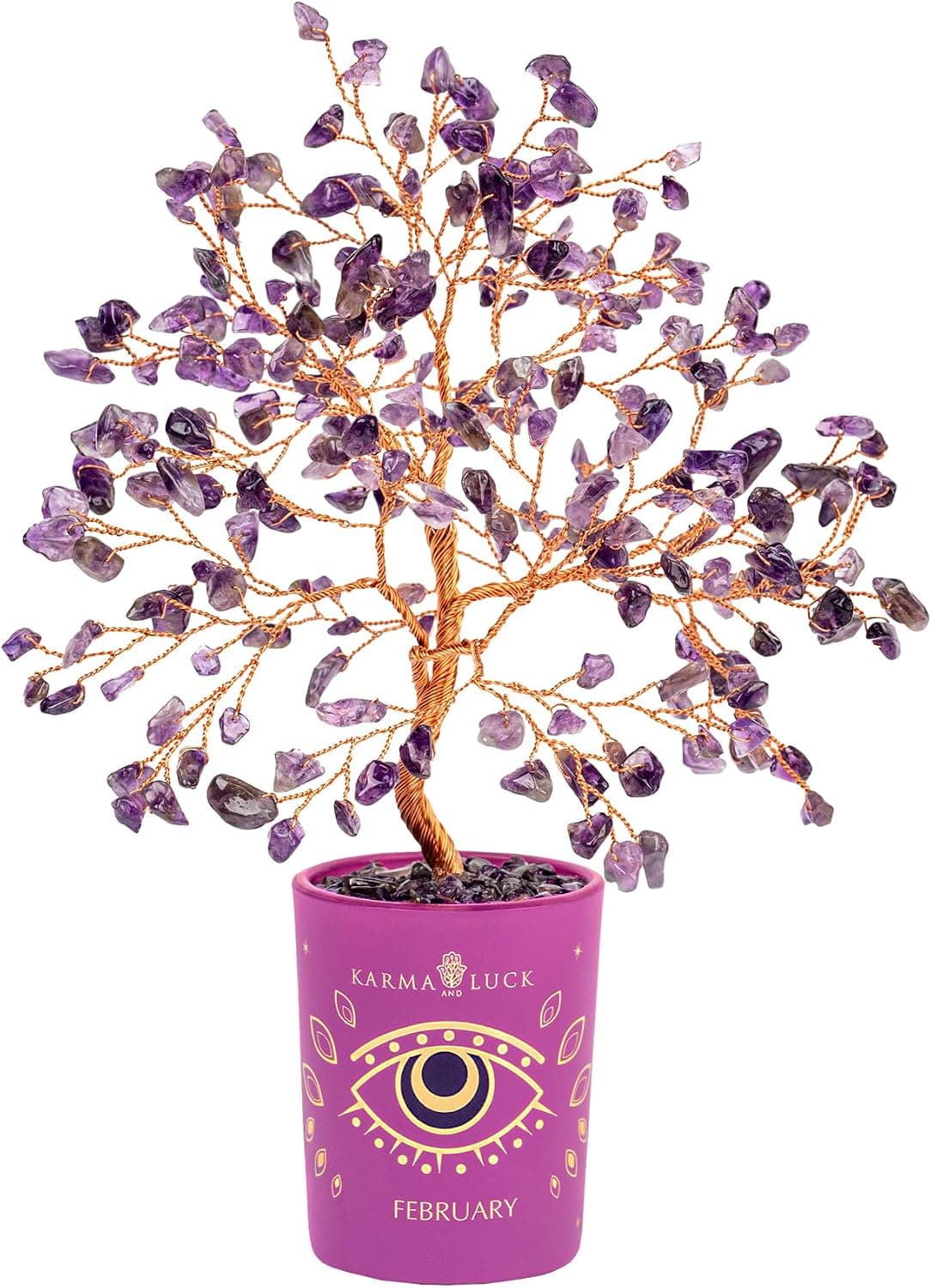 -29%
-29%Karma and Luck February Birthstone Crystal Tree of Life, Amethyst Gemstone Fe...
As an Amazon Associate, we earn from qualifying purchases. We only recommend items our practitioners have personally tested.
Continue Your Journey
Explore these related guides to deepen your understanding:

The I Ching Doesn't Answer Lazy Questions — Here's What to Ask Instead
8 min readConfucian Commentary Turns the I Ching Into a Moral Floor Plan
9 min readBroken Lines, Solid Lines, and the Real Yin-Yang Logic of the I Ching
11 min readThe Wilhelm I Ching Feels Deep Because It Slows Your Reading
11 min readReady for Deeper Guidance?
Try our free I Ching reading for personalized wisdom, or explore our curated Feng Shui essentials.