The I Ching does not hand you a magic answer; it turns chaos into a shape you can think with.
When every option feels heavy, the I Ching gives the mind a frame
A woman sits at a kitchen table with two job offers open beside a mug gone cold. One role pays more; the other looks safer on paper, but both feel loaded with consequences she cannot quite name. That is the moment many people reach for the I Ching: not because they want theater, but because they need a way to stop circling the same fear.
The real problem is not ignorance. It is decision paralysis. When the stakes feel personal, the mind keeps replaying the same arguments because each option carries emotional cost, social pressure, and imagined regret. The oracle interrupts that loop by forcing a single, structured question, and that matters because structure changes attention.
People often ask how a first I Ching reading unfolds because they expect a verdict. What they usually get instead is a disciplined mirror. The clink of coins, the pause between throws, the slow build of six lines on paper, all of it slows the nervous system enough for the question to become visible.
I have seen this happen in a quiet dining room with a notebook, three old coins, and enough tension to fill the whole house. The person asking did not need a prophecy. He needed to hear his own assumptions in a form he could finally look at without flinching.
From oracle bones to philosophy, the Book of Changes kept changing
The I Ching did not begin as a philosophy book. It began as a divination practice tied to concrete decisions: harvests, travel, alliance, war, and the danger of acting at the wrong moment. In that setting, the point was not abstract wisdom but practical timing. Over time, however, people kept returning to the same figures and seeing something more than prediction in them: recurring patterns of pressure, restraint, growth, and reversal. That is how a ritual tool slowly became a theory of change.
Its earliest layer was closely linked to oracle bones and statecraft, where rulers wanted guidance on whether an action would succeed. Later scholars re-read the same material through philosophy, ethics, and self-cultivation. The reason the text could make that journey is simple: once you start asking what a pattern means, you also start asking why it repeats, when it shifts, and what response fits the moment. Those are philosophical questions built on a divination method.
This evolution matters because it explains the book’s unusual range. A fortune-telling manual usually aims at outcomes. The Book of Changes focuses on conditions. It asks what is taking shape, what is becoming unstable, and what kind of response is appropriate to the state of the moment. That makes the text less like a forecast and more like a map of movement.
That is also why the book feels both ancient and immediate. Ancient, because its roots are in ritual consultation. Immediate, because the underlying problem has not changed: people still need help deciding how to act when the future is not visible. The I Ching survives because it does not freeze change into a doctrine; it keeps changing with the questions people bring to it.
This is where many Western readers get surprised. They expect a yes or no. Instead, they get a description of conditions. That is a different kind of intelligence, and frankly a more useful one when life refuses to cooperate with binaries.
Yin and yang are not moral labels; they are the logic of movement
To understand the I Ching, you have to stop treating yin and yang like good and bad. They are complementary forces, not heroes and villains. One gathers, one expands. One receives, one expresses. One slows, one pushes. Together they describe how any situation develops.
What matters is not which side is “better,” but how each side becomes necessary at a different stage of the process. Growth often begins with receptive listening before it becomes outward action. Clarity often appears after delay, not before it. In that sense, yin and yang are less like opposing camps and more like phases in a cycle. The book is tracking motion, not judging character.
That framing is close to behavioral science. People rarely change because they received a perfect answer; they change because a new frame interrupts habit. The oracle does that by turning diffuse anxiety into a shape, and shapes are easier to inspect than feelings drifting in the dark.
When a reading points to imbalance, it is not condemning you. It is identifying which condition is overactive and which has been neglected. A project may be over-yang: too much pushing, not enough review. A relationship may be under-yin: not enough listening, too much assertion. That is why yin-yang language appears so often in Chinese thought and why it still helps modern readers think in terms of tradeoffs instead of winners and losers.
The deeper meaning of yin and yang becomes clearer when you watch a real decision unfold. A person may think, “I need certainty,” when what they actually need is a better rhythm: more listening, less forcing; more delay, less panic; more context, less impulse.
Complementary forces in Chinese metaphysics are not abstract poetry. They are a model of how life works when conditions shift faster than preferences. That is why the I Ching can feel unnervingly accurate without pretending to be mechanical.
David Liu
Traditionally informed guidance • Cross-referenced with classical Chinese source texts
Interpretations cross-referenced with the Zhouyi (周易) and Wilhelm/Baynes translation.
Practitioner-Selected Tools for This Topic
Items our team has tested and found effective for the principles discussed above. Individual results may vary.
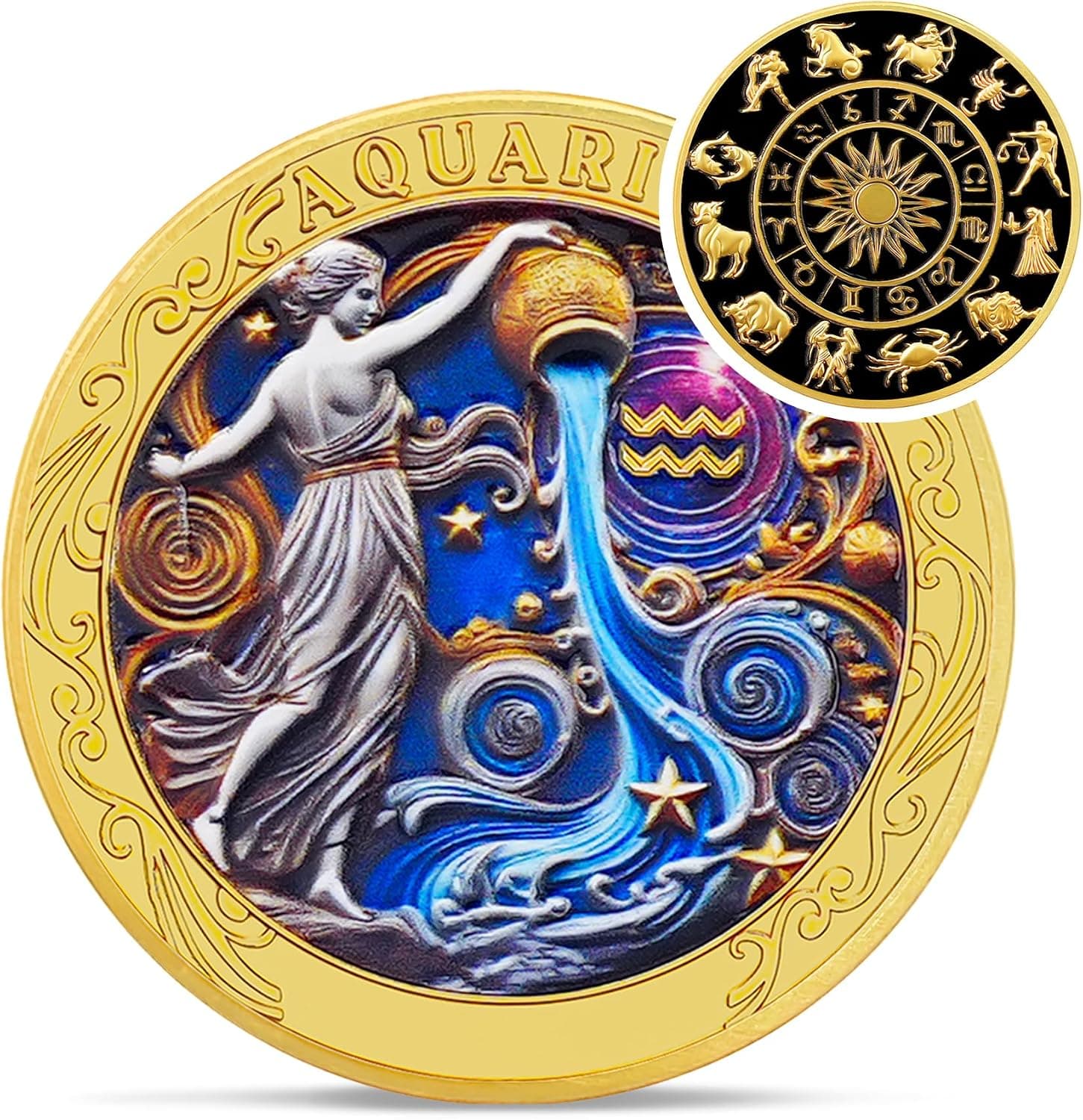 -20%
-20%Aquarius 12 Zodiac Challenge Coin - Twelve Constellations Aquarius Protective...
 -29%
-29%Karma and Luck March Birthstone Crystal Tree of Life, Aquamarine Gemstone Fen...
 -29%
-29%Karma and Luck July Birthstone Crystal Tree of Life, Ruby Gemstone Feng Shui ...
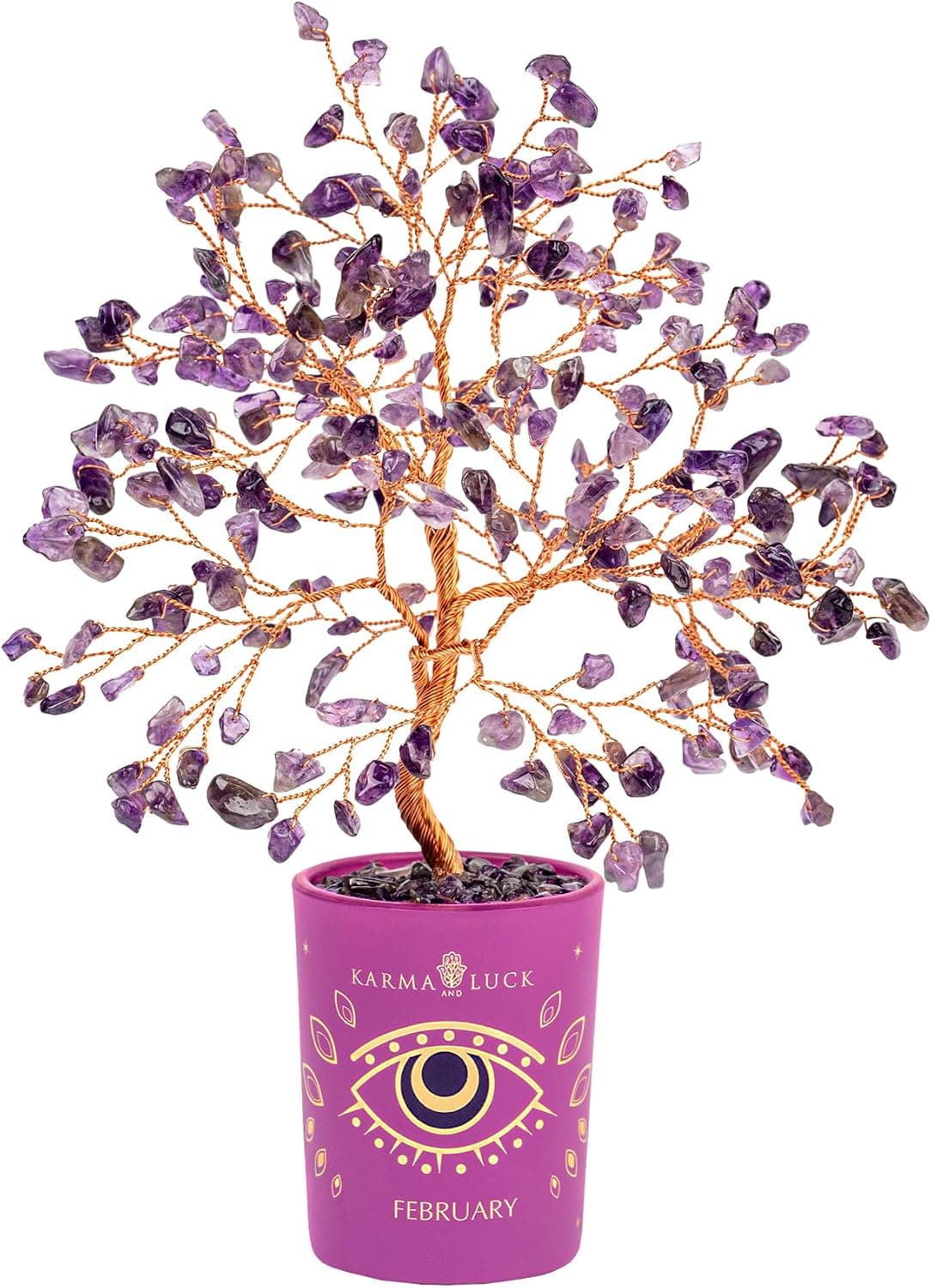 -29%
-29%Karma and Luck February Birthstone Crystal Tree of Life, Amethyst Gemstone Fe...
As an Amazon Associate, we earn from qualifying purchases. We only recommend items our practitioners have personally tested.
Continue Your Journey
Explore these related guides to deepen your understanding:

The I Ching Doesn't Answer Lazy Questions — Here's What to Ask Instead
8 min readConfucian Commentary Turns the I Ching Into a Moral Floor Plan
9 min readBroken Lines, Solid Lines, and the Real Yin-Yang Logic of the I Ching
11 min readThe Wilhelm I Ching Feels Deep Because It Slows Your Reading
11 min readReady for Deeper Guidance?
Try our free I Ching reading for personalized wisdom, or explore our curated Feng Shui essentials.