Tarot and the I Ching solve different problems. Pick the wrong one, and you get a flashy answer to a quiet question.
When the question keeps changing, the method matters
I once watched a software designer lay three tarot cards on a black coffee table in her office and frown harder after every draw. The room was neat: white desk, blue mug, laptop open to a half-finished proposal. She wanted one thing—a clear yes or no about whether to leave her job—but the cards kept speaking in layers, not commands. By the time she asked me if she should “pull again for a better answer,” I could see the real issue. Her question was not ready for tarot, and she was using it like a machine that spits out certainty.
That is where people get tangled. They ask their first I Ching reading or a tarot spread as if both tools are interchangeable. They are not. One tool tends to clarify a situation by tracing patterns and timing. The other often speaks through images, symbols, and personal confrontation. If you are trying to decide i ching vs tarot which is better, start with something simpler: what kind of truth can you actually handle right now?
Not every question wants a symbol. Not every question wants a hexagram. And that is the part many beginners miss.
The real difference is not mysticism. It is structure.
The I Ching is brutally elegant. You ask, you cast, and you receive a changing pattern that points to the movement inside the situation. It is especially useful when life feels unstable but not yet visible to other people. A promotion decision, a family tension, a property purchase, a timing issue—these are I Ching questions because the book speaks in process, not performance. It does not flatter you. Good. You need that sometimes.
Tarot works differently. Tarot is often faster at surfacing psychology, tension, desire, fear, and the story you keep telling yourself. It can expose the emotional machinery under a decision with startling precision. A single card can feel like a mirror held too close. If you need language for a complex inner state, tarot can be excellent. If you need to understand the current of a situation across time, the I Ching often has the edge.
That is why I do not frame this as i ching vs tarot which is better in the abstract. Better for what? Better for a grieving parent? Better for a stalled business? Better for a person who keeps asking the same question because they secretly want permission? The method is only “better” when it fits the shape of the problem.
One more thing: I have seen people use tarot to avoid accountability. They keep pulling cards until the answer sounds soothing. I have also seen people use the I Ching as a shield against feeling anything at all, as if a hexagram can do the emotional work for them. Both tools can be abused. Neither one is magic theater if you use it with discipline.
Choose by the type of question, not by your favorite aesthetic
If your question is immediate and emotional—Should I text him tonight? Why did that conversation hurt so much? What am I refusing to admit?—tarot usually has more to say. It moves through image, mood, and narrative, so it catches what is already alive in the psyche. For people who think in scenes, symbols, and emotional snapshots, that can be a relief. For people who want a clean sentence, it can feel messy. That mess is not always a flaw.
If your question is about sequence, consequence, or timing—Is this the right phase to launch? What happens if I wait? What if I push now?—the I Ching is often the more exact instrument. It describes transformation as a living process, which is why it can feel eerily specific when used well. A hexagram can tell you that the problem is not the goal itself but the way you are approaching it, or that patience will do more than force. That kind of correction saves time.
Some readers prefer one system because they want consistency. Fair enough. Still, consistency is not the same as accuracy. I have seen a designer in Portland get nowhere with repeated tarot pulls about a lease, then finally get a sharp, useful answer from the I Ching that told her the timing was premature. Three weeks later the landlord changed the terms. She would have signed too early. That reading saved her from an expensive mistake, not because the I Ching was “more powerful,” but because the question was about timing.
There is a cleaner way to decide than arguing online about i ching vs tarot which is better. Ask yourself whether you need diagnosis or dialogue. Tarot often diagnoses the inner state with vividness. The I Ching often dialogues with the pattern already unfolding around you. Different jobs. Different tools.
How to use each method without muddying the response
Begin by shrinking the question. A vague question produces a vague answer, and divination punishes vagueness with style. Instead of asking whether your whole life is on track, ask what part of the situation is asking for attention now. Instead of asking whether a person is “right for you,” ask what dynamic is actually operating between you. The smaller the target, the sharper the reading.
Then choose the tool that matches your state. If you are emotionally flooded, tarot can amplify noise unless you are disciplined. If you are overthinking, the I Ching can cut through mental clutter with almost rude precision. The best readers I know do not treat these systems like rival sports teams. They use them as different lenses. One lens for feeling. One for movement. Sometimes both, but not at the same moment.
Keep a record. That sounds boring, and it is exactly why it works. Write the question, the date, the method, the response, and the result two weeks later. This will teach you more than a thousand opinions from people who have never tracked their own readings. Over time, you will see which system gives you usable feedback and which one you only like because it confirms your mood.
I walked into a guest bedroom once in a narrow brick house in Chicago where a graduate student had pinned tarot cards above a mirror and left an open I Ching book on the nightstand. The room had dark green walls, a small brass lamp, and one very honest problem: she was asking both systems the same question every night. Nothing changed except her anxiety. Once she stopped repeating the question and used tarot for emotional clarity and the I Ching for timing, she made a decision within a week. Not because the universe got louder. Because she got more precise.
That is the point. Divination works better when the human being gets quieter and more exact. Amazing how often that surprise is the whole lesson.
Common mistakes that make both systems look unreliable
The first mistake is treating a reading like a verdict. It is not a courtroom sentence. A reading is feedback, and feedback can be acted on, ignored, or tested. If you demand finality from a symbolic system, you will resent it for failing to behave like a spreadsheet.
The second mistake is mixing questions until the meaning dissolves. You can absolutely compare systems, but do not run tarot for one angle, the I Ching for another, then ask your friend what they think, then ask again tomorrow. That habit creates static. If you need a method for comparing interpretations, read different I Ching translations side by side so you can see how wording shapes meaning without changing the question itself.
People also make the mistake of assuming that one tool is always “more spiritual.” That is sentimental nonsense. A sharp tarot reading can be deeply spiritual. A plain I Ching answer can be deeply psychological. Spirit is not measured by velvet pouches and candlelight. Results matter more than mood.
If you want a cleaner practice, choose one system for a month and stay honest about outcomes. That is where the real comparison lives.
So which one should you start with?
If you want a method that helps you understand feelings, motives, and the story underneath the story, start with tarot. If you want a method that reveals timing, movement, and the shape of change itself, start with the I Ching. If your life is a fog of half-made decisions, the I Ching often cuts straighter. If your heart is noisy, tarot often names the noise.
That does not mean one is superior in every case. It means each one has a different kind of honesty. I have seen people fall in love with the wrong system because it was prettier, more familiar, or easier to post online. Then they wonder why the readings never land. Beauty is not accuracy. Popularity is not skill.
When you are ready to practice seriously, start with the question that is most alive and least inflated. Use one tool. Record the result. Revisit it after the situation develops. That simple discipline will tell you more than endless debate about i ching vs tarot which is better. The answer is not universal. It is situational.
FAQ
Can I use both tarot and the I Ching for the same situation?
You can, but not carelessly. Use one to clarify the emotional landscape and the other to examine timing or movement. If both are asked in a frantic loop, they will just mirror the chaos back at you.
Which one is better for beginners?
Tarot is often easier to start with because the images are immediate and memorable. The I Ching can feel more abstract at first, though a strong translation helps a lot. For a first reading, choosing the right translation matters more than people admit.
What if I keep getting answers I do not like?
That usually means the question is not as clean as you think, or the answer is pointing to something you would rather avoid. The uncomfortable reading is often the useful one. A pleasant answer is not automatically a truthful one.
Should I trust one system more than the other?
Trust the one that produces clear, repeatable, useful guidance for your actual life. Some people find tarot more intuitive; others find the I Ching more stable and precise. The better test is whether the reading helps you act wisely after the moment has passed.
David Liu
Traditionally informed guidance • Cross-referenced with classical Chinese source texts
Interpretations cross-referenced with the Zhouyi (周易) and Wilhelm/Baynes translation.
Practitioner-Selected Tools for This Topic
Items our team has tested and found effective for the principles discussed above. Individual results may vary.
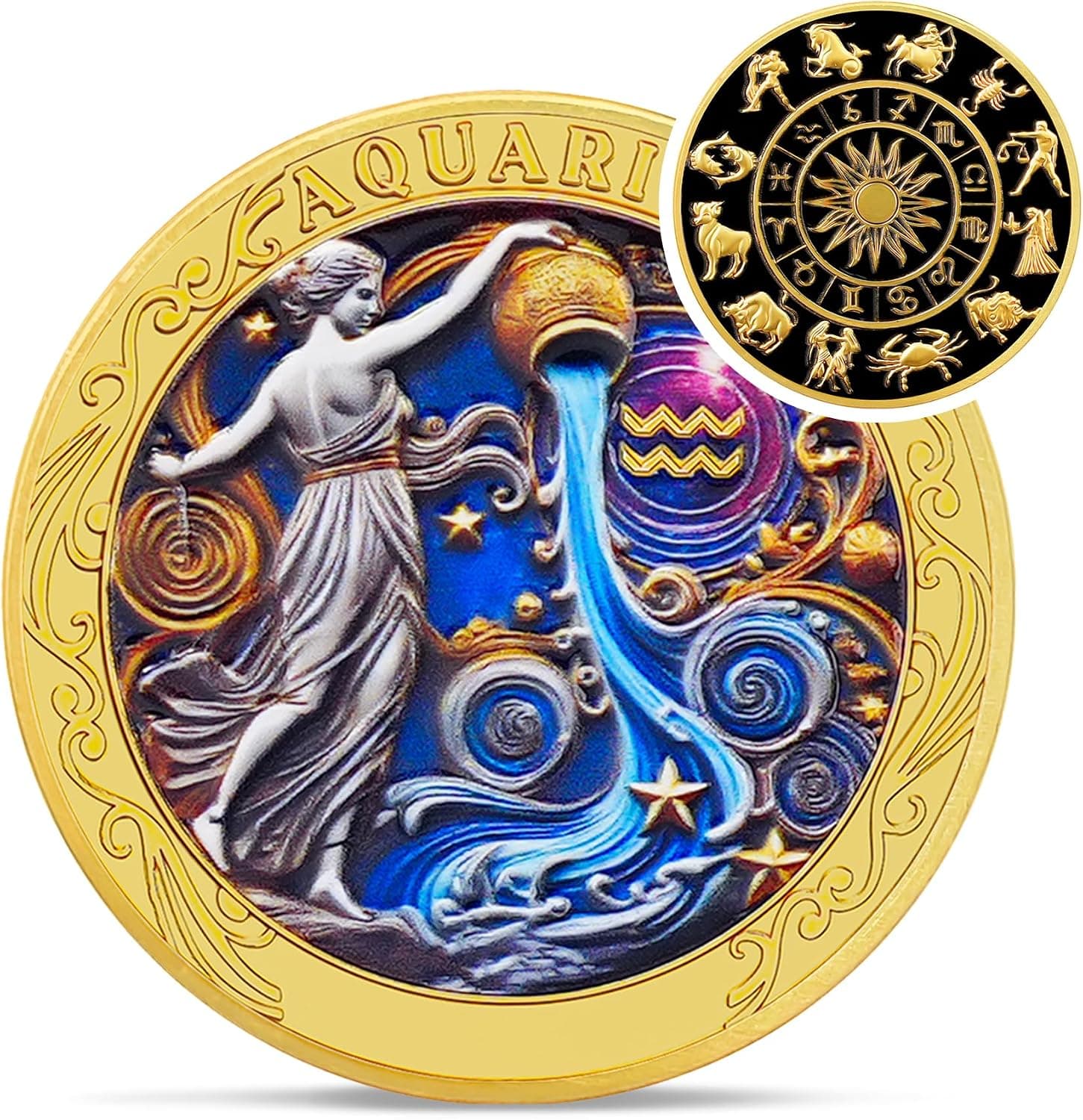 -20%
-20%Aquarius 12 Zodiac Challenge Coin - Twelve Constellations Aquarius Protective...
 -29%
-29%Karma and Luck March Birthstone Crystal Tree of Life, Aquamarine Gemstone Fen...
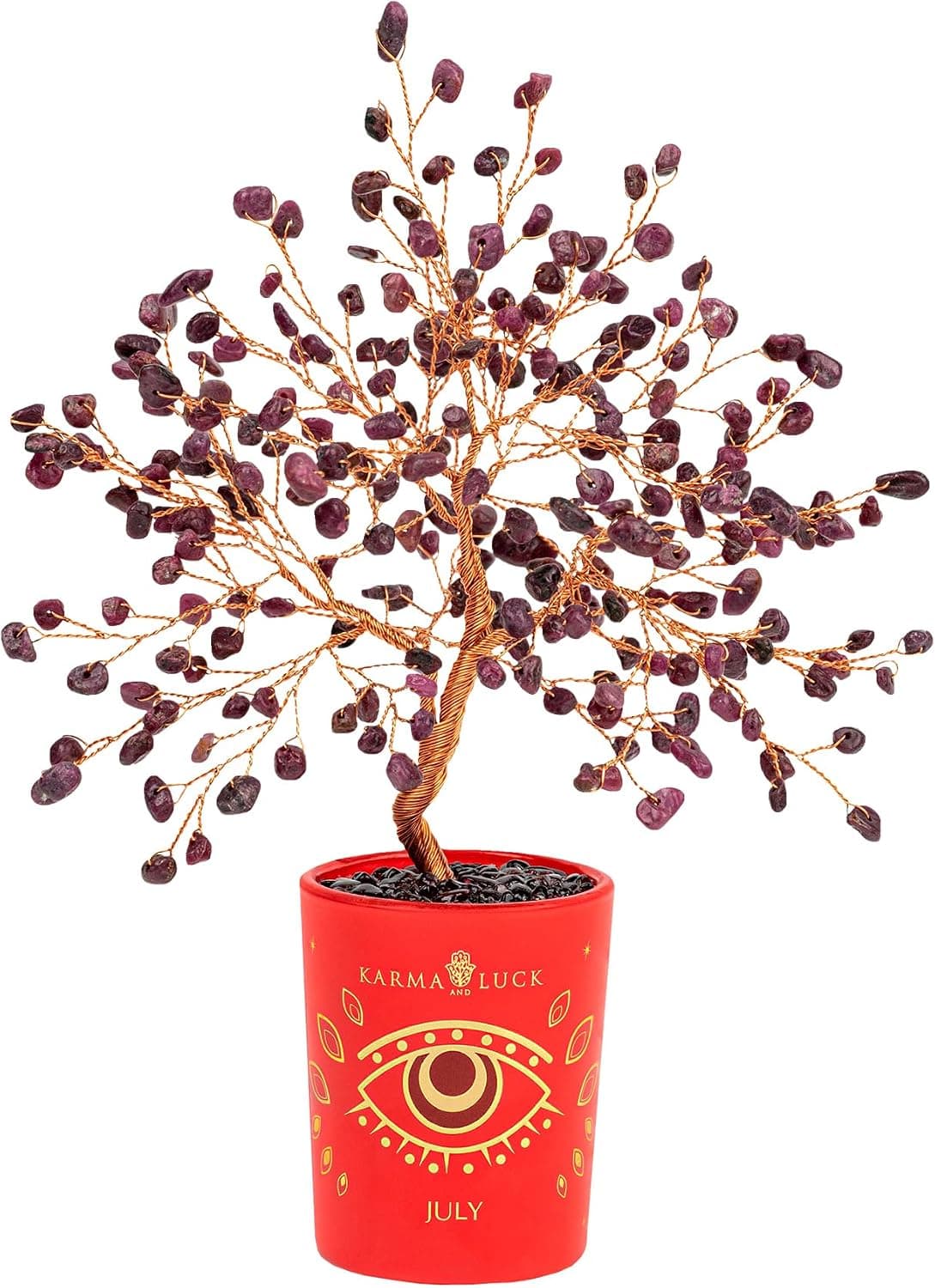 -29%
-29%Karma and Luck July Birthstone Crystal Tree of Life, Ruby Gemstone Feng Shui ...
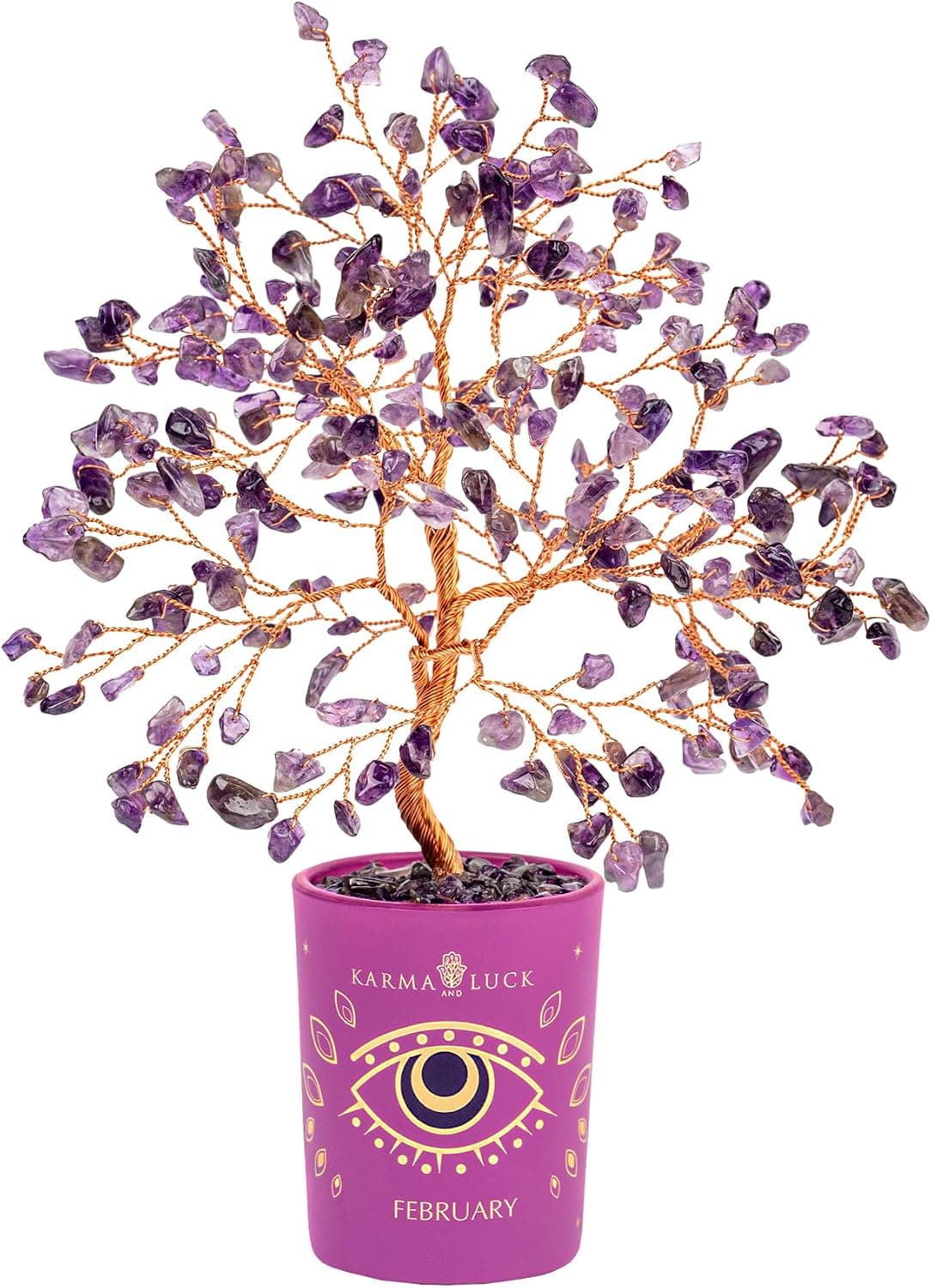 -29%
-29%Karma and Luck February Birthstone Crystal Tree of Life, Amethyst Gemstone Fe...
As an Amazon Associate, we earn from qualifying purchases. We only recommend items our practitioners have personally tested.
Continue Your Journey
Explore these related guides to deepen your understanding:

The I Ching Doesn't Answer Lazy Questions — Here's What to Ask Instead
8 min readConfucian Commentary Turns the I Ching Into a Moral Floor Plan
9 min readBroken Lines, Solid Lines, and the Real Yin-Yang Logic of the I Ching
11 min readThe Wilhelm I Ching Feels Deep Because It Slows Your Reading
11 min readReady for Deeper Guidance?
Try our free I Ching reading for personalized wisdom, or explore our curated Feng Shui essentials.