The coins are simple. The part most people miss is the question, the timing, and the way you hold your mind.
When the coins keep giving you mixed messages
You ask the same question three times, the coins land three different ways, and suddenly the whole thing feels unreliable. I have watched students blame the method when the real problem was their state of mind: distracted, vague, or secretly hoping the oracle would say what they already wanted.
The three-coin method can feel almost too plain to trust. Three coins, six throws, a hexagram, and a line of changing lines if the pattern shifts. That simplicity is the point. The method does not reward theatrical ceremony; it rewards clear intent.
If you are just getting started, you may want to read what a first reading usually reveals before you start chasing complex interpretations. The first few sessions are less about mastery and more about learning how your own attention affects the result.
I once sat with a nurse named Elaine at her kitchen table in Portland. Her blue mug was still steaming, her kitchen light was too bright, and she kept tossing the coins while glancing at her phone. Every cast looked noisy to her. When she finally put the phone in another room and asked one clean question about whether to accept a new ward schedule, the answer suddenly made sense. Same coins. Different mind. Very different reading.
How the three-coin method actually works
The i ching three coin method explained in plain terms is this: each throw creates one line, and six lines stacked from bottom to top create a hexagram. Two kinds of lines matter most. A solid line is yang; a broken line is yin. Some throws produce changing lines, which means the energy is moving and the reading has a second layer.
Here is the rhythm practitioners use. Hold your question clearly. Toss three coins together. Count the result by assigning heads and tails your chosen values, then note whether the total makes a young yin, young yang, old yin, or old yang line. Repeat six times, building from the bottom line upward. The bottom line is the foundation. The top line is the outer expression. That order matters more than beginners expect.
The coins themselves are not magical objects. They are a way to get the conscious mind out of the driver’s seat. A good reading depends on clean procedure, not wishful thinking. If you want a deeper sense of how your wording shapes the answer, compare a simple cast with the way scholars approach different I Ching translations; the text can shift meaning just enough to change the entire tone.
The most useful habit is to ask one precise question, not a cloud of related concerns. “Should I move?” is clearer than “What should I do with my life, my job, my apartment, and my relationship?” The oracle answers best when the question has edges. That is not restrictive. It is respectful.
And no, you do not need a special room, a candle, or a full moon to begin. You need attention, a notebook, and the willingness to receive an answer that may be subtler than yes or no.
A clean practice beats a fancy ritual
Before casting, I like to clear the surface in front of me. A bare table is enough. If the room is cluttered, I will move the stray mug, close the laptop, and silence the notifications. This is not superstition. It is orientation. You are telling your nervous system that this moment matters.
Write your question down exactly as you ask it. Then sit with it for a few breaths. I prefer questions that begin with action or timing: “What happens if I accept this project?” or “What is the best way to approach this conversation?” That kind of wording keeps the reading grounded.
Toss the coins with consistent intent. Do not do one throw lazily and the next with dramatic force. The procedure should be calm, repeatable, and unhurried. If a changing line appears, mark it immediately. Changing lines are not errors. They are the heart of the reading. They show where movement is already underway.
After all six lines are recorded, name the primary hexagram and then read the changing lines into the relating hexagram if there are any. This is where patience pays off. Many readers rush straight to the headline meaning and miss the actual shape of the situation. The oracle often speaks in layers. You need to read the whole sentence, not just the first word.
If you are unsure how to interpret the result, a careful translation matters more than an inflated app interface. I have seen people jump between online tools and end up more confused than before. A steady reference text, plus your own notes, will teach you faster than chasing novelty.
What people get wrong early on
The first common mistake is treating the cast like a slot machine. People ask the same question five times because they dislike the answer. That is not humility. It is resistance. The oracle is not there to be worn down.
The second mistake is overcomplicating the setup. You do not need three incense sticks, a special bowl, or a dramatic silence that feels borrowed from a movie scene. In fact, excess performance can blur the reading. If you want a practical comparison, notice how the same home can feel calmer with something as simple as better placement of a salt lamp rather than a pile of decorative cures. Less noise. More effect.
Another trap is using a vague question and then forcing the answer to fit whatever you were already leaning toward. That is not divination. That is confirmation bias wearing a costume.
Reading the result without overreaching
The result of a cast should not be treated like a legal contract from the universe. It is a snapshot of movement, not a prison sentence. Sometimes the answer is immediate and blunt. Sometimes it is relational and indirect. Sometimes it warns you that the timing is wrong, even if the goal is right.
When a changing line appears, ask what is already shifting rather than what you wish would shift. That single adjustment changes the quality of the reading. The oracle is good at describing momentum. It is less interested in your favorite fantasy.
Keep a reading journal. Record the date, the question, the hexagram, the changing lines, and what happened afterward. After ten or twenty entries, patterns appear that no beginner can see in the moment. You start to notice how certain questions repeat, how certain emotions distort the cast, and which kinds of answers actually lead to action.
That habit also keeps you honest. If the reading said “wait” and you moved anyway, write that down. If it said “advance” and you hesitated for two weeks, write that down too. The record becomes your teacher.
How to know whether you are doing it well
You are doing it well when the question feels cleaner after the cast, not murkier. That does not mean you always get the answer you wanted. It means the process sharpens your awareness. Sometimes the reading points to a conversation you have been avoiding. Sometimes it points to your own impatience. Sometimes it says, very plainly, that the time is not ready.
I have seen people become more accurate after they stopped chasing dramatic outcomes. A retired architect I worked with used to ask about money every week and keep changing the wording because he thought one phrasing would force a better answer. Once he settled on one clear financial question each month, his readings became far more useful. The coins had not changed. His discipline had.
For some readers, the next useful step is understanding the symbolic layers of the text itself, especially if you are comparing commentaries. That is where a resource like a solid beginner reading list can help you build context without drowning in jargon.
The biggest surprise for new practitioners is that a simple method can expose a surprisingly complicated life. That is not a flaw. It is the work.
FAQ
Do I need three identical coins?
No, but consistency matters more than perfection. Many people use three standard coins and assign values in the same way every time. The key is to keep the system stable so your notes remain comparable from one reading to the next.
Can I ask about love, work, and money all at once?
You can, but the answer will usually get diluted. One focused question gives you cleaner signal. If the issue is broad, break it into separate casts and see which area truly needs attention first.
What if I get a result I do not understand?
That happens often at first. Start with the primary hexagram, then read the changing lines only if they appear, and write your first impression before looking up too much commentary. Counterintuitively, the first honest reaction is often more useful than a polished interpretation.
Should I cast more than once for the same question?
Usually not on the same day. Recasting too quickly blurs the message and tends to reveal anxiety rather than insight. If the question still matters, leave it, return later, and see whether the situation itself has changed.
David Liu
Traditionally informed guidance • Cross-referenced with classical Chinese source texts
Interpretations cross-referenced with the Zhouyi (周易) and Wilhelm/Baynes translation.
Practitioner-Selected Tools for This Topic
Items our team has tested and found effective for the principles discussed above. Individual results may vary.
 -20%
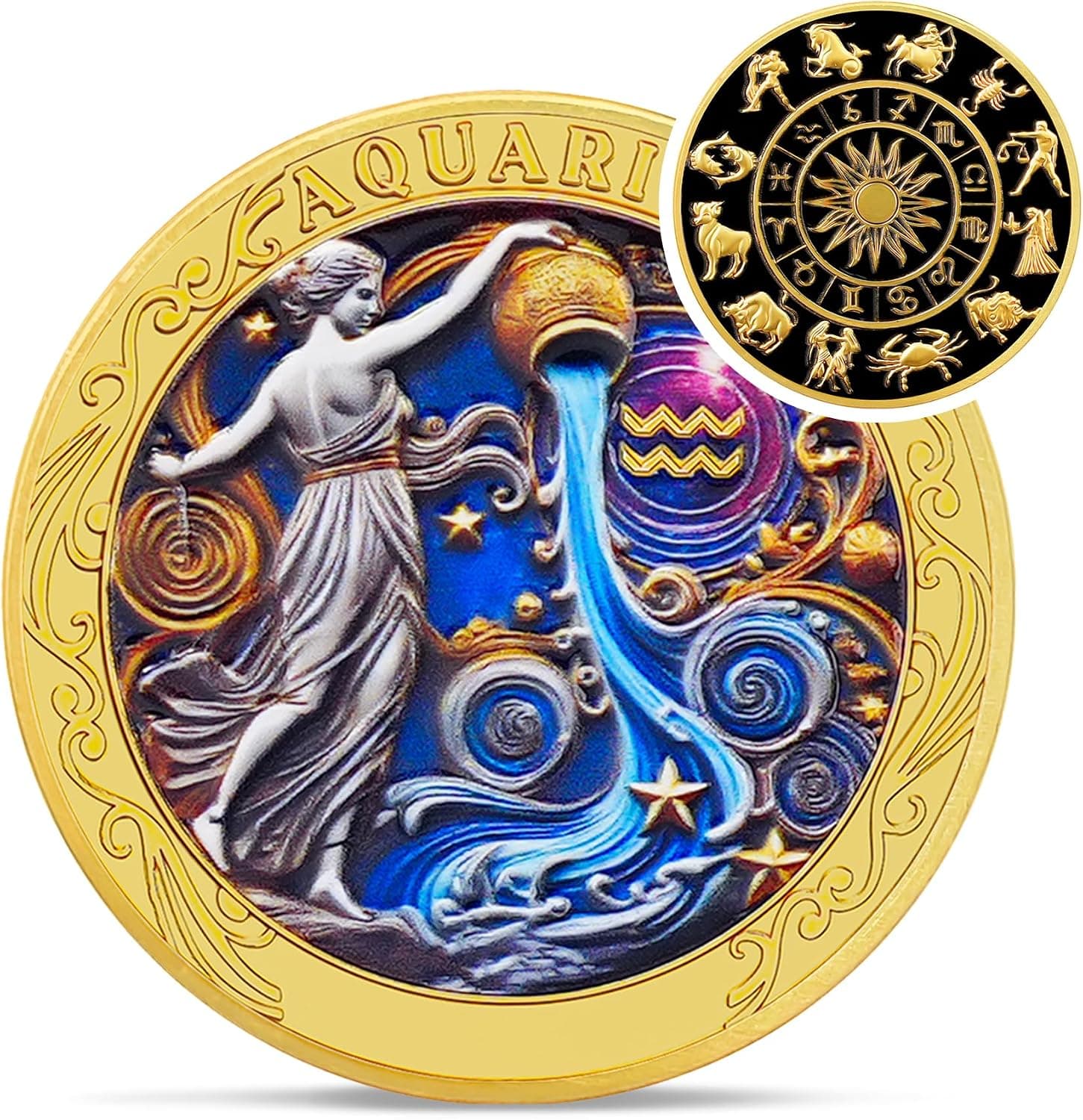
-20%Aquarius 12 Zodiac Challenge Coin - Twelve Constellations Aquarius Protective...
 -29%
-29%Karma and Luck March Birthstone Crystal Tree of Life, Aquamarine Gemstone Fen...
 -29%
-29%Karma and Luck July Birthstone Crystal Tree of Life, Ruby Gemstone Feng Shui ...
 -29%
-29%Karma and Luck February Birthstone Crystal Tree of Life, Amethyst Gemstone Fe...
As an Amazon Associate, we earn from qualifying purchases. We only recommend items our practitioners have personally tested.
Continue Your Journey
Explore these related guides to deepen your understanding:

The I Ching Doesn't Answer Lazy Questions — Here's What to Ask Instead
8 min readConfucian Commentary Turns the I Ching Into a Moral Floor Plan
9 min readBroken Lines, Solid Lines, and the Real Yin-Yang Logic of the I Ching
11 min readThe Wilhelm I Ching Feels Deep Because It Slows Your Reading
11 min readReady for Deeper Guidance?
Try our free I Ching reading for personalized wisdom, or explore our curated Feng Shui essentials.