The hexagram is not the problem; sloppy timing, vague questions, and lazy interpretation are.
When the answer feels fuzzy, the question is usually the leak
You cast the coins, stare at the lines, and still feel stuck. That sinking feeling is familiar: the reply looks poetic, but your real problem is practical. Should you leave the job, call the ex again, or wait? A weak question makes the oracle feel vague, and then people blame the first reading mistakes beginners make instead of their own phrasing.
I’ve seen this in a quiet kitchen in Portland, sitting across from a nurse named Elise who had a blue mug, a stack of unpaid bills, and a question so broad it could not land anywhere. She asked, “What should I do with my life?” The hexagram gave her plenty of movement and no clear action, which is exactly what happens when the question has no edge. Two days later she returned with a tighter question about whether to stay in her current unit for the next six months, and the whole reading became useful.
The surprise for many Western readers is this: the oracle is not there to perform certainty. It sharpens attention. That is why an I Ching and synchronicity conversation matters so much; the moment you ask well, the answer starts meeting you in a very ordinary life.
The method is simple, but simple is not sloppy
Start by naming one situation, one decision, one horizon of time. Not your whole marriage. Not your entire career. Pick the actual crossroads. A good question often sounds plain: “What helps me handle the next three months in this role?” or “What do I need to understand before I sign this lease?” The more concrete the frame, the less you have to force the interpretation.
Then cast calmly. Rush creates noise. Breathe, settle your body, and let the process stay clean. Some people treat the coins like a magic trick and then wonder why the answer feels theatrical. Others get so tense that they try to control every toss. Both habits distort the listening.
Read the primary hexagram first, before chasing side meanings. That is where the central weather lives. Ask yourself what kind of movement is present: blockage, pressure, retreat, support, excess, or transition. The changing lines come after that, and they matter because they show where the situation is alive, unstable, or shifting. If you jump straight to “the future hexagram,” you miss the point. The present is always speaking.
One reason people get confused is that they expect the oracle to use modern executive language. It won’t. It speaks in patterns: advance, withdraw, wait, correct, simplify, endure. You translate those patterns into the situation in front of you. That translation is the actual skill.
What to do before you cast the coins
Before you begin, clear the room of chatter as much as you can. Turn off the podcast. Put the phone face down. If you are reading in a bedroom, move the laundry pile out of sight. That sounds minor, but the mind reads the room before it reads the hexagram.
Write the question on paper. I know, paper feels old-fashioned to people who do everything in a notes app, but writing slows the mind enough to make the question real. If you cannot write it in one sentence, it is still too loose. Tighten it until you can.
Then ask once and stay with the answer. Do not keep throwing the coins until you get the result you like. That is not divination; that is appetite dressed up as spirituality. The oracle answers the question you asked, not the one your anxiety prefers.
For people who need a second layer of support, I often suggest a brief pause afterward. Sit with the figure for a few minutes, then look again at the actual facts of the situation. A strong reading does not replace judgment. It improves it. If you want a steadier mind before or after the casting, a short quiet reflection practice for I Ching work can keep you from overreading every line.
How interpretation becomes useful in the real world
Interpretation is not about guessing a hidden sentence. It is about noticing the shape of the response. If the hexagram shows containment, your move is probably restraint. If it shows dispersion, your move may be to gather scattered energy before acting. If it shows approach, then timing matters more than force. The reading is less “What will happen?” and more “What mode should I adopt?”
Here is where people usually miss the point: they want prophecy, but the text is giving guidance on conduct. That is a different muscle. A teacher I worked with years ago in a small home office in Denver had a red desk lamp, a messy bookshelf, and a career decision she had postponed for months. Her reading pointed toward slow preparation rather than immediate departure. She hated that answer for about ten minutes, then followed it. Six weeks later, the job she wanted opened up, and she was ready when it did. Timing made the difference.
If the lines change, ask where the pressure is moving, not just what the final state looks like. A single changing line can describe a warning, a pivot, or a correction. Multiple changing lines often mean the situation is less settled than you think. This is one reason a careful reading log for your hexagrams matters; patterns become visible only when you stop trusting memory.
And no, you do not need to be mystical about every symbol. You need to be honest. If the reading points to caution and you are already exhausted, do not pretend it is a green light. If it points to patience and you are desperate, that does not make the line wrong. It makes the message uncomfortable.
Use the answer without forcing it
A useful reading changes behavior in the next twenty-four hours. Sometimes that means waiting. Sometimes it means making a phone call, removing a distraction, or saying one direct sentence you have been avoiding. The oracle is not interested in grand theater. It rewards appropriate action.
Keep the response small and testable. If the answer suggests you should slow down, slow down for a week and notice what changes. If it suggests clarity through separation, create distance and observe. If it suggests cooperation, reach out and see who responds. Small experiments keep interpretation honest.
People often ask me whether they should ask the same question again if they dislike the result. My answer is simple: not immediately. Repeated casting can turn a meaningful exchange into noise. If the situation changes, ask again. If your mood changes, take a walk first.
There is also a practical reason to stay humble. The text can reflect your blind spots faster than your hopes can. That is why I respect it. It has a way of confronting self-deception without sounding cruel.
Common mistakes that make the reading muddy
The first mistake is asking a question so broad that it cannot be used. The second is treating the answer like a fortune cookie. Both habits flatten the process. If you want more precision, compare your approach with how simple questions work best in the I Ching, then adjust your framing before the next cast.
Another frequent error is skipping the symbol structure and going straight to whichever line sounds dramatic. That is the fastest route to fantasy. The hexagram as a whole matters, and the changing lines must be read in context. Pulling one sentence out of a longer pattern is how people build a story they were already hoping to hear.
FAQ
How specific should my question be?
Specific enough that you could act on the answer. “Should I leave my job?” is usually less useful than “What should I understand before deciding whether to leave by the end of summer?” The second version gives the reading room to speak about timing, conditions, and readiness.
Can I ask about someone else?
You can, but the result is often clearer when the question is about your own position in relation to them. Ask what you need to know, how to respond, or what pattern is unfolding between you. That keeps the reading grounded in action instead of speculation.
Should I use the I Ching for love questions?
Absolutely, but avoid turning the oracle into a surveillance tool. Ask about the quality of the connection, the right way to behave, or what the relationship is asking of you now. A focused love-focused reading approach works far better than fishing for hidden motives.
Is one method better than another?
Surprising as it sounds, the method matters less than the quality of attention. Coins, yarrow stalks, and other approaches all fail when the reader is scattered. If you want to compare styles, look at how I Ching compares with tarot in practice and choose the one that keeps you honest.
How often should I consult it?
Only when there is a real question. If you keep asking for reassurance, the reading will start mirroring anxiety instead of insight. Use it for threshold moments, not for emotional babysitting.
David Liu
Traditionally informed guidance • Cross-referenced with classical Chinese source texts
Interpretations cross-referenced with the Zhouyi (周易) and Wilhelm/Baynes translation.
Practitioner-Selected Tools for This Topic
Items our team has tested and found effective for the principles discussed above. Individual results may vary.
 -20%
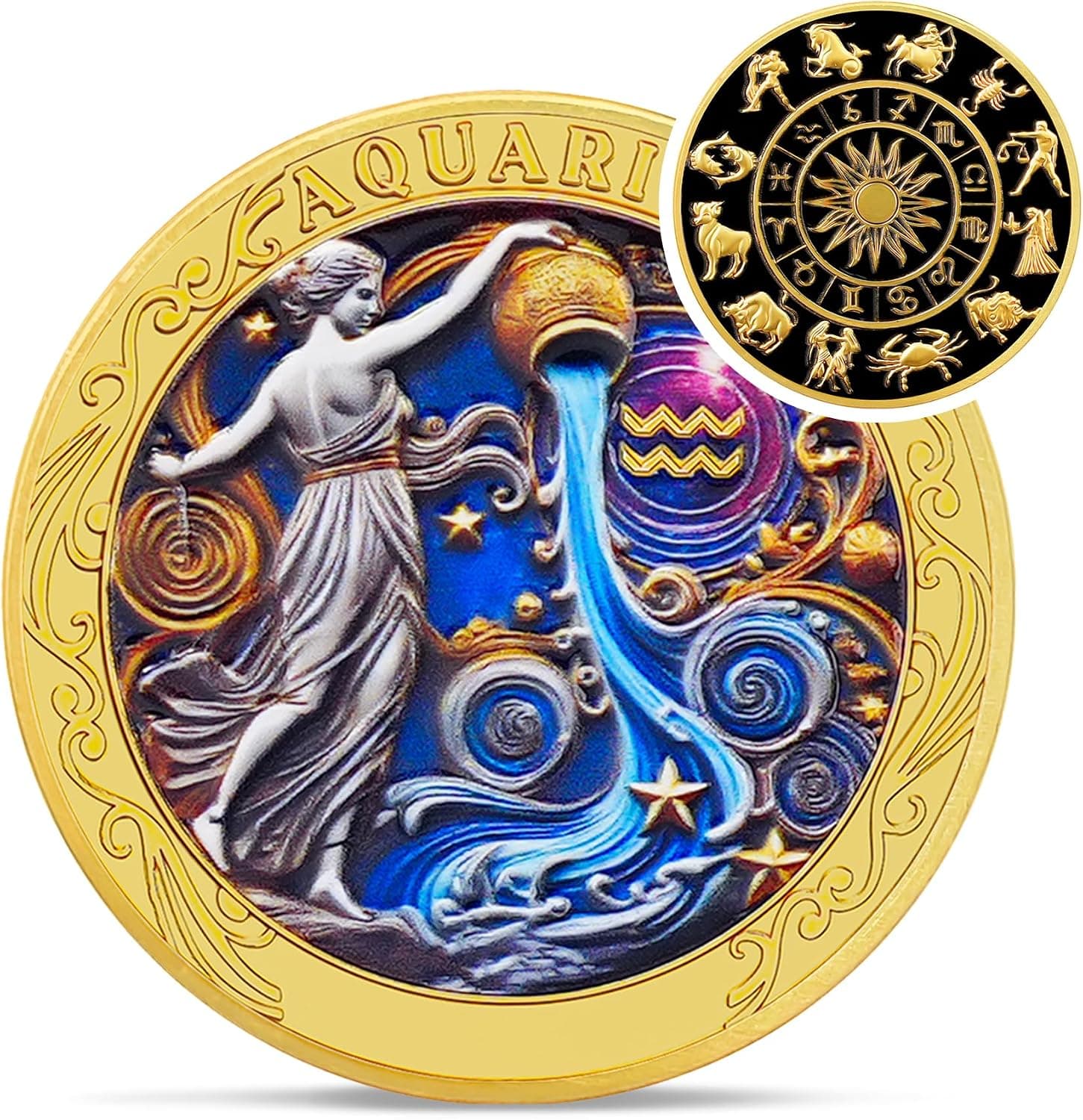
-20%Aquarius 12 Zodiac Challenge Coin - Twelve Constellations Aquarius Protective...
 -29%
-29%Karma and Luck March Birthstone Crystal Tree of Life, Aquamarine Gemstone Fen...
 -29%
-29%Karma and Luck July Birthstone Crystal Tree of Life, Ruby Gemstone Feng Shui ...
 -29%
-29%Karma and Luck February Birthstone Crystal Tree of Life, Amethyst Gemstone Fe...
As an Amazon Associate, we earn from qualifying purchases. We only recommend items our practitioners have personally tested.
Continue Your Journey
Explore these related guides to deepen your understanding:

The I Ching Doesn't Answer Lazy Questions — Here's What to Ask Instead
8 min readConfucian Commentary Turns the I Ching Into a Moral Floor Plan
9 min readBroken Lines, Solid Lines, and the Real Yin-Yang Logic of the I Ching
11 min readThe Wilhelm I Ching Feels Deep Because It Slows Your Reading
11 min readReady for Deeper Guidance?
Try our free I Ching reading for personalized wisdom, or explore our curated Feng Shui essentials.