Use the hexagram as a living symbol, not a pressure machine, and the reading changes fast.
How do you practice with a hexagram?
You practice by treating the hexagram as an object of attention, not a verdict machine. That is the heart of a steady I Ching practice: the symbol gives the mind a shape to hold, and the holding itself becomes contemplative.
Place the tools in a simple setting and let the room slow down around them. A low table near a north-facing window, a plain cloth, a small bowl for coins, and one text at the center are usually enough. The arrangement tells the body to stop performing and start listening.
This is why the method belongs with meditation. The hexagram is not meant to be squeezed into a quick answer. It is meant to be seen, returned to, and allowed to work on the person who asked.
The older symbolic framework matters here. If you want to understand why the figures carry more than one layer of meaning, the Earlier Heaven arrangement is worth studying. It shows that the signs were never just labels on a page.
Soft sounds, dim light, and a clean surface help the reading settle. The body notices these things before the mind does.
From oracle sign to contemplative object
Hexagrams began as oracle signs, but they became contemplative objects because repeated use changes the kind of attention they demand. A sign used once can feel like a message. A sign returned to over time starts exposing the pattern behind the message: your timing, your assumptions, your fear of uncertainty, and the shape of the question itself.
That shift did not happen by accident. As the text moved through ritual, commentary, philosophy, and literature, readers began using the same pattern inwardly as well as outwardly. A sign that once pointed to a circumstance started pointing to a habit of mind. In that sense, the hexagram does two jobs at once: it names a situation and reveals the stance from which the situation is being seen.
The result is not a watered-down oracle. It is a symbol that keeps its shape while your relationship to it changes.
After a few encounters, many readers notice something subtle: the first impression is often about urgency, while a later look shows structure. The hexagram stayed the same. The observer did not.
If you want a useful contrast, this comparison of the Tao Te Ching and the I Ching helps explain why one text often feels like teaching and the other feels like process.
Paper. Silence. A question stated plainly. That is enough to begin.
What people usually get wrong
Many people assume reflection comes after the cast, as if the answer arrives first and contemplation follows later. In practice, that split is too neat. The moment you sit with the symbol, the reflective work has already begun, because attention itself starts editing your question, your mood, and even the pace of your breathing.
Another misconception is that you must arrive calm. Not true. Restlessness, doubt, and even irritation can be useful if you stay honest about them. A forced serenity often hides more than it reveals, while visible agitation can show exactly where the reading has touched a nerve.
The real mistake is rushing toward certainty. Once a person decides on one fixed meaning too early, the more subtle parts of the reading get pushed aside. Ambiguity is not failure here. It gives the reading room to breathe and lets the symbol reveal timing, tension, and contradiction instead of a single slogan.
That is also why this is not the same as generic seated meditation. Breath practice uses breath as the object. Here, the object is a patterned symbol that invites thought and then asks thought to become quieter.
For a first-time reader, this first-reading guide can make the method feel less intimidating.
What happens when you keep looking
When you sit with a hexagram for more than a few seconds, the mind starts sorting layers. First comes recognition of shape. Then feeling. Then memory. Only after that does the symbol begin to loosen the grip of your immediate assumptions.
That is part of the design. The figure is structured enough to steady attention, but open enough to resist collapse into a single sentence. It keeps the mind engaged without feeding panic.
A small setup usually works better than an ornate one. A matte page, a wooden surface, one bowl, and one focal object give the eye somewhere to rest. Too many objects pull attention in every direction. Too much emptiness can leave the space feeling unfinished.
A glossy desk under a bright ceiling light can do the opposite of what you want. The reflections keep the eye moving, and the session starts to feel like paperwork. By contrast, a lower surface by a window can settle the whole scene in minutes.
One reader once replaced a crowded tray of candles, books, and metal objects with a single cloth and a notebook. The difference was immediate. The room stopped competing with the symbol.
For a practical angle on changing circumstances, this guide on practical wisdom connects the text to daily choice without flattening it.
Let the room behave like a threshold
Think of the space as a doorway, not a display. Enter, pause, cast, observe, write, and then leave with intention. That sequence helps the body register that this is a different mode of attention.
Keep the surface small. One cloth. One text. One method of casting. That is often enough. If you use a printed hexagram image, set it at eye level or a little below so the gaze can settle instead of strain upward.
Materials matter. Linen, wood, ceramic, and uncoated paper usually support stillness better than reflective or noisy surfaces. This is not superstition. It is about reducing visual friction.
A threshold changes behavior because it marks a transition. A hallway does not ask the same things of you as a kitchen. Your reading space should do the same. It should feel like a small chamber inside a larger room.
The cloth under the tools helps more than most people expect. It quiets the visual field and makes the lines easier to read.
The translation you choose also shapes the atmosphere, because language is part of the environment.
And yes, the candle is optional.
A simple sequence you can actually repeat
Begin before the cast. State the question in ordinary language. If the question is tangled, the reading tends to be tangled too. Take a minute to sit until the shoulders loosen and the breath drops lower in the body.
Then cast. Let the sound of the coins or the movement of the sticks remain part of the practice. Once the figure appears, do not rush into interpretation. Look at the hexagram first as a form. Count the solid and broken lines. Notice balance, interruption, density, and emptiness.
Write the first response in fragments. Not a polished reflection. Just the raw reaction: relief, resistance, confusion, recognition, unease. That first layer often shows what you hoped to hear.
After that, interpret slowly. Ask what the structure is doing. Ask where it opens, where it blocks, where it gathers force, where it weakens. This is where contemplation and divination meet.
Close the session with a deliberate ending. Fold the cloth. Put the tools away. Leave the space without lingering. That small ending trains the mind to understand completion.
If you want a shorter version of the method, the daily reading habit can be adapted into a brief reflective practice.
When the hexagram pushes back
Sometimes the reading feels unhelpful. That is often a sign that the questioner wants an answer faster than perception can ripen. Do not force agreement.
Stay with the discomfort and notice where it lives. Jaw tight? Breath shallow? Urge to grab the phone? Those reactions are part of the reading too.
If the question matters, come back the next day. The second encounter is often clearer because the emotional heat has cooled. The symbol did not change, but your relationship to it did.
A reader may discover that the first interpretation was not false, only premature. On the next day, the same hexagram may look less like a command and more like a map of hesitation. That can be humbling, and it should be.
When a figure feels especially difficult, it helps to study one hexagram closely rather than scatter attention across many explanations. Hexagram 23 and its broken structure is a strong example of how dissolution can become a lesson instead of a panic trigger.
Keeping the practice alive
Do not turn every session into an event. Repetition teaches more than spectacle. A small table, steady light, and a repeatable sequence will train attention better than a dramatic ritual done once.
Keep one notebook for the work. Record the date, the question, the hexagram, the first impression, and a second note after twenty-four hours. That later note is often where the pattern appears.
Over time, you begin noticing how certain figures arrive during rushed periods and how others meet you only when you can slow down. That is one reason this method keeps working. It reveals timing as much as meaning.
To understand how sequence shapes reflection, the King Wen arrangement is worth a slow look. The order itself carries rhythm.
And if the practice starts to feel like a way to control the future, step back. The aim is not to dominate uncertainty. It is to become less dominated by haste.
The hexagram gives the mind an ordered image. The room gives the body enough quiet to hold it. Time strips off the first reaction. What remains is often simpler, and truer, than the first pass suggested.
FAQ
Do I have to meditate before I cast the coins?
No. A short pause helps, but you do not need a long sitting session first. Even one minute of stillness can change the quality of the reading.
Is this the same as normal meditation?
No. Normal meditation often returns to breath, mantra, or open awareness. This practice uses a symbolic form, so the mind is working with both focus and interpretation.
What if I keep changing my mind about the meaning?
That usually means you are looking for certainty too soon. Write down the first impression, stop reading for a while, and return later. The later view is often cleaner.
Can I do this every day?
Yes. Daily reflection works especially well when you keep the setup simple and the question honest. You are more likely to notice patterns in your own reactions that way.
Do I need special tools?
No special equipment is required. Coins, a notebook, and a quiet surface are enough if the space is arranged with care.
Should I read the hexagram as a message or as a mirror?
Both, but not at the same speed. First let it be a message. Then let it become a mirror. If you skip the second step, the reading stays flat.
David Liu
Traditionally informed guidance • Cross-referenced with classical Chinese source texts
Interpretations cross-referenced with the Zhouyi (周易) and Wilhelm/Baynes translation.
Practitioner-Selected Tools for This Topic
Items our team has tested and found effective for the principles discussed above. Individual results may vary.
 -20%
-20%Aquarius 12 Zodiac Challenge Coin - Twelve Constellations Aquarius Protective...
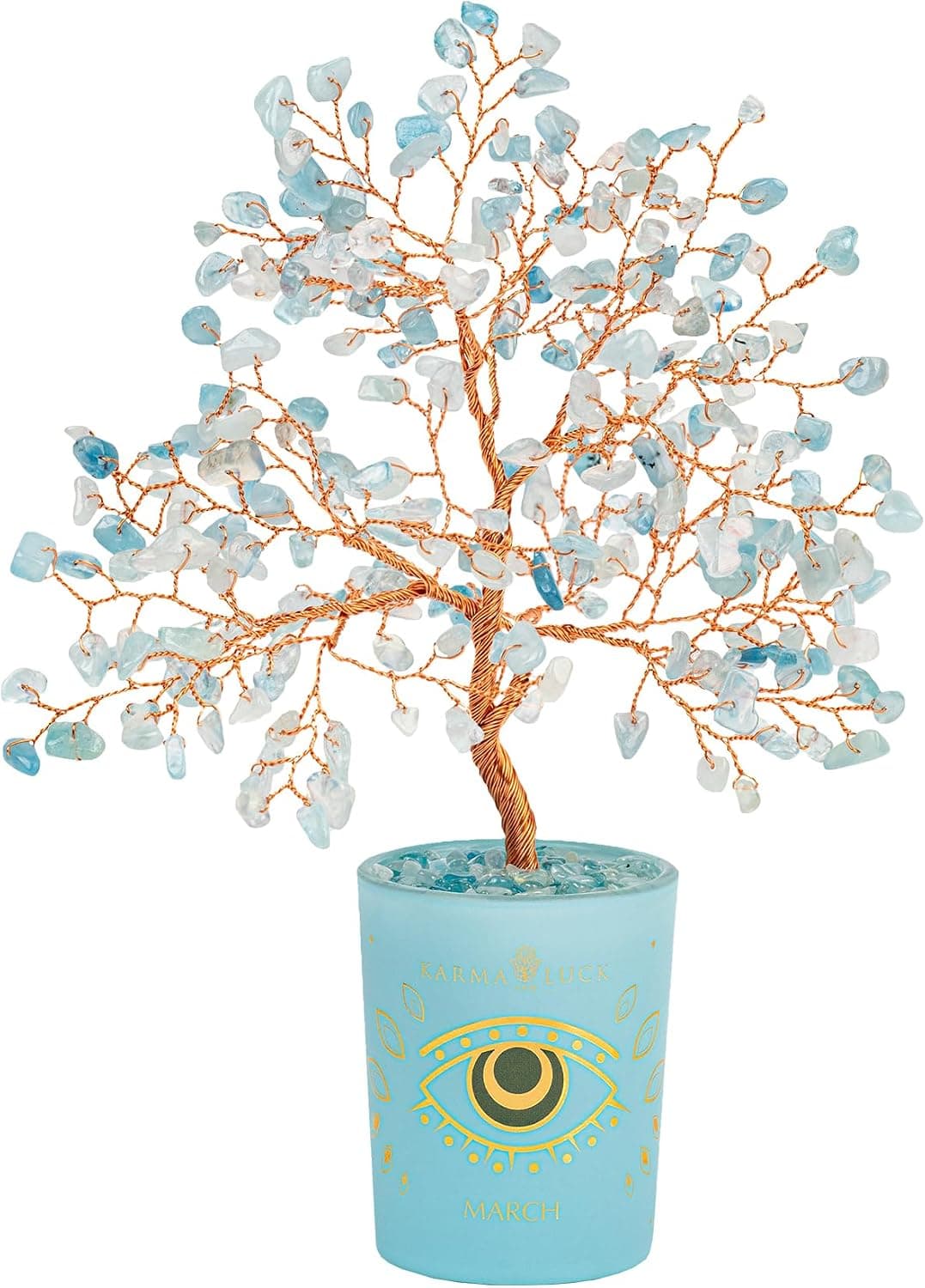 -29%
-29%Karma and Luck March Birthstone Crystal Tree of Life, Aquamarine Gemstone Fen...
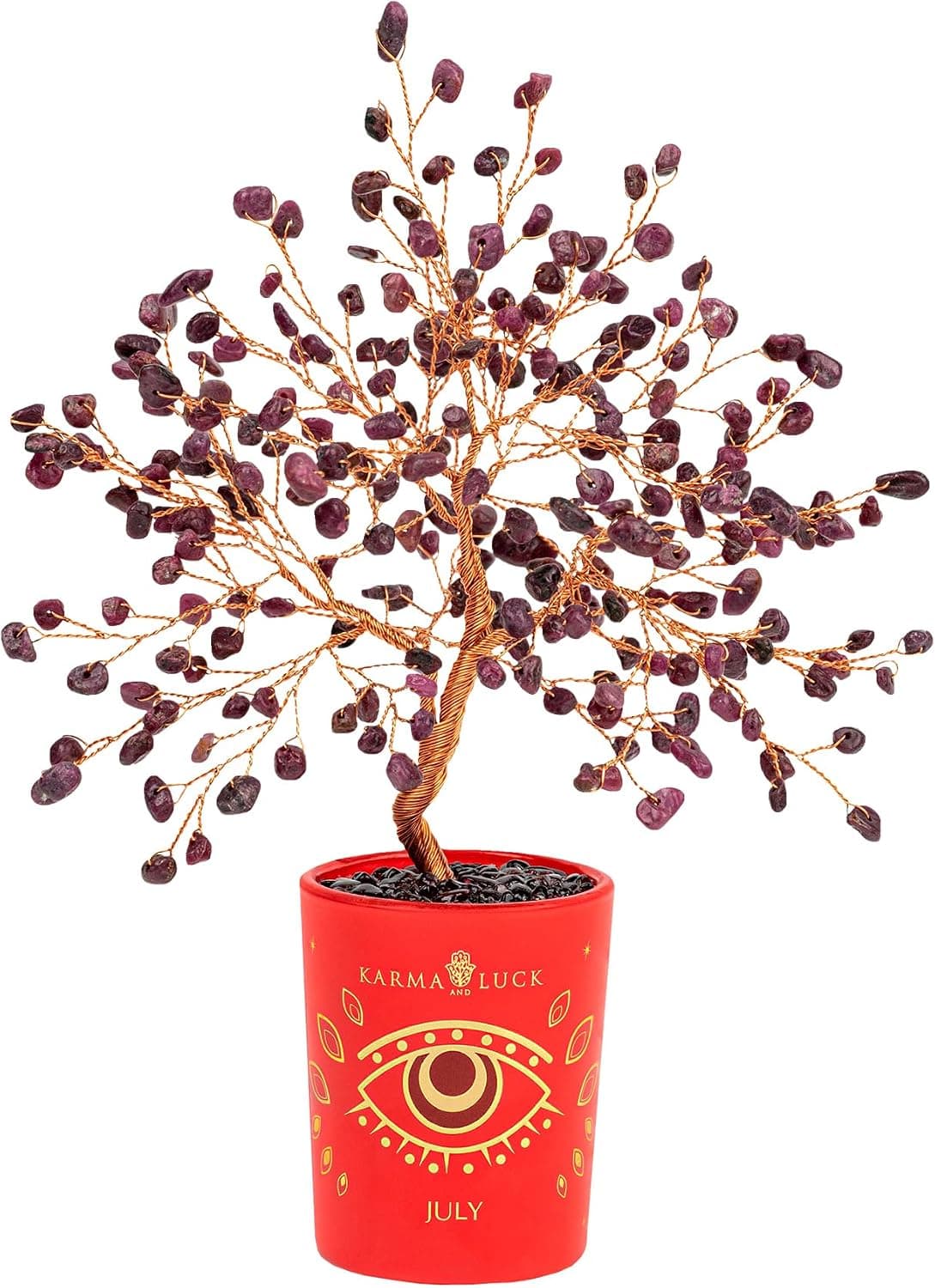 -29%
-29%Karma and Luck July Birthstone Crystal Tree of Life, Ruby Gemstone Feng Shui ...
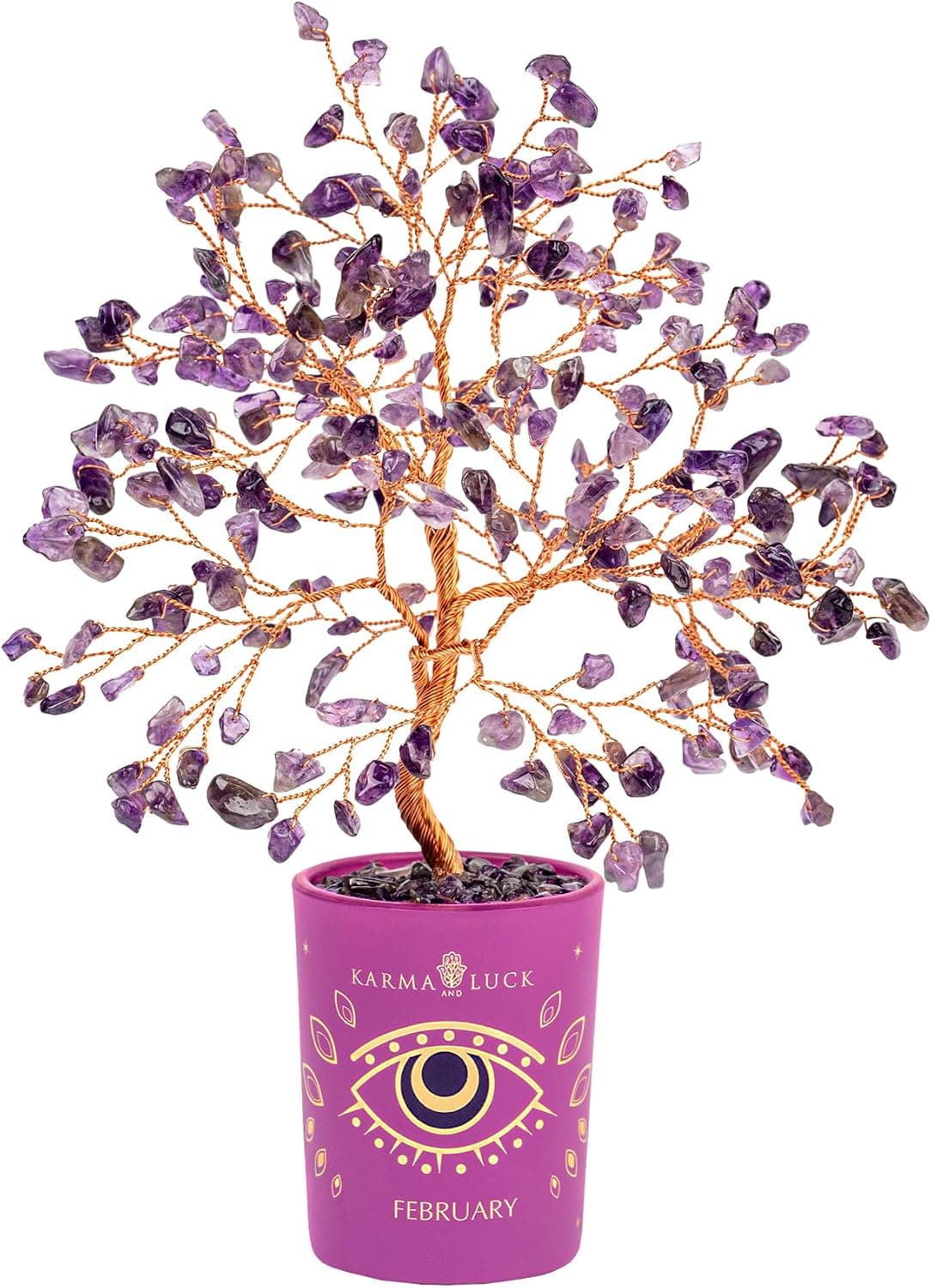 -29%
-29%Karma and Luck February Birthstone Crystal Tree of Life, Amethyst Gemstone Fe...
As an Amazon Associate, we earn from qualifying purchases. We only recommend items our practitioners have personally tested.
Continue Your Journey
Explore these related guides to deepen your understanding:

The I Ching Doesn't Answer Lazy Questions — Here's What to Ask Instead
8 min readConfucian Commentary Turns the I Ching Into a Moral Floor Plan
9 min readBroken Lines, Solid Lines, and the Real Yin-Yang Logic of the I Ching
11 min readThe Wilhelm I Ching Feels Deep Because It Slows Your Reading
11 min readReady for Deeper Guidance?
Try our free I Ching reading for personalized wisdom, or explore our curated Feng Shui essentials.