The Han dynasty read the hexagrams as a lived sequence, because adjacency changes interpretation before a single line is changed.
Why the Han Reading Matters
The King Wen sequence matters because it was never just a numbering system. In Han reading, the order gives the hexagrams a route, so one image leans into the next the way one doorway opens into another. That matters in a small apartment too: when space is tight, you do not read the whole room at once, you read what sits beside what, because proximity changes function. The same logic applies here.
When I spread the 64 hexagrams across a table, the sequence stops feeling like a spreadsheet and starts feeling like linked stones across water. A learner in a one-bedroom with a folding desk can do the same with index cards on a narrow dining table: pair the cards, then slide one forward and feel the relationship change. People remember structures like this faster because the mind stores contrast better than abstraction; the sequence gives it something to move through.
The Han dynasty was not trying to flatten the Book of Changes into a sterile catalog. It treated order as meaning, because order shapes expectation. That is a behavioral fact as much as a textual one: once a reader knows where a hexagram sits, the next hexagram becomes emotionally adjacent, and that reduces the guesswork that usually clogs interpretation.
For a broader frame on how the classic text developed, I recommend pairing this article with the history of the Book of Changes.
How the Sequence Was Built
King Wen order is built from relationships, not from an abstract mathematical ladder. Some pairs reverse each other, some follow as pressure and release, and some sit in a developmental arc that feels like weather moving across a city block. In Han interpretation, that was the point: a reading should not only name a symbol, it should locate the symbol in a moving field.
Think of a narrow hallway in an apartment building. The storage closet, the bathroom, and the bedroom are all separate rooms, but the placement of each one tells you how traffic flows and where noise gathers. Adjacent hexagrams work the same way. They are neighboring rooms in a corridor, and the placement itself signals relationship, strain, or progression before you even open the door.
One afternoon I laid out the sequence on a low kitchen counter, with the blue mug on the left and a stack of cards pressed against a spice jar because there was nowhere else to spread out. The structure still held. That was the useful surprise: the method does not need ceremony. It needs visible relations, because the human mind learns by contrast, repetition, and sequence more readily than by isolated fact.
If you want a compact structural reference while you study, keep the hexagram chart nearby and use it to compare neighbors rather than to hunt for a single label.
The King Wen sequence also differs from the binary order that later readers like because it was built for interpretation, while binary order was built for structural clarity. That distinction matters. One is a reading path; the other is a conceptual grid. Confusing them is like using a floor plan to judge foot traffic. The map is true, but it is not the same truth.
What Changes from Fu Xi to King Wen
Fu Xi order organizes by pure structure, especially the logic of trigrams and polarity. King Wen order organizes by narrative movement, because it assumes change unfolds in lived time. That is why a consultant comparing the two can feel the shift immediately: one arrangement makes you think in pattern, the other makes you think in sequence.
This is where many modern summaries become lazy. They treat the King Wen sequence as the default order, then stop there. But in Han reading, the default order is the interpretive instrument. It tells you how to move from one condition to the next, how to sense reversal, and how to read when a stable image is already starting to tilt. That is why neighboring hexagrams matter so much: they tell you what the situation is becoming.
People usually assume memory comes from repeating a list. It does not, at least not well. Memory strengthens when the list is organized by spatial cueing, contrast, and expectation. That is why paired columns are easier than a flat row of 64 names. The brain likes place. It likes direction. It likes repeat, mirror, invert, advance.
For the structural background on trigram relationships, see the meaning of the eight trigrams, because the sequence makes much more sense once the lower-level pieces are clear.
In a small apartment practice, this can be as simple as pinning the first eight pairs on a cork strip above a desk. Keep the left column on the wall and the right column on a shelf edge, and let the visual rhythm do some of the work. Behavioral science is plain about this: routines become consistent when the environment keeps handing back the same cue. A fixed layout changes practice.
Reading the Transitions Between Hexagrams
A received hexagram is only the first sentence. The transition to its neighboring forms tells you whether the energy is tightening, dispersing, rising, or collapsing. In consultation, I check the adjacent hexagrams immediately because they act like the next room and the room after that. The image in front of you is never alone for long.
Here the sequence becomes practical. Suppose a reading lands on a hexagram that feels paused, sealed, or incomplete. The neighboring positions show whether that pause is a threshold, a blockage, or a recovery point. The order gives the mind a prediction scaffold: once one form is known, the next one feels emotionally adjacent, and uncertainty drops enough for clearer judgment.
That is not mystical language. It is cognition. The brain prefers paths over piles, because paths reduce load. When a structure has contrast and recurrence, it is easier to follow under pressure, which is exactly when most people consult the I Ching. The sequence is useful because it makes the reading faster without making it shallow.
A reader looking up the classical pairing around a difficult result should also keep Hexagram 23 and its breaking-apart pattern in view, because transition often reads more clearly at the edges than in the center.
Imagine a studio apartment with a bed folded into the wall, a narrow galley kitchen, and one window facing east. If the desk sits across from the bed, the daily path from waking to work becomes visible, repetitive, and hard to ignore. That is how adjacent hexagrams feel in a consultation: they expose the daily path of the situation, not just the headline.
The best readers do not stare at a single symbol until it confesses. They watch the sequence breathe.
Pairings, Opposites, and Hidden Structure
Paired hexagrams create mirrored positions, and that mirror is not decoration. It is a reading device. Opposition, complement, and reversal become obvious at a glance when two forms sit opposite each other in a disciplined layout. A learner who places the cards in paired columns usually notices the pattern before the explanations arrive, because the eye understands balance before the mind names it.
This is where the King Wen sequence becomes more than history. It becomes a working map of tension and release. Some pairs feel like a room before and after the lights go on. Others feel like a door opening from pressure into permission. The sequence keeps returning to that rhythm because human experience keeps returning to it.
I have seen students try to memorize the 64 as isolated units and stall out. Then they switch to pairing by mirror position and the material starts to stick. There is a reason: spatial cueing improves recall. Once the hexagrams are grouped by adjacency and opposition, the mind has handles to grip. It remembers where something sits before it remembers the exact wording.
For a helpful companion page on structure and lookup, use Hexagram 64 before completion as a reference point, because the later pairs often reveal the sequence’s deeper logic.
The hidden structure is not hidden because it is obscure. It is hidden because modern readers expect a list when the tradition gives them a path. That small mismatch causes a lot of confusion. Once you stop treating the order as a filing cabinet, the design starts to look intentional.
Using the Order in Real Consultation
In practice, I use the sequence in three steps. First, I identify the received hexagram. Second, I check its pair and its immediate neighbors. Third, I ask what the order implies about movement: escalation, reversal, pause, or release. That sequence of questions turns the King Wen order from background knowledge into an active reading tool.
Take a small apartment reading table. A candle, a notebook, one folded cloth, and a set of hexagram cards are enough. Put the received hexagram in the center, its pair directly beside it, and the next and previous forms above and below. The point is not display. The point is orientation. When the layout is fixed, your eye stops wandering and your judgment gets quieter.
The same logic helps in decision-making beyond the consultation. If someone asks about a move, a job change, or a difficult relationship, the sequence helps them feel whether the situation is at a beginning, an inflection, or a closing. That matters because people often act on the symbol they like rather than the movement they are actually in. The order checks that habit.
For readers who want to connect this method to the first consultation experience, the first reading guide is a useful companion because it shows how to hold the question before you ever reach for interpretation.
Here is the practical rule I use: do not read the isolated hexagram as if it were a verdict. Read it as a point on a path. Then compare the neighboring forms and ask what the path is already doing around it. That one shift makes the sequence useful in a live reading, not just impressive on a reference page.
A Working Memory for the 64 Hexagrams
The easiest way to learn the King Wen sequence is to treat it like a corridor you walk repeatedly, not a list you cram once. Start with paired columns. Then add adjacency. Then group the forms into small neighborhoods of meaning. You are training recall through repetition, yes, but also through place, because place reduces cognitive load and makes retrieval faster under pressure.
A clean method is to study four hexagrams at a time. Place two pairs on a narrow strip of paper or a wall note, read them aloud, and then ask what changes from one to the next. Repeat the same layout for a week. Habit grows from stable cues, not from intensity. That is why a modest layout in a studio can outperform a grand system that gets dismantled after two days.
And yes, the sequence should feel like stepping across linked stones, not like scanning a spreadsheet. If it feels alive, you are reading it the way Han interpreters expected it to work. The order was made to be used in sequence because the sequence itself teaches the mind how change behaves.
For the broader interpretive frame that ties this method back to ordinary life, see how the I Ching applies to modern life, because the historical order becomes more useful once it has somewhere to land.
In the end, the King Wen sequence is not mainly a museum object. It is a disciplined way of seeing relationship before conclusion. That is why it still works.
If you want to test whether you understand it, do this: take one hexagram, place its pair beside it, then look at the neighbors without forcing a story. The story will usually appear on its own, because the sequence was designed to make movement visible before language catches up.
FAQ
Is the King Wen sequence the same as the binary sequence?
No. The binary sequence is an elegant structural arrangement, but it is built for abstraction rather than for reading flow. King Wen order is easier to use in consultation because it emphasizes relationship, reversal, and progression.
Do I need to memorize all 64 hexagrams in order?
Not at first. Start with paired groups and the immediate neighbors, because the brain stores spatial clusters better than isolated items. Memorization becomes easier once the layout has a shape.
Can I use the sequence if I only read occasionally?
Absolutely, and that is where the structure helps most. Even occasional readers benefit from checking the adjacent hexagrams, because that habit keeps interpretation from getting stuck on a single symbol.
David Liu
Traditionally informed guidance • Cross-referenced with classical Chinese source texts
Interpretations cross-referenced with the Zhouyi (周易) and Wilhelm/Baynes translation.
Practitioner-Selected Tools for This Topic
Items our team has tested and found effective for the principles discussed above. Individual results may vary.
 -20%
-20%Aquarius 12 Zodiac Challenge Coin - Twelve Constellations Aquarius Protective...
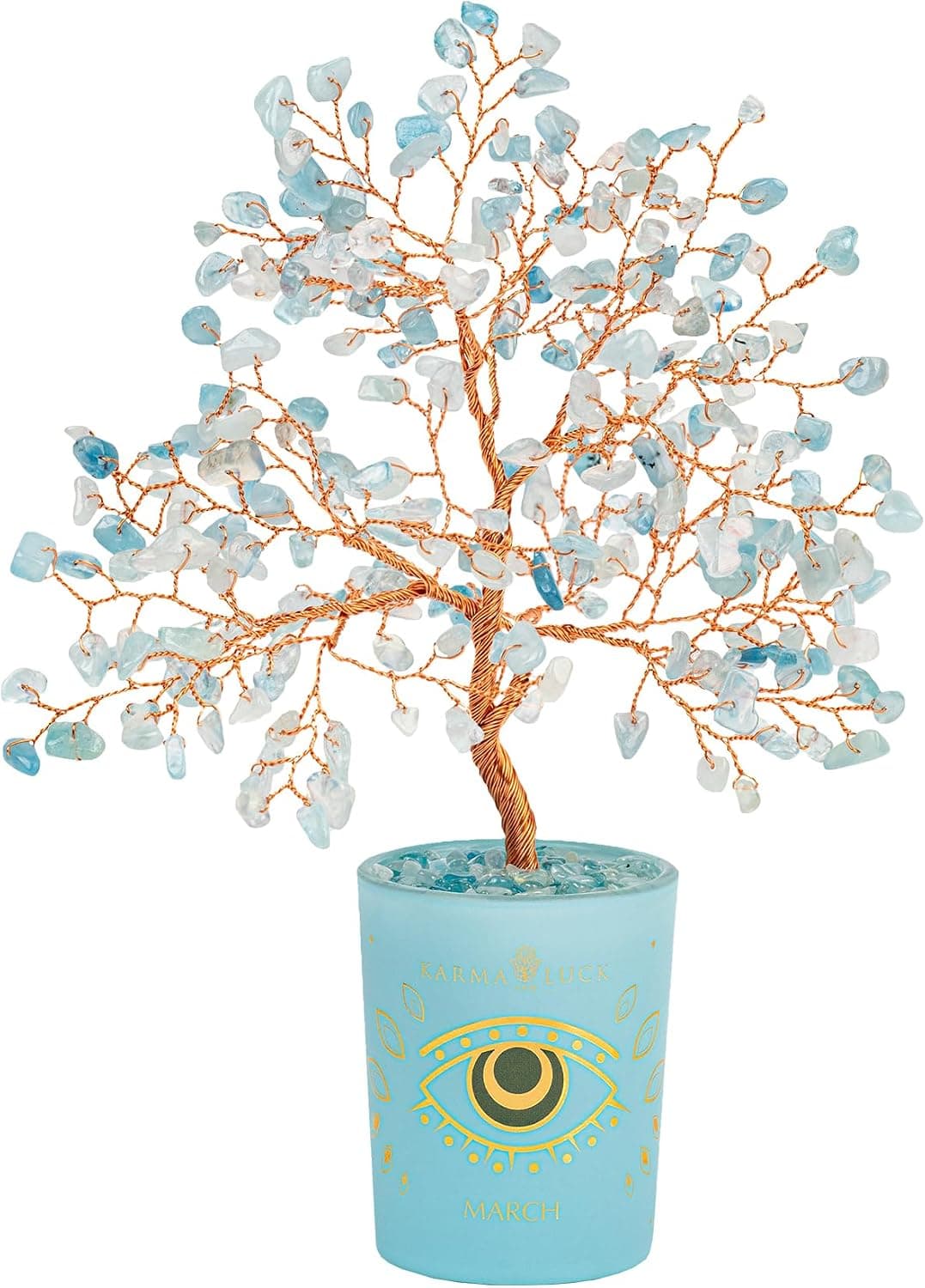 -29%
-29%Karma and Luck March Birthstone Crystal Tree of Life, Aquamarine Gemstone Fen...
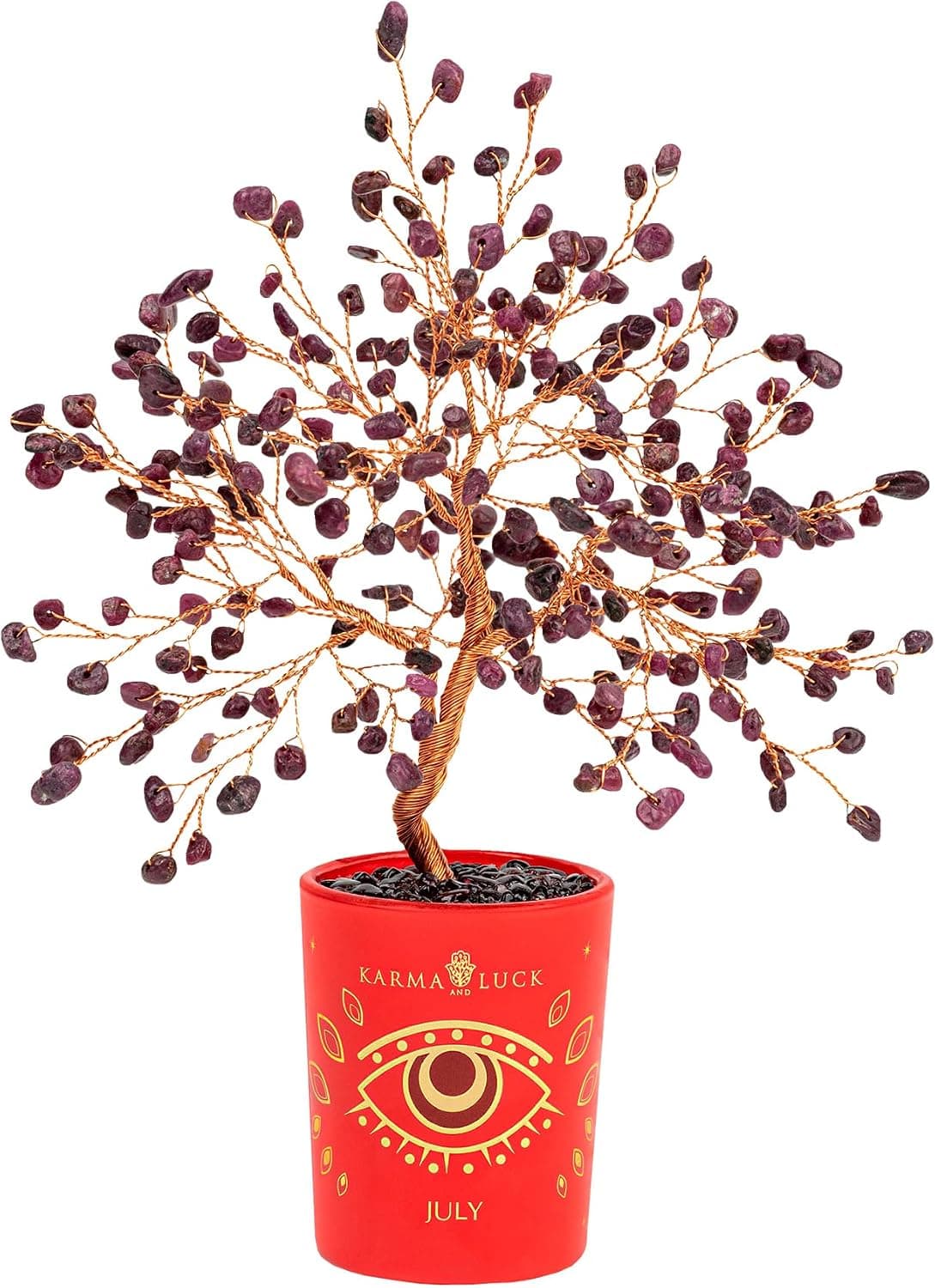 -29%
-29%Karma and Luck July Birthstone Crystal Tree of Life, Ruby Gemstone Feng Shui ...
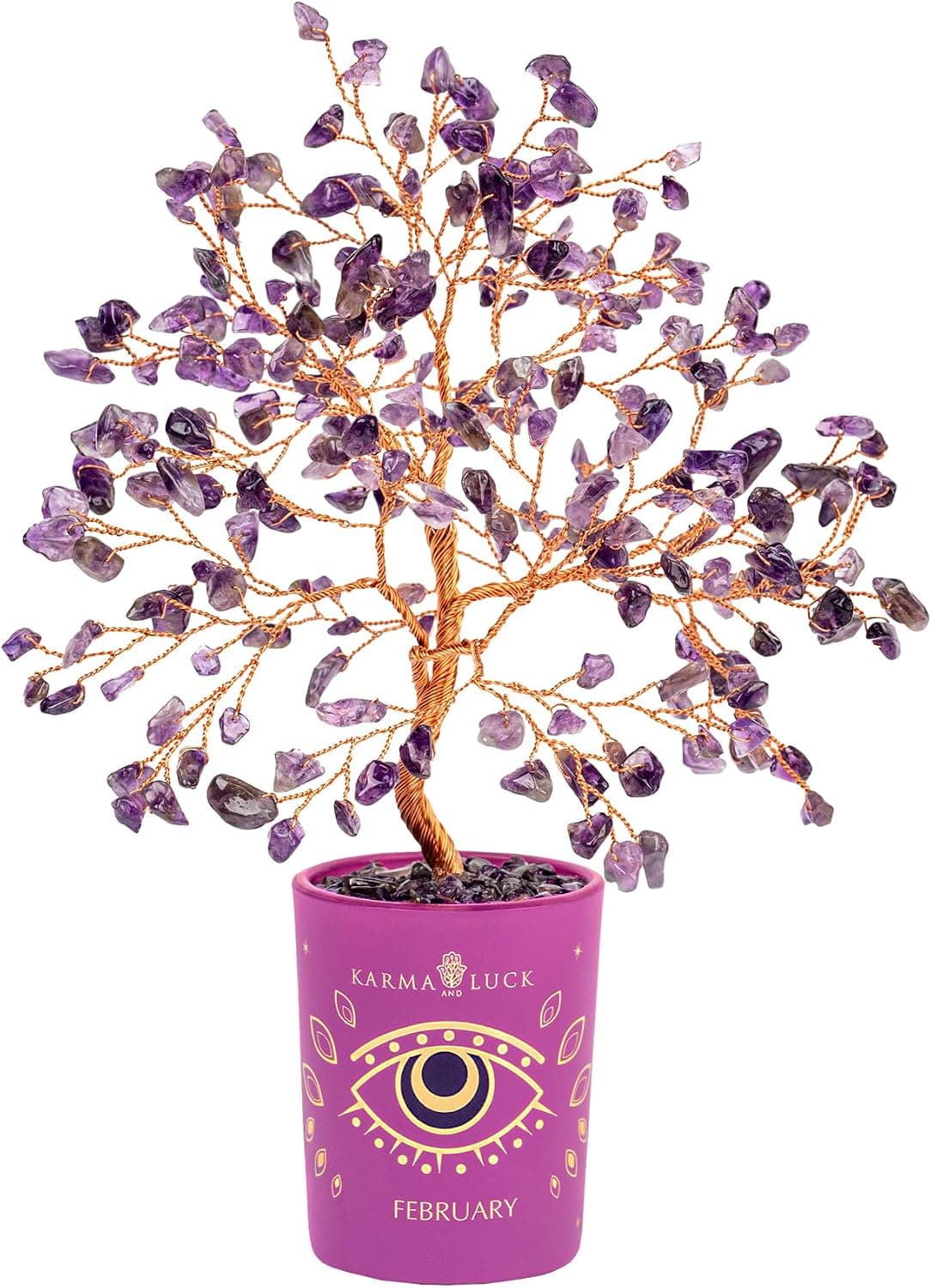 -29%
-29%Karma and Luck February Birthstone Crystal Tree of Life, Amethyst Gemstone Fe...
As an Amazon Associate, we earn from qualifying purchases. We only recommend items our practitioners have personally tested.
Continue Your Journey
Explore these related guides to deepen your understanding:

The I Ching Doesn't Answer Lazy Questions — Here's What to Ask Instead
8 min readConfucian Commentary Turns the I Ching Into a Moral Floor Plan
9 min readBroken Lines, Solid Lines, and the Real Yin-Yang Logic of the I Ching
11 min readThe Wilhelm I Ching Feels Deep Because It Slows Your Reading
11 min readReady for Deeper Guidance?
Try our free I Ching reading for personalized wisdom, or explore our curated Feng Shui essentials.