The Fu Xi order shows balance first, movement second, and that changes how you read every trigram.
The bagua looks settled before it starts speaking
Lay the eight trigrams out in Fu Xi order and the first thing you notice is not motion. You notice symmetry. A reader I watched placed the trigrams in a circle on a white table, and the room went quiet because each opposite pair seemed to answer the other instead of pushing forward like scenes in a story.
That is the first clue. The fu xi earlier heaven sequence does not behave like a timeline because it is not trying to tell you what happens next. It shows the pattern underneath what happens at all.
That difference matters because many Western readers come to the I Ching expecting sequence to mean progression. They want an event chain. Fu Xi gives them an architecture instead.
And architecture changes the kind of question you ask.
Why the order feels different from King Wen
King Wen order is designed to move. One hexagram leads into another, and the sequence feels like life under pressure: gaining, losing, gathering, splitting, waiting. Fu Xi order is cleaner, more static, and more exact because it maps paired forces rather than narrative development.
The contrast comes from purpose. King Wen follows how a situation unfolds through time, so it preserves transitions, reversals, and consequences. Fu Xi compresses the same field into a spatial logic, where the important fact is not what happens after what, but what stands opposite what and how that opposition holds. That is why the same material can feel dramatic in one sequence and architectural in the other.
Put it another way. King Wen asks, “What is unfolding?” Fu Xi asks, “What is already balanced or out of balance?” That shift sounds small until you use it in practice, because the first question follows change while the second reveals structure.
In the Earlier Heaven arrangement, opposites sit across from one another. Heaven and Earth face each other. Water and Fire face each other. Thunder and Wind, Mountain and Lake: each pair is held in tension, and that tension is the point.
Use this trigrams explained in plain English and the layout stops looking mystical and starts looking readable. The mind notices paired opposition faster than doctrine, because the brain is built to spot contrast, symmetry, and return.
Where Fu Xi sits in the tradition
Historically, Fu Xi is the cultural name attached to an early cosmological ordering of the trigrams. Whether you treat the figure as legendary, symbolic, or partly historical, the point is consistent: this is an ordering that predates the story-like sequencing associated with the King Wen arrangement.
It sits at the point where cosmology turns into method. The tradition uses Fu Xi to imagine an ordered world before narrated events take over, which is why the sequence keeps its power even when the historical details are uncertain. In practice, it gives readers a way to think about polarity, correspondence, and prior conditions instead of only outcomes.
The older pattern belongs to a world-view that privileges relational balance. Later commentators used it to think about prior conditions, not just outcomes. That is why it remains useful even now, especially if you study the I Ching as a language of structure rather than only as a device for prediction.
If you want the broader lineage, it helps to read how the Book of Changes developed over time. The sequence did not appear in a vacuum, and the tradition makes more sense once you see how divination, cosmology, and interpretation got braided together.
One common mistake is to treat earlier and later arrangements as rival religions of interpretation. They are not rivals. They are different lenses.
From cosmology to a working tool
The shift from cosmology to application happened because readers needed a map they could actually use. Fu Xi order gives you that map when you are trying to see whether a situation is mirrored, internally conflicted, or overextended in one direction.
Imagine the eight trigrams arranged in a circle: Qian opposite Kun, Kan opposite Li, Zhen opposite Xun, Gen opposite Dui. The visual effect is clean and almost severe. Full lines and broken lines alternate in a way that feels contained, not noisy. That visual discipline is what makes the sequence so effective for diagnosis.
Here is the practical philosophical point. Balance is not a slogan here. It is a condition. A relationship can be balanced and still unequal in workload, because households distribute responsibility by role, age, temperament, and timing. Sociology gets this right faster than romantic language does.
That is why the Earlier Heaven pattern is useful when you are studying shared systems. In a family, office, or house, equilibrium is negotiated. It is never abstract.
What the sequence tells you in a reading
Use Fu Xi when you want to look below the event. A cast may show you a dramatic hexagram, but the earlier arrangement can tell you whether the issue is a structural tilt that has been there for months.
I have seen this in a narrow hallway apartment with one south-facing window and a blue dining chair parked beside a black shoe rack. The occupants argued constantly, but not because they were incompatible. The space itself kept forcing one person to over-function and the other to withdraw. Seen through Earlier Heaven logic, the problem was not conflict first. It was imbalance first.
That is the value of the sequence in interpretation. It reduces ambiguity by asking whether a matter is lopsided, mirrored, or blocked in its opposite pole. Once you know that, your reading gets sharper because you stop chasing surface drama.
For a reader comparing sequence systems, the contrast becomes clearer if you also study how hexagrams shift through changing lines. King Wen shows movement across the chart. Fu Xi shows the stable geometry behind it.
When I compare the same situation in both systems, I watch for this difference: King Wen says what change is doing, while Fu Xi says what form change is moving through. That distinction sounds technical. In practice, it is the difference between weather and climate.
How to use Earlier Heaven without forcing it
Start with one cast or one room. Do not try to memorize the entire sequence by force. Lay the trigrams in pairs and ask which side dominates, which side is muted, and which side is trying to compensate.
Then map the basics: Heaven is strong, active, and pure yang; Earth is receptive and pure yin. Water is inward, adaptive, and deep; Fire is outward, bright, and rising. Thunder moves. Wind enters. Mountain stops. Lake opens. The sequence becomes legible when you read each trigram as a mode of force rather than a poetic label.
Here is a simple room method. Stand in the center of a bedroom and check whether the space behaves like a pair or a one-sided push. If the bed dominates one wall, the desk crowds the other, and all the storage sits in one corner, you are not looking at harmony. You are looking at compression on one side and emptiness on the other.
That is where the Earlier Heaven sequence helps with household negotiation. In shared spaces, imbalance often looks like one person taking on visibility while another takes on maintenance. The result is not always obvious conflict. Sometimes it is quiet exhaustion. The bagua makes that visible because it asks who is carrying what force.
If you are still learning to cast and read, keep one practical habit close: begin with the question before the symbolism. A strong starting point is the first reading framework most beginners need, because any sequence only helps if the question is clean.
And do not overstate the earlier arrangement. It is not the answer to every divination problem. It is the map you use when the question is about underlying order, polarity, or relationship of forces. When the question is about development, sequence, timing, or consequence, King Wen often speaks more clearly.
That is the real discipline. Use the right lens.
When Earlier Heaven matters more than Later Heaven
Earlier Heaven matters when you are trying to diagnose structure, not chase events. That can mean a reading about a household tension, a long-standing work pattern, or a personal habit that keeps reproducing itself in different forms.
It also matters when a situation feels strangely repetitive. The same argument keeps returning. The same room keeps feeling off. The same role gets assigned to the same person. Fu Xi order helps you see why the repetition persists, because the underlying pair has not been resolved.
One more distinction helps. Later Heaven is great for movement through environment and time. Earlier Heaven is better for seeing the geometry of the system before movement complicates it. If Later Heaven is a map of a walk, Fu Xi is a map of the terrain.
That is why the sequence still earns attention in modern practice. It gives you a way to read a room, a household, and a situation without mistaking activity for balance.
FAQ
Is Fu Xi Earlier Heaven the same as the King Wen sequence? No. King Wen sequence organizes hexagrams as a narrative of change, while Fu Xi Earlier Heaven arranges the trigrams by symmetry and opposition. They answer different questions, so using them as if they were interchangeable blurs the reading.
Do I need to memorize every trigram position to use it well? Not at first. Start with the four opposite pairs and the basic yin-yang composition, because that is enough to reveal the structure of a reading or a space. Memory comes faster once the pattern becomes visual instead of verbal.
Can this help with a household problem? Surprising as it sounds, yes, because household conflict often begins as uneven distribution of effort, attention, or authority. Fu Xi order is good at exposing that kind of imbalance before it turns into open argument.
What is the fastest way to tell if I should use Earlier Heaven or Later Heaven? Ask whether you need structure or movement. If you want to see the underlying relation of forces, use Earlier Heaven; if you want to track unfolding circumstances, Later Heaven usually speaks more directly.
For readers who want a cleaner bridge between these ideas and a practical method, modern I Ching interpretation habits can help you keep the symbolism grounded in lived situations.
David Liu
Traditionally informed guidance • Cross-referenced with classical Chinese source texts
Interpretations cross-referenced with the Zhouyi (周易) and Wilhelm/Baynes translation.
Practitioner-Selected Tools for This Topic
Items our team has tested and found effective for the principles discussed above. Individual results may vary.
 -20%
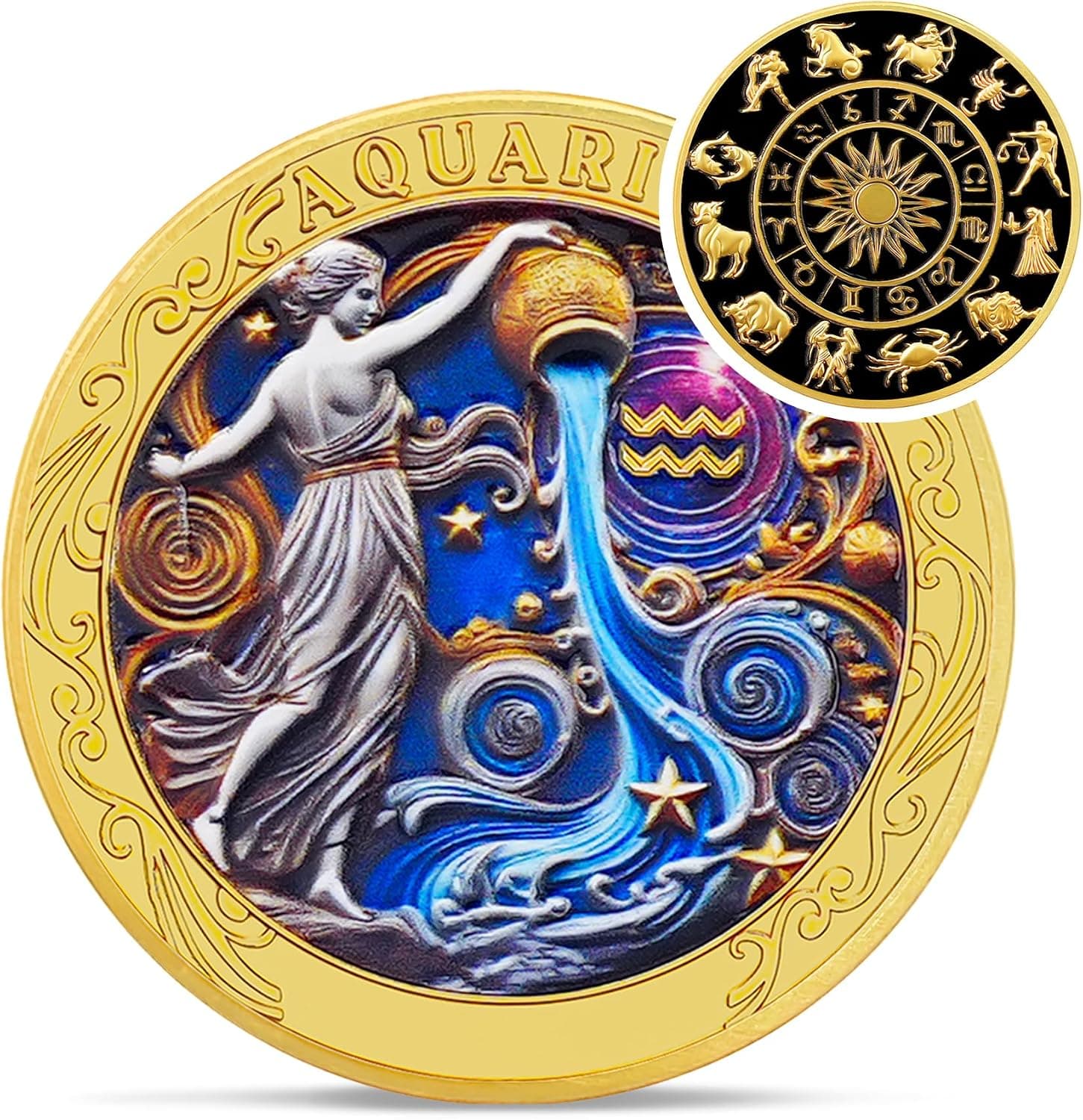
-20%Aquarius 12 Zodiac Challenge Coin - Twelve Constellations Aquarius Protective...
 -29%
-29%Karma and Luck March Birthstone Crystal Tree of Life, Aquamarine Gemstone Fen...
 -29%
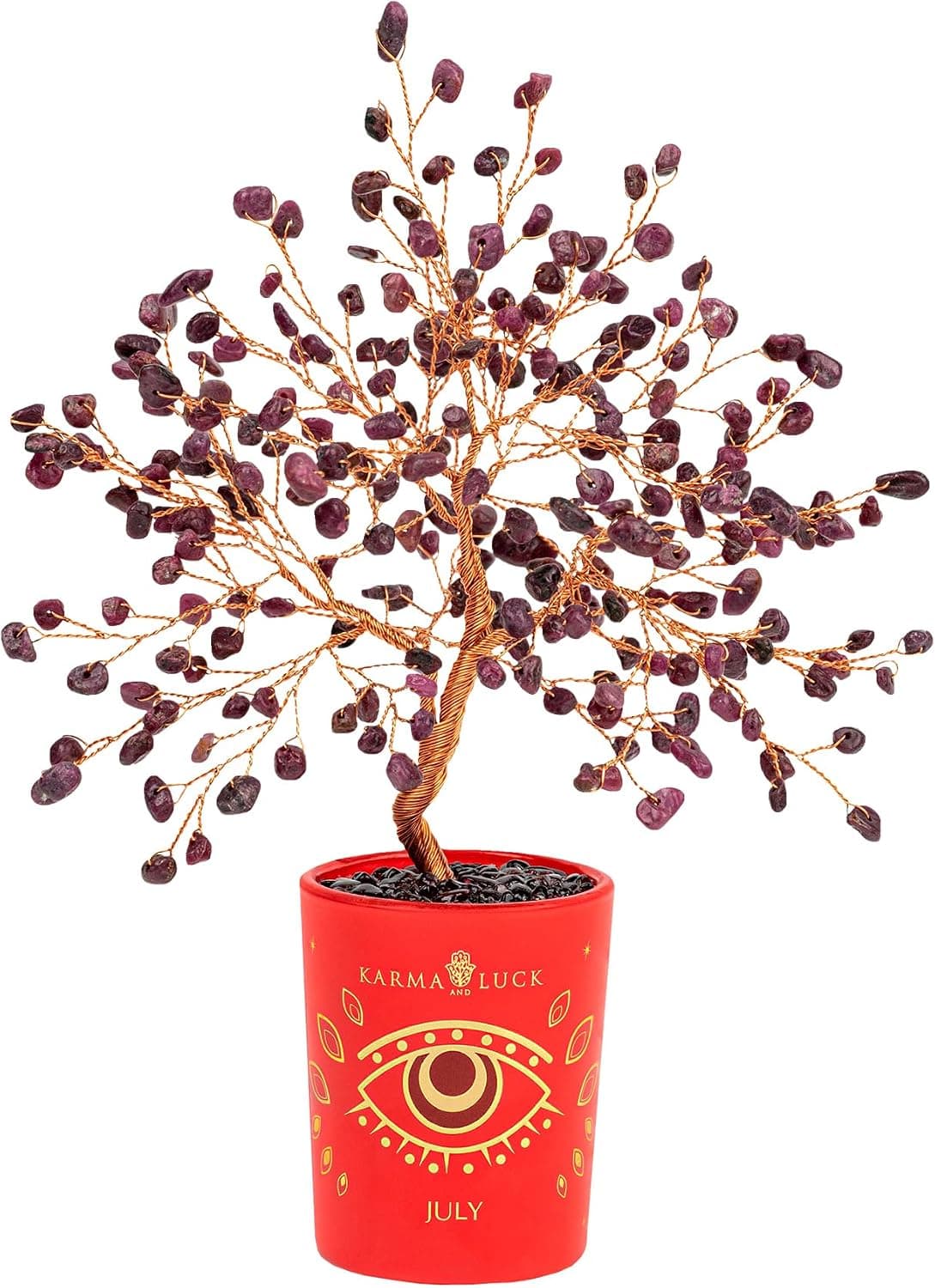
-29%Karma and Luck July Birthstone Crystal Tree of Life, Ruby Gemstone Feng Shui ...
 -29%
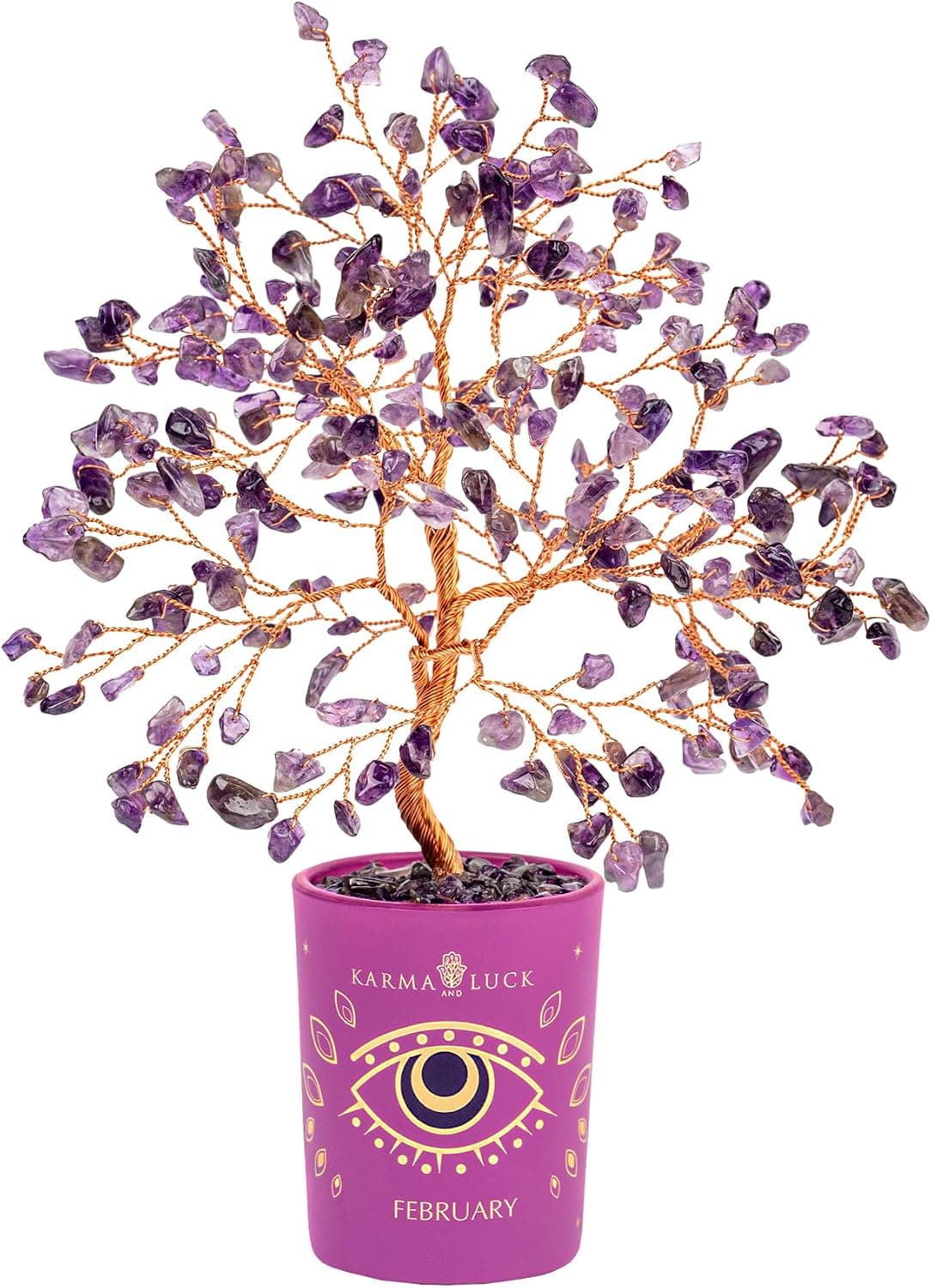
-29%Karma and Luck February Birthstone Crystal Tree of Life, Amethyst Gemstone Fe...
As an Amazon Associate, we earn from qualifying purchases. We only recommend items our practitioners have personally tested.
Continue Your Journey
Explore these related guides to deepen your understanding:

The I Ching Doesn't Answer Lazy Questions — Here's What to Ask Instead
8 min readConfucian Commentary Turns the I Ching Into a Moral Floor Plan
9 min readBroken Lines, Solid Lines, and the Real Yin-Yang Logic of the I Ching
11 min readThe Wilhelm I Ching Feels Deep Because It Slows Your Reading
11 min readReady for Deeper Guidance?
Try our free I Ching reading for personalized wisdom, or explore our curated Feng Shui essentials.