Stop treating each hexagram like a one-off omen; a careful journal reveals patterns your memory will miss.
When the same hexagram keeps showing up, your memory starts lying to you
That is the moment most people notice they need a record. They pull a reading on a Tuesday, swear they will remember the question, the changing lines, and the exact advice, then two weeks later they can barely recall whether it was Hexagram 24 or 42. The result is predictable: the book feels mysterious, but the learning never compounds.
I saw this with a teacher in Oakland who kept three loose sheets in a kitchen drawer, all covered in half-legible notes and coffee rings. Her questions were sharp, but the paper trail was not. After a month, she could not tell whether the pattern was in the oracle or in her own habits. That is where an first I Ching reading often becomes the beginning of a real practice instead of a fleeting event.
The fix is not fancy. It is disciplined. You do not need a mystical notebook, ornate brushes, or a perfect handwriting style. You need a place where the question, the time, the cast, and the result can live together long enough to teach you something.
And yes, the surprise is this: the journal is often more useful than the reading itself. The reading opens the door. The log shows you which rooms you keep entering.
What to record so the pattern becomes visible
If you are wondering about i ching journal how to keep reading log, start with four things every single time: the question as you actually asked it, the date and time, the hexagram with moving lines, and a short note about what was happening in your life. Keep it plain. The oracle does not need decoration to be effective. It needs context.
Write the question exactly as spoken if you can. That matters more than people expect. "Should I leave my job?" and "How do I prepare for a better role over the next six months?" are not the same question, and the answer will not behave the same way either. The first is a cliff edge; the second is a path.
Then note the outcome in a way that is honest, not theatrical. Do not write, "This was amazing," and stop there. Write what shifted, what did not shift, and what you noticed in the following days. If a reading points to restraint, did you actually pause before replying to that difficult email? If it points to waiting, did you keep pushing anyway? This is where the journal earns its keep.
One client of mine, an architect named Daniel, used a black Moleskine notebook and a red pen for changing lines. He cast from his desk in a room with a blue lamp, a stack of floor plans, and a half-finished cup of tea. Over eight weeks, he noticed a repeat pattern: whenever he asked about timing while standing in the cluttered studio doorway, the answers felt scattered; whenever he sat at the clean drafting table first, the readings felt far more coherent. That observation did not come from the hexagrams alone. It came from the log.
If you want an even cleaner method, copy the structure of your page every time. Question. Method. Result. Reflection. Short, consistent, unforgiving. A good log is boring in the best possible way.
How I would set up the page
Use one page per consultation if you can. Top left: date, time, location, and the method you used, whether coins, yarrow, or an online cast. Top center: the exact question. Top right: the hexagram and any moving lines. Beneath that, leave room for three brief sections: immediate impression, later confirmation, and lessons learned. That layout keeps the record readable months later, which is when it starts paying rent.
Do not crowd the page with commentary before the cast. That is a common trap. People write six paragraphs about their emotions, then squeeze the actual result into the margin. Flip that. Capture the result first, then add the emotional weather. The result is the spine. The emotion is the sky around it.
Some readers like to add a small symbol for the season, moon phase, or room where they asked. I do that when the environment feels relevant. A reading at the dining table under warm light can feel very different from one taken in a hallway at midnight. The point is not superstition. The point is noticing conditions that shape your attention.
If you also study the text closely, keep your translation notes separate from your life notes. This matters more than beginners realize. A passage can inspire you, but your lived response is the real laboratory. If you are comparing versions, a resource like the best translation options can help you keep the wording straight without turning your journal into a debate club.
There is another practical benefit. When you return to old entries, you can see your own bias. Some people keep asking the same question in different clothes because they want reassurance, not guidance. The log exposes that pattern quickly. It is humbling. Good. Humility improves divination.
What to do after the reading, not just during it
Many people treat a consultation like a sealed envelope: open it, feel impressed, and move on. That is not how the practice matures. The real work starts after the page is closed. Come back to the entry within twenty-four hours and write one sentence about what the reading asks you to do differently. Not what it predicts. What it asks. That distinction changes everything.
Then revisit the same entry after a week, a month, and, if it was a serious question, after a season. You are looking for correspondence, not instant drama. Sometimes the answer appears through a conversation you almost missed. Sometimes through a delay. Sometimes through the uncomfortable realization that you asked the wrong question in the first place.
If you are building a long-term practice, keep a summary page at the front of the notebook. List repeated hexagrams, repeated moving lines, and the life themes that tend to accompany them. That index becomes gold after six months. People assume wisdom arrives in thunderclaps. More often, it arrives as repetition you finally stop ignoring.
And here is the part that surprises most Western readers: the best logs are usually imperfect. They have crossed-out sentences, coffee marks, and a few pages where the answer was embarrassing. That is not a flaw. It is evidence that the record belongs to a living practice, not a performance.
Common mistakes that flatten the reading
The first mistake is writing vague questions. "What does my future hold?" sounds deep, but it is too broad to be useful. Ask about a decision, a relationship dynamic, a job transition, a conversation, or a specific window of time. Precision gives the oracle something to answer.
The second mistake is treating the journal like a trophy case. Some people only copy the passages that made them feel clever or validated. That creates a fake record. If you want a practice that actually teaches, also note the readings you disliked, resisted, or misunderstood. Those are often the ones that reveal the most later.
If you are working on related ritual objects or protective symbols in your home, you may notice that your attention to space also improves your record-keeping. For readers who want to understand how objects shape atmosphere, when a bagua mirror is appropriate is a useful reminder that placement and intention matter far more than decoration alone.
And do not over-polish the meaning in the moment. I have seen people force a noble interpretation onto a messy reading because they wanted certainty. That usually backfires. The journal protects you from that impulse because later evidence has the final word. Not your mood. Not your hope. Evidence.
Where the practice gets surprisingly honest
Here is what happens after a few months: your journal stops being a collection of answers and becomes a portrait of your own habits. You begin to see which questions you ask when anxious, which environments help you think clearly, and which repeated patterns you keep trying to outsmart. That is not glamorous. It is better.
A retiree I worked with kept her notes in a small green notebook beside a ceramic bowl in the bedroom. The room had cream walls, a brass lamp, and a scarf draped over the chair. She wrote every reading by hand for ten months, and one day she noticed that her most helpful answers came when she asked after tidying the bedside table first. Not because the table was magical. Because her mind was less crowded.
That is the heart of i ching journal how to keep reading log: you are not preserving trivia. You are training perception. When the entries are clear, your own life starts to look clearer too.
Frequently asked questions
How long should each entry be? Long enough to be useful later, short enough that you will actually finish it. Three or four solid lines can be enough if they capture the question, the cast, and the next action. A page is fine when the issue is serious, but brevity keeps the habit alive.
Should I write before or after I interpret the hexagram? Start by recording the raw cast before interpretation. That preserves the original question and result in case your first reading of the text is colored by hope, fear, or impatience. After that, add your interpretation in a separate section so the two layers do not blur together.
What if I keep getting confused by the same answer? Good. Confusion often means you are near a real lesson rather than a flattering one. Re-read the older entries and compare the surrounding life events; the pattern is usually there before the meaning is obvious.
Do I need a special notebook for this? No, and that is the pleasant surprise. A plain notebook works beautifully if you use it consistently. What matters is that you can return to it easily and trust that the record is complete enough to teach you something later.
David Liu
Traditionally informed guidance • Cross-referenced with classical Chinese source texts
Interpretations cross-referenced with the Zhouyi (周易) and Wilhelm/Baynes translation.
Practitioner-Selected Tools for This Topic
Items our team has tested and found effective for the principles discussed above. Individual results may vary.
 -20%
-20%Aquarius 12 Zodiac Challenge Coin - Twelve Constellations Aquarius Protective...
 -29%
-29%Karma and Luck March Birthstone Crystal Tree of Life, Aquamarine Gemstone Fen...
 -29%
-29%Karma and Luck July Birthstone Crystal Tree of Life, Ruby Gemstone Feng Shui ...
 -29%
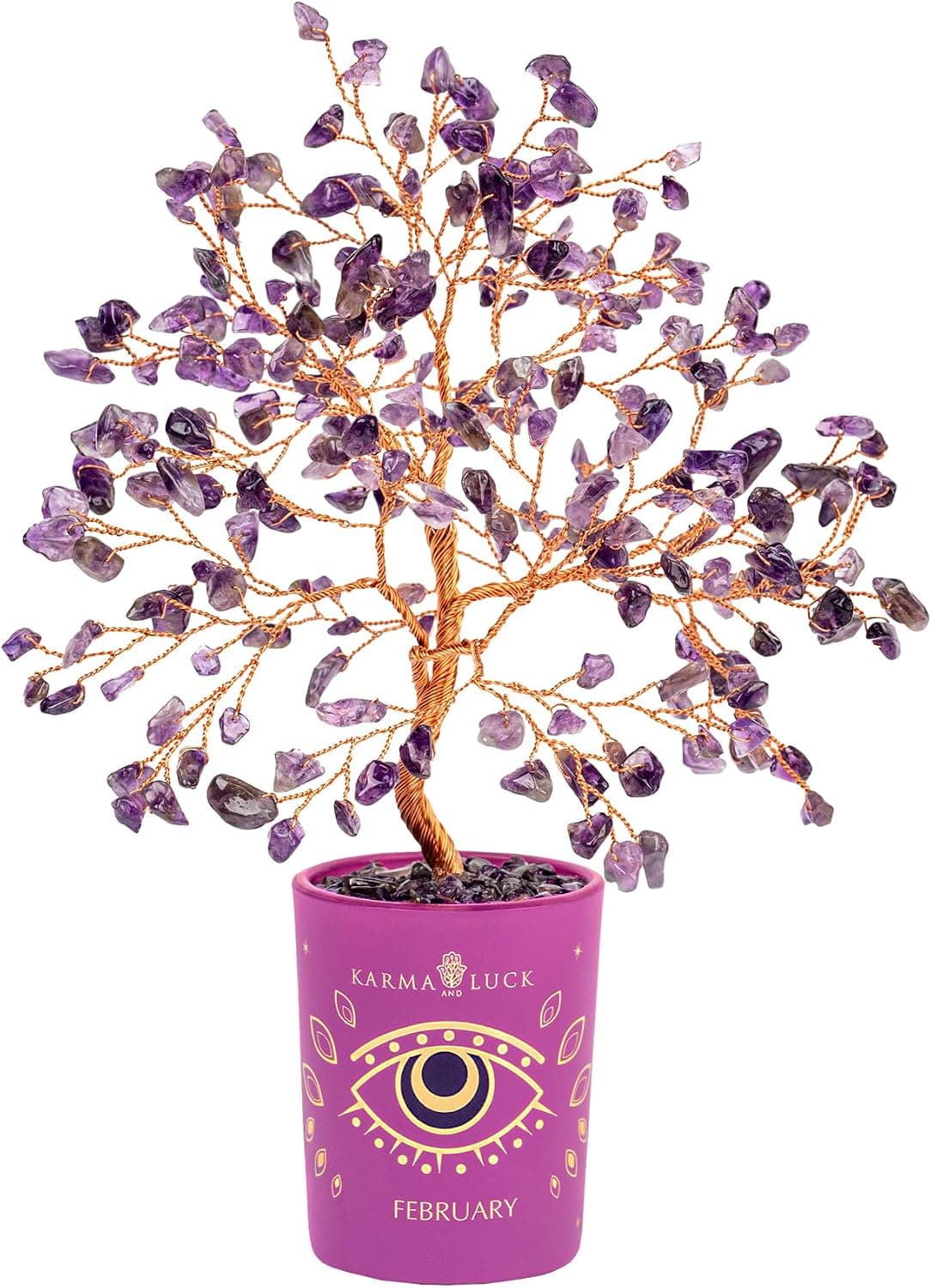
-29%Karma and Luck February Birthstone Crystal Tree of Life, Amethyst Gemstone Fe...
As an Amazon Associate, we earn from qualifying purchases. We only recommend items our practitioners have personally tested.
Continue Your Journey
Explore these related guides to deepen your understanding:

The I Ching Doesn't Answer Lazy Questions — Here's What to Ask Instead
8 min readConfucian Commentary Turns the I Ching Into a Moral Floor Plan
9 min readBroken Lines, Solid Lines, and the Real Yin-Yang Logic of the I Ching
11 min readThe Wilhelm I Ching Feels Deep Because It Slows Your Reading
11 min readReady for Deeper Guidance?
Try our free I Ching reading for personalized wisdom, or explore our curated Feng Shui essentials.