Small, repeated influence beats force when the room is already charged.
When the air feels calm, but nothing moves
I walked into a narrow study once and knew the problem before anyone spoke. The desk was pushed hard against a window, two tall lamps stood like sentries on either side, and a deep blue curtain blocked most of the light. The teacher who lived there kept saying she felt "stuck," yet the room itself had been saying that for months. That is the kind of situation where the i ching hexagram 57 gentle wind meaning becomes useful: not as a slogan about softness, but as a map for how subtle force gets into a resistant space.
Hexagram 57 does not ask you to shove. It asks you to penetrate. That sounds pleasant until you realize penetration, in the I Ching sense, is patient, repeated, and slightly uncomfortable. Wind reaches places that fists cannot. It slips under doors, around corners, and into habits. If you want the deeper reading of this hexagram, stop thinking about charm and start thinking about consistency.
That distinction matters more than people expect. I have seen careers stall because someone kept waiting for one dramatic breakthrough, when the situation needed five quiet adjustments over three weeks. The old text is blunt in its own way: gentle influence is not weak influence. It is influence that keeps arriving.
What Hexagram 57 is really asking for
The image of Wind over Wind creates repetition. One breeze moves leaves. A second breeze carries the smell of rain. A third changes the temperature of the whole street. That is the felt quality of this hexagram: the same small action, applied again and again, begins to alter the field around it.
If you are reading this for a relationship, a business decision, or a house that never quite settles, the message is rarely "force a result." More often it is "change the conditions." A person softens after being listened to three times, not once. A blocked project advances after the email gets sent, the follow-up gets sent, and then the awkward phone call finally happens. The change is cumulative.
This is why the hexagram of attraction and mutual response is a useful neighbor to consult. Hexagram 31 moves by resonance. Hexagram 57 moves by consistent penetration. One is the spark. The other is the steady draft that keeps the candle alive long enough to matter.
There is a social side to this too. Gentle wind often points to persuasion, but not the glossy kind people imagine. It favors credibility over performance. It favors a person who keeps their word, answers the message, and shows up on time. That sort of influence looks unimpressive right up until it changes the entire room.
And here is the surprise: this hexagram can show up when you are being asked to be more direct, not less. Gentle does not mean vague. Wind finds a way because it has direction.
Where people misread the message
Many readers confuse softness with passivity. That mistake gets expensive. A retiree I worked with in Oakland had an elegant dining room with pale oak furniture, cream walls, and a glass cabinet full of untouched crystal. She kept hoping the room would "feel harmonious" on its own. It did not. The energy was polite, but lifeless. Once we moved the cabinet away from the main line of sight, replaced the heavy burgundy table runner with a lighter linen one, and began using the room twice a week for actual meals, the atmosphere changed within ten days. Not because of decoration alone. Because the room was finally asked to do its job.
That is a good lesson for this hexagram. Gentle influence without purpose drifts. Gentle influence with purpose lands.
Another common misunderstanding: people hear "wind" and think speed. Hexagram 57 is not speed. It is repetition, diffusion, and the ability to get under resistance without triggering a wall. You do not bully the door. You keep testing the latch. You notice where the gap is.
For this reason, the hexagram often appears when someone has tried every obvious move. The loud options have failed. The grand plan has stalled. The answer is rarely more intensity. It is better placement, better timing, and one cleaner message.
If you want to compare this with a more inward reading, hexagram 20 contemplation meaning helps you see how observation prepares the field before action begins. Contemplation watches. Gentle Wind moves what contemplation has learned to see.
One sentence can shift a conversation. One corrected habit can change a month. One repeated boundary can transform a household.
How to work with the hexagram in real life
Start by identifying where force has failed. Be honest. Maybe it is the inbox that keeps overwhelming you. Maybe it is the child who ignores reminders because the schedule itself is chaotic. Maybe it is the bedroom where the clutter at the foot of the bed makes every night feel unfinished. The I Ching does not reward self-deception. It rewards accurate reading.
Then choose the smallest effective action and repeat it. If the issue is communication, send the same clear message in a calmer form, then follow up on schedule. If the issue is a room, remove one obstructive object, improve one path of movement, and leave space for the eye to rest. If the issue is a habit, set a cue that happens every day at the same time. Wind works because it keeps moving through the same opening.
Here is the practical sequence I use with clients:
First, reduce resistance. Clear the obvious obstacle. That might be a pile of paperwork on the dining table, a chair blocking a doorway, or a relationship habit that turns every conversation into defense.
Second, create a repeatable channel. Use the same location, the same time, or the same signal. Consistency is not glamorous, but it is how influence accumulates.
Third, watch the response closely. Gentle wind does not demand immediate drama. It asks you to notice tiny shifts: less tension at bedtime, fewer missed messages, better eye contact, easier movement through the hallway.
Fourth, avoid overcorrecting. When progress begins, people often get impatient and add extra remedies. That is like opening five windows because one fresh breeze finally arrived. The room does not need your nervousness.
I have seen this work in a bedroom with white walls, a cedar chest, and a black metal bed frame. The couple kept arguing about sleep until we moved a wall mirror that reflected the pillow from the doorway, swapped a bright red throw for muted gray, and removed a noisy fan from the corner. None of those changes were dramatic on their own. Together, they made the room stop acting like a corridor and start acting like a retreat. That is gentle wind at work.
If you are adjusting a home alongside your reading, the principle lines up well with the restrained steadiness described in hexagram 15 modesty meaning. Modesty keeps the ego from interfering. Gentle Wind keeps movement effective.
What the moving lines are trying to warn you about
When this hexagram appears with changing lines, pay attention to whether the influence is entering cleanly or becoming invasive. Wind can refresh a room, but a draft can also unsettle it. That is the whole warning in one image. A good nudge becomes a bad pressure when it stops respecting boundaries.
This matters in family systems. A parent who keeps "checking in" may actually be wearing everyone down. A manager who repeats a point ten times may not be clarifying anything. A partner who keeps revisiting the same topic may be mistaken for caring when the real issue is anxiety. The hexagram asks for penetration, not suffocation.
So the test is simple: is your influence making things easier to move through, or harder? If it creates more defensiveness, you have moved from wind into force.
Linking the reading back to the bigger pattern
At the pillar level, this hexagram belongs to the family of how change enters a system. It is not about the final outcome alone. It is about the medium through which change arrives. That is why the first reading of the I Ching often feels so personal: the book does not only answer your question, it reveals your style of approaching the world.
In the wider sequence of hexagrams, gentle influence often follows a time when something has become rigid. The wind returns movement to what has hardened. It is the opposite of panic. It is the opposite of spectacle. And it is usually more effective than either.
Read that again if you need to. A little force goes a long way when it is repeated with intelligence. But without patience, it becomes noise.
How to apply this reading this week
Pick one area where you have been pushing too hard. Then cut the effort in half and improve the precision. Write one cleaner email instead of three anxious ones. Move one object that blocks the path in your home instead of reorganizing the whole room. Make one promise you can actually keep. That is enough to begin.
For feng shui, I would look first at what slows movement: cramped entryways, heavy visual clutter, mirrors aimed at rest areas, and overly dominant colors in spaces meant for recovery. In a home office, I often look for a desk arrangement that forces the body to tense before work even starts. In a bedroom, I watch for anything that makes the room feel watchful instead of restful.
Remember this line: gentle does not mean uncertain. If you know where the change needs to go, the work becomes much simpler. Your job is to keep the channel open.
One last point. People love dramatic spiritual language because it flatters their urgency. Hexagram 57 does the opposite. It tells you to be subtle, regular, and awake. That advice is less exciting than a miracle. It is also much more useful.
FAQ
Does Hexagram 57 mean I should wait and do nothing?
Not at all. Waiting is passive; gentle influence is active. You still move, but you move with smaller, cleaner steps that can actually enter the situation instead of bouncing off it.
Is this hexagram always about communication?
Communication is one of its main themes, but it is broader than that. It can describe habits, home adjustments, leadership style, or any situation where repeated, subtle action shapes the outcome.
What if the reading feels too soft for my problem?
That is usually a sign the problem is already overloaded with force. Surprising as it sounds, the more resistance you are meeting, the more valuable a quiet approach becomes. Try one precise adjustment and watch what opens.
If you want the broader context for how this energy fits within the I Ching system, revisit the meaning of Return and notice how renewal often begins with a very small movement in the right direction.
David Liu
Traditionally informed guidance • Cross-referenced with classical Chinese source texts
Interpretations cross-referenced with the Zhouyi (周易) and Wilhelm/Baynes translation.
Practitioner-Selected Tools for This Topic
Items our team has tested and found effective for the principles discussed above. Individual results may vary.
 -20%
-20%Aquarius 12 Zodiac Challenge Coin - Twelve Constellations Aquarius Protective...
 -29%
-29%Karma and Luck March Birthstone Crystal Tree of Life, Aquamarine Gemstone Fen...
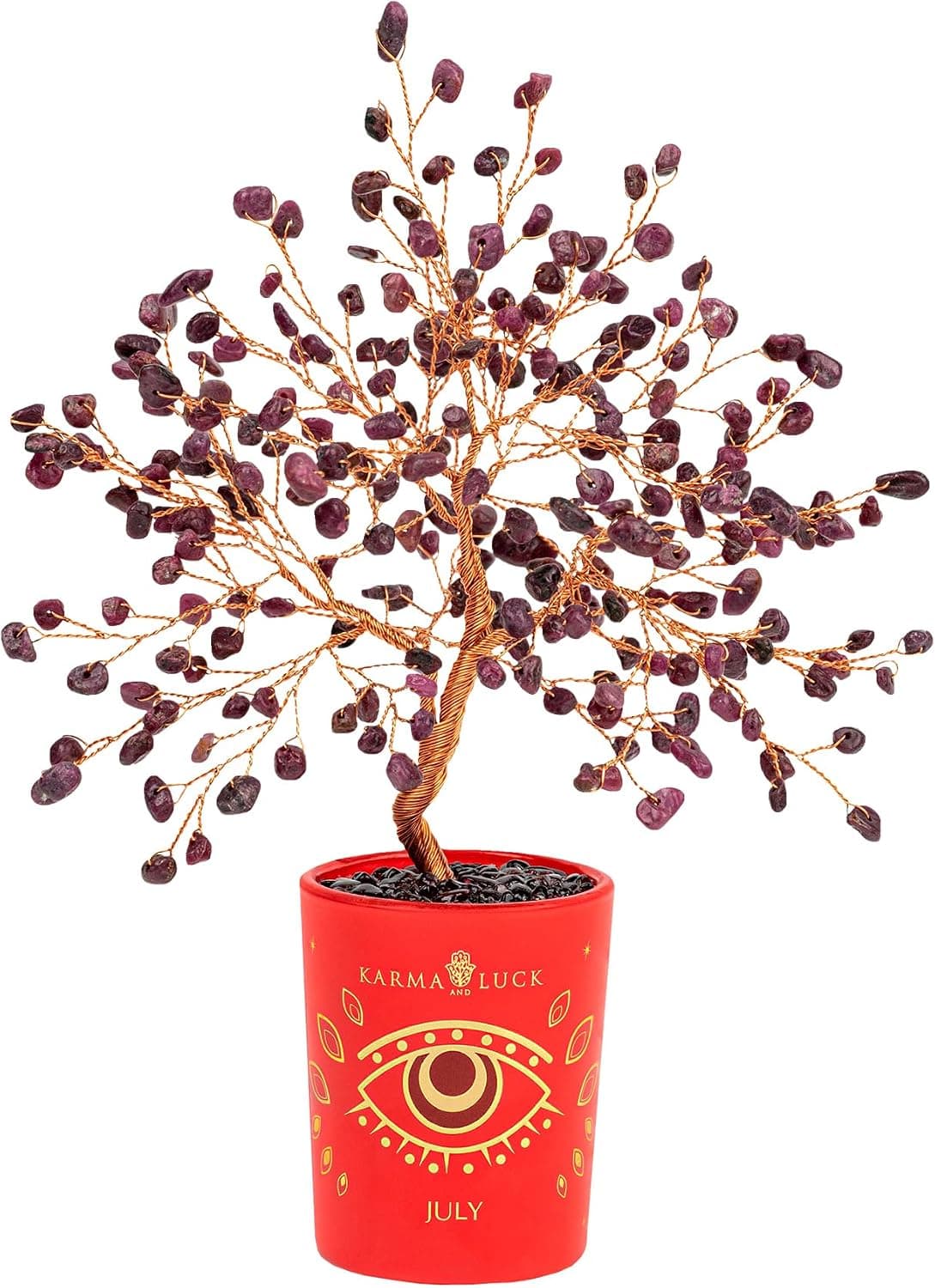 -29%
-29%Karma and Luck July Birthstone Crystal Tree of Life, Ruby Gemstone Feng Shui ...
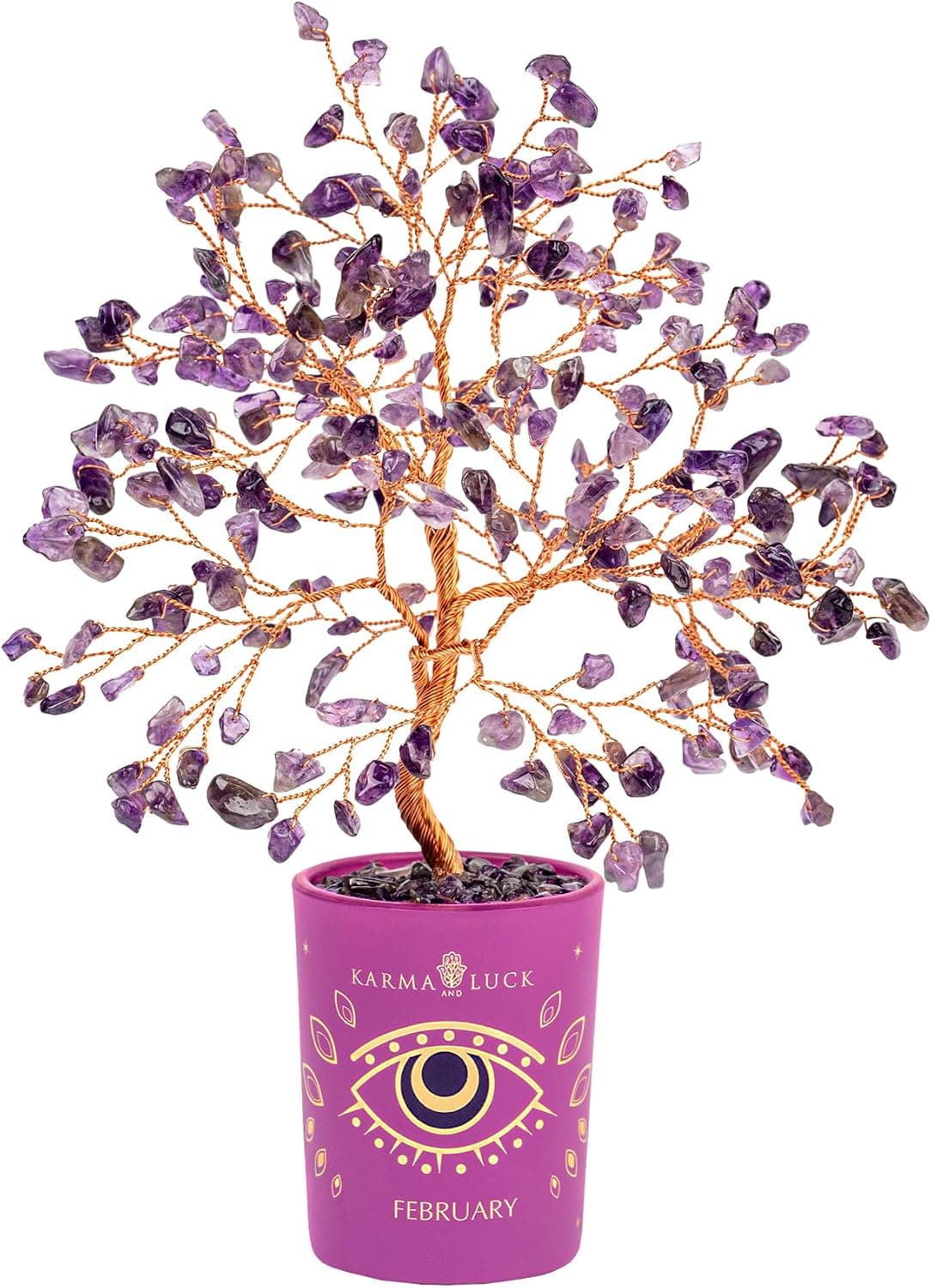 -29%
-29%Karma and Luck February Birthstone Crystal Tree of Life, Amethyst Gemstone Fe...
As an Amazon Associate, we earn from qualifying purchases. We only recommend items our practitioners have personally tested.
Continue Your Journey
Explore these related guides to deepen your understanding:

The I Ching Doesn't Answer Lazy Questions — Here's What to Ask Instead
8 min readConfucian Commentary Turns the I Ching Into a Moral Floor Plan
9 min readBroken Lines, Solid Lines, and the Real Yin-Yang Logic of the I Ching
11 min readThe Wilhelm I Ching Feels Deep Because It Slows Your Reading
11 min readReady for Deeper Guidance?
Try our free I Ching reading for personalized wisdom, or explore our curated Feng Shui essentials.