Hexagram 52 looks quiet on the surface, but it can demand the hardest discipline of all: not reacting.
A mountain that refuses to chase the wind
There’s a particular kind of silence in a room that has gone too far. I’ve stood in bedrooms where the lamp glowed amber, the curtains were half open, and the bed faced a door like it was bracing for impact. Nothing was loud. Everything was agitated.
That is the feeling Hexagram 52 gives me most often. Not laziness. Not escape. A held position. A pause so complete that your nervous system finally notices how much it has been thrashing.
People often misunderstand stillness as passivity. They picture doing nothing and hoping life kindly rearranges itself. That is not what this hexagram asks for. It asks for restraint with purpose, like a mountain that knows exactly where it stands.
And that distinction matters, because the i ching hexagram 52 keeping still meaning is not about becoming frozen in fear. It is about knowing when movement would scatter your energy, ruin your timing, or make a problem bigger than it already is.
Stillness is a discipline, not a mood
Hexagram 52, Gen, often gets flattened into “be quiet” or “wait.” That is too shallow. In practice, it speaks to self-command. The head stops chasing every signal. The mouth stops answering too quickly. The body stops fidgeting long enough to hear what is actually happening underneath the noise.
That’s why this hexagram can feel uncomfortable to modern readers. We are trained to respond, explain, perform, and improve immediately. But Gen says: hold your place first. Not forever. Just long enough to see what is real.
One way to understand it is through the body. When a person is overstimulated, every tiny decision burns energy. Stillness restores order. It is the difference between a hand reaching for the phone every three minutes and a hand resting flat on the table, unmoved.
In the first reading of the I Ching, people often expect a dramatic instruction. Hexagram 52 can be more exacting than that. It does not flatter you. It tells you to stop pushing on a door that opens inward.
Where keeping still turns from wisdom into stubbornness
This is where readers get tripped up. Stillness can be clean and intelligent, or it can become a polished form of avoidance. They are not the same thing, though they can look identical for a while.
Clean stillness has a reason. It pauses to preserve clarity, dignity, or timing. Avoidance hides under the same posture, but the motive is fear. Fear of conflict. Fear of failure. Fear of being seen trying and not succeeding.
I once walked into a small second-floor office above a bakery in Portland where a young architect had set her desk directly under a slanted ceiling beam. The room looked elegant: charcoal walls, white shelves, one brass desk lamp. But she kept saying she felt “stuck.” Her calendar was full, yet every proposal took twice as long as it should. The problem was not the workload alone. She had placed her chair in a position where she could not see the room’s entrance without twisting her neck, and she had stacked unfinished site plans in a black tray to her left until the whole corner felt sealed off. The energy in that office was defensive. It mirrored her behavior. She kept waiting for momentum, but what she needed was containment and a deliberate pause. The moment she cleared the tray, rotated her chair, and stopped saying yes before thinking, the room changed. So did her pace. Not overnight. Over two weeks. That is how real stillness works.
Hexagram 52 is famous for the image of the back, the body’s support, the place that must remain steady when the rest of you wants to twist. That detail is not decorative. It points to the inner structure. If your back is unstable, your attention is unstable. If your attention is unstable, your choices become reactive.
This is why the pairing of stillness with boundaries is so important. Hexagram 52 is close in spirit to Hexagram 15’s modest restraint, but they are not identical. Modesty lowers the profile. Stillness locks in the spine. One softens pride. The other stops momentum long enough for wisdom to arrive.
The upper and lower mountains: what the image is really saying
The image of two mountains stacked together is beautiful because it feels impossible. A mountain does not climb another mountain. It simply remains. When that image appears twice, the message deepens: inner and outer stillness must match.
If your inner life is frantic, outer calm will not last. If your outer life is chaotic, inner quiet becomes difficult to sustain. Hexagram 52 asks for alignment. It wants your thoughts, speech, and actions to stop yanking in three different directions.
That is why this hexagram can show up when someone is trying to make a major decision too early. They want certainty before stillness. Wrong order. First settle the mind. Then observe. Then act.
There is also a subtle warning here about pride. Some people refuse to move because they believe movement would mean weakness. They cling to their position as if changing course were an admission of defeat. It is not. Sometimes the wise person stops because they know the next step must be earned, not forced.
Compared with Hexagram 20’s wider view of contemplation, Gen is narrower and firmer. Contemplation looks out. Stillness turns inward and downward, into the base of things. You are not surveying the field. You are anchoring your feet.
How this hexagram behaves in real life
Let me be blunt: people love the idea of stillness until it costs them speed, attention, or control. Then they call it boring. Or worse, they think it means nothing is happening. That is exactly when the work is happening.
Here are the usual situations where this hexagram appears. A relationship is heating up and a wise pause would prevent a mess. A business decision is urgent, but the numbers are not clean yet. A family conflict has everyone speaking too quickly. Or a person is exhausted and trying to solve fatigue with more effort.
Sometimes the message is physical. A client with a grey-blue meditation corner in her apartment kept pulling this hexagram during a period of migraines. She had a tall mirror facing her chair, a white ceramic fan on the shelf, and a habit of checking messages while supposedly resting. The room looked serene, but it behaved like a corridor. Once she removed the mirror, closed the fan cabinet, and left her phone in another room for an hour each evening, the migraines eased within ten days. The body knew before the mind did.
That is the surprise with Gen: it can be deeply practical. It is not mystical fog. It is energetic discipline. The mountain doesn’t need applause. It just holds.
What to do when you receive Hexagram 52
Start by reducing unnecessary motion. Not all motion. Unnecessary motion. There is a difference, and it matters. If you are tempted to send the text, make the pitch, or force the conversation, wait one breath longer than feels comfortable.
Then identify the one place in your life where you are overreacting to uncertainty. That might be your desk, your bedroom, your inbox, your spending, or your tone of voice. Hexagram 52 usually points to a system that needs more containment, not more stimulation.
At home, I would look first at the bedroom. Is the bed commanding the room, or is the room commanding the bed? Is the headboard solid? Is the path to the door clear? Is there clutter under the bed that keeps the body from fully settling? These are not trivial details. They teach the nervous system whether it can stop scanning.
For work decisions, use a short stillness ritual. Write the question on paper. Sit with it for fifteen minutes without checking your phone. Then write one sentence: “What I know for sure is…” That simple line cuts through fantasy. It also exposes panic.
If you want a deeper reading of how stillness relates to the larger movement of the I Ching, return to Hexagram 24’s rhythm of Return. Return and stillness are cousins. One comes back to the center. The other refuses to leave it.
When stillness is the right answer—and when it is not
Here is the hard part. Hexagram 52 is not a license to avoid action indefinitely. A mountain can become a tomb if you confuse stability with refusal. After enough observation, the still person must move with precision.
So ask three questions: What am I trying to protect? What am I afraid will happen if I act? What would change if I waited one day, not one month? Those questions separate true restraint from paralysis.
The answer is often smaller than you expected. You do not need a grand strategy. You need a cleaner next step. One email. One cleared shelf. One honest sentence. One night of sleep without checking the clock twelve times.
The temptation, of course, is to turn every sign into a mandate for delay. That is sloppy thinking. Gen is not a blanket “no.” It is a precise “not yet,” or sometimes, “not that way.”
For those trying to understand the i ching hexagram 52 keeping still meaning in a modern life, that precision is everything. Stillness is not the absence of life. It is life held in perfect shape long enough to see the next ridge clearly.
Linking stillness back to the larger pattern
Gen often appears after movement has become costly. The cycle has turned. The mind is overheated. The room is too noisy. The body is asking for a boundary. In that sense, stillness is not a dead end. It is a reset point.
When people grasp this, they stop asking, “How do I make progress faster?” and start asking, “What keeps scattering my force?” That change in question is worth more than another week of frantic effort.
Hexagram 52 also belongs to the same family of lessons as working on what has gone stale and recognizing when something is falling away. All three ask for honesty. None of them reward denial.
If you are reading this because the hexagram appeared during a hard period, do not rush to make it inspirational. Let it be exact. Keep still where you are overextended. Move where the path is clear. That balance is the teaching.
FAQ
Does Hexagram 52 mean I should do nothing?
No. It means stop the kind of action that comes from agitation. Sometimes the most skillful move is to pause until your position is solid enough to support real progress.
Can this hexagram point to a bedroom or home issue?
Absolutely. Surprising as it sounds, clutter, a poor bed placement, or too much visual movement in a room can mirror the same energetic problem: no place to settle. The body reads the room before the mind explains it.
What is the best first response when I get this hexagram?
Reduce noise, delay impulsive decisions, and protect your attention for at least one day. Then look for the place where you are forcing movement instead of allowing order to emerge. That is usually where the answer lives.
David Liu
Traditionally informed guidance • Cross-referenced with classical Chinese source texts
Interpretations cross-referenced with the Zhouyi (周易) and Wilhelm/Baynes translation.
Practitioner-Selected Tools for This Topic
Items our team has tested and found effective for the principles discussed above. Individual results may vary.
 -20%
-20%Aquarius 12 Zodiac Challenge Coin - Twelve Constellations Aquarius Protective...
 -29%
-29%Karma and Luck March Birthstone Crystal Tree of Life, Aquamarine Gemstone Fen...
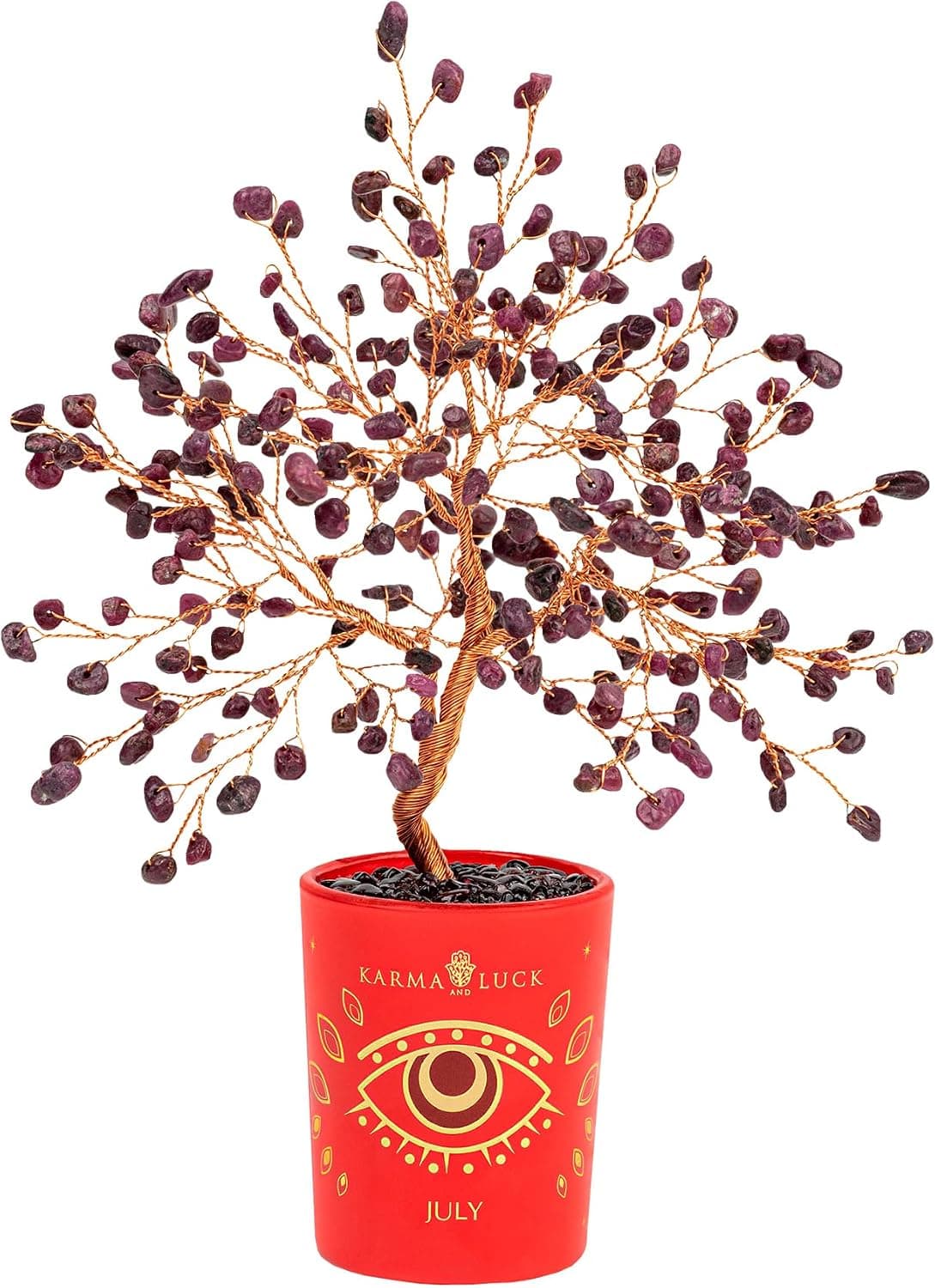 -29%
-29%Karma and Luck July Birthstone Crystal Tree of Life, Ruby Gemstone Feng Shui ...
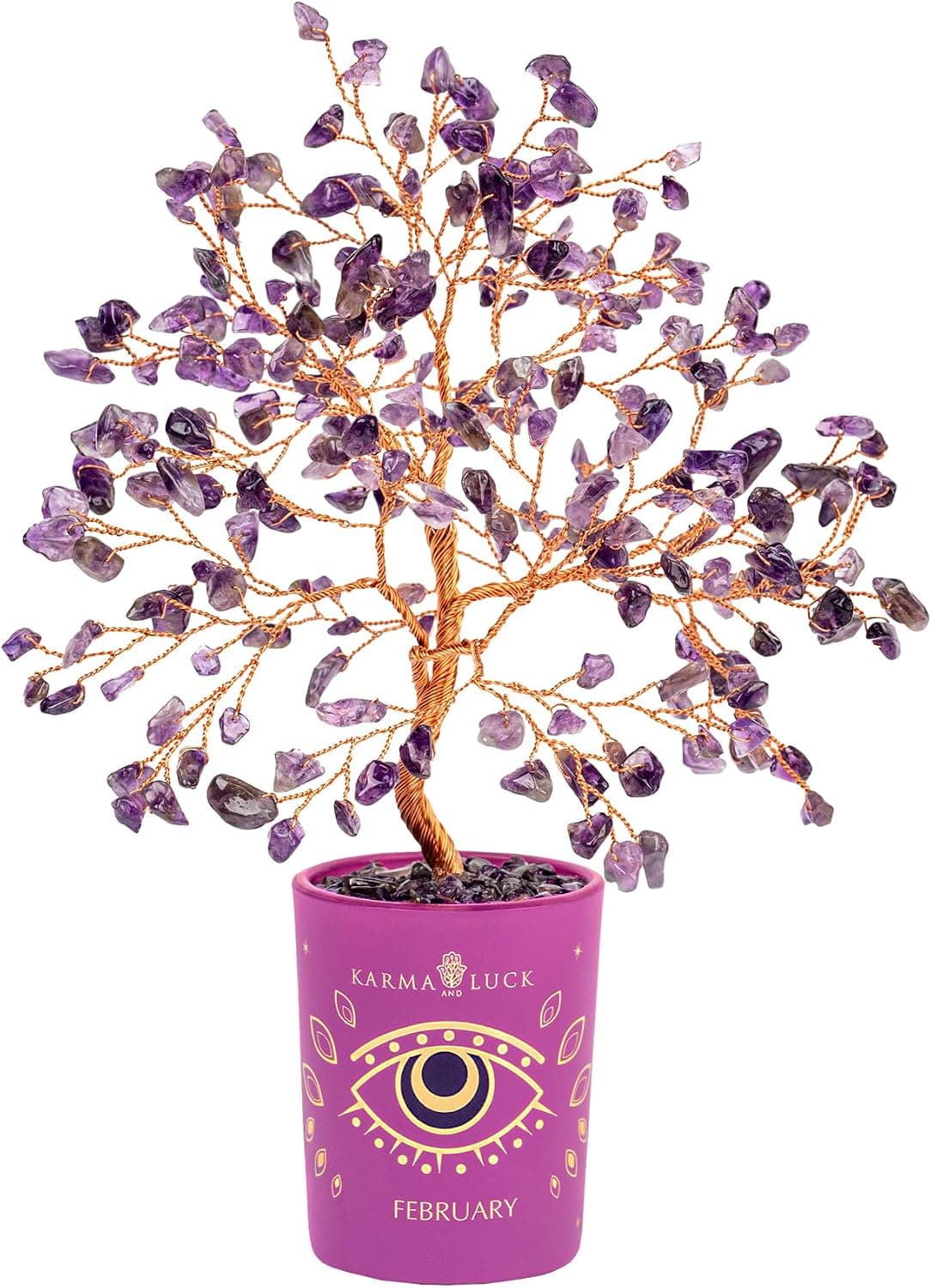 -29%
-29%Karma and Luck February Birthstone Crystal Tree of Life, Amethyst Gemstone Fe...
As an Amazon Associate, we earn from qualifying purchases. We only recommend items our practitioners have personally tested.
Continue Your Journey
Explore these related guides to deepen your understanding:

The I Ching Doesn't Answer Lazy Questions — Here's What to Ask Instead
8 min readConfucian Commentary Turns the I Ching Into a Moral Floor Plan
9 min readBroken Lines, Solid Lines, and the Real Yin-Yang Logic of the I Ching
11 min readThe Wilhelm I Ching Feels Deep Because It Slows Your Reading
11 min readReady for Deeper Guidance?
Try our free I Ching reading for personalized wisdom, or explore our curated Feng Shui essentials.