Hexagram 51 doesn’t arrive gently. It interrupts, exposes, and shows exactly where your life has gone numb.
The jolt that clears the room
I walked into a narrow blue-painted study last spring and saw the same thing I’ve seen dozens of times: a laptop left open, a glass of cold tea on the desk, and a man staring at the wall as if he had been physically hit by his own thoughts. He had just received a reading with Hexagram 51. Not because he wanted drama. Because life had gone flat, then suddenly loud.
That is the first mistake people make with thunder. They hear noise and assume chaos. In the I Ching, thunder is often the first honest movement after a long freeze. It does not ask permission. It wakes the nervous system, knocks pride off its chair, and forces attention back into the body. If you want a softer symbol, you will not like this one.
This is where the first reading many beginners take too seriously can help: you do not need to understand everything at once. You need to notice what is being interrupted. Hexagram 51 is not usually about a beautiful spiritual experience. It is about the moment your inner weather changes and you cannot pretend otherwise.
That is the heart of the i ching hexagram 51 thunder meaning: a startling event, a wake-up call, a clean shock that reveals where you have been drifting. And yes, sometimes the event is external. A phone call. A missed train. A sharp comment at dinner. But often the real thunder is internal, and that is the one people resist most.
What thunder actually does in a reading
Thunder belongs to movement, first impulse, sudden activation. In practice, it shows a pattern that has been sitting below the surface and now wants air. I do not read it as “bad luck.” That is lazy. I read it as a pressure release. Pressure becomes visible because it has reached its limit.
One client, a teacher named Elaine, kept getting interrupted by small electrical problems in her apartment: a flickering lamp in the hallway, a dead battery in the bedroom clock, then a breaker that tripped twice in one week. She laughed it off until her reading showed Hexagram 51. The message was blunt: her life had become so over-controlled that even the house seemed to protest. She quit saying yes to every school committee, slept better within ten days, and stopped waking at 3 a.m. with her jaw clenched.
That is the strange mercy of thunder. It breaks false stability.
If you know the energy of returning to what is true, you will recognize the difference. Return is quiet, almost tender. Thunder is not. Thunder says, “Enough delay. Move.”
People often want Hexagram 51 to mean a sudden breakthrough. Sometimes it does. More often it means you have reached the point where inaction is no longer possible. That can look like courage, but it can also look like embarrassment, frustration, or a body that finally refuses to cooperate with your denial.
The deeper layer: fear, shock, and revelation
Thunder in the I Ching is not only an event; it is a test of response. What happens to you when life shakes the floorboards? Do you scatter? Freeze? Laugh nervously and keep scrolling? The hexagram is watching your reflexes. That is why it matters so much in work, relationships, and health. It shows how you meet the unexpected.
Here is the part Western readers sometimes miss: shock is not automatically trauma. Sometimes shock is cleansing. A thunderclap clears stale air. A breaking point ends a lie. A sudden argument reveals the real issue that polite conversation has been hiding for months. Hexagram 51 often exposes what has become emotionally inert.
It can also point to a spiritual principle that sounds simple but is rarely practiced well: you do not have to understand a shock before you respond correctly to it. Sit up. Listen. Stop numbing out. Make one honest move. That is enough.
The observing stance of Hexagram 20 helps here because it reminds you not to confuse reaction with perception. Thunder may startle you, but it also reveals how quickly your mind invents stories. The thunder is real. The panic narrative is optional.
And there is a deeper surprise: sometimes the shock is the medicine. I have seen people cling to miserable routines because misery felt safer than change. Then one abrupt event cracked the shell. A job offer came and forced a decision. A partner left. A diagnosis arrived. Not pleasant. Still transformative.
How Hexagram 51 behaves in daily life
In practical terms, this hexagram often shows up when something is overdue: a conversation, a decision, a repair, a confession, a clean boundary. Thunder does not create truth from nothing. It reveals truth that has already been building pressure.
If the question concerns a relationship, look for the moment the dynamic became too tight to sustain. If it concerns work, look for the part of the job that has become mechanical, stale, or silently intolerable. If it concerns health, pay attention to body signals that have been dismissed as “stress” for too long.
And if you keep asking the same question while hoping for a different answer, thunder is not subtle about that either. It will keep knocking until you stop pretending the door is locked from the outside.
There is a reason this hexagram pairs so well with the sharp boundaries of influence and mutual responsiveness. What shakes you also affects others. Your nervous system is never isolated. A restless parent unsettles a house. A tense manager changes the mood of an office. A brave response can do the opposite.
So the question is not, “How do I avoid thunder?” The better question is, “What in my life is so stale that it now needs a jolt?”
Exactly how to work with the thunder message
Start with a notebook and write the exact area of life that feels unsettled. Be specific. Not “everything.” Not “my energy.” Write “my bedroom at 2 a.m.,” “the conversation with my brother,” or “the sales role that leaves me angry by Friday.” Thunder becomes useful when you name the place it lands.
Next, identify the first honest action. Not the perfect one. The first one. Send the email. Remove the object. Ask the question. Cancel the plan. Repair the thing. If you need to wait, wait deliberately, not passively. Thunder is not asking for theater; it is asking for movement with awareness.
Then check your environment for overstimulation. A living room with a flashing router light, a bright red throw, and three buzzing chargers can feel like a small storm all by itself. I once helped a retired architect in a second-floor apartment in Portland. His reading pointed to agitation, and the room matched it: a black television screen opposite the sofa, a crimson rug, and a pile of unopened mail on the coffee table. We moved the mail, softened the lighting, and unplugged two devices. Two nights later he said the room stopped feeling “electrically angry.” That is not magic. It is pattern recognition.
If your question is about timing, do not rush just because the symbol feels dramatic. Thunder asks for immediate truth, not impulsive damage. There is a difference. One is clean. The other is just noise wearing a costume.
When the message points toward disorder, compare it with the steadier discipline of Hexagram 15’s humility. Thunder can inflate ego if you mistake shock for destiny. Humility keeps you usable. It helps you respond instead of perform.
And if the reading seems to show a long-avoided breakdown, look closely at what is being protected by your resistance. Comfort? Image? Habit? Sometimes the thing you are most afraid to lose is the exact thing that has kept you stuck.
Thunder is not the same as chaos
Here is a common Western mistake: assuming every intense symbol means disorder. Not so. Thunder has rhythm. It is sudden, yes, but not random. It belongs to the natural sequence of things. A storm arrives, moves through, clears the air, and leaves the field changed.
That distinction matters because people often panic when life accelerates. They think acceleration means failure of control. In I Ching terms, it may mean the opposite. Control was never the right tool for this situation. Awareness was.
When Hexagram 51 appears in relation to family, money, or career, it often warns against procrastination disguised as caution. There is a difference between wise timing and fear with good manners. Thunder exposes that difference quickly.
Sometimes the safest response is to stop trying to stay safe in the old way.
Linking the shock to the larger pattern
Hexagram 51 does not stand alone. It belongs to a larger cycle of motion, interruption, reflection, and adjustment. If you want the broader map, return to the central teaching of the holding together principle. Community, structure, and shared direction can absorb shock better than isolated effort can.
That is one reason this hexagram can be so revealing in relationships. A partnership that cannot survive one honest conversation was never as stable as it looked. A team that falls apart under mild pressure was probably relying on avoidance, not cohesion.
At the same time, thunder can strengthen what is real. I have seen marriages improve after a brutal but truthful exchange. I have seen a business owner finally delegate after months of pretending he enjoyed burnout. The pattern is consistent: the shock removes illusion; what remains can be built on.
FAQ
Does Hexagram 51 always mean something bad is coming?
Not at all. The surprise is that it often signals necessary movement, not disaster. A jolt can expose a hidden problem, but it can also break a stale pattern that was quietly draining you.
How should I respond if I get this hexagram about a relationship?
Start by listening for the honest issue beneath the surface conflict. Say less at first, observe more, and make room for the conversation that has been avoided. If the relationship is healthy, truth will improve it.
What if the thunder feels overwhelming?
Then narrow your focus to one stabilizing act: sleep, water, clearing one space, or sending one clear message. Shock becomes manageable when you stop trying to solve your whole life in one hour. Begin with the next right move.
David Liu
Traditionally informed guidance • Cross-referenced with classical Chinese source texts
Interpretations cross-referenced with the Zhouyi (周易) and Wilhelm/Baynes translation.
Practitioner-Selected Tools for This Topic
Items our team has tested and found effective for the principles discussed above. Individual results may vary.
 -20%
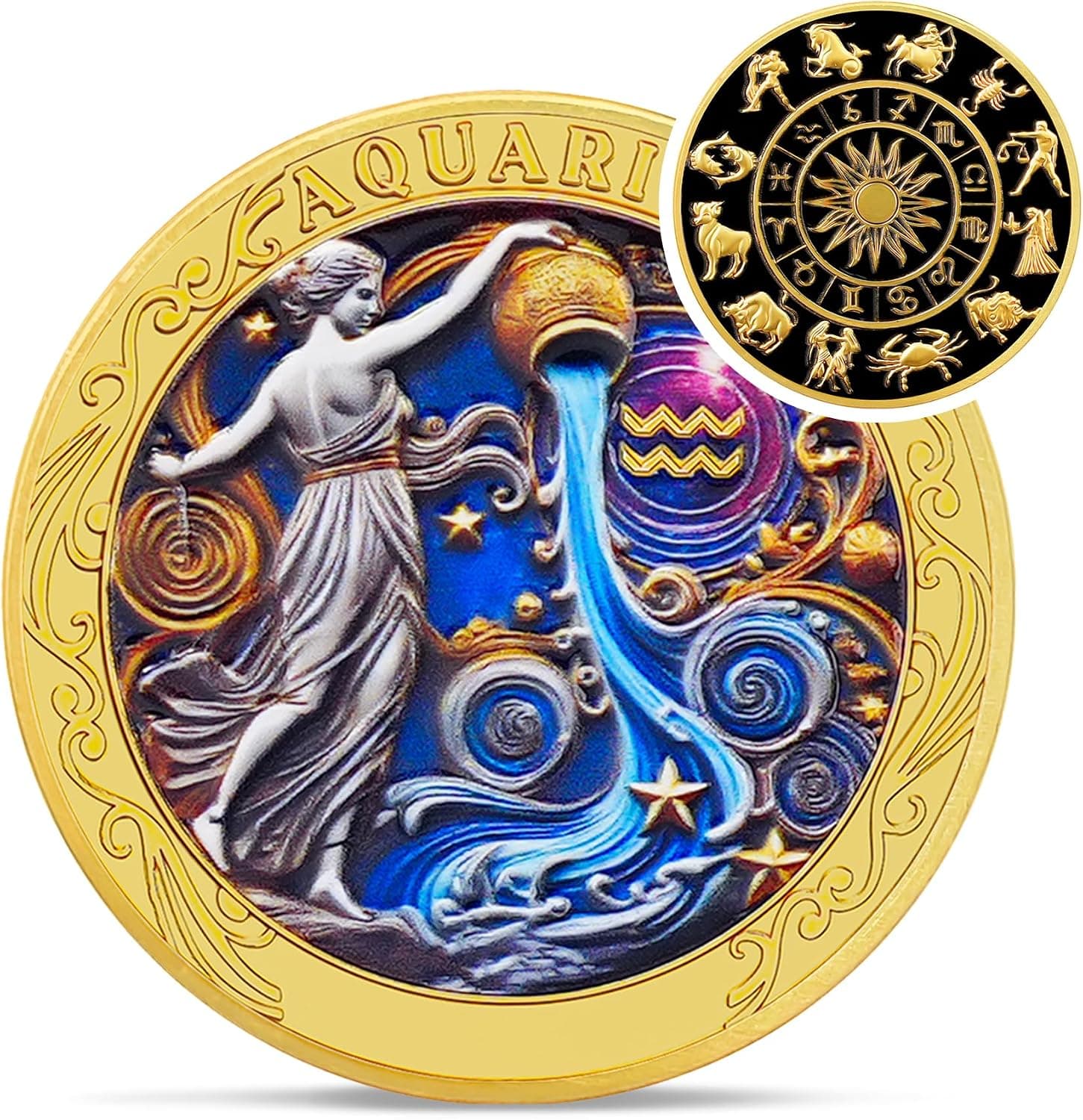
-20%Aquarius 12 Zodiac Challenge Coin - Twelve Constellations Aquarius Protective...
 -29%
-29%Karma and Luck March Birthstone Crystal Tree of Life, Aquamarine Gemstone Fen...
 -29%
-29%Karma and Luck July Birthstone Crystal Tree of Life, Ruby Gemstone Feng Shui ...
 -29%
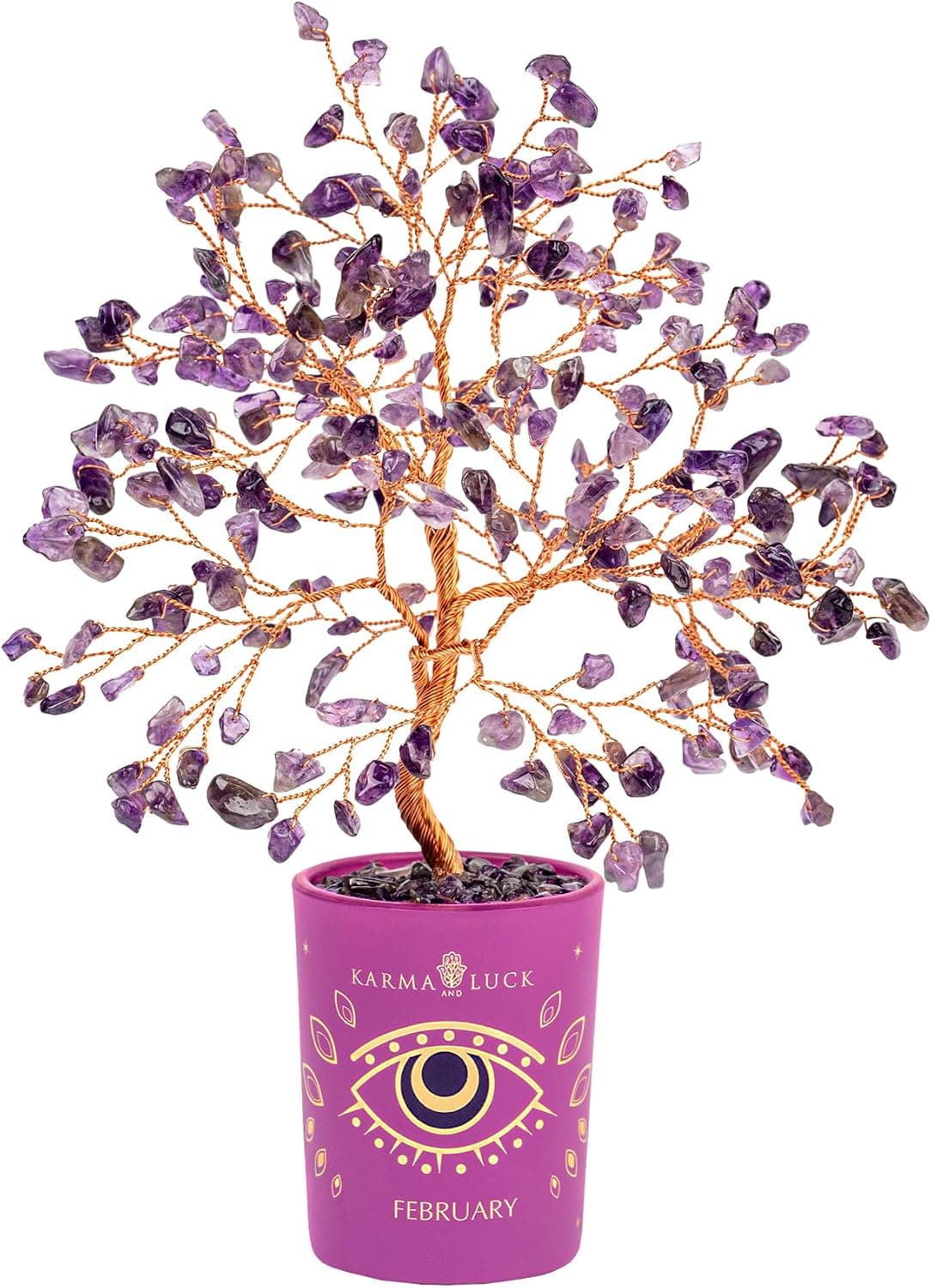
-29%Karma and Luck February Birthstone Crystal Tree of Life, Amethyst Gemstone Fe...
As an Amazon Associate, we earn from qualifying purchases. We only recommend items our practitioners have personally tested.
Continue Your Journey
Explore these related guides to deepen your understanding:

The I Ching Doesn't Answer Lazy Questions — Here's What to Ask Instead
8 min readConfucian Commentary Turns the I Ching Into a Moral Floor Plan
9 min readBroken Lines, Solid Lines, and the Real Yin-Yang Logic of the I Ching
11 min readThe Wilhelm I Ching Feels Deep Because It Slows Your Reading
11 min readReady for Deeper Guidance?
Try our free I Ching reading for personalized wisdom, or explore our curated Feng Shui essentials.