Hexagram 50 asks for more than good intentions; it asks whether your life can actually hold transformation.
When the pot is clean, the meal can finally begin
I once walked into a dining room in a small Portland bungalow and saw the problem immediately: a black cast-iron pot sat on the stove, but every burner around it was crowded with mail, vitamins, and a dead basil plant in a cracked white mug. The room looked “functional” from a distance. Up close, it was blocked at every level. That is the sort of image that sits at the heart of the first serious I Ching consultation: not abstract wisdom, but an object that tells the truth before the client does.
Hexagram 50 is not about decoration. It is about containment, preparation, and the integrity of the vessel itself. People love to talk about inspiration, but inspiration spills everywhere if the container is wrong. A cauldron can feed a kingdom; it can also fail spectacularly if it cracks under heat.
That is why the i ching hexagram 50 cauldron meaning hits harder than many people expect. It does not flatter you. It asks whether the structure around your gifts is strong enough to support them.
The cauldron is about transformation with a spine
In Chinese metaphysics, the cauldron is a ritual vessel. Food goes in raw, heat changes it, and what comes out can nourish many people. That sounds simple until you notice the hidden demand: the vessel must be stable, centered, and worthy of use. Hexagram 50 is not the romance of change. It is the engineering of change.
Clients often want the “magic” part and skip the apparatus. They want the raise, the relationship, the clean slate, the new identity. Yet the hexagram points to the place where value becomes usable. If the handle is loose, the cauldron cannot be lifted. If the fire is uneven, the contents scorch. If the mouth is too narrow, nothing useful can be added.
That makes this hexagram especially relevant in feng shui terms. The kitchen, stove, and dining area are not merely domestic background. They are where raw resources become life. When these spaces feel neglected, overstuffed, or oddly ceremonial in the wrong way, people often report fatigue, stalled momentum, or a strange sense that everything in life takes more effort than it should.
Do not mistake that for superstition. I have seen it too many times to laugh it off.
One architect I worked with had a beautiful kitchen with matte sage cabinets and brass pulls, but the center island was buried under three project binders, a fruit bowl full of soft pears, and a permanently plugged-in rice cooker with a stained lid. She complained that every job felt like “pushing uphill in mud.” We moved the papers, repaired the lighting over the stove, and cleared one wall for actual cooking and serving. Within ten days she said the apartment felt less like a storage unit and more like a place where decisions could happen.
That is Hexagram 50 in real life. Not mystical fog. Function.
What this hexagram asks you to inspect
The first question is not “What am I trying to manifest?” It is “What vessel am I using to hold it?” That vessel might be a home, a schedule, a marriage, a business, or a nervous system that is already overboiled.
Hexagram 50 often appears when a person has potential but no proper frame. The ingredients are there. The simmer is there. The missing piece is the container that can make the whole thing safe and beneficial. In that sense, the message is close to holding things together with genuine alignment, but Hexagram 50 goes further: it asks not merely for unity, but for refinement through pressure.
Here is the subtle part most readers miss. A cauldron is not meant to stay empty. Nor is it meant to overflow. It is designed for a right amount, at a right temperature, for a right purpose. In reading terms, that means your current situation may already be sufficient; what is missing is proportion.
If you are seeing this hexagram around career matters, examine the systems that support your authority. Are your tools broken? Is your calendar full of other people’s emergencies? Are you trying to produce quality work in a room with bad light and no clear boundary between work and rest? Those are cauldron problems.
If the topic is relationship, the same logic applies. A relationship can only nourish when the container has shape. Shape means agreements, rhythm, honesty, and enough room for both people to breathe. Without that, even affection turns into steam.
And yes, the vessel matters more than the fragrance.
What moving lines and changing pressure usually point to
When Hexagram 50 changes, the story often involves refinement under strain. The vessel is being tested. Sometimes that means old supports are too weak. Sometimes it means the person has not yet stepped into the dignity required by the task. The cauldron is a classic symbol of status, yes, but not status as performance. Status as responsibility.
If the lines are moving toward stronger hexagrams like Hexagram 31 and its language of influence, the reading may suggest that your presence is becoming more persuasive because the structure around you is clearer. If they move toward Hexagram 30 and its bright, demanding fire, the heat is intensifying and you will need to stay precise, not dramatic. I have watched people turn this into theater. Hexagram 50 does not reward theater.
The rare mistake is thinking the cauldron promises abundance by itself. It does not. It promises usefulness if the vessel is sound. That distinction matters. Plenty of homes look prosperous and still leak energy all over the floor because nothing is contained, repaired, or honored. Plenty of careers look impressive and still fail because the person cannot receive support without sabotaging it.
Sometimes the hexagram arrives when the old container is simply too small. You cannot keep making soup in a teacup. That is not a spiritual failure; it is a structural one.
One retired teacher in Tucson had a tiny blue kitchen with a yellow tile backsplash and a table jammed against the refrigerator door. She kept saying she wanted “more inspiration.” What she actually needed was space to sit, eat, and stop using the kitchen counter as a sorting station for everything in the house. Once we changed the layout, she started cooking again after five years. The change was not poetic. It was practical. But practical is often where the magic hides.
How to work with Hexagram 50 in your home
Start with the stove. Clean it fully. Not half-clean. Fully. Remove the clutter around it, repair broken knobs, and make sure the burners are functional. In feng shui, the stove represents the ability to transform resources into sustenance. If it is neglected, the message is loud even when the room is quiet.
Next, look for one place where energy is collected but not used. This might be a kitchen counter, a sideboard, or a dining table that has become a landing zone for junk. Clear it and give it a single purpose. A cauldron needs a purpose. So do rooms.
Then check the lighting. Too dim, and the vessel feels hidden. Too harsh, and the space becomes punitive. You want steady, usable light. That is the kind of environment where nourishment can happen.
Finally, remove anything that signals decay near the area of preparation. A rotten fruit bowl, chipped cups you never use, burned-out bulbs, dead flowers, and random packaging all tell the same story: the container is no longer being respected. You do not need a dramatic ritual to fix that. You need attention, and then action.
Here is the order I recommend:
1) Clear the surface closest to the stove or main preparation area. 2) Repair one thing that is visibly broken. 3) Add one supportive object only if the room can hold it. A simple bowl of fresh oranges is enough. A dozen “cures” is not. People get this backwards all the time, and then wonder why the house still feels tired.
4) Keep the dining space open enough for actual use. If you cannot sit and eat without moving five items, the house is telling you something. Listen.
This is also where the cauldron meaning connects to your own body. If you are exhausted, overstimulated, or emotionally overfull, your inner vessel is asking for maintenance. Eat on time. Sleep on time. Stop pretending that constant output equals strength.
How to apply the same lesson to work and relationships
In work, Hexagram 50 says: refine the system before demanding better results. If your process is messy, your output will be messy. If your team has no clear authority structure, people will stew in resentment. If your work area is cluttered with old projects, you are asking the wrong container to do the right job.
In relationships, the cauldron speaks to shared capacity. Can the relationship hold heat without cracking? Can it support honest feedback without turning into blame? Can it nourish both people without one person doing all the lifting? Those are the questions that matter.
Surprisingly, this hexagram can also show up when success itself becomes the problem. A person gets promoted, gains visibility, or enters a new social circle, and suddenly the old habits no longer fit. The vessel has changed. The identity must change with it. That is uncomfortable, but useful. Growth often begins as a mismatch.
If you want a related lens, study Hexagram 20 and the discipline of observing clearly. Observation helps you see the vessel before it fails. And if the issue is not readiness but overgrowth, Hexagram 18 on repairing what has gone stale will feel uncomfortably accurate.
Hexagram 50 is not asking you to become a priest of your kitchen. It is asking you to become responsible for the place where value is transformed.
How the cauldron changes your reading of timing
Timing matters here because a vessel can be right and still not be ready. Heat must be applied in the proper measure. Too little, nothing happens. Too much, the contents burn. That is why many people misunderstand the i ching hexagram 50 cauldron meaning: they hear “transform” and ignore “manage.”
Sometimes the answer is to wait while strengthening the container. Sometimes the answer is to act now, but with a cleaner setup. Either way, the message is rarely about force. It is about capacity.
If your question concerns a fresh start, look for evidence that the basics are in place. If it concerns a long-term situation, ask where the leaks are. The cauldron does not care about your impatience. It cares whether the meal can be served safely.
FAQ
Does Hexagram 50 always mean a major transformation?
No. Sometimes it means a much smaller but more important shift: fix the vessel, and the transformation becomes possible. That can look like repairing a routine, clarifying roles, or clearing a room that has been overloaded for months. Small corrections are often the real turning point.
Is this a good hexagram for money questions?
Usually, but not because it promises easy gain. It points to the system that turns effort into value. If your income is uneven, examine structure, pricing, tools, and the condition of the “container” around your work.
What if the reading feels heavy or restrictive?
That reaction is common. The cauldron can feel demanding because it refuses fantasy. Still, there is relief in it: once you know what holds the heat, you can stop blaming yourself for every spill. The pressure becomes useful instead of random.
Return to the pillar meaning
At the center of the i ching hexagram 50 cauldron meaning is a simple but stubborn idea: value needs form. Not any form. A reliable one. A respected one. A vessel that can hold heat, receive ingredients, and feed more than one appetite.
If you want the broader context of the symbol, its place in the sequence, and how the cauldron relates to the larger I Ching system, read the pillar page on starting an I Ching reading with confidence. Hexagram 50 makes much more sense when you see how the book teaches change as a sequence of conditions, not a collection of slogans.
And that is the hard lesson. Stop chasing better ingredients while ignoring the cracked pot.
David Liu
Traditionally informed guidance • Cross-referenced with classical Chinese source texts
Interpretations cross-referenced with the Zhouyi (周易) and Wilhelm/Baynes translation.
Practitioner-Selected Tools for This Topic
Items our team has tested and found effective for the principles discussed above. Individual results may vary.
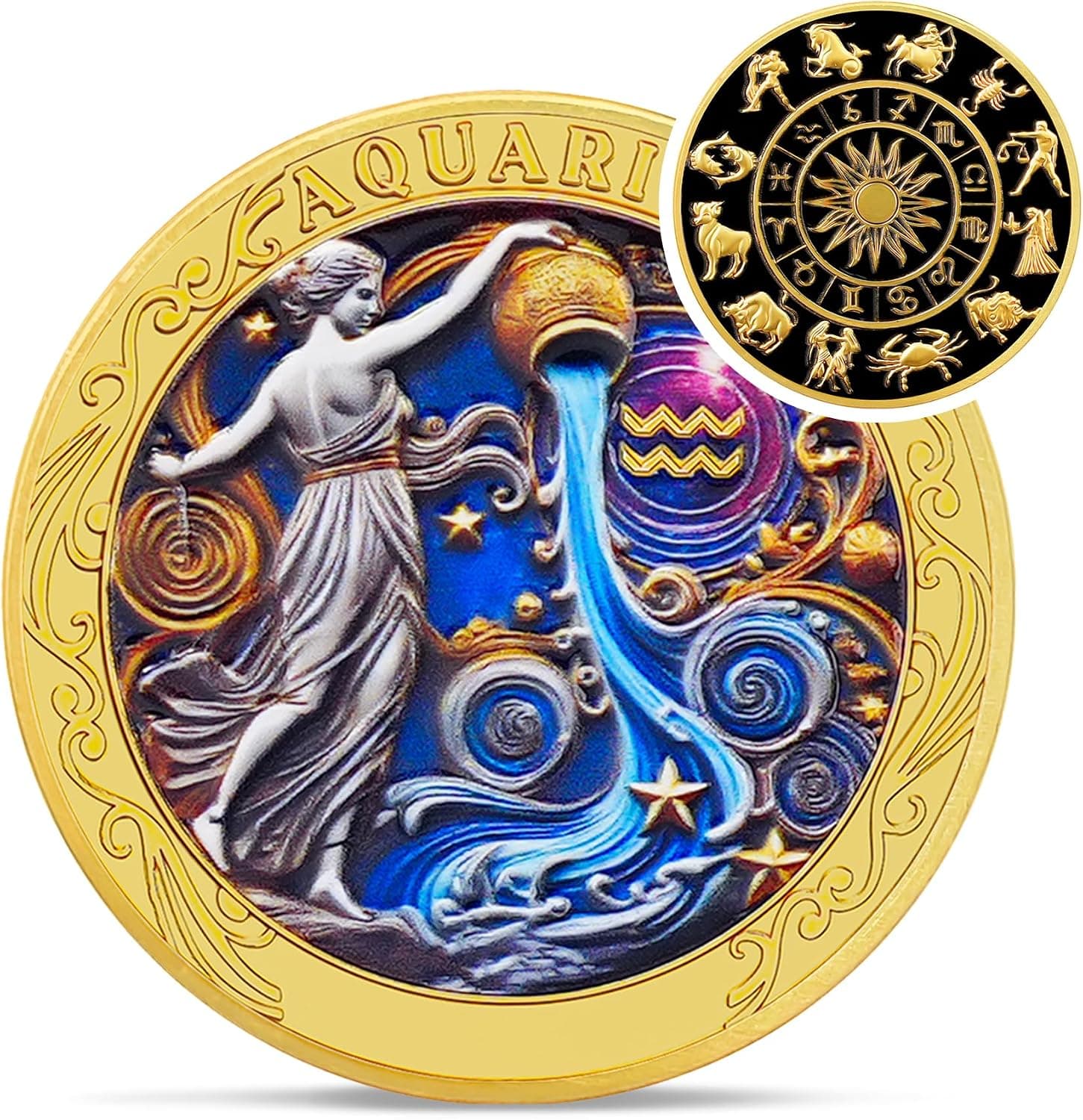 -20%
-20%Aquarius 12 Zodiac Challenge Coin - Twelve Constellations Aquarius Protective...
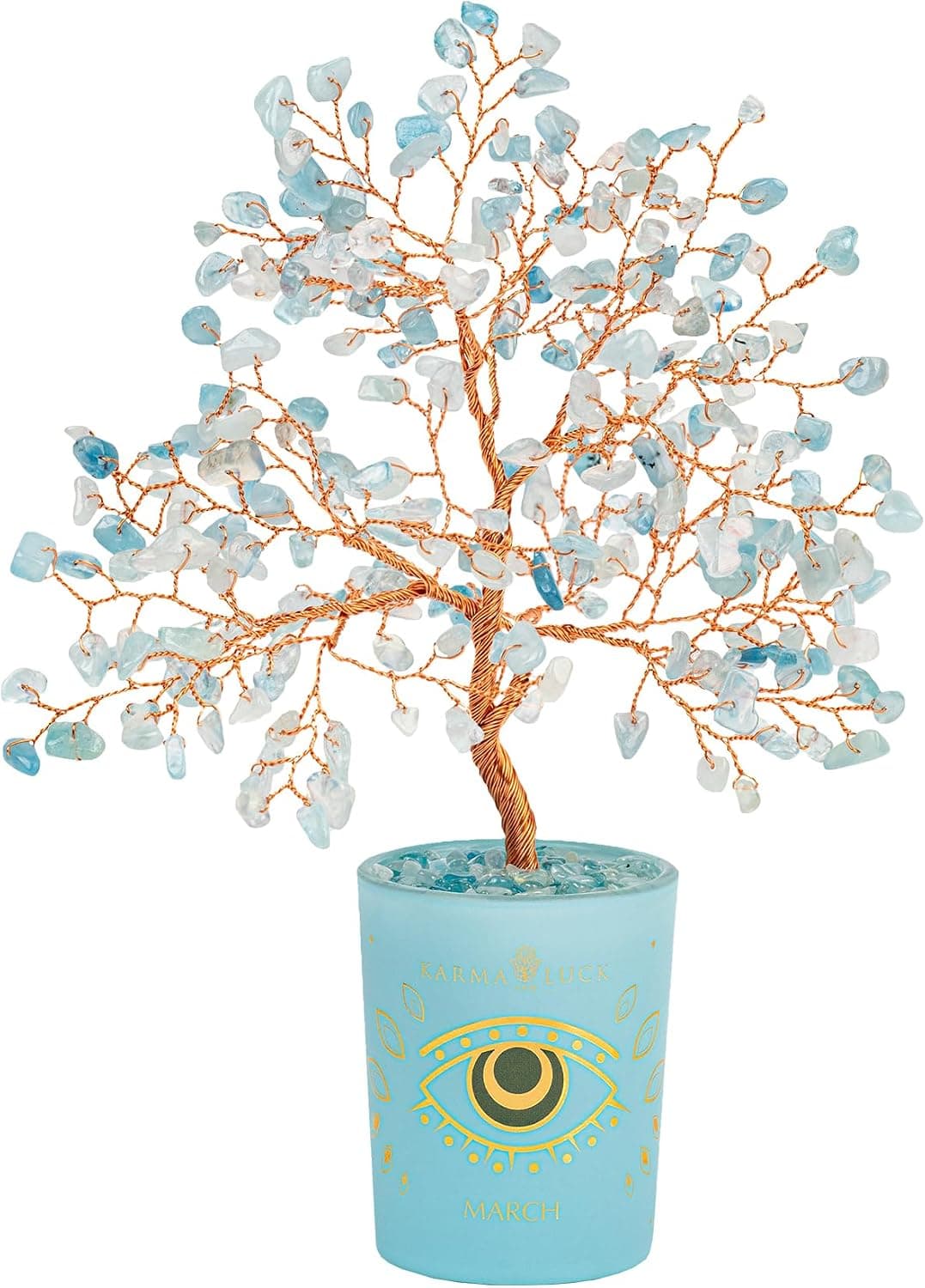 -29%
-29%Karma and Luck March Birthstone Crystal Tree of Life, Aquamarine Gemstone Fen...
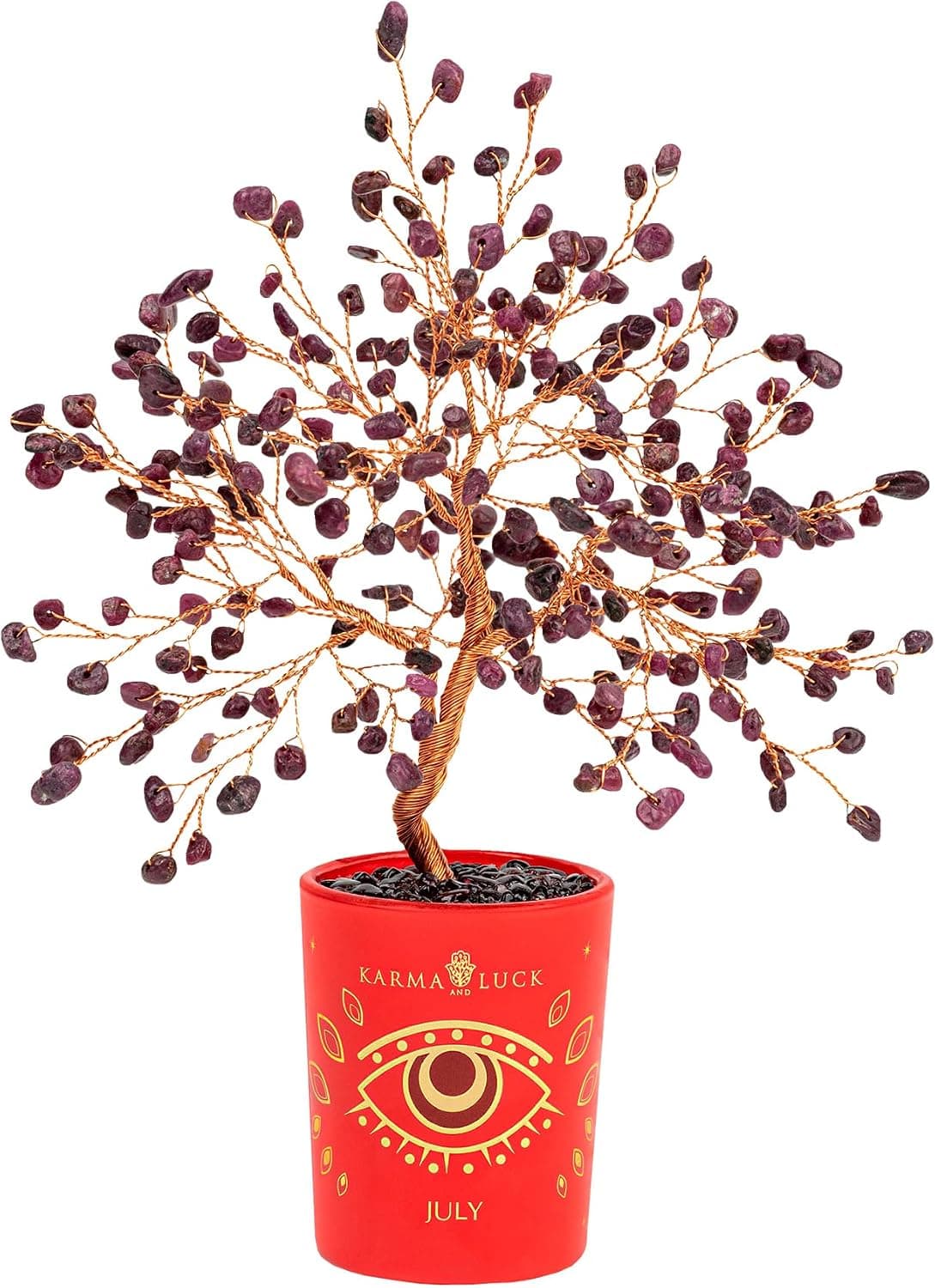 -29%
-29%Karma and Luck July Birthstone Crystal Tree of Life, Ruby Gemstone Feng Shui ...
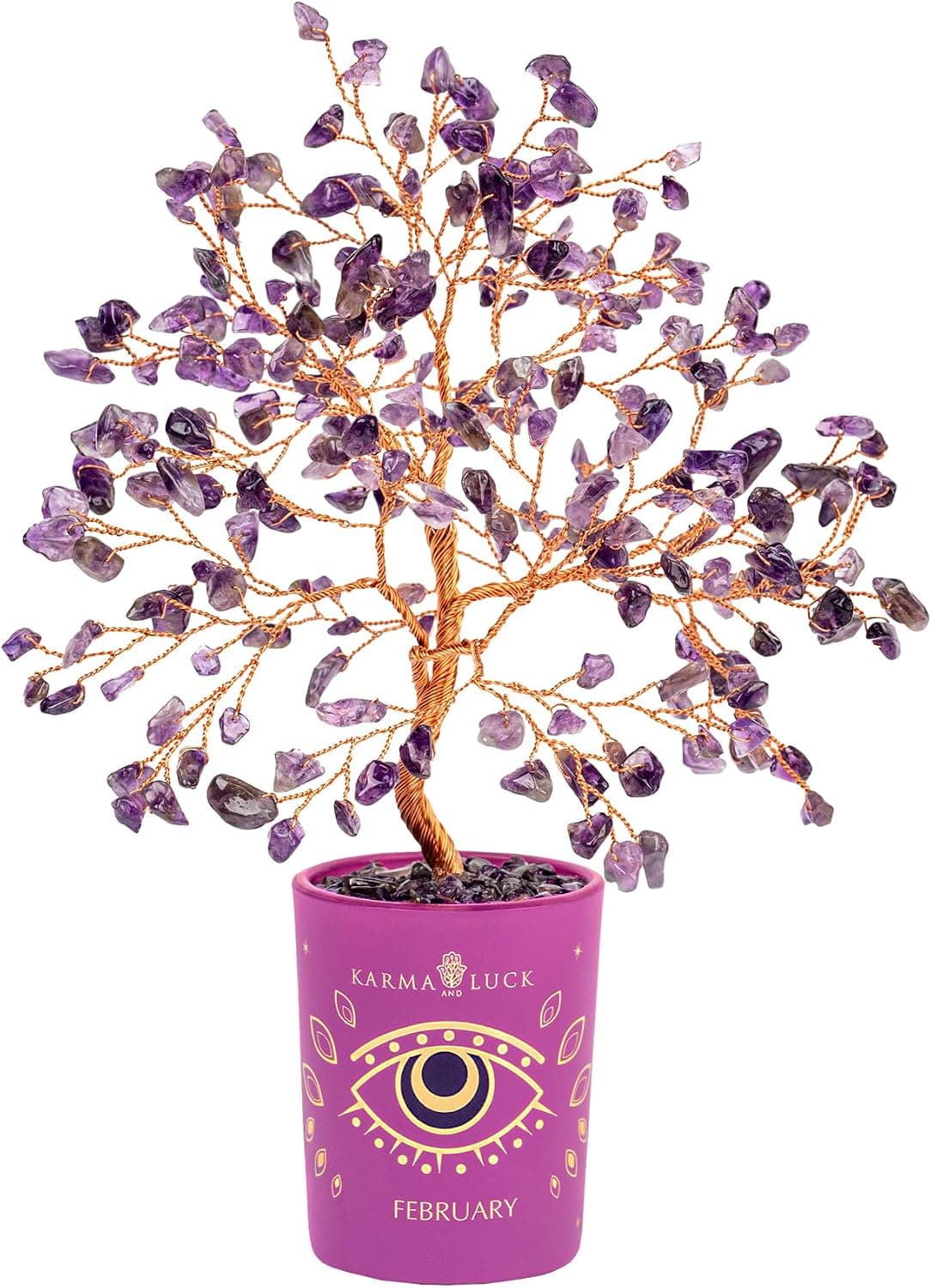 -29%
-29%Karma and Luck February Birthstone Crystal Tree of Life, Amethyst Gemstone Fe...
As an Amazon Associate, we earn from qualifying purchases. We only recommend items our practitioners have personally tested.
Continue Your Journey
Explore these related guides to deepen your understanding:

The I Ching Doesn't Answer Lazy Questions — Here's What to Ask Instead
8 min readConfucian Commentary Turns the I Ching Into a Moral Floor Plan
9 min readBroken Lines, Solid Lines, and the Real Yin-Yang Logic of the I Ching
11 min readThe Wilhelm I Ching Feels Deep Because It Slows Your Reading
11 min readReady for Deeper Guidance?
Try our free I Ching reading for personalized wisdom, or explore our curated Feng Shui essentials.