When Hexagram 47 appears, the real issue is rarely bad luck. It is pressure, constraint, and the point where character is tested.
When the room gets too small, look for the exit you stopped seeing
I once walked into a narrow hallway in a teacher’s apartment where the bookshelf had been pushed so close to the front door that the opening felt like a checkpoint. She said she had been exhausted for months, and that her decisions kept “going nowhere.” That is the feeling people often bring to a first I Ching reading when Hexagram 47 shows up: not drama, not disaster, but pressure so concentrated that even ordinary choices feel expensive.
This is where the i ching hexagram 47 oppression meaning becomes practical. Oppression is not only about being trapped by circumstances. It is about what happens when your energy is squeezed faster than it can replenish. A person can have money, a job, even a supportive partner, and still feel surrounded. The container is too tight. The air is stale. The mind starts bargaining with itself.
That is why people misunderstand this hexagram. They want a clean moral lesson, or a mystical warning, or a promise that endurance will automatically be rewarded. Sometimes endurance helps. Sometimes it only teaches you how to stay in the wrong place longer. Hexagram 47 does not flatter that habit.
Oppression is a pressure pattern, not a personality type
The old commentaries describe this hexagram as confinement, exhaustion, and restraint. But in practice I see something subtler. A person under this sign may be overcommitted, undernourished, emotionally cornered, or simply living in a space that keeps demanding more than it gives back. That can look like a stalled career, a family conflict, or a room arrangement that quietly drains focus every day.
One architect I worked with had a home office painted charcoal gray with a black desk, a red file box, and a mirror directly facing his screen. He thought it looked “serious.” After six weeks, he admitted he had started dreading the room. He felt irritated by 10 a.m. and foggy by lunch. We changed the desk angle, removed the mirror, and softened the wall color with a pale sand lamp. He slept better within a week, and his headaches eased after two. Small change. Real relief.
The point is not that paint cures suffering. The point is that oppression often has a shape, and shape matters. A cramped environment can mirror a cramped inner state, and then the two reinforce each other until you can no longer tell which came first.
Hexagram 47 asks a hard question: what part of your life is asking for endurance, and what part is simply asking for release? That distinction matters more than optimism. It matters more than “staying strong.”
There is also a warning hidden here for Western readers who love heroic suffering. Not every difficult season deserves applause. Sometimes you are being tested. Sometimes you are being squeezed by a structure that needs to change. If you keep calling all pain growth, you can miss the moment when a door should be opened instead of bravely pushed.
What the I Ching is really pointing to here
In the sequence of hexagrams, 47 follows 46, ascent, and the contrast is sharp. After effort and upward movement comes the reality of limitation. That can feel insulting. You tried. You pushed. You rose. Then life tightened again. But this is one of the most useful teachings in the entire canon: progress is not linear, and pressure does not mean failure.
There is a deeper lesson in the image of a lake over a marsh. The outer shape suggests enclosure, but the inner movement is still there. Water is not dead because it is constrained. It changes behavior. It finds low places. It conserves force. It waits for a break in the terrain. That is the wisdom of this hexagram when it is handled well.
If you want to see how this differs from related states, compare it with Hexagram 24’s turning point energy. Return is the first clear pulse back toward life. Oppression is the long middle stretch before that pulse becomes visible. People confuse the two all the time. One is the first thaw. The other is the frozen night before dawn.
And if the pressure comes from decay, neglect, or old mistakes that nobody wanted to face, the reading can sit close to Hexagram 18’s repair work. The difference is simple: decay asks for correction. Oppression asks for endurance under constraint until the structure shifts.
That distinction keeps the symbolism honest. Not every blockage is the same. Not every pause is punishment. Not every trapped feeling means you chose badly.
How oppression shows up in daily life
Here is where the symbolism becomes uncomfortably concrete. A person may keep saying yes to family demands because they fear being seen as selfish. Another may stay in a job where the calendar is packed with meetings but nothing meaningful gets built. Someone else may have a bedroom with a heavy wardrobe at the foot of the bed, a dark blue duvet, and a stack of unopened boxes by the closet door. Then they wonder why they wake up tight-chested. The environment is speaking plainly.
This hexagram often appears when the issue is not a lack of intelligence but a shortage of space. Space to think. Space to grieve. Space to ask for help without decorating it as independence. The irony is that many people wait until they are completely depleted before they admit the obvious.
One nurse I met in Portland had a tiny studio with a folding table, three bright green pillows, and a lamp that cast hard white light into the only sitting area. She said the apartment made her feel “pinched.” We moved the lamp, replaced the pillows with neutral linen, and cleared the entry. She laughed and said the room finally stopped arguing with her. That was the first night she read for pleasure in months.
That is a real Hexagram 47 lesson. Oppression often lives in the details people dismiss as cosmetic. A doorway blocked by clutter. A chair that faces a wall. A work desk that traps the back. A social schedule that leaves no empty hours. The body notices before the mind does.
What to do when Hexagram 47 appears
Start with subtraction. Not inspiration. Subtraction. Remove one source of friction that you can actually change this week. Clear the floor beside the bed. Cancel one draining obligation. Stop trying to solve the whole life at once. When a system is compressed, you do not add decoration. You create breathing room.
Then check the direction of effort. If you are forcing every outcome, pause. Hexagram 47 rewards patience, but not passivity. There is a difference. Patience keeps you steady while reality ripens. Passivity lets you disappear into waiting. One is disciplined. The other is surrender disguised as wisdom.
Here is the practical sequence I use with clients when this reading appears:
1. Name the pressure clearly. Write one sentence: “I feel oppressed because ___.” No poetry. Plain language.
2. Identify the one area that leaks energy fastest: sleep, money, work, family, or space.
3. Remove one visible obstruction in that area within 24 hours.
4. Make one request you have been postponing.
5. Spend one hour in silence without screens, notes, or problem-solving.
This is also where Hexagram 47 connects to the discipline of modesty in action. Not false humility. Strategic restraint. You do not need to announce every struggle. You need to conserve force until the right move becomes obvious.
And if the situation still feels locked, look at whether the issue is actually relational. Sometimes the pressure comes from attachment, persuasion, or influence rather than from the room itself. In that case, reading alongside Hexagram 31’s subtle attraction can clarify who is shaping whom.
How to read the omens without romanticizing hardship
People love to turn suffering into a spiritual badge. I have never found that useful. If a reading says you are under pressure, take it seriously. Do not make it prettier than it is. But do not panic either. Oppression can expose what was already weak: boundaries, sleep, finances, support, posture, courage. That is painful, and useful.
There is a surprising calm inside this hexagram when you stop asking it to be cheerful. It becomes a field report. This is the situation. This is what is draining you. This is what remains after noise is stripped away. From there, you can move.
That is why the answer to i ching hexagram 47 oppression meaning is never just “suffering.” It is more exact than that. It points to a test of containment. Can you hold your center without collapsing? Can you tell the difference between endurance and entrapment? Can you make one precise move instead of ten emotional ones?
Those are not abstract questions. They decide whether the hexagram ends as collapse, correction, or breakthrough.
Return to the larger pattern
If you are reading this because Hexagram 47 appeared in a casting, step back and look at the whole arc of the I Ching rather than the single hard moment. The system is never only about one state. It shows movement, reversal, gathering, decay, influence, return. Pressure is one phase in a larger rhythm.
That is why it helps to compare this reading with Hexagram 20’s perspective when you need distance, or with Hexagram 8’s support when you need allies. Oppression rarely ends because you force it. It eases when the pattern around it changes.
And if you are still early in your practice, do not assume your first reading has to be dramatic to matter. A simple cast can be enough to show you where life has become too tight. That alone can change a week, a room, or a decision you were too tired to make.
The hexagram is not asking you to admire the cage. It is asking you to find the move that restores air.
FAQ
Does Hexagram 47 always mean bad luck?
No. Sometimes it means pressure is exposing a weak point that was already there. That can feel harsh, but it also gives you a chance to stop wasting energy on denial.
What if I feel stuck but nothing obvious is wrong?
That happens more often than people admit. A room layout, a hidden obligation, or an emotional tie can create the sense of confinement long before the mind can name it. Start by changing one concrete thing and watch what shifts.
Should I wait it out or make a move?
Wait only if waiting is active and strategic. If the same pressure has been repeating for months, the wiser move is usually to reduce friction, ask for support, or change the structure that is trapping you.
David Liu
Traditionally informed guidance • Cross-referenced with classical Chinese source texts
Interpretations cross-referenced with the Zhouyi (周易) and Wilhelm/Baynes translation.
Practitioner-Selected Tools for This Topic
Items our team has tested and found effective for the principles discussed above. Individual results may vary.
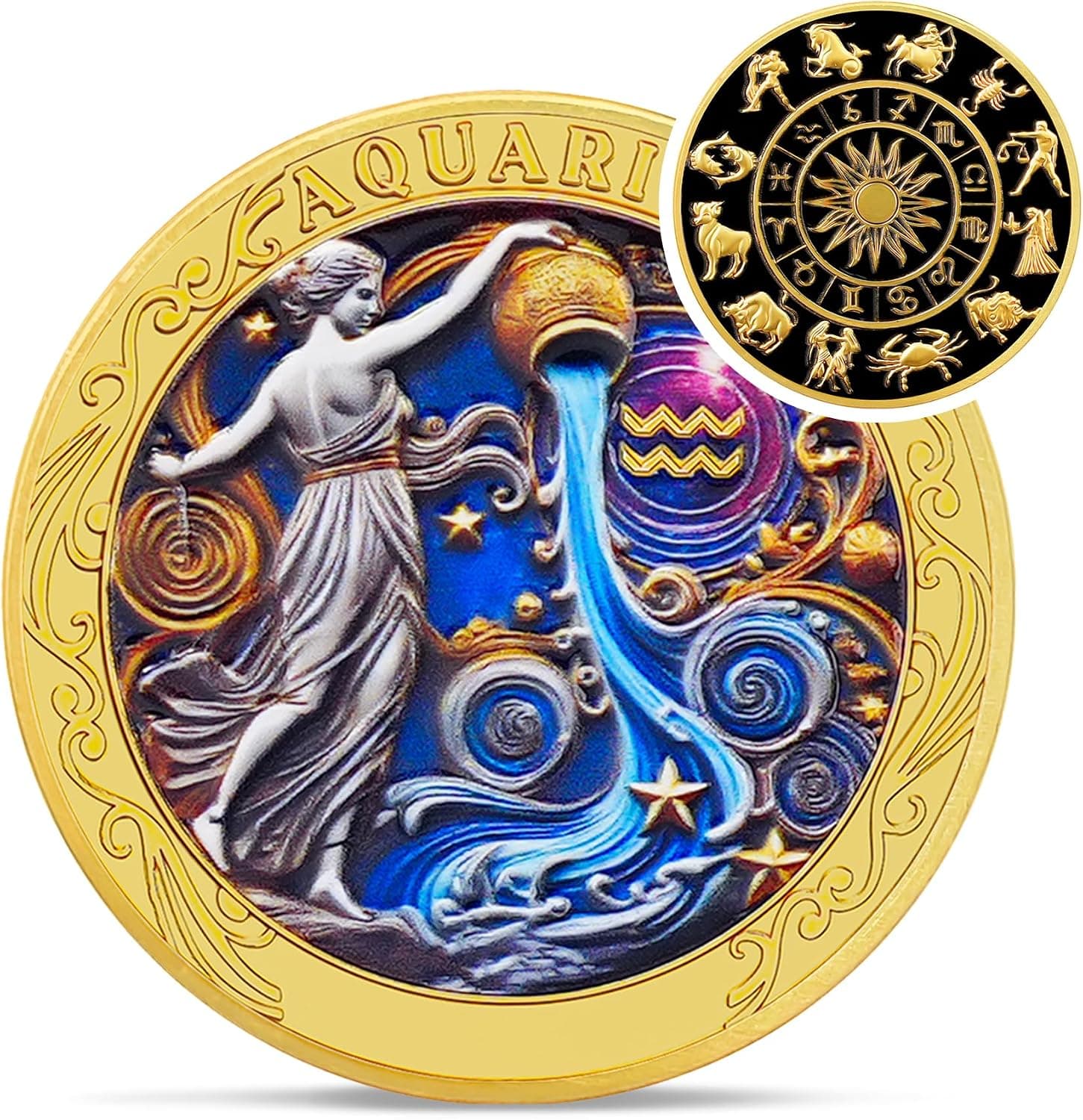 -20%
-20%Aquarius 12 Zodiac Challenge Coin - Twelve Constellations Aquarius Protective...
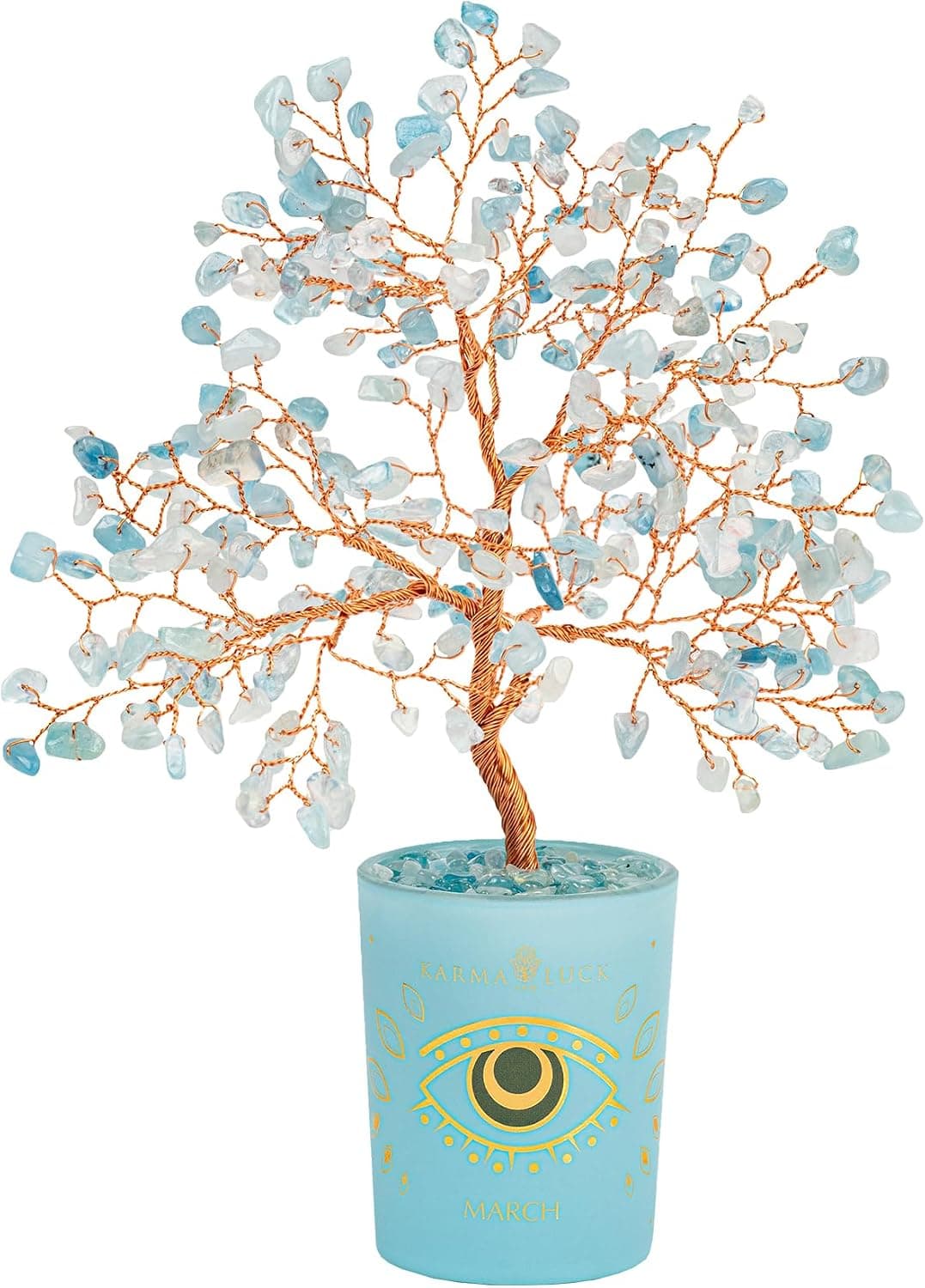 -29%
-29%Karma and Luck March Birthstone Crystal Tree of Life, Aquamarine Gemstone Fen...
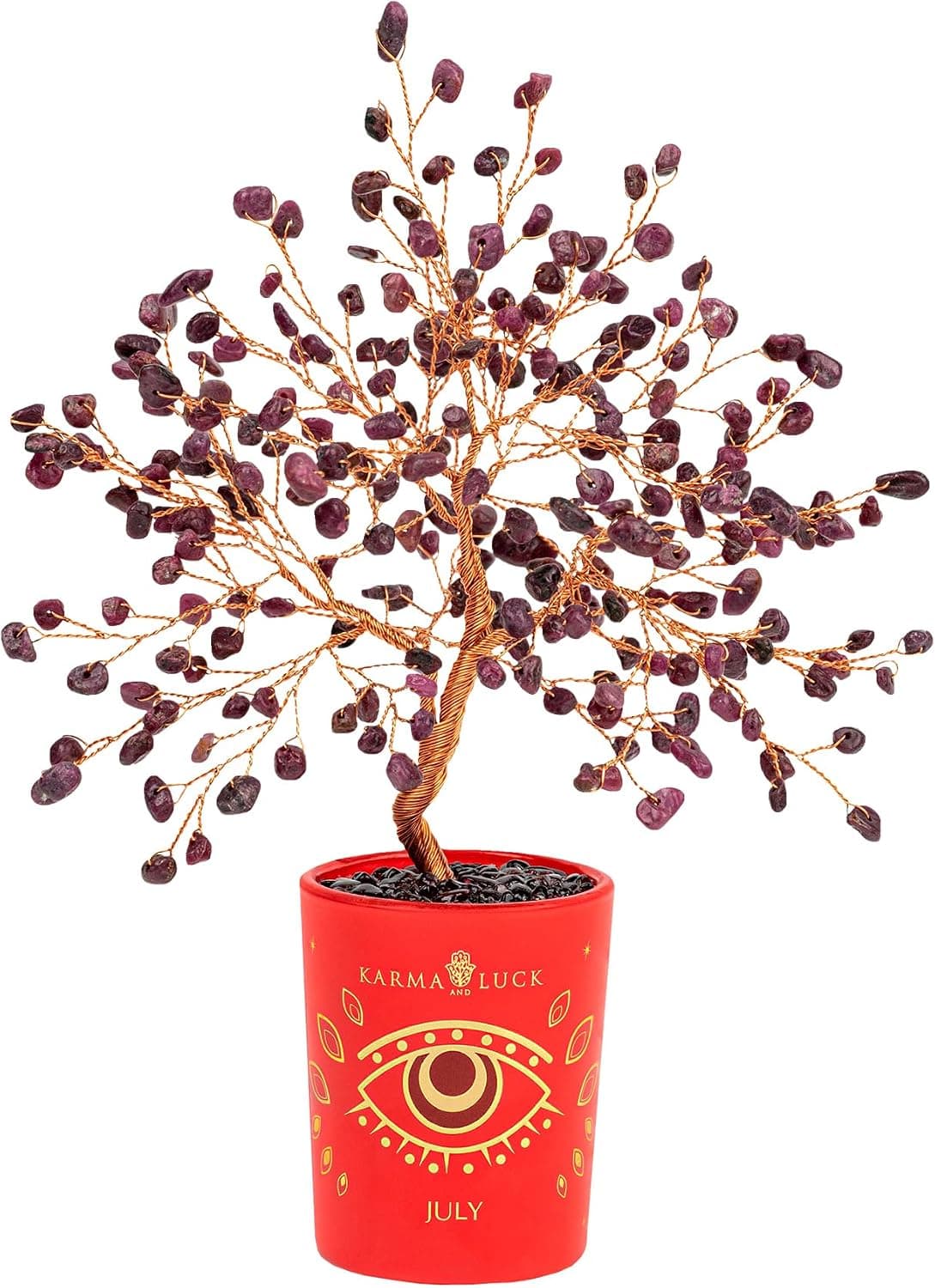 -29%
-29%Karma and Luck July Birthstone Crystal Tree of Life, Ruby Gemstone Feng Shui ...
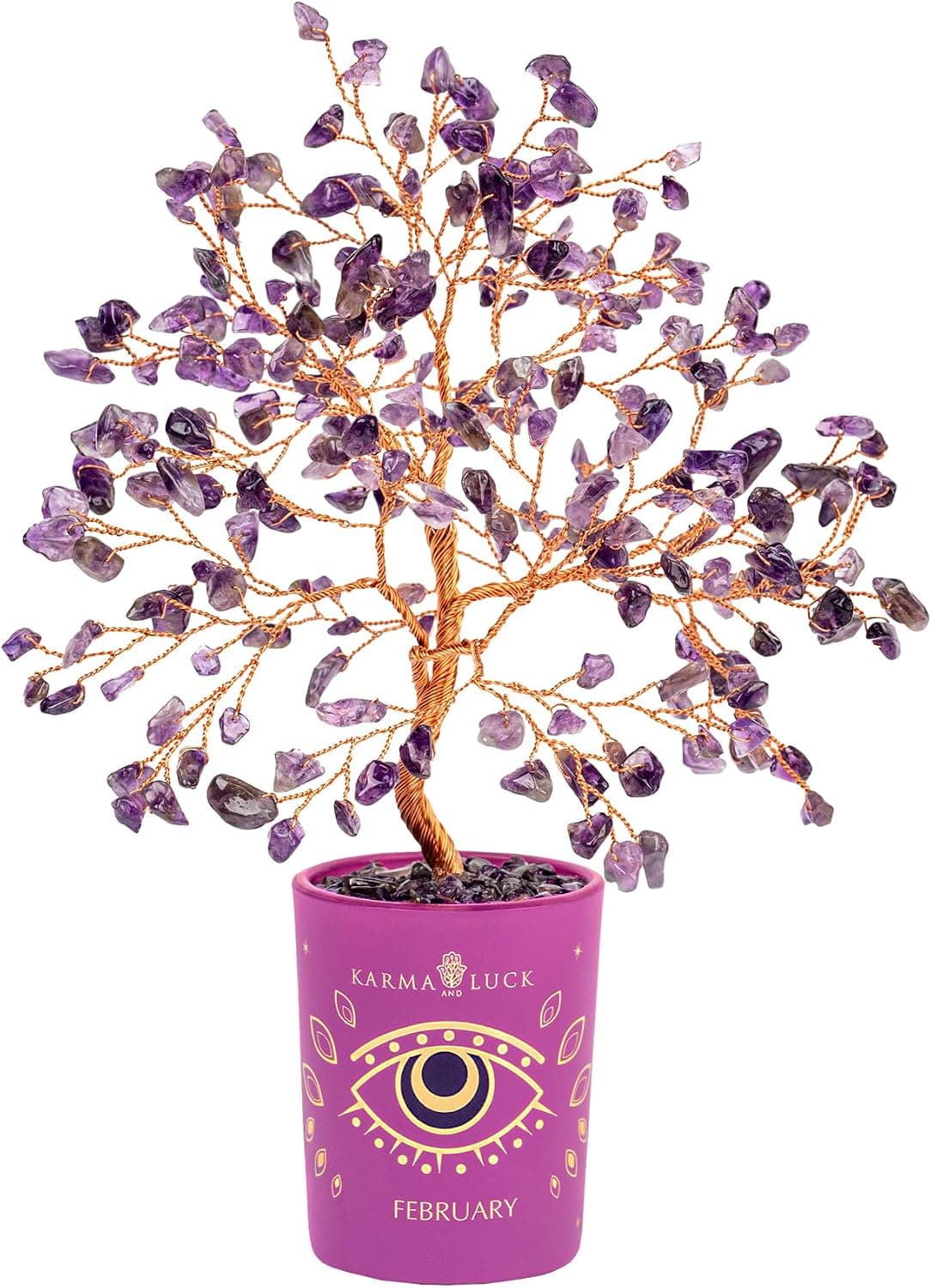 -29%
-29%Karma and Luck February Birthstone Crystal Tree of Life, Amethyst Gemstone Fe...
As an Amazon Associate, we earn from qualifying purchases. We only recommend items our practitioners have personally tested.
Continue Your Journey
Explore these related guides to deepen your understanding:

The I Ching Doesn't Answer Lazy Questions — Here's What to Ask Instead
8 min readConfucian Commentary Turns the I Ching Into a Moral Floor Plan
9 min readBroken Lines, Solid Lines, and the Real Yin-Yang Logic of the I Ching
11 min readThe Wilhelm I Ching Feels Deep Because It Slows Your Reading
11 min readReady for Deeper Guidance?
Try our free I Ching reading for personalized wisdom, or explore our curated Feng Shui essentials.