Family harmony is not softness; it is structure, roles, and a home that stops leaking energy.
The family line is only strong when someone knows where to stand
In a narrow hallway, a household can feel instantly strained. Shoes spill past the mat, a backpack hangs from one chair, and the first voice you hear is not greeting but correction. That is the mood of Hexagram 37: not chaos, not grand drama, just the quiet pressure that builds when no one is clear about place, duty, or tone.
This is where the i ching hexagram 37 family meaning becomes useful in a very practical way. It does not point to affection alone. It points to the rules that keep affection from turning into friction. In a real home, love without structure gets sloppy fast.
I have seen this in a narrow townhouse in Portland with a pale blue kitchen and a dining table used as a dumping ground. The mother was exhausted, the teenage son was defensive, and the father kept saying he did not want to “be controlling.” Yet every evening the same argument returned because nobody had agreed on who did what, when, or where. After they created one simple family routine and stopped using the table as a command center, the atmosphere changed within two weeks.
That is the first surprise with Hexagram 37. It is not about being stricter for the sake of being strict. It is about making the home legible. Children relax when boundaries are stable. Adults relax when expectations are not improvised every day. Even the dog seems calmer.
Hexagram 37 belongs to the household sphere because family is not just feeling. It is hierarchy, mutual obligation, and the invisible etiquette that keeps a household from becoming a battlefield of moods. If you want a broader foundation before reading this image, I recommend starting with how to approach your first I Ching reading so you can place this hexagram in context rather than treating it like a slogan.
What Hexagram 37 is really asking from a family
The image is often translated as the family, the clan, or the household. But the deeper message is orderly warmth. Not cold order. Not emotional fog. Warm order.
That distinction matters. A house can be neat and still feel unsafe if everyone is walking on eggshells. It can also be affectionate and still fail if no one carries responsibility. Hexagram 37 says a family works when each person knows their role and the role is honored.
In traditional thinking, the home is where society begins. So if the household is unstable, the problem is not only private. It leaks outward. I have watched this play out in kitchens, school pickups, and cramped apartments where one parent does everything and quietly resents it. The hexagram does not flatter that arrangement. It asks for a cleaner distribution of authority and care.
There is also a very feng shui lesson here. A family with no structure tends to create physical clutter, and clutter creates more than visual mess. It produces decision fatigue. You spend energy every day figuring out where things go, who is responsible, and what rules still matter. That drain is subtle, but it is real.
Some readers want a softer interpretation and hope Hexagram 37 means everyone will naturally get along if they just “raise the vibe.” That sounds pleasant. It also fails in actual houses. Harmony without form is fragile. Form without kindness is rigid. Hexagram 37 insists on both.
There is a close relationship between this hexagram and the lesson of holding together, but Hexagram 37 is more intimate and more exacting. It is not just about group loyalty. It is about who keeps the hearth steady.
The household roles hidden inside the lines
When Hexagram 37 appears, I look first at role confusion. Who is carrying the emotional load? Who is making the decisions? Who is being treated like the adult while acting like the child? Those imbalances do not stay abstract. They show up in tone, posture, and repetition.
In one home I visited, the guest room had become the mother’s overflow office. A black printer sat on a white dresser. Bills were stacked beside folded laundry. Her husband kept saying the room was “fine,” which was another way of saying he had stopped seeing it. Once they restored that room to a guest room and moved the paperwork to a proper cabinet, her stress dropped because the house finally reflected a division between work, rest, and hospitality.
That kind of repair matters more than people expect. A family needs symbolic roles as much as practical ones. The dining table should not be a permanent battleground. The bedroom should not double as a war room. The parents should not be in the child’s position, asking permission for every emotional need.
Hexagram 37 is often protective when the head of the household is fair and consistent. It is harsh when authority becomes arbitrary. So the question is not, “Who is in charge?” The question is, “Is the charge being used to protect the whole family?”
That is a different standard. And a better one.
How this hexagram behaves when it appears in a reading
If you receive this hexagram, do not rush to apply it as a moral judgment. It is not saying your family is good or bad. It is saying the family system has become visible, and what is visible can now be adjusted.
Often, the reading points to one of three conditions. First: the home lacks structure and needs clearer expectations. Second: the structure exists, but it is too harsh and needs humane correction. Third: the family is outwardly functional, yet one person is quietly over-giving and will burn out if nothing changes.
The line that many people miss is that family order is not mainly about discipline. It is about continuity. A child who knows the rhythm of meals, chores, and consequences feels safer than a child who receives random bursts of attention and random bursts of anger. Adults are no different, even if they pretend otherwise.
Hexagram 37 also warns against public performance. Some families look polished from the outside and fracture privately. The front door is tidy, the entry table has flowers, and the real atmosphere behind the door is icy. The hexagram does not reward appearances. It asks whether the inner life of the home matches the outer presentation.
That is why this reading often arrives when people are trying to preserve a household, not just improve it. They sense something is drifting. They may not yet have the words for it, but the pattern is already there.
One more practical note: if the reading feels connected to family reputation, lineage, or inherited habits, compare it with Hexagram 15 on modesty. Together, they show how a household stays strong without becoming proud or performative.
Practical application: how to work with Hexagram 37 at home
Start with one room. Not the whole house. One room.
Choose the place where people gather most often: kitchen, dining room, family room, or entryway. Then ask three blunt questions. What is this room for? Who is responsible for keeping it clear? What behavior is not allowed here?
Make the answers visible. Write them down. Post them if needed. A family charter sounds formal because it should be formal. Informality is often where the leakage begins.
Here is the simplest version I use with clients: the room has one primary purpose, one backup purpose, and one thing it is not allowed to become. For example, the kitchen is for cooking and brief conversation, can also be a homework spot for thirty minutes, and is not allowed to become storage for unopened mail. That last part matters more than people think.
Then repair the entry. Hexagram 37 cares about who crosses the threshold and what energy they bring with them. A tidy entryway, a working light, and a place for shoes can change the emotional tone faster than a dozen expensive cures. The home needs to know how to welcome people.
If the issue is a parent-child standoff, do not begin with punishment. Begin with rhythm. Set mealtimes. Set bedtime. Set one family meeting every week, even if it is only fifteen minutes long. Children tolerate rules more easily when the rules are steady and the adults are not improvising under stress.
If the issue is an adult sibling or elder living in the home, define privacy and shared duties in plain language. Who pays what. Who cooks when. Who handles noise after 9 p.m. Vague kindness creates resentments. Clear kindness does not.
For feng shui adjustment, strengthen the heart of the house without turning it into a showroom. Use warm lighting, not harsh white glare. Keep family photos current and respectful. Remove broken furniture, especially in the main gathering space. A cracked chair in the family room sends the wrong signal. So does a dead plant in the corner.
Most of all, stop asking the house to compensate for what the family has not agreed to handle. The house can support order. It cannot invent it for you.
Signs the household is already shifting
People often expect a dramatic breakthrough. That is not how this usually goes. The first sign is small: less sighing in the doorway, fewer interruptions at dinner, or a child putting away an item without being chased for it.
Another sign is better use of space. The table stays a table. The sofa stops holding everyone’s unfinished business. The kitchen counter becomes counter space again. These are not trivial changes. They show the household has regained function.
Then the tone changes. Not overnight, but enough to notice. Voices soften because they no longer have to compete with ambiguity. The family does not need perfection. It needs repeatable structure and visible care.
That is the heart of the i ching hexagram 37 family meaning: a home thrives when everyone knows how to belong without taking over.
Linking this hexagram to the wider I Ching pattern
Hexagram 37 often sits near questions of influence, leadership, and restoration. If the household has been strained by poor leadership, read it beside Hexagram 31 on influence. If the strain comes from decline or neglected responsibilities, Hexagram 18 on repair work will add useful context.
And when the family has already been through conflict, the path forward may be to return to what is simple and stable. In that case, Hexagram 24 on return is often the companion reading that tells you how to come back without re-triggering the old pattern.
The larger pattern is clear. Family order is not a decorative virtue. It is a living system. When one part fails, the whole household feels it. When one part is repaired, the entire atmosphere can change.
FAQ
Does Hexagram 37 always mean the father or mother should lead?
Not automatically. The hexagram points to rightful authority, not a fixed gender role. In some homes the most effective leader is the parent, in others it is the grandparent or even the adult who has shown the clearest consistency.
Can this hexagram show up in non-traditional families?
Absolutely. Family in this context means the people who share emotional responsibility and household order. I have seen it speak just as clearly in blended homes, multi-generational houses, and single-parent households with strong support systems.
What if the home is already orderly but still feels tense?
That is a useful warning. A spotless house can hide emotional rigidity, unspoken resentment, or fear of disagreement. The fix is not more tidying; it is more honest communication and a warmer tone in the rooms where people gather.
If you want the bigger symbolic frame after this reading, the next step is to study how household order fits into the wider pattern of change. That is where the I Ching becomes less like a set of answers and more like a map.
David Liu
Traditionally informed guidance • Cross-referenced with classical Chinese source texts
Interpretations cross-referenced with the Zhouyi (周易) and Wilhelm/Baynes translation.
Practitioner-Selected Tools for This Topic
Items our team has tested and found effective for the principles discussed above. Individual results may vary.
 -20%
-20%Aquarius 12 Zodiac Challenge Coin - Twelve Constellations Aquarius Protective...
 -29%
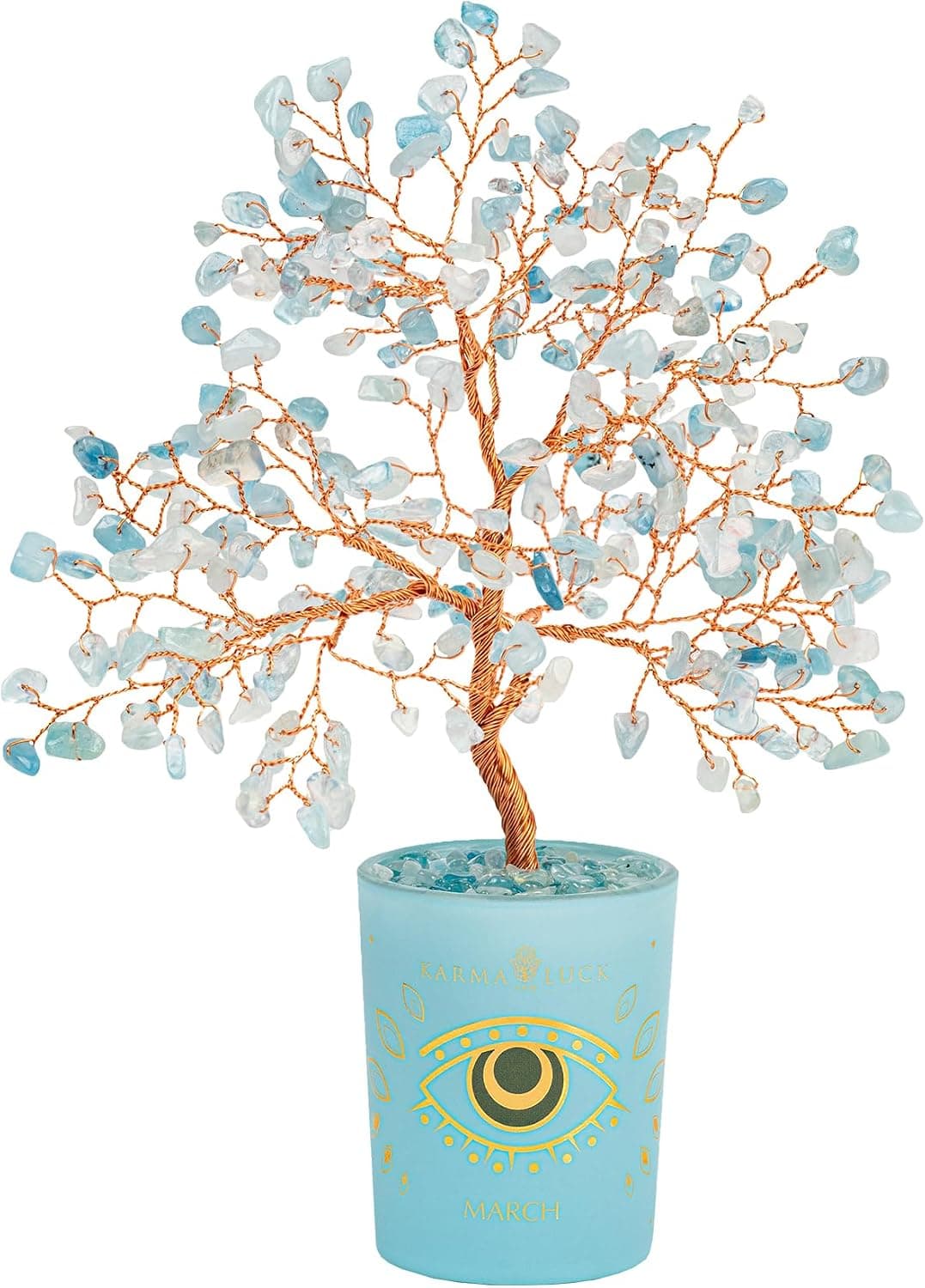
-29%Karma and Luck March Birthstone Crystal Tree of Life, Aquamarine Gemstone Fen...
 -29%
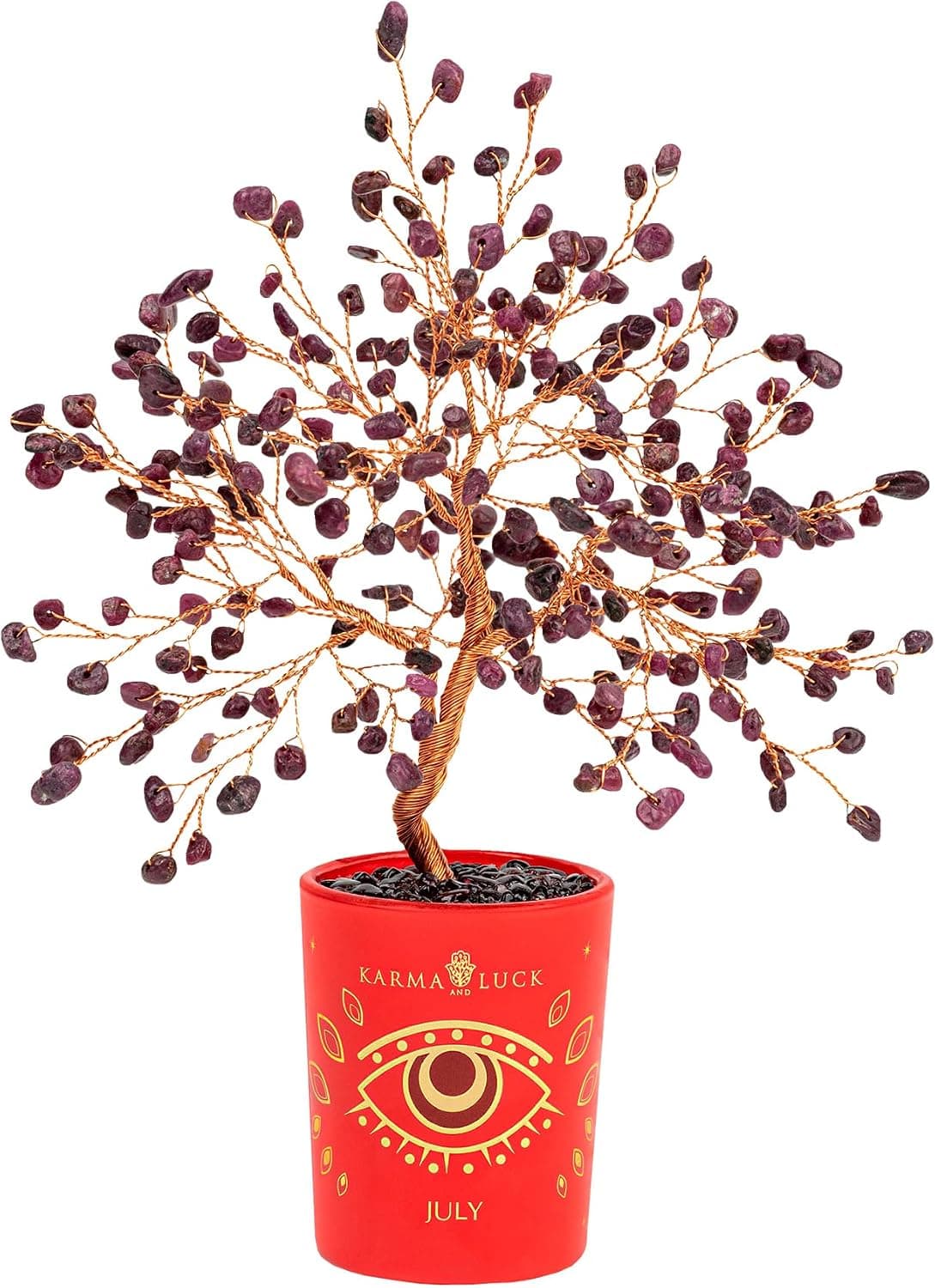
-29%Karma and Luck July Birthstone Crystal Tree of Life, Ruby Gemstone Feng Shui ...
 -29%
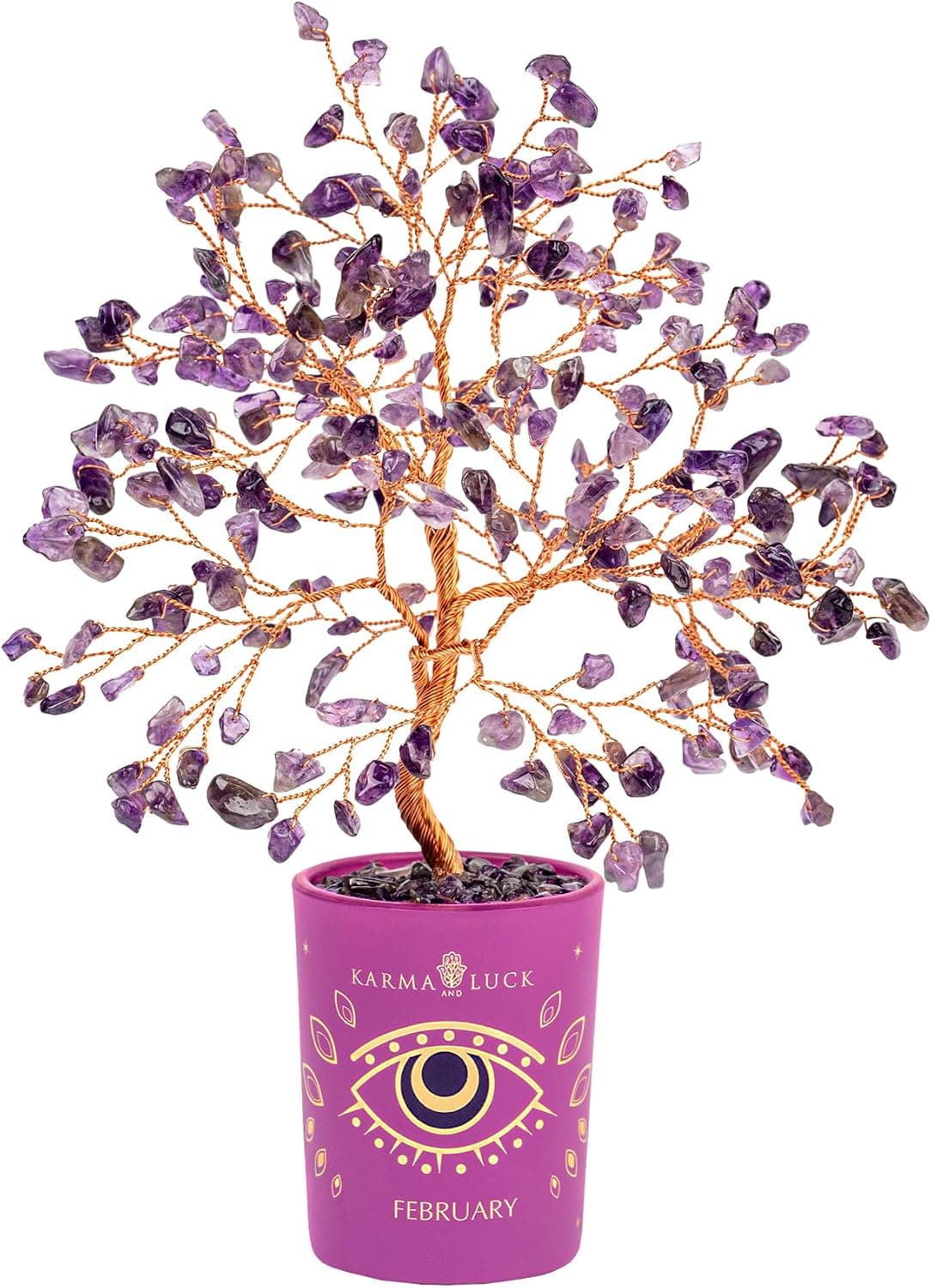
-29%Karma and Luck February Birthstone Crystal Tree of Life, Amethyst Gemstone Fe...
As an Amazon Associate, we earn from qualifying purchases. We only recommend items our practitioners have personally tested.
Continue Your Journey
Explore these related guides to deepen your understanding:

The I Ching Doesn't Answer Lazy Questions — Here's What to Ask Instead
8 min readConfucian Commentary Turns the I Ching Into a Moral Floor Plan
9 min readBroken Lines, Solid Lines, and the Real Yin-Yang Logic of the I Ching
11 min readThe Wilhelm I Ching Feels Deep Because It Slows Your Reading
11 min readReady for Deeper Guidance?
Try our free I Ching reading for personalized wisdom, or explore our curated Feng Shui essentials.