Hexagram 36 warns against flashing your strengths too early; survival now depends on restraint, not display.
When the room is brightest, the wise person lowers the lamp
I once walked into a client’s home office in Seattle and knew, before she spoke, that she was burning herself out. The desk lamp was a white metal tower aimed straight at her face, the curtains were open to harsh afternoon sun, and a red planner sat dead center on the desk like a flag planted in hostile ground. She had been trying to “stay visible” at work. Within two weeks of changing the light and moving the red out of sight, she said her headaches eased and her responses at work became less reactive.
That is the heart of the first reading experience with the I Ching many people never expect: sometimes the oracle does not tell you to push harder. It tells you to protect what is still developing.
The i ching hexagram 36 darkening light meaning is not about weakness. It is about strategy under pressure. When circumstances are rough, your brightness can attract the wrong attention, or simply exhaust you before the situation changes.
People often want hexagram 36 to be a promise of triumph. It is more uncomfortable than that. It asks you to stay intact while the environment is still unsafe.
Why this hexagram feels so unsettling
Hexagram 36 shows the sun below the earth. The image is stark, and that is exactly why it matters. Light still exists, but it is not currently in a position to rule the scene.
That does not mean your value is gone. It means your value is not meant for display right now.
In practical terms, this can show up when you are in a workplace with politics, in a family that punishes honesty, or in a season where every attempt to “be seen” gets misunderstood. I have seen artists, managers, students, and newly divorced parents all receive this hexagram when they were tempted to explain themselves one more time. That explanation usually made things worse.
One surprise for Western readers is how rarely this hexagram rewards confrontation. Modern advice says, “Speak up. Be authentic. Own your truth.” Sometimes that is right. Sometimes it is a fast track to unnecessary damage.
Hexagram 36 is closer to survival wisdom than self-expression advice.
The meaning is hidden in timing, not drama
In the sequence of the I Ching, hexagram 36 follows a phase where clarity can no longer be assumed. Something important has already been injured, threatened, or misunderstood. The response is not to shine harder, but to guard the lamp.
If you are reading the i ching hexagram 36 darkening light meaning because life feels blocked, ask a more precise question: what part of me needs to stay private until conditions improve?
That question changes everything. It shifts the focus away from proving yourself and toward preserving energy, reputation, and emotional stability.
Hexagram 36 often appears when a person is tempted to disclose too much, post too much, promise too much, or argue too much. The oracle is not being gloomy for sport. It is showing where exposure is costly.
This is where the hexagram connects naturally with the disciplined observing stance of hexagram 20. Contemplation looks outward with clarity. Darkening light looks inward with caution. Both ask you to see before you act.
What this looks like in daily life
In a home, darkening light can mean reducing visual noise. In a career, it can mean keeping plans quiet until they are stable. In a relationship, it can mean not trying to win every point when the other person is not actually able to listen.
One of the clearest cases I saw involved a teacher named Elena in a narrow apartment in Brooklyn. She had a gold-framed mirror facing her bed, a bright blue throw pillow on the chair beside the window, and a stack of notebooks under the nightstand. She kept dreaming that she was being watched. After we moved the mirror, removed the blue pillow from the bedroom, and cleared the notebook pile, her sleep improved within ten days. More important, she stopped feeling compelled to explain herself to everyone at school.
That is the kind of change hexagram 36 points toward: less exposure, more containment, better judgment.
Do not confuse concealment with dishonesty. The hexagram is not asking you to lie. It is asking you to choose timing carefully.
There is a sharp difference between hiding from life and hiding from danger. The first weakens you. The second preserves you.
The line of action: what to do when this hexagram appears
If you receive this hexagram, start by reducing unnecessary visibility. That means fewer announcements, fewer arguments, fewer open loops. Keep your strongest ideas private until you can test them safely.
Then look at the space around you. Darkening light is often mirrored by the room itself. Heavy curtains, dimmer lamps, closed drawers, and a calm color palette can help your nervous system stop bracing for impact. I am not talking about superstition. I am talking about cueing the body to stop scanning for threat.
Use this sequence:
1. Stop broadcasting new plans for a short period.
2. Remove one source of overstimulation from your workspace or bedroom.
3. Keep conversations brief when emotions are high.
4. Watch for hidden alliances, hidden resentments, and hidden costs.
5. Wait for the moment when action will not expose you unnecessarily.
That last step matters most. Waiting is not passive when the timing is wrong. It is intelligence in motion.
For readers who want to compare this hexagram with a later phase of recovery, hexagram 24 shows what comes after the dark period. Return is the first sign that the cycle is turning back toward openness.
How to apply the message in a house, office, or bedroom
In feng shui terms, hexagram 36 behaves like a warning to reduce aggressive fire energy. Too much bright red, reflective metal, exposed lighting, or visual clutter can make an already strained situation feel louder. The fix is rarely dramatic.
Try a softer bedside lamp instead of a glaring ceiling light. Replace a red rug in the hallway with something quieter, like sand, taupe, or charcoal. If your desk faces a doorway and you feel exposed, angle it so you are not constantly bracing for interruption.
In a bedroom, avoid mirrors that catch the bed in direct reflection. In an office, stop placing your most ambitious goals where everyone can see them. A plain folder can be more effective than a colorful dashboard when you are in a vulnerable phase.
This is one place where the popular belief that “more visibility equals more power” falls apart. Sometimes visibility equals leakage.
If your circumstances are especially unstable, hexagram 36 can also pair with the more protective logic of holding together what matters most. First secure the core. Then widen the circle.
What hexagram 36 is not saying
It is not saying you are doomed. It is not saying your light is fake. And it is definitely not saying you should shrink forever.
The darkening light phase is temporary by nature. Sun below earth does not mean the sun has vanished. It means the sun is hidden from view, and that changes your tactics.
People often make the mistake of turning this hexagram into a personality trait. They say, “I guess I’m just supposed to be small.” No. You are supposed to be selective.
That is a very different instruction, and a much stronger one.
Practical reading tips for this hexagram
If you are working with a cast or a changing line, pay attention to where exposure is happening. Ask yourself what would happen if you said less, showed less, or postponed one important disclosure. Often the answer reveals the exact pressure point.
When the moving lines are active, the message usually becomes more specific: one line may warn against trusting the wrong person; another may recommend keeping your true aim intact even while the outer situation looks compromised.
For beginners who are still building confidence with the oracle, the safest way to approach this reading is to treat it as a guidance for restraint, not fear. The I Ching does not hand out theatrical warnings for entertainment.
It gives a clear instruction: protect the flame until the wind changes.
FAQs
Does hexagram 36 always mean a bad outcome?
No, but it does mean the present conditions are not friendly to open display. The hidden part is not the enemy; the wrong timing is. When you respond with patience and discretion, you often prevent damage that would have taken months to repair.
Should I hide my talents if I get this hexagram?
Not forever. The wiser move is to keep your talents private until they are secure enough to withstand scrutiny. That distinction matters. Concealment here is tactical, not shame-based.
How do I know whether to act or wait?
Look at the cost of exposure. If speaking or acting now would create confusion, backlash, or unnecessary loss, wait. If silence would allow real harm to continue, then you may need a careful, limited action rather than a dramatic one.
The deeper pattern behind the i ching hexagram 36 darkening light meaning is simple, even if it is not comfortable: protect what is luminous when the world around it is not ready to receive it.
David Liu
Traditionally informed guidance • Cross-referenced with classical Chinese source texts
Interpretations cross-referenced with the Zhouyi (周易) and Wilhelm/Baynes translation.
Practitioner-Selected Tools for This Topic
Items our team has tested and found effective for the principles discussed above. Individual results may vary.
 -20%
-20%Aquarius 12 Zodiac Challenge Coin - Twelve Constellations Aquarius Protective...
 -29%
-29%Karma and Luck March Birthstone Crystal Tree of Life, Aquamarine Gemstone Fen...
 -29%
-29%Karma and Luck July Birthstone Crystal Tree of Life, Ruby Gemstone Feng Shui ...
 -29%
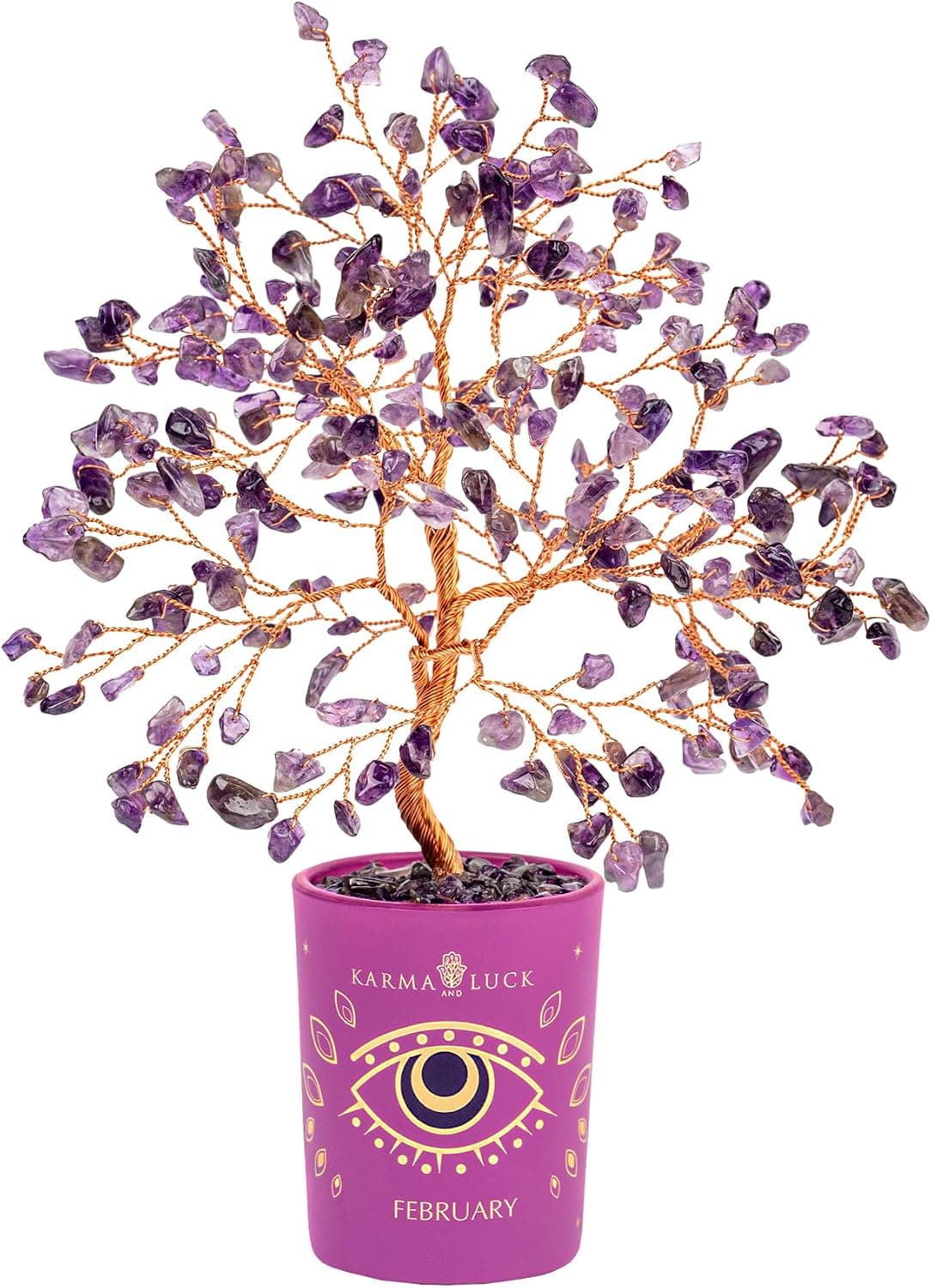
-29%Karma and Luck February Birthstone Crystal Tree of Life, Amethyst Gemstone Fe...
As an Amazon Associate, we earn from qualifying purchases. We only recommend items our practitioners have personally tested.
Continue Your Journey
Explore these related guides to deepen your understanding:

The I Ching Doesn't Answer Lazy Questions — Here's What to Ask Instead
8 min readConfucian Commentary Turns the I Ching Into a Moral Floor Plan
9 min readBroken Lines, Solid Lines, and the Real Yin-Yang Logic of the I Ching
11 min readThe Wilhelm I Ching Feels Deep Because It Slows Your Reading
11 min readReady for Deeper Guidance?
Try our free I Ching reading for personalized wisdom, or explore our curated Feng Shui essentials.