Hexagram 33 doesn’t ask you to quit. It asks you to stop pushing the wrong problem.
The moment the room starts winning
A few years ago, I walked into a narrow guest room in a brick townhouse and knew the issue before the owner finished speaking. The bed was shoved under a slanted ceiling, a red desk lamp burned all evening on the nightstand, and a heavy bookshelf sat directly opposite the pillow. She said she felt tired by 3 p.m. every day and woke up angry for no reason.
That is the flavor of retreat. Not collapse. Not defeat. Just the clear moment when forward pressure makes everything worse.
Hexagram 31’s pull of attraction draws things together; retreat does the opposite. It creates distance so the right shape can emerge. People often miss that. They hear “withdraw” and imagine weakness. In practice, it can be the strongest move in the room.
When people search for i ching hexagram 33 retreat meaning, they often want permission to leave a job, end a relationship, or stop chasing a plan. Sometimes that is exactly the message. Sometimes it is more subtle: step back from the argument, the obsession, the noise, the need to win. Retreat is not always geographic. Often it is behavioral.
And that distinction matters. A literal move may be wise, but if the underlying habit remains, the same pattern follows you down the hall. I have seen it in bedrooms, kitchens, offices, even meditation corners. The person changes the furniture and keeps the force. The room never relaxes.
What Hexagram 33 is really asking you to do
Hexagram 33 is about preserving integrity when the moment belongs to a stronger current. That current can be social pressure, bad timing, emotional chaos, or a battle you will not improve by staying in the center of it. The advice is not cowardice. It is strategic withdrawal.
There is a hard truth here: some situations cannot be improved by more effort. More effort simply deepens the rut. Retreat creates breathing room, and breathing room creates judgment. Once you can see clearly again, action becomes cleaner, smaller, and far more effective.
That is why retreat often feels frustrating at first. The ego hates it. The ego wants visible impact, a speech, a fix, a decisive gesture. Hexagram 33 says: not yet. Move out of the blast radius. Keep your resources intact. Wait for a cleaner opening.
In the I Ching, timing is not a luxury. It is part of the answer. When the season turns against you, pressing harder can exhaust the very strength you need later. A wise retreat is active. It involves choosing distance, boundaries, and restraint with precision.
One of the most misunderstood ideas in Chinese metaphysics is that yielding equals losing. It doesn’t. Yielding can preserve the center. That center is everything. Without it, you become reactive, and reactive people make expensive mistakes.
This is also where the lesson of decay and repair comes into focus. If something has already rotted, attacking the surface will not save it. Sometimes the best move is to stop feeding the problem and step back long enough to see what can actually be salvaged.
In reading practice, I pay close attention to where the retreat is happening. Is it a retreat from work, from conflict, from ambition, from intimacy, from public exposure? Each one carries a different instruction. The hexagram gives the shape; the question gives the application.
One sentence can save months of confusion: retreat is not the same as avoidance.
Avoidance is fear running the house. Retreat is conscious movement with a purpose. Avoidance hides from reality. Retreat protects the ability to meet reality later, from a stronger position.
Signs you are being asked to step back
The signs are usually plain, though people hate how plain they are. Conversations repeat without progress. Deadlines keep slipping. Your body resists the very task your mind insists is essential. The more you push, the less elegant the result becomes.
Sometimes the message arrives through space. I once consulted for a software engineer named Marcus who had a home office painted deep blue. He worked at a black glass desk under a glaring white ceiling light, with his router and printer stacked beside his left shoulder like little machines guarding a trench. He was exhausted, but the real problem was worse: his nervous system never stood down. After he moved the desk away from the door, removed the extra screens, and stopped checking email in the room after 7 p.m., his sleep improved within ten days.
That was hexagram 33 in plain life. Not dramatic. Just a wise decrease in exposure.
People expect retreat to feel like a grand spiritual event. Usually it feels dull. Quiet. Even inconvenient. You make fewer calls. You stop arguing with someone who wants the last word. You decline the meeting. You leave the noisy cafe. You turn off the app. The world does not applaud.
But the body notices. The mind notices. And, in feng shui, the home notices too. A room can be configured for retreat or for pressure. A bedroom with mirrors aimed at the bed, strong red accents, and too many sharp edges can feel like a battlefield at night. A bedroom with soft lighting, closed storage, and a clear path to the door supports rest instead of vigilance.
If you want a related lens on how energy gathers around people and places, study the pattern of holding together. Retreat is not the opposite of community. It is what you do when the group, the room, or the schedule stops holding you well.
How to apply retreat without disappearing
Start with a simple question: what am I forcing that should be released for now? Write down the answer. Not the story around it. The thing itself. One line is enough.
Then decide the smallest true retreat you can make in the next 24 hours. Cancel one unnecessary commitment. Move one object. Stop one habit of contact. Shorten one conversation. Retreat works best when it is concrete.
Here is a practical sequence I use with clients:
First, reduce exposure. If a project or person drains you, lower the frequency of contact before you lower your standards. Second, protect your boundaries. Use clear language and stop over-explaining. Third, simplify your environment so it no longer provokes urgency. A cluttered desk can keep you in a fighting posture all day.
Then test the space you created. Do you think more clearly? Does sleep improve? Does your appetite settle? Do you feel less compelled to defend your position? These are signs that retreat is working.
In one apartment dining room I visited, a teacher had a round table covered in a white lace runner, a bowl of three oranges, and a tall green candle that she never lit. Lovely on paper. In practice, the room felt oddly tense because the table sat directly in line with the front door and a tall mirror reflected every movement. We shifted the table a few feet, removed the mirror, and replaced the candle with a low ceramic dish. Her evening meals became calmer almost immediately. The room stopped acting like a checkpoint.
That is the heart of i ching hexagram 33 retreat meaning in lived form. You do not need to vanish. You need to stop standing where the pressure is strongest.
Here is a useful rule: if your retreat makes you more honest, it is probably right. If it makes you secretive, evasive, or passive-aggressive, it has gone off course.
One sentence here deserves emphasis.
Retreat should make you clearer, not smaller.
When retreat is the right answer and when it is not
Sometimes the answer is to leave. A toxic workplace. A draining friendship. A relationship where respect has already left the building. Hexagram 33 does not romanticize staying. There are moments when departure is the cleanest and most honorable act.
But sometimes retreat means staying while changing your stance. A pause before reply. A break from constant input. A refusal to take the bait. That version of retreat can transform a situation without a dramatic exit.
The mistake people make is treating every discomfort as a command to flee. Not so. Sometimes the lesson is to remain, but without attachment to immediate results. That is a very different posture, and a far more mature one.
If you feel torn between action and stillness, look to the discipline of returning. Retreat creates the opening; return tells you how to come back with timing. The two belong together more often than Western readers expect.
Another mistake: using retreat as a disguise for indecision. I have seen people call it “trusting the process” when they are simply unwilling to choose. That is not hexagram 33. That is drift. Retreat with a purpose has a direction, even if the direction is inward for a season.
And yes, there are times when the right move is to do less, spend less, say less, and wait. The culture hates that advice. It rewards hustle, visibility, and constant motion. But I have watched too many people burn out from fighting the wrong tide.
Linking retreat back to the larger I Ching path
Hexagram 33 belongs in a family of timing lessons. Some hexagrams ask you to begin, some to wait, some to gather, some to repair. Retreat is the one that protects what matters when direct engagement would scatter it.
That is why a single reading should rarely stand alone. If you draw this hexagram, look at what came before and after it in your situation. Is this a phase after influence? After confrontation? After overexposure? The answer changes the message.
If you are still learning how to read these signals, start with this practical introduction to the first cast. It will help you stop treating every hexagram like a fortune and start seeing it as a pattern of timing, behavior, and consequence.
In the larger pillar of I Ching study, retreat is one of the cleanest reminders that wisdom is not always visible action. Sometimes wisdom is the disciplined refusal to escalate. Sometimes it is leaving the door open and stepping away from the fire.
That is not surrender. That is form.
FAQ
Does Hexagram 33 always mean leaving a situation?
Not at all. Often it means creating distance inside the situation first: fewer arguments, tighter boundaries, less exposure to noise. If the structure is truly harming you, leaving may be the final step, but the first move is usually strategic withdrawal.
What if retreat feels like failure?
That feeling is common, especially for people who are used to pushing through. Failure is unproductive collapse; retreat is a chosen repositioning. The difference shows up in the quality of your energy after the step back.
Can retreat be used in feng shui changes at home?
Surprisingly, yes. Removing visual pressure, softening a bedroom, clearing a direct line of attack from the door, or reducing overstimulating objects can make a home feel like a place to recover rather than perform. Small spatial changes often support the inner retreat much better than a grand gesture.
David Liu
Traditionally informed guidance • Cross-referenced with classical Chinese source texts
Interpretations cross-referenced with the Zhouyi (周易) and Wilhelm/Baynes translation.
Practitioner-Selected Tools for This Topic
Items our team has tested and found effective for the principles discussed above. Individual results may vary.
 -20%
-20%Aquarius 12 Zodiac Challenge Coin - Twelve Constellations Aquarius Protective...
 -29%
-29%Karma and Luck March Birthstone Crystal Tree of Life, Aquamarine Gemstone Fen...
 -29%
-29%Karma and Luck July Birthstone Crystal Tree of Life, Ruby Gemstone Feng Shui ...
 -29%
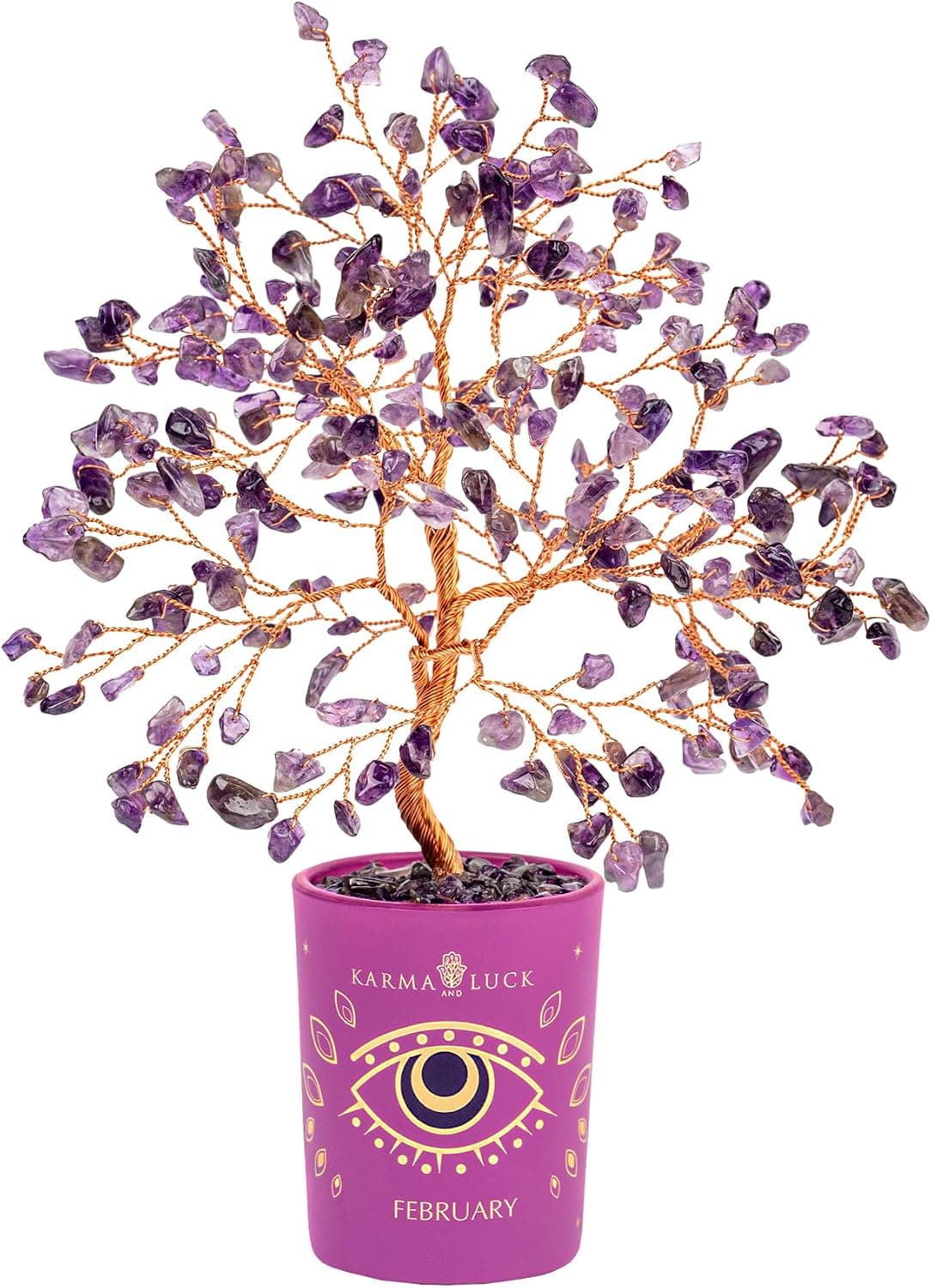
-29%Karma and Luck February Birthstone Crystal Tree of Life, Amethyst Gemstone Fe...
As an Amazon Associate, we earn from qualifying purchases. We only recommend items our practitioners have personally tested.
Continue Your Journey
Explore these related guides to deepen your understanding:

The I Ching Doesn't Answer Lazy Questions — Here's What to Ask Instead
8 min readConfucian Commentary Turns the I Ching Into a Moral Floor Plan
9 min readBroken Lines, Solid Lines, and the Real Yin-Yang Logic of the I Ching
11 min readThe Wilhelm I Ching Feels Deep Because It Slows Your Reading
11 min readReady for Deeper Guidance?
Try our free I Ching reading for personalized wisdom, or explore our curated Feng Shui essentials.