Hexagram 29 warns against panic, over-control, and repeated mistakes. Learn how to move through danger without getting trapped in it.
The moment the water rises, your habits show
A narrow hallway, a flickering lamp, and a bathroom door that would not stay shut. That was the first thing I noticed in a small apartment where the resident had been asking the same question for weeks: why does everything feel harder than it should?
The answer was not hidden in some mystical fog. It was in the pattern. Repetition. Re-entry into the same emotional current. That is the heart of hexagram structure and interpretation, and it is where Hexagram 29 becomes blunt. Water is not the problem. Getting caught in water twice is the problem.
This is why the i ching hexagram 29 abysmal water meaning hits so hard for people who are already exhausted. It does not flatter you. It does not promise an easy win. It tells you that the current is real, the depth is real, and careless movement will only make the pull stronger.
I've seen readers treat this hexagram like a warning sign they can outsmart. They cannot. The moment you try to muscle through, you usually create a second pit.
What Hexagram 29 is actually pointing at
Hexagram 29 is often called Abysmal Water, but that phrase can be misleading if you picture pure disaster. The image is not one giant catastrophe. It is a pit, then another pit, one below the other. That double depth matters. The message is not just danger; it is danger that repeats when you respond badly.
In practice, that means the situation already has momentum. A relationship argument keeps cycling. A business expense keeps returning. A health issue gets managed for a week, then flares again because the root pattern was never changed. Water in the I Ching is associated with adaptability, fear, flow, and hidden depths. Put that into a doubled structure, and you get a lesson in endurance under pressure.
The i ching hexagram 29 abysmal water meaning is not "be scared." It is "be precise." Fear is present, yes. But fear is not the oracle’s final word. The oracle wants steadiness, discipline, and a refusal to dramatize the pit into something bigger than it is.
That is a hard sentence for modern readers. We are taught to react quickly, to explain ourselves loudly, to force closure. Hexagram 29 says the opposite: slow down, keep your footing, do not add noise.
Why this hexagram feels so personal
Water is the most intimate of the classical images because it seeps into everything. You do not meet it as an object. You meet it as a condition. That is why people feel Hexagram 29 in the body: tight chest, shallow breathing, restless sleep, the sense that one wrong move will tip the whole day.
But here is the twist: the hexagram often appears when the danger is less external than internal. The pit may be the story you keep telling yourself. It may be the pattern of avoiding a hard conversation, or a refusal to stop a habit you already know is draining you.
One client, a nurse named Elena, asked the oracle about a job transfer after three exhausting months on night shift. The response pointed to 29. She assumed it meant "leave immediately." It did not. Her problem was not the hospital itself; it was that she was sleeping four hours a day, eating badly, and trying to solve everything while running on adrenaline. Once she fixed the rhythm of her body, the same job felt survivable. The water had not changed. Her footing had.
That is the uncomfortable lesson many people resist. The pit is not always outside you. Sometimes it is the environment you keep re-creating through exhausted choices.
The lower and upper waters: why repetition matters
Hexagram 29 is made of repeated water. That repetition is the clue. One layer of danger can be handled. Two layers require discipline. In traditional terms, the lower trigram and upper trigram both speak to the same elemental force, which means there is no easy contrast to stabilize you. You must become the contrast yourself.
People often ask whether this means the answer is "bad." That is the wrong question. A difficult reading can be more useful than a pleasant one because it identifies the exact quality of the moment. If the water is deep, do not pretend the ground is firm. If the current is strong, do not step in wearing sandals and optimism.
The deeper meaning of the i ching hexagram 29 abysmal water meaning is that repeated conditions require repeated virtue. Not once. Not in theory. Again and again. Patience, consistency, honesty, restraint. The same qualities, applied longer than your impatience would prefer.
That is also why this hexagram can point to integrity under pressure. It asks, very plainly: when you cannot control the outcome, can you still control your conduct?
How this differs from simple fear readings
Some readers reduce Hexagram 29 to anxiety. That is too shallow. Anxiety is noisy. Hexagram 29 is structural. It describes a situation where the path itself contains hazards, and careless movement magnifies them. Fear may be part of the experience, but the real issue is navigation.
Think of a dark stairwell during a power outage. You do not sprint because you feel nervous. You place a hand on the rail. You move deliberately. You count steps. That is the energy of this hexagram. Careful. Measured. Unromantic.
And yes, people dislike that answer. They want reassurance. They want a faster symbol. Yet if the oracle keeps returning to water, you are being asked to respect conditions rather than override them.
That respect can look ordinary from the outside. It often is. Paying bills on time. Backing up files. Writing the apology instead of waiting for the mood. Drinking water. Sleeping enough. These are not glamorous remedies. They are the kinds of actions that prevent a pit from becoming a grave.
Practical application: how to work with Hexagram 29 exactly
Start by naming the danger without embellishment. Write one sentence. Not five. Not a paragraph. One sentence that describes the present risk in plain language. For example: "If I keep avoiding this conversation, the tension at work will get worse." That clarity alone changes the energy.
Next, reduce movement. Water punishes panic. When this hexagram appears, make fewer decisions for twenty-four hours unless a decision is truly urgent. Do not send the angry text. Do not redesign the whole plan. Do not take dramatic advice from someone who is not living inside your consequences.
Then choose one stabilizing action that matches the size of the pit. If the issue is emotional, regulate your body first: walk, breathe, rest, eat. If the issue is practical, address the smallest concrete leak: a bill, a schedule, a deadline, a broken system. If the issue is relational, say the true thing once, cleanly, without a speech.
I walked into a home office last fall where a freelance designer had painted one wall black and covered the desk with blue glass objects. Beautiful, yes. Helpful, no. She had been staring at a stalled project for six weeks and kept asking for a "boost." The room was too heavy, too enclosed, too saturated. We moved the desk toward the window, removed the dark rug, and replaced the glass clutter with a simple ceramic lamp. Two days later, she finished a proposal she had been avoiding for a month. Not magic. Better flow. Better footing.
If you want to use this reading well, consult the oracle after you have calmed down, not while you are still inside the surge. That is one reason I point new readers toward the coin method done with proper intention. The method matters less than the state you bring to it.
Finally, ask whether you are entering the same pit by habit. The answer is often humiliating. The same partner. The same financial mess. The same overcommitment. The same refusal to rest. Hexagram 29 can be a mirror for repetition, and repetition is where people leak power.
How to tell when the message is about endurance, not escape
Sometimes the strongest move is not leaving. That surprises people. They assume any difficult hexagram means "get out." Not always. Sometimes the reading says stay, but stay wisely.
If your circumstances are genuinely unsafe, act accordingly. Water can kill. But if the danger is chronic rather than immediate, the oracle may be asking for stamina. In those cases, the goal is to cross without adding a second crisis on top of the first.
Look for signs of endurance language in the reading: repeated trials, a need for trustworthiness, or a sense that the same theme keeps arriving. Then work with limits. Make the schedule smaller. Keep your promises narrower. Tell the truth earlier. That is how you cross difficult terrain without slipping.
The i ching hexagram 29 abysmal water meaning is often gentler than it sounds. It says: be real, be careful, and do not waste force pretending the pit is not there.
Returning to the broader I Ching picture
Hexagram 29 becomes clearer when you place it inside the larger system of change. The I Ching rarely gives you one isolated fact. It shows motion, relationship, transition, pressure, and response. If you are still learning the system, your first reading will make more sense once you stop expecting the oracle to speak in slogans.
And if you keep seeing water imagery in your readings, do not panic. Water is not only danger. It is adaptation, honesty, depth, and the ability to take the shape of the moment without losing yourself. That is a difficult skill. Most people never practice it well.
Hexagram 29 is a test of that skill. Not once. Repeatedly.
FAQ
Is Hexagram 29 always a bad sign?
No. It is a warning, but warnings are useful because they let you move more intelligently. A bad reading becomes worse only when you ignore the conditions it names.
What should I do if I get this hexagram in a relationship reading?
Start by reducing emotional flooding. Say less, listen more, and watch for the pattern underneath the argument. If the same issue keeps returning, the reading is pointing to a cycle, not just a mood.
Can Hexagram 29 point to money or work problems?
Absolutely. In those areas, it often shows recurring pressure: cash flow strain, unstable scheduling, or a decision made too fast. That is why I often connect it with careful career guidance when the stakes are real.
David Liu
Traditionally informed guidance • Cross-referenced with classical Chinese source texts
Interpretations cross-referenced with the Zhouyi (周易) and Wilhelm/Baynes translation.
Practitioner-Selected Tools for This Topic
Items our team has tested and found effective for the principles discussed above. Individual results may vary.
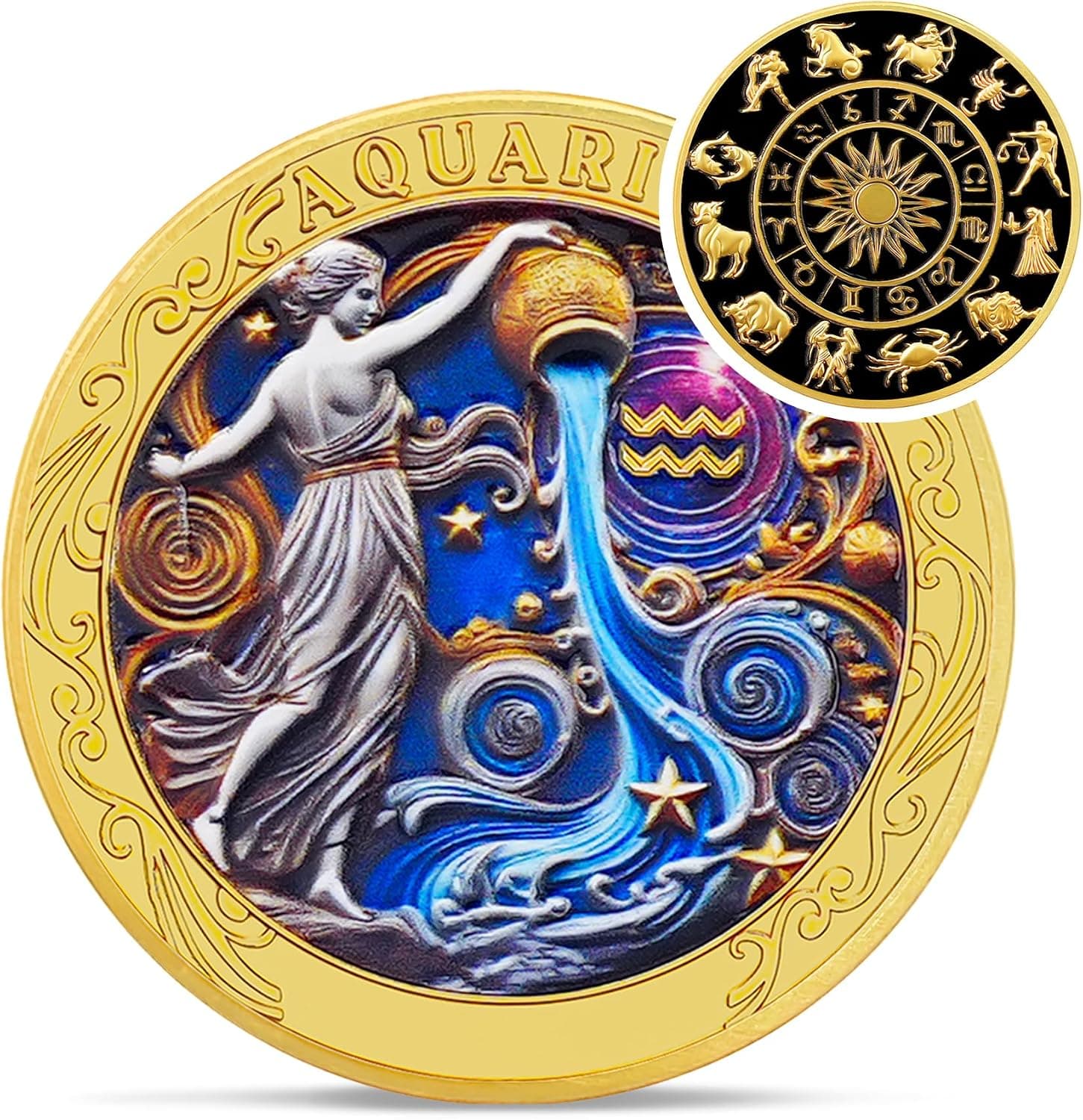 -20%
-20%Aquarius 12 Zodiac Challenge Coin - Twelve Constellations Aquarius Protective...
 -29%
-29%Karma and Luck March Birthstone Crystal Tree of Life, Aquamarine Gemstone Fen...
 -29%
-29%Karma and Luck July Birthstone Crystal Tree of Life, Ruby Gemstone Feng Shui ...
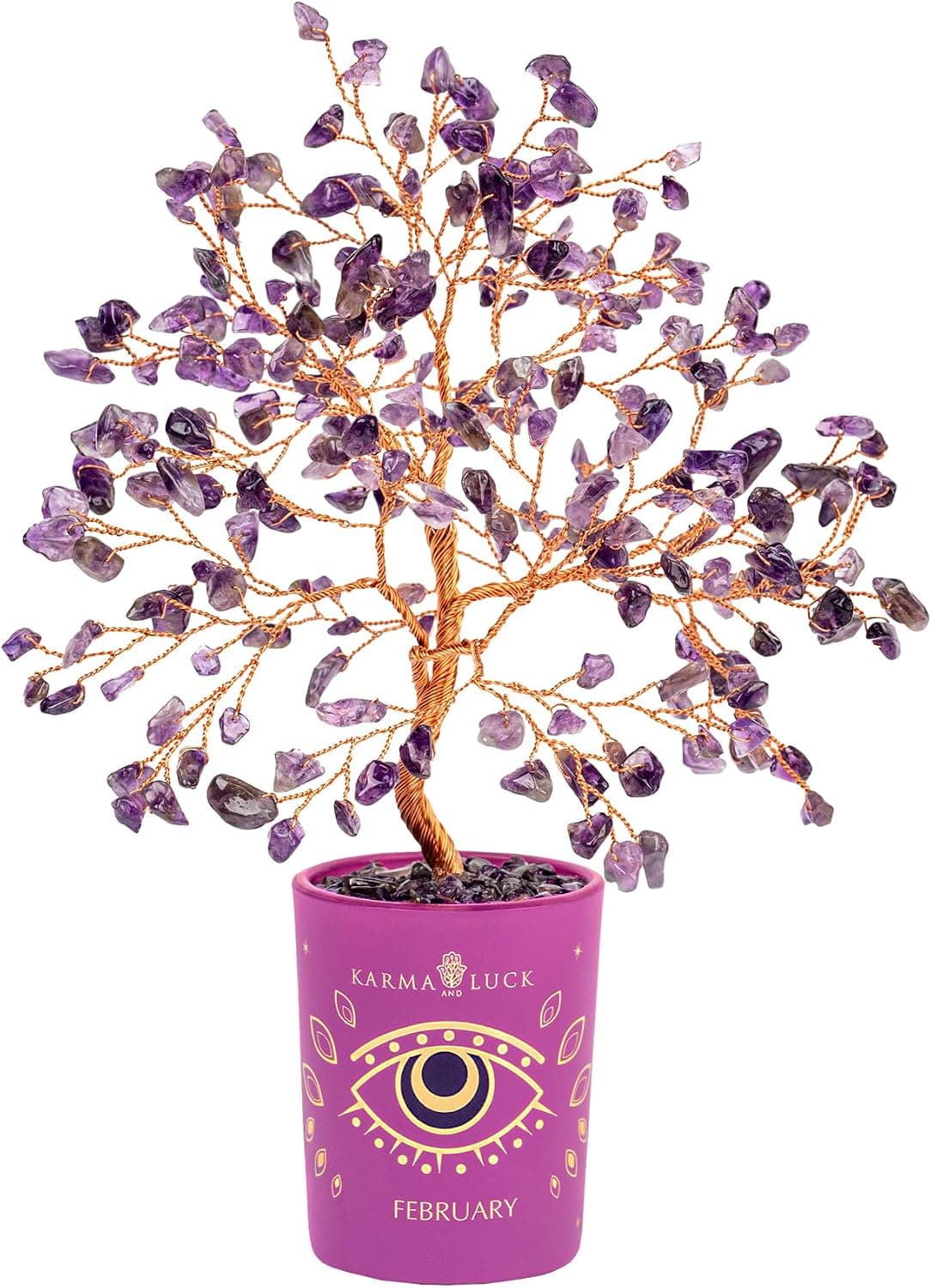 -29%
-29%Karma and Luck February Birthstone Crystal Tree of Life, Amethyst Gemstone Fe...
As an Amazon Associate, we earn from qualifying purchases. We only recommend items our practitioners have personally tested.
Continue Your Journey
Explore these related guides to deepen your understanding:

The I Ching Doesn't Answer Lazy Questions — Here's What to Ask Instead
8 min readConfucian Commentary Turns the I Ching Into a Moral Floor Plan
9 min readBroken Lines, Solid Lines, and the Real Yin-Yang Logic of the I Ching
11 min readThe Wilhelm I Ching Feels Deep Because It Slows Your Reading
11 min readReady for Deeper Guidance?
Try our free I Ching reading for personalized wisdom, or explore our curated Feng Shui essentials.