Hexagram 1 is not permission to rush. It rewards clean intent, disciplined force, and a mind that can hold back.
When the first line is all you have, timing matters
The first time I saw how a hexagram changes shape from a single line, it was in a study with a black lacquer tea table and a chipped white bowl of tangerines. The room looked calm. The reading did not. The question was about a new business launch, and the answer was pure force with no polish: too much drive, not enough structure. That is the heart of the i ching hexagram 1 creative meaning. It is not a celebration of raw ambition. It is a test of whether power can be directed without being wasted.
People love the word “creative” because it sounds open, inspiring, and harmless. Hexagram 1 is none of those things. It is decisive, masculine in the classical sense, and uncompromising. The image is heaven moving strongly. That sounds grand until you meet it in real life, where it usually arrives as pressure: a deadline, a birth of an idea, a career pivot, or the first honest step after months of hesitation.
This is where beginners get it wrong. They think the hexagram says, “Go big.” It does not. It says, “Move correctly.”
The difference is everything. A person with strong potential can still fail by rushing, posturing, or spending energy on appearances. I have seen this in offices, kitchens, and bedrooms. The energy is there, but it leaks through bad habits. Hexagram 1 does not flatter that kind of waste.
What Creative Force Actually Looks Like
Hexagram 1 is about initiating with integrity. It favors clean beginnings, not loud ones. A clean beginning has shape. It knows what it is for. It does not need applause before it has even stood up.
In practical terms, this hexagram often appears when someone is at the edge of a major move: starting a company, proposing a design, applying for a new role, or deciding whether to leave a stale situation. The reading is rarely about whether the goal is possible. More often, it asks whether the person has the discipline to carry power without scattering it.
That is why this hexagram can feel harsh to modern readers. We are trained to believe that creativity means spontaneity. In classical Chinese thought, creation has order. Heaven does not improvise wildly. It acts with consistency. That consistency becomes a model for leadership, work, and personal development.
One of my clients, an architect named Daniel, pulled this hexagram while planning a studio renovation. He wanted bright red walls, sculptural chairs, and a dramatic brass lamp over the conference table. The place looked stunning in his mockups, but the actual office had no storage, no quiet zone, and no clear entry path. I told him the reading was not asking for more style. It was asking for containment. He kept the brass lamp, switched the red to warm gray, and added a long oak shelf under the windows. Two weeks later, he told me the team stopped arguing in the middle of the room. That is hexagram 1 at work: power that organizes rather than performs.
Notice the surprise there. The creative force did not arrive as drama. It arrived as order.
The i ching hexagram 1 creative meaning also carries a warning for people who are already strong-willed. If you already like to lead, this hexagram can feed your worst habit: forcing outcomes. Force is not the same as strength. Force is noisy. Strength can wait.
That is a distinction Western readers often miss. They assume waiting means weakness. In the Yi, waiting can be the highest form of mastery when the moment is not ripe. Hexagram 1 asks for action, yes, but action with timing. The line between courageous and reckless is thinner than people admit.
The Four Stages Hidden Inside the Energy
Hexagram 1 is often read as a single idea, but it behaves more like a progression. At first, there is potential. Then there is direction. Then sustained effort. Finally, influence. Miss one of those steps and the whole thing collapses into ego.
Potential is not accomplishment. Direction is not proof. Sustained effort is where most people quit, because the first burst of excitement wears off and the work turns ordinary. Influence comes last, and it is earned. If you try to reverse that order, you get a polished mess.
This is one reason the creative hexagram can feel intimidating. It does not reward fantasy. It rewards repetition. It wants you to keep showing up after the novelty disappears.
The “dragon” imagery often associated with this hexagram is useful here, but only if you strip away the costume. A dragon is not cute. It is not decorative. It is a force too large to be casual with. If you are carrying this energy, you need boundaries around it. Otherwise it burns through relationships, budgets, and sleep.
And yes, sleep is part of it. I have walked into bedrooms where the bed faced a mirrored closet, a desk was piled with invoices, and a bright gold throw blanket sat on top of charcoal sheets. The owner of that room complained of waking at 3:10 a.m. with ideas racing through her head. She thought she needed more motivation. She needed less activation. We removed the mirror reflection from the bed line, put the work papers in another room, and changed the blanket to muted blue. Within a week, her sleep improved. That is not magic. It is nervous system management through environment.
Hexagram 1 does not ask, “How ambitious are you?” It asks, “Can your environment hold your ambition without amplifying chaos?”
If that question makes you uncomfortable, good. It should.
How to Apply This Reading Without Turning It Into a Hobby
Start with one decision. Not ten. One.
Choose the project, role, or change that actually deserves your energy. Write it down in plain language. Then remove one distraction that weakens your focus. This could be a cluttered desk, a chaotic morning routine, or a conversation pattern that keeps pulling you off course.
If you want to work with the hexagram in a more structured way, use the coin method and ask a direct question. The best results come from questions that require action, not vague comfort. If you need help with the mechanics, this coin method explanation gives a clean place to start. Keep the question tight. Ask what needs to be initiated, what needs to wait, or what hidden obstacle is weakening the project.
Then look at your timing. Hexagram 1 rewards momentum, but only when it is aligned. If your launch depends on three people, two deadlines, and a fragile budget, do not confuse urgency with readiness. Build the foundation first. That may mean tightening your messaging, simplifying your offer, or delaying the public reveal until the work can stand on its own.
Here is a practical sequence I use with clients and students:
First, name the goal in one sentence. Second, identify the one behavior that would sabotage it. Third, remove one visible sign of disorder from the space where you make decisions. Fourth, commit to a short period of consistent action, even if it is boring. Fifth, review after seven days, not seven hours.
That last point matters. People obsessed with signs can become addicted to instant confirmation. Hexagram 1 does not feed that habit. It asks for patience with evidence. A reading is not a theater cue telling you to feel inspired. It is a directive to align action with structure.
When someone is asking about career movement, I often point them toward career guidance through the Yi because hexagram 1 can show up as a promotion, a new role, or a leadership test. But even then, the message stays the same: do not merely seize an opportunity. Prepare to carry it.
That preparation is where most people cut corners. They want the title, not the burden. They want the launch, not the maintenance. They want the breakthrough, not the discipline that makes the breakthrough repeatable.
Hexagram 1 is not impressed by potential that never matures.
Where the pillar page belongs in the bigger picture
If you are studying this hexagram deeply, it helps to step back and see how it fits within the full system. Hexagrams are not isolated symbols. They are part of a living structure of patterns, transitions, and relationships. For that wider map, return to the broader hexagram framework and place this creative force in context.
That wider view matters because hexagram 1 is only the beginning. It opens the door, but it does not build the house. In a full reading, what follows can confirm the direction, restrain the energy, or reveal the cost of moving too fast. Good readers do not stop at inspiration. They ask what the inspiration can actually support.
That is also why the i ching hexagram 1 creative meaning should never be reduced to “be creative” or “take action.” Those phrases are too thin. The real message is: act with precision, protect your energy, and let strength take shape before it tries to impress anyone.
FAQ
Does Hexagram 1 mean a guaranteed success?
Not at all. It points to strong initiating energy, but strong beginnings can still fail if the structure is weak. Think of it as a powerful engine: useful only if the frame, steering, and brakes are ready too.
Is this hexagram about masculine energy only?
Surprisingly, no. The language is classical, but the pattern applies to anyone who is starting something with force and clarity. I have seen women, men, and teams all receive this reading when the issue was about disciplined creation rather than personality.
What should I do if this appears in a reading and I feel stuck?
Start smaller than your ego wants. Pick one clear action, remove one source of disorder, and repeat the action for a short period without chasing signs. Often the block is not a lack of power; it is power leaking through too many openings.
David Liu
Traditionally informed guidance • Cross-referenced with classical Chinese source texts
Interpretations cross-referenced with the Zhouyi (周易) and Wilhelm/Baynes translation.
Practitioner-Selected Tools for This Topic
Items our team has tested and found effective for the principles discussed above. Individual results may vary.
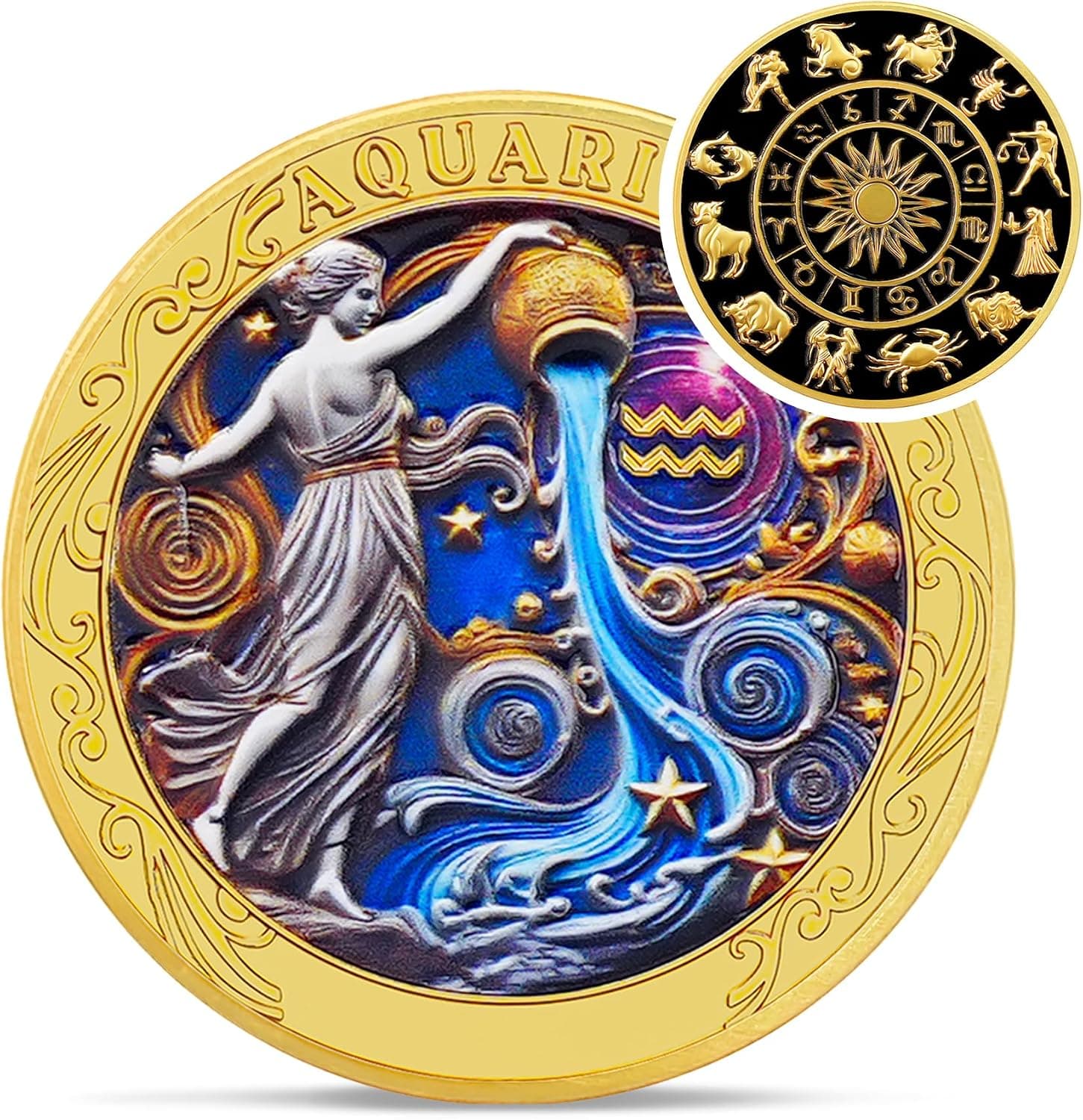 -20%
-20%Aquarius 12 Zodiac Challenge Coin - Twelve Constellations Aquarius Protective...
 -29%
-29%Karma and Luck March Birthstone Crystal Tree of Life, Aquamarine Gemstone Fen...
 -29%
-29%Karma and Luck July Birthstone Crystal Tree of Life, Ruby Gemstone Feng Shui ...
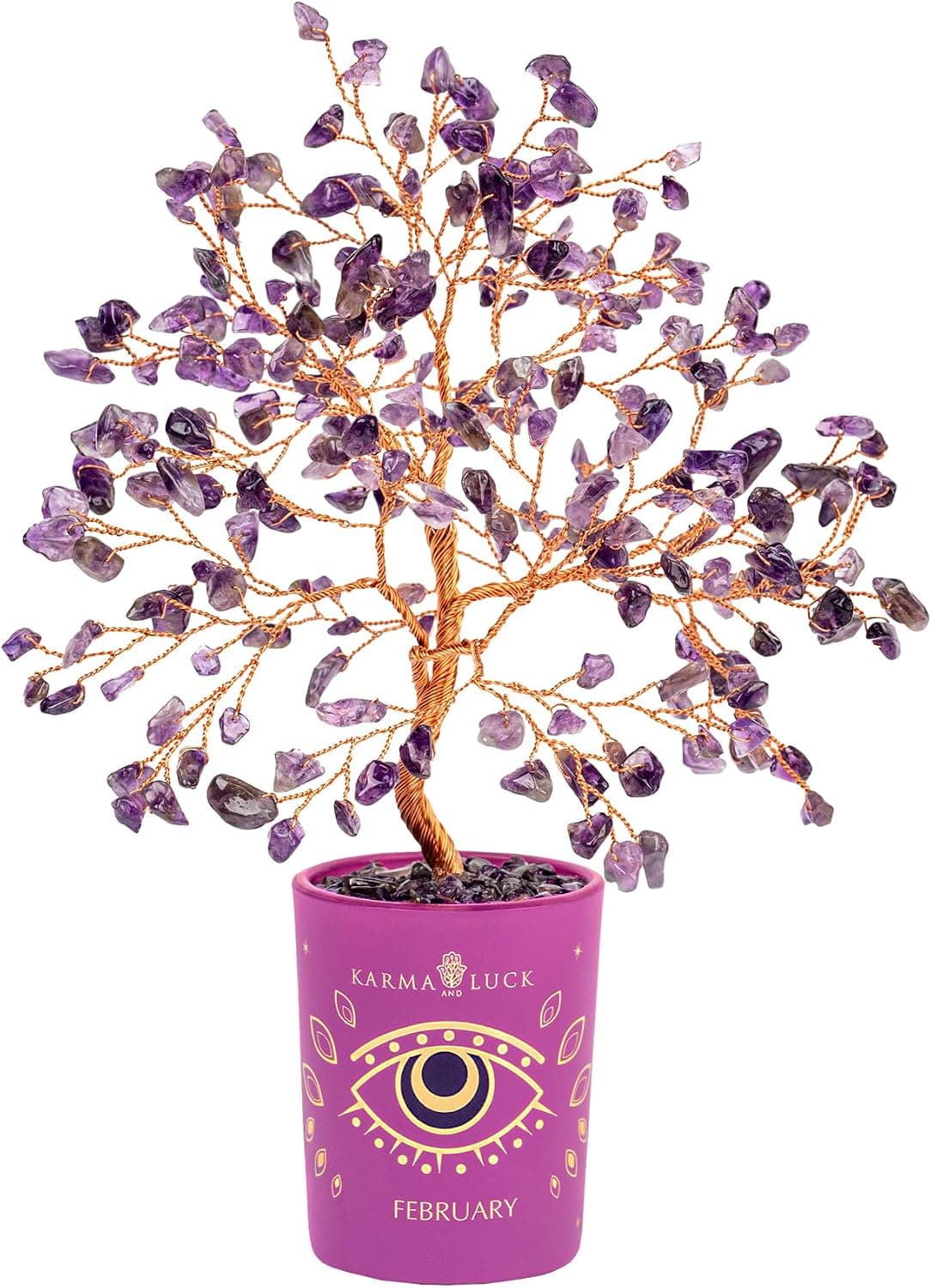 -29%
-29%Karma and Luck February Birthstone Crystal Tree of Life, Amethyst Gemstone Fe...
As an Amazon Associate, we earn from qualifying purchases. We only recommend items our practitioners have personally tested.
Continue Your Journey
Explore these related guides to deepen your understanding:

The I Ching Doesn't Answer Lazy Questions — Here's What to Ask Instead
8 min readConfucian Commentary Turns the I Ching Into a Moral Floor Plan
9 min readBroken Lines, Solid Lines, and the Real Yin-Yang Logic of the I Ching
11 min readThe Wilhelm I Ching Feels Deep Because It Slows Your Reading
11 min readReady for Deeper Guidance?
Try our free I Ching reading for personalized wisdom, or explore our curated Feng Shui essentials.