If your readings feel vague, the Taoist lens is probably the piece you’ve been missing.
When the oracle answers, but your life still feels stuck
You’ve drawn a hexagram, read three translations, and still cannot tell whether to act, wait, or stop overthinking. That frustration is common. The problem is usually not the oracle. It is the way people separate the text itself from the tradition that shaped it.
I have seen this in real rooms, not abstract theory. A software architect in a blue-painted study kept asking the same question about a job offer. He had a brass reading lamp, a tidy desk, and a stack of printouts from different websites. The answer looked contradictory until he stopped treating the hexagram like a fortune cookie and started reading it as a Taoist picture of timing, pressure, and natural movement.
That is the heart of the i ching and taoism connection explained in practical terms: the I Ching does not tell you to force the world. It shows you how the current is moving so you can choose the least obstructive action.
The real relationship between the I Ching and Taoism
The I Ching predates organized Taoism, but Taoist thinkers adopted it because it matched their deepest principle: live in accord with the way things already change. That is the piece many Western readers miss. They approach the book as a system for prediction, when it is better understood as a mirror for relationship with process.
Taoism emphasizes wu wei, often translated as non-forcing. People hear that and imagine passivity. Wrong. Non-forcing is not doing nothing. It is doing the right amount, at the right time, without egoic panic. The I Ching maps that timing through yin and yang, movement and stillness, advance and retreat.
If you want the i ching and taoism connection explained without the fog, think of it this way: the oracle describes the shape of change, while Taoism teaches how to move inside that shape. One gives you the reading. The other gives you the posture.
This is also why good readings often feel oddly practical. A hexagram about difficulty may not be saying “bad luck.” It may be saying the path exists, but it requires a Taoist response: fewer words, less muscle, more patience. That is not mystical fluff. It is strategy.
The easiest mistake is to treat the I Ching like a judge. It is not a judge. It is more like weather intelligence. Storms are not moral. They are conditions. Taoist wisdom trains you to respond to conditions without turning every setback into a personal verdict.
How to use that connection in an actual reading
Begin before you cast. Quiet the room. Put your phone in another space. I know that sounds basic, but the book responds badly to mental noise because you will project noise back into the answer. A clean table, a blank page, and a single question are better than a dramatic ritual with scattered attention.
Then ask about the situation, not the fantasy. “Will I get the promotion?” is often too narrow. “What is the right way to approach this promotion?” gives the oracle room to speak in Taoist terms. That shift matters. The book is strongest when it can show relationship, sequence, and tone.
After the cast, read the primary hexagram first, then the changing lines, then the resulting hexagram. Do not rush to a single keyword. If the text suggests stillness, ask where you are already pushing too hard. If it suggests movement, ask what has been stalled by caution. The answer is usually in the tension between your habit and the situation’s actual demand.
One practical method I use is simple: I read the hexagram as the shape of the present, the changing lines as the pressure points, and the resulting hexagram as the direction the current is already leaning. That approach keeps you from forcing a desired answer onto the casting. It also keeps the reading grounded in Taoist realism instead of wishful thinking.
A good reading often changes behavior in small, concrete ways. A nurse I worked with had a cramped spare room she used as a home office. The walls were gray, a red filing tray sat directly opposite the chair, and she kept getting the same lines about conflict and excess heat. She moved the red tray into a drawer, replaced a glaring bulb with softer light, and stopped checking work email after 9 p.m. Within two weeks, her sleep improved and the room felt less like a battleground. That is not magic. That is alignment.
For deeper study, compare how different translators handle key terms. Some flatten the Taoist texture into modern self-help language, and the result loses the tension that makes the book useful. If you want a better reading habit, pair your practice with a careful first-hexagram approach rather than chasing the most comforting interpretation.
Another useful habit is to notice whether the answer points toward restraint or release. Taoism is full of these paired movements. Sometimes you need less effort. Sometimes you need fewer opinions. Sometimes you need to enter the situation quietly and let momentum build on its own. That subtlety is where the book becomes trustworthy.
Where people go wrong
One mistake is over-reading every line as a personal insult. The oracle is not attacking you. It may simply be describing a dynamic that was already there before you asked. The other mistake is treating any answer that mentions difficulty as a sign to quit. Taoist thinking is far more nuanced than that. Difficulty can mean “enter carefully,” not “do not enter.”
Another common error is pulling in too many remedies at once. I have seen people cast, panic, and then start burning incense, moving furniture, and buying symbols as if volume creates clarity. It does not. If your question is muddy, no number of cures will rescue it. Start with the reading, then choose one measured response.
If your practice already includes surroundings and symbolism, keep them simple and consistent. A calm desk, uncluttered floor space, and a single visual anchor are often enough. If you want to explore supportive environment work, bedroom lighting choices can help create the stillness that makes readings easier to hear.
What Taoist practice changes in your interpretation
Taoism changes the question from “What will happen?” to “How do I move with what is happening?” That sounds subtle, but it transforms the entire reading. A hexagram ceases to be a prediction machine and becomes a guide to appropriate conduct.
It also changes how you handle silence. Sometimes the oracle is not withholding information. Sometimes you are being told to wait until the next movement appears. Western readers often hate this. We want certainty now. Taoist practice teaches a harder skill: stay present without manufacturing conclusions.
That skill has another benefit. It keeps you from making the book serve your anxiety. If you ask the I Ching whether to leave a relationship, for example, you may not get “yes” or “no.” You may get a picture of imbalance, delayed timing, or the need to stop trying to control another person. That answer is not evasive. It is precise.
And this is where the i ching and taoism connection explained in the clearest way becomes useful: the oracle reveals pattern, Taoism teaches response, and your life improves when those two stop being separate ideas.
FAQ
Is the I Ching a Taoist book?
Not originally. The text emerged earlier, but Taoist philosophers embraced it because its view of change matched their own. That is why the book feels so Taoist even when it predates the formal tradition.
Should I read the I Ching as a prediction tool or a philosophy?
Both, but not in the cheap sense of fortune-telling. It predicts tendencies, not fixed outcomes, and the philosophical layer tells you how to behave within those tendencies. That combination is what makes it durable.
Do I need Taoist beliefs to use the I Ching well?
No, but you do need respect for timing and change. If you approach it as a conversation with process rather than a vending machine for answers, your readings become far sharper.
What if my reading seems negative?
Surprising fact: some of the most helpful readings look uncomfortable at first. Difficulty often means the situation is active, not doomed. The real question is whether you are being asked to push, pause, or simplify.
Can I use the I Ching alongside feng shui?
Absolutely. Many people pair inner guidance with environmental adjustment because both traditions value harmony over force. If you want to understand the objects you place around you, small symbolic cures can complement a reflective reading practice.
David Liu
Traditionally informed guidance • Cross-referenced with classical Chinese source texts
Interpretations cross-referenced with the Zhouyi (周易) and Wilhelm/Baynes translation.
Practitioner-Selected Tools for This Topic
Items our team has tested and found effective for the principles discussed above. Individual results may vary.
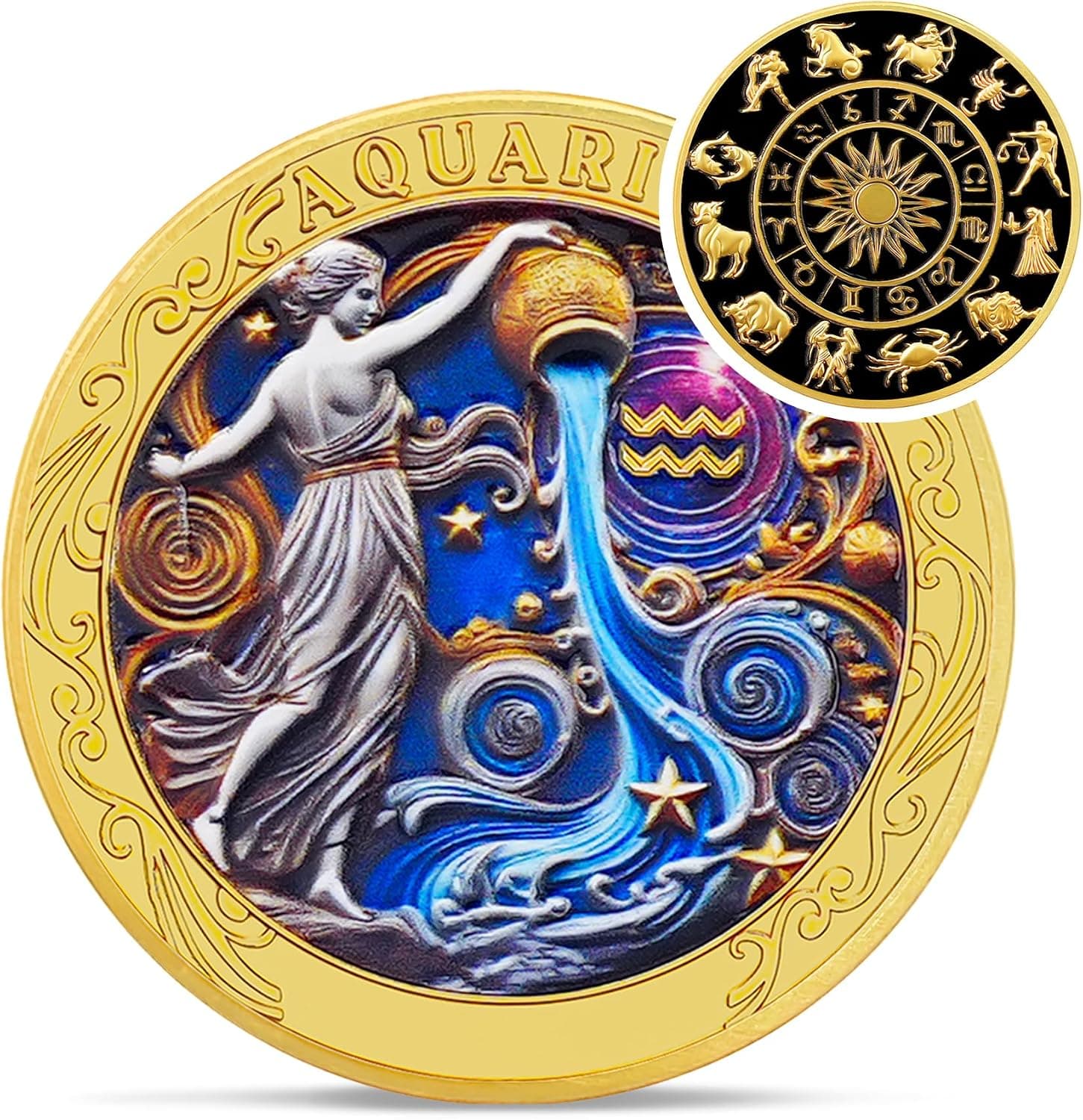 -20%
-20%Aquarius 12 Zodiac Challenge Coin - Twelve Constellations Aquarius Protective...
 -29%
-29%Karma and Luck March Birthstone Crystal Tree of Life, Aquamarine Gemstone Fen...
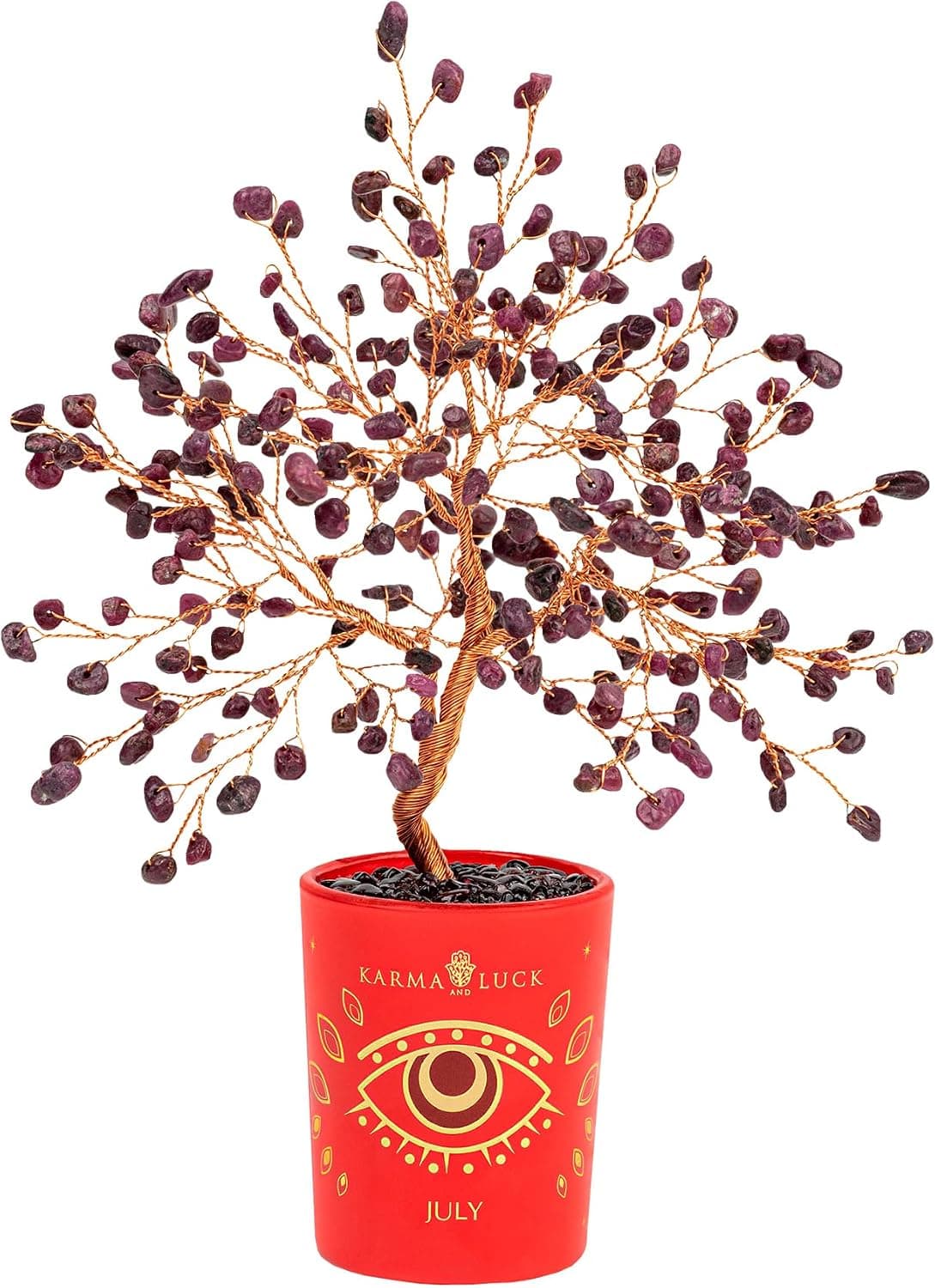 -29%
-29%Karma and Luck July Birthstone Crystal Tree of Life, Ruby Gemstone Feng Shui ...
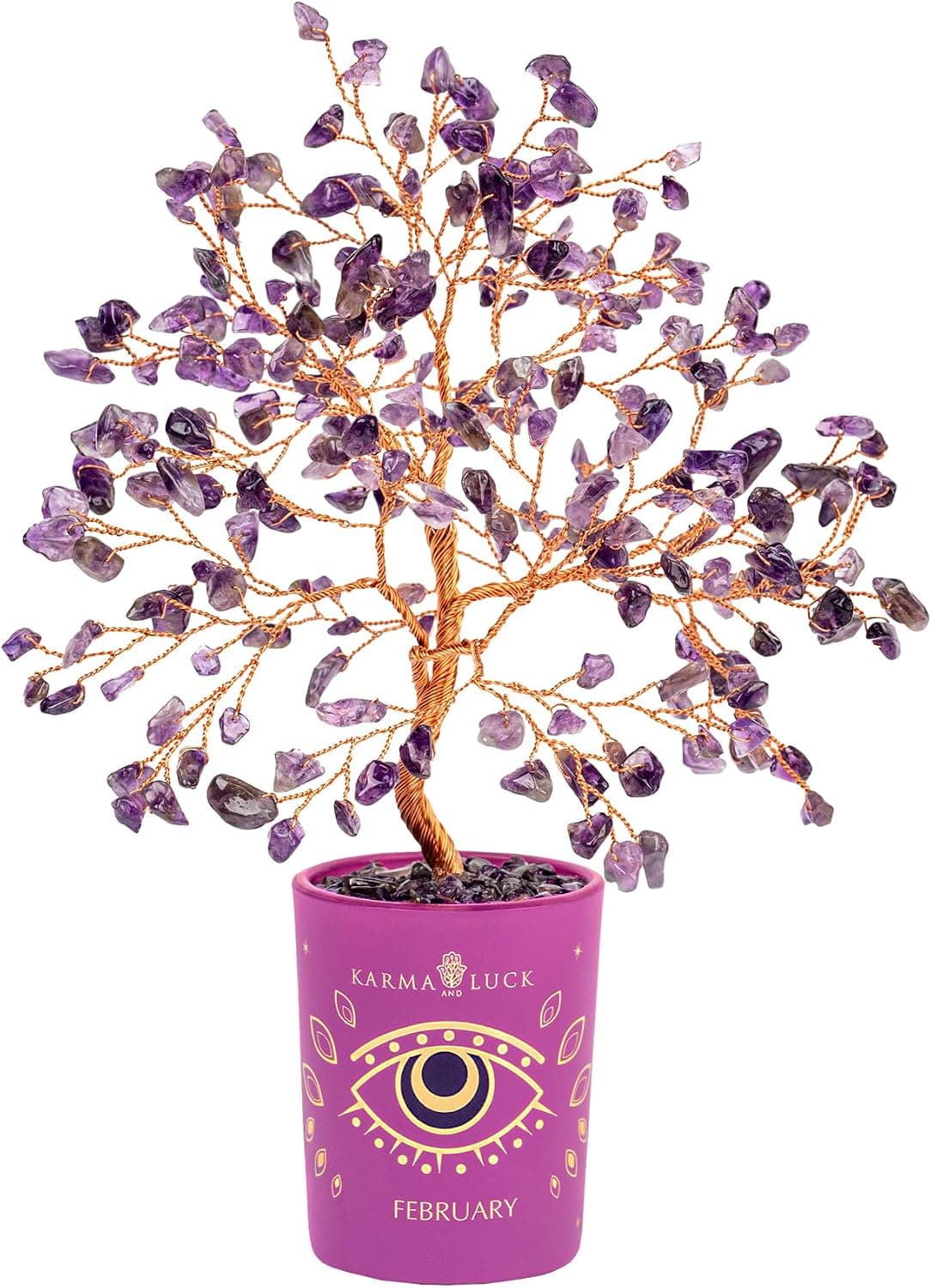 -29%
-29%Karma and Luck February Birthstone Crystal Tree of Life, Amethyst Gemstone Fe...
As an Amazon Associate, we earn from qualifying purchases. We only recommend items our practitioners have personally tested.
Continue Your Journey
Explore these related guides to deepen your understanding:

The I Ching Doesn't Answer Lazy Questions — Here's What to Ask Instead
8 min readConfucian Commentary Turns the I Ching Into a Moral Floor Plan
9 min readBroken Lines, Solid Lines, and the Real Yin-Yang Logic of the I Ching
11 min readThe Wilhelm I Ching Feels Deep Because It Slows Your Reading
11 min readReady for Deeper Guidance?
Try our free I Ching reading for personalized wisdom, or explore our curated Feng Shui essentials.