Bad wording does not confuse the I Ching. It exposes the confusion already in the room.
Question: Why does a badly worded I Ching question keep producing confusing answers?
The confusion usually starts before the casting. I’ve watched people sit at a kitchen table with three coins, a notebook, and a quiet surface, then keep rewriting the same line because the real issue is not one question but three. The moment the pen hovers over the paper, you can feel it: they want relief, certainty, and a verdict all at once.
That is exactly why the answer feels slippery. The I Ching does not reward verbal fog. It reflects the shape of the situation you bring to it, and if the question is split, the result will usually feel split too.
For a useful reading, the question has to name one tension clearly enough that the cast can show relationship, timing, and movement. If you ask for a guarantee, you usually get anxiety back.
The click of coins on wood sounds simple, but that little sound is only the beginning. The real work happens in the pause before the cast, when you decide whether you are asking for information or for reassurance.
That distinction matters because the I Ching works more like a mirror for process than a vending machine for outcomes. It gives the strongest answers when the question is open enough to reveal conditions, not narrow enough to demand control.
For a deeper starting point, many readers first want to understand what the I Ching actually is before they worry about wording. That helps, because if you think of it as a fixed prediction engine, you will keep asking the wrong kind of question.
Common Belief: Any sincere question should work if the intention is strong enough
Sincerity matters, but it is not a substitute for clarity. I have seen thoughtful people ask a question with genuine emotion and still get an answer that feels muddy because the wording tried to force the oracle into deciding what they had not decided themselves.
People often assume that a strong feeling will carry the whole reading. It won’t. Strong feeling can sharpen attention, but it can also blur structure, because emotion wants immediate relief while divination asks for accurate description.
This is where philosophy helps without becoming abstract. A good question seeks understanding of a situation, not total control over the future. That is a very different posture. One stance says, “Tell me what is happening.” The other says, “Make reality obey my preferred ending.” Only one of those creates room for insight.
Shared living spaces show the same pattern. If two people treat one room like it must serve every purpose at once, the room becomes tense: work desk, dining space, yoga mat, storage, and guest bed all competing for the same square feet. Questions get crowded in the same way. A reading becomes cramped when one sentence tries to do the job of four.
Yes/no questions are especially tricky because they trigger outcome anxiety. Once the mind starts hunting for a clean verdict, it narrows perception and pushes the interpretation toward force. That is why a line that is actually nuanced can feel “vague” when the real problem is that the question wanted a courtroom answer from a pattern-based oracle.
If you want a methodical starting point, the three-coin casting method works best when the question is already clean. The method does not fix poor wording; it faithfully delivers it.
Reality: The I Ching responds better when one clear decision, tension, or situation is named
The useful unit is not “my entire life.” It is the situation at hand. That might be a relationship conversation, a job transition, or the next step in a project. One question, one pressure point, one horizon.
A beginner sitting at a kitchen table often discovers this the hard way. One draft might ask, “Should I stay with this person, and if not, when will I meet someone better, and how can I stop feeling stuck?” That is three questions plus a mood. The answer will likely feel scattered because the input was scattered.
Rewrite it and the whole reading sharpens. “What is the best way to approach this relationship now?” Suddenly the question points to the quality of action, the current balance between giving and receiving, and the real state of the bond. That is a question the oracle can answer with texture.
Timing questions work the same way. “Will I get the job?” invites a yes/no fixation. “What should I understand about this job decision right now?” invites context, readiness, and timing. The second question leaves room for the movement of events, which matters because life rarely arrives in a tidy instant.
Open-ended questions support better pattern recognition because they let the reading show relationship between self, situation, and season. The answer can then speak to preparation, restraint, timing, or action rather than only to a final outcome.
That is also where yin and yang as practical balance become useful. You are not asking the I Ching to pick a winner in a tug-of-war. You are asking when to act and when to wait, when to press and when to yield.
One sentence can carry that. But it has to stop trying to be clever.
Evidence: Good and bad questions for love, work, and timing
Here is the pattern I see most often: the bad question tries to pin down the future, while the good question tries to understand the present condition that is shaping the future.
For relationships, “Does this person love me?” sounds direct, but it turns the reading into a test. A better version is “What is the nature of this relationship now?” or “How should I approach this relationship in the coming weeks?” Those questions do not demand a verdict; they reveal dynamics.
I once saw a person ask about a partner with a pen hovering over a notebook, then cross out the same line four times. The first version was, “Will this relationship work?” The second was, “Is this the right person for me?” The third was, “Should I stay or leave?” Each rewrite was really an attempt to force the reading to make a choice they had not made. Once the question became, “What is this relationship asking of me now?” the line that came back made sense: less pursuit, more observation, and a clearer boundary.
For work, “Will I get promoted?” often hides a desire for reassurance. Try “What should I focus on to support my next career step?” or “What is the most useful way to approach this job decision?” Those questions let the reading address effort, timing, and leverage instead of dangling a reward like a carrot.
For timing, “When will this happen?” can be useful only if the event is already well defined and the timing itself is the question. Even then, many readers do better with “What do I need to know about the timing of this change?” because it leaves room for season, readiness, and conditions.
People sometimes think the I Ching should override uncertainty. That is a fantasy. It is better at clarifying uncertainty than erasing it.
If you want to go deeper after the first cast, the first reading guide for beginners shows how to handle the initial response without panicking when the line looks strange.
Mechanism: How to rewrite a question so it fits coins, yarrow stalks, and your current situation
Start with the situation, not the verdict. Write the messy version first if you need to. Then strip away every clause that asks for prediction, control, or reassurance. What remains should name one real tension.
A simple worksheet helps. I like a page with three columns: question draft, problem with wording, rewritten version. Under “problem,” write what the question is doing wrong: too broad, yes/no, emotionally loaded, or trying to combine relationship, timing, and strategy in one sentence. Under “rewritten version,” make it open-ended and specific.
For example, “Should I leave my job?” becomes “What should I understand about my work situation before deciding what to do next?” That shift matters because it changes the question from command to perception. The oracle can now speak to conditions, not just to a binary choice.
With yarrow stalks, this clarity matters even more because the method tends to invite patience and depth. With coins, the same principle still applies, but the faster casting can tempt people to throw questions at the table in a rush. Slow down either way. The method does not change the requirement: one question, one focus, one honest intention.
Philosophically, this is a question of control versus participation. If you ask from the stance of control, you want the future to submit. If you ask from participation, you want to understand where the current is moving so you can act well. That is a healthier use of divination, and frankly a more mature one.
Sociology gives the same lesson in plain clothes. In a shared household, nobody gets everything their way all the time, because the room is shared, the constraints are shared, and the consequences are shared. The best question in such a space is not “Who wins?” but “What arrangement can hold without constant friction?”
That is a good model for an I Ching question, too. You are looking for an arrangement between self, situation, and time.
For readers who want the physical technique behind the cast, the yarrow stalk approach rewards a quieter, more deliberate style of questioning than many beginners expect.
Troubleshooting: When the question is repetitive, emotional, or split into too many parts
If you keep asking the same thing in slightly different words, stop and name the need under the question. Often the need is not information but comfort. Once you see that, you can decide whether the I Ching is the right tool for the moment or whether you need rest, a conversation, or a notebook instead.
Repetitive questioning is one of the clearest signs that the mind is trying to outrun uncertainty. The reading then starts to look inconsistent, not because the oracle is random, but because the input has become unstable.
Emotional questions need pruning before they need casting. “Why did they do this to me and what will happen now and how do I make them regret it?” is not one question. It is a storm. Separate the anger from the decision. Then ask the decision.
Here is the rule I use when a question feels too hot: if the sentence contains blame, revenge, and future forecasting, it is not ready. Cool it down. Ask what you need to understand, not what you want to punish.
Too many parts are just as bad, even when the emotion is calm. “Should I move, change jobs, or end the relationship?” sounds decisive, but it hides three different situations and three different time horizons. Ask one at a time, because the I Ching reads pattern, and pattern gets blurred when the room is full of demands.
That is why follow-up questions should narrow, not restart. After a first reading, ask about the implication, the timing, or the best response. Do not ask the same question again hoping for a prettier answer. The second cast often only deepens the original confusion.
One exact mistake I see all the time is treating the reading like a vote count. Another is asking for a guarantee after already getting guidance. Both mistakes come from the same place: wanting the oracle to close uncertainty faster than reality will allow.
If you need a reference point for the social and relational side of a reading, a professional consultation perspective can help you see how questions are clarified before they are answered.
Conclusion: The simplest rule for asking the I Ching well
Ask one clear, open-ended question about one real situation, and make sure it seeks understanding rather than control. That is the simplest rule, and it works because the I Ching answers structure, not panic.
When you sit at the kitchen table with the coins, the notebook, and the quiet surface, pause long enough to hear whether your sentence is asking for insight or rescue. If it is asking for rescue, rewrite it. If it is asking for insight, cast.
That small distinction changes everything.
And if you want a final check before you cast, read the sentence aloud once. If it still sounds like three people talking at once, it is not ready.
FAQ
Can I ask a yes/no question if I’m a beginner? You can, but it usually creates more anxiety than clarity. A better move is to ask what you need to understand about the situation, because that gives the reading room to show conditions instead of forcing a verdict.
How many questions should I ask in one session? One is best when you are learning. Multiple questions tend to blur the pattern, especially if they are emotionally connected or if one question depends on the answer to another.
Should I ask about the future or the present? Start with the present situation and the near path ahead. The future becomes more readable when the current pattern is named clearly, because timing is usually revealed through conditions, not dates alone.
What if the answer seems vague? Vague answers often point to a vague question, or to a question that was secretly asking for reassurance. Revisit the wording, make it narrower, and ask again only when the new question is genuinely different.
David Liu
Traditionally informed guidance • Cross-referenced with classical Chinese source texts
Interpretations cross-referenced with the Zhouyi (周易) and Wilhelm/Baynes translation.
Practitioner-Selected Tools for This Topic
Items our team has tested and found effective for the principles discussed above. Individual results may vary.
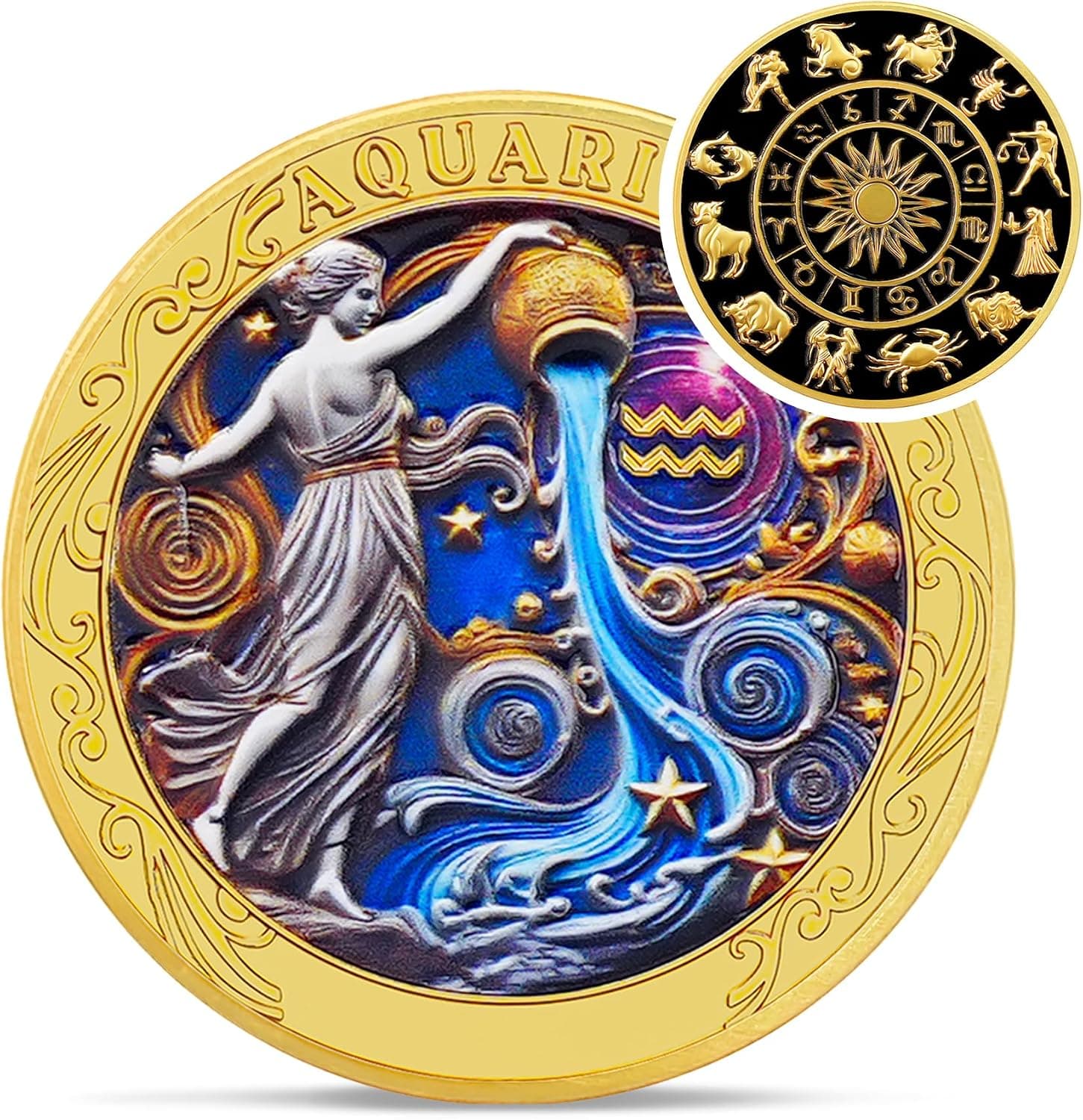 -20%
-20%Aquarius 12 Zodiac Challenge Coin - Twelve Constellations Aquarius Protective...
 -29%
-29%Karma and Luck March Birthstone Crystal Tree of Life, Aquamarine Gemstone Fen...
 -29%
-29%Karma and Luck July Birthstone Crystal Tree of Life, Ruby Gemstone Feng Shui ...
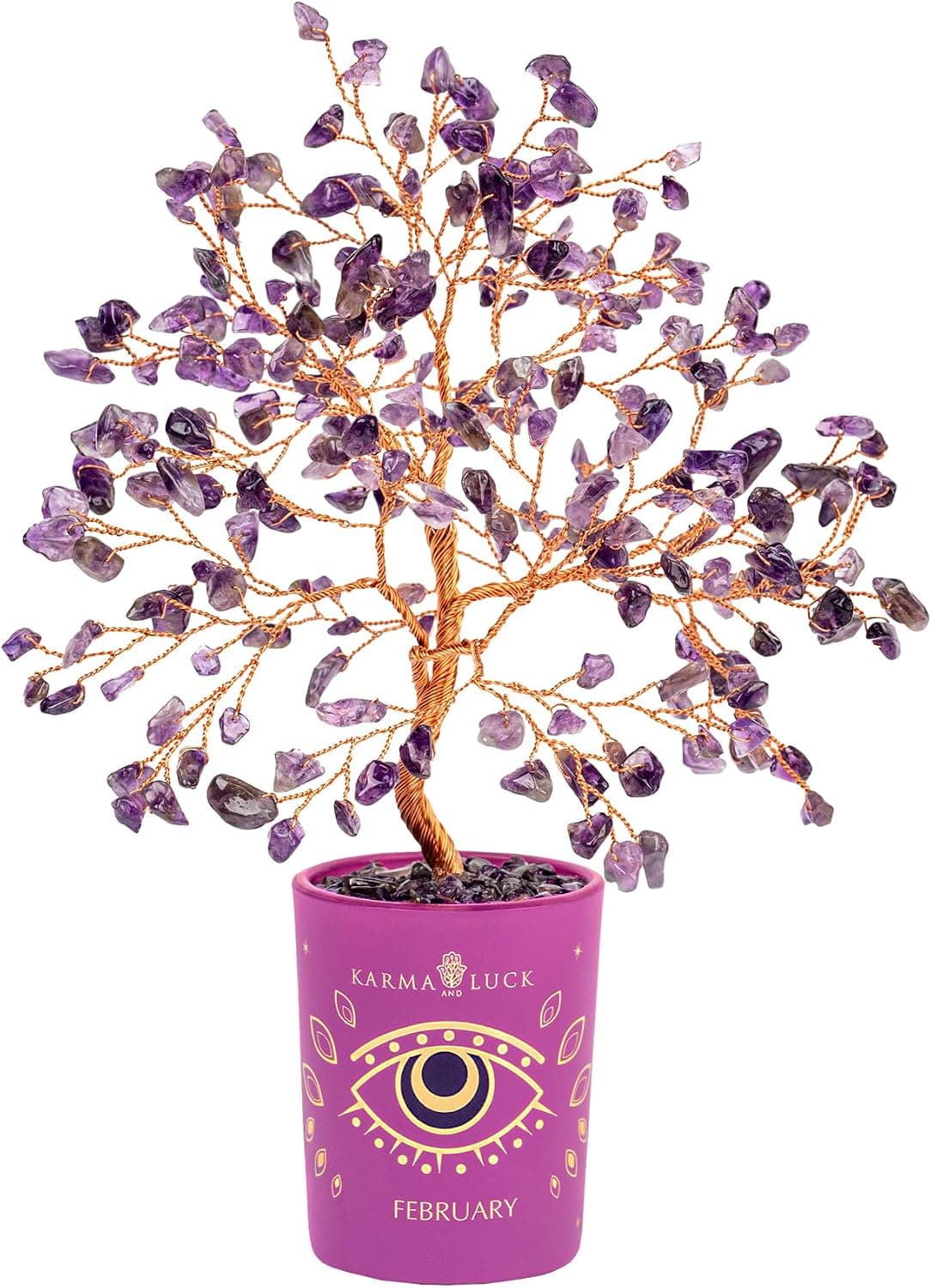 -29%
-29%Karma and Luck February Birthstone Crystal Tree of Life, Amethyst Gemstone Fe...
As an Amazon Associate, we earn from qualifying purchases. We only recommend items our practitioners have personally tested.
Continue Your Journey
Explore these related guides to deepen your understanding:

The I Ching Doesn't Answer Lazy Questions — Here's What to Ask Instead
8 min readConfucian Commentary Turns the I Ching Into a Moral Floor Plan
9 min readBroken Lines, Solid Lines, and the Real Yin-Yang Logic of the I Ching
11 min readThe Wilhelm I Ching Feels Deep Because It Slows Your Reading
11 min readReady for Deeper Guidance?
Try our free I Ching reading for personalized wisdom, or explore our curated Feng Shui essentials.