A Wu Lou can support a sick room, but the wrong placement turns it into decoration, not remedy.
The bottle on the shelf is not the cure
I once walked into a spare bedroom that had quietly become a sick room. The walls were a tired beige, the curtains were closed at noon, and a bronze Wu Lou sat on the farthest bookshelf collecting dust beside old tax folders. The homeowner had bought it for a first I Ching reading-inspired health concern, then placed it wherever it looked respectable. Three months later, nothing had shifted except her frustration.
That is the part people miss. A Wu Lou is not magic by itself, and it is not a talisman you throw into a room like confetti. It works as a focused signal, which means the room, the material, the placement, and the intention all matter. The phrase feng shui wu lou gourd health cure gets repeated so often that people start treating it like a fixed product instead of a method.
In practice, the cure is simple and demanding at the same time. Simple because the object is recognisable and the purpose is clear. Demanding because a good cure has to fit the person, the room, and the issue being addressed.
If you want a real result, stop asking whether the gourd is authentic enough and start asking what it is doing in the space.
A metal one on a windowsill in a bright east-facing bedroom may feel elegant, but elegance is not the same as function. A carved natural gourd on a nightstand beside medication, clutter, and a buzzing charger tells a very different story. Feng shui reads relationships, not souvenirs.
What the Wu Lou is actually doing
The gourd shape matters because it narrows at the neck and broadens at the body. In classical feng shui, that form suggests containment, protection, and the gathering of scattered qi. Health is rarely weak in one dramatic burst. More often, it leaks away through stress, poor rest, emotional drain, and a home that never lets the body settle.
A Wu Lou is used to support that settling. It does not replace medical care. It does not cure disease. It does create an energetic statement: this room is meant to hold vitality, not exhaust it. That distinction is not cosmetic. It changes how practitioners decide where to place it, what material to choose, and what it should sit beside.
Many Western readers assume any health cure should go in the bedroom, and that is not always wrong. But the bedroom is only one possibility, and not always the best one. In a home where someone spends long hours recovering on a sofa, the living room may be the more honest place to work. In another house, the issue may sit in the family member’s private office, where pressure, late-night screens, and worry are doing more damage than sleep itself.
For deeper context on how elemental movement changes a room, the discussion of gentle wind and gradual influence is useful. Health cures often work more like a slow current than a hammer blow. That is the right frame here. You are not trying to overpower the room. You are trying to teach it to stop scattering energy.
The shape, the material, and the placement all reinforce that lesson. Porcelain feels clean and light. Brass feels protective and more traditional. Natural dried gourd carries a different kind of earthiness and is often chosen when the goal is to stabilize a space that feels too active or too brittle.
Size matters less than consistency. A tiny charm hidden where nobody sees it will not do much. A large display piece in a loud, cluttered corner can become theatrical without becoming effective. The middle path is usually the practical one: visible enough to be acknowledged, calm enough to avoid shouting for attention.
Where it belongs, and where it does not
The best place is often where the illness, fatigue, or stress is being experienced most directly. That sounds obvious until you look at real homes. People put cures in the entry, on a kitchen counter, or in a random cabinet because those places feel symbolic. Symbolism is not placement. The cure should sit in the area that needs support, or in a sector of the home where the flow is already too exposed.
If the bedroom is the issue, keep the Wu Lou near the bed but not on the floor, and not jammed under the pillow in a way that turns rest into superstition. A nightstand works when the room is orderly and the object has space around it. If the room is crowded, clear the clutter first. The cure cannot compensate for a room that never lets the nervous system unclench.
If the problem is broader household strain, consider a calmer common area rather than the most dramatic room in the home. A dining area that feels stable and clean can support recovery when family life has been frayed by arguments and exhaustion. In one flat I visited, a nurse had placed a copper Wu Lou on a white sideboard in the dining room next to a single green plant. Nothing flashy. Yet within weeks she said meals felt less rushed, and the household pressure eased enough that the room began to feel usable again.
For readers working through structural changes at home, the framework of keeping still is a better companion than a frantic checklist. The cure is strongest when the placement has stillness around it. Too much motion nearby dilutes the signal. That includes mirrors facing the object, televisions blaring beside it, or piles of receipts and medicines stacked on top of it.
Do not place the gourd where it becomes a joke. That is a real risk. On a cluttered desk beside protein bars, headphones, and a stack of unpaid bills, it looks like another stress object. In a serious treatment space, it should feel intentional, clean, and slightly protected.
One more point that people dislike hearing: sometimes the right place is not the obvious one. If a room already feels heavy and overworked, shifting the Wu Lou a few feet can change the atmosphere more than buying a more expensive piece. Feng shui often rewards precision more than spending.
How to use it without turning it into superstition
Begin with the reason you are using it. That reason should be specific. General health support, recovery from fatigue, protection during a difficult season, or assistance for an elderly family member are all different objectives. If you blur them together, the placement becomes vague and the result becomes weak.
Choose a material that fits the situation. Brass or bronze is common when you want stronger protective weight. Porcelain can feel softer and cleaner in a bedroom. Natural gourd is traditional and earthy, and it often suits spaces that need warmth rather than force.
Then clean the area thoroughly. I do not mean a polite dusting. Remove old papers, broken items, dead flowers, tangled cords, and anything that makes the room feel like a storage problem disguised as a living space. If you want the cure to support health, the room should not be arguing with you at every glance.
Once the space is clear, place the Wu Lou with respect. That does not require incense, chants, or ceremony unless your own practice includes them. It does require attention. Set it down deliberately. Make sure it is stable. Make sure it is not tipped over, hidden, or shoved behind other objects.
Then leave it alone long enough to do its work. People sabotage results by moving the object every few days because they are hunting for drama. Energetic adjustments are rarely dramatic. They are cumulative. A room that becomes quieter over a week is often more meaningful than a room that feels charged for one hour.
If you want to pair it with another classical perspective, the lesson of inner truth applies well here. A cure works better when the outer form matches the inner intention. If you place a Wu Lou to calm a household but keep living in chaos, the object has little to work with. The external arrangement must support the internal aim.
That is why I tell clients to think in layers. Start with the room. Then the placement. Then the surrounding objects. Then the habit pattern around it. One layer at a time. That is how real improvement appears.
In the kitchen, for example, a health cure near piles of medication, takeout containers, and hot appliances can feel out of place. In a bedroom, the same object beside a clean lamp and a glass of water can feel grounded and appropriate. Context changes meaning.
And if the object starts to feel decorative rather than useful, that is a warning sign. Either the placement is wrong, the room is too noisy, or the original intention has been lost. Correct the environment before you blame the cure.
Two mistakes that keep showing up
The first mistake is treating the Wu Lou like a universal fix. It is not. A health concern may be tied to sleep, stress, environment, or family dynamics, and each of those requires a different arrangement. If you put one object in place and expect the whole home to reorganise itself, you are asking for fantasy, not feng shui.
The second mistake is buying a cure before fixing the room. I see this constantly. A client will spend money on a polished brass gourd, then place it in a bedroom with broken drawer handles, a lamp that flickers, and clothing hanging off the chair. The object is not the weak point. The room is. A health symbol cannot carry the load of a neglected environment.
For more on the kind of decisive energetic shift people try to force too early, the reading of breakthrough energy is a useful warning. Sometimes the urge to act quickly creates more friction than the original problem. In this context, slower and cleaner usually wins.
One bedroom I still remember belonged to a retiree named Martin. He had a pale blue wall, a mahogany bedframe, and a ceramic Wu Lou perched on the dresser beside a cracked watch stand. He complained that the room felt cold even in summer. We removed the clutter, moved the gourd to the bedside table, and replaced the harsh white bulb with a warmer lamp. The room did not become mystical. It became restful. That was enough.
That is the standard. Not theatre. Not obsession. Useful calm.
FAQ
Should the Wu Lou be placed in the bedroom for health support? Often, yes, if the bedroom is where rest, recovery, or illness is most affected. The key is not simply putting it near the bed, but giving it a clean, stable setting with no clutter competing for attention. A small nightstand arrangement usually works better than a buried or decorative placement.
Can I use the same gourd for the whole family? You can, but the intention needs to be broad and the location should reflect that broader purpose. A shared space like a family room or dining area can make sense when the issue affects the household atmosphere rather than one person alone. If one person is dealing with a private health concern, a more personal placement is usually stronger.
Is a metal Wu Lou always stronger than a ceramic one? Not automatically. Metal can feel more protective, but strength depends on the context, the room, and the issue you are addressing. A ceramic piece in a calm bedroom may work better than a metal one in a noisy, cluttered space.
What if the room already has medical equipment or medication? That can be a sign the space needs more careful organization, not more objects. Medical supplies should stay functional and tidy, while the Wu Lou should be positioned so it supports calm rather than adding visual clutter. A surprising fact: the cleanest setup often carries more energetic weight than the most symbolic one.
The feng shui wu lou gourd health cure is useful when it is treated as part of a larger arrangement, not a charm that does the whole job alone. Place it with care, keep the surrounding space honest, and let the room do less work against you. That is where the value lives.
David Liu
Traditionally informed guidance • Cross-referenced with classical Chinese source texts
Interpretations cross-referenced with the Zhouyi (周易) and Wilhelm/Baynes translation.
Practitioner-Selected Tools for This Topic
Items our team has tested and found effective for the principles discussed above. Individual results may vary.
 -20%
-20%Aquarius 12 Zodiac Challenge Coin - Twelve Constellations Aquarius Protective...
 -29%
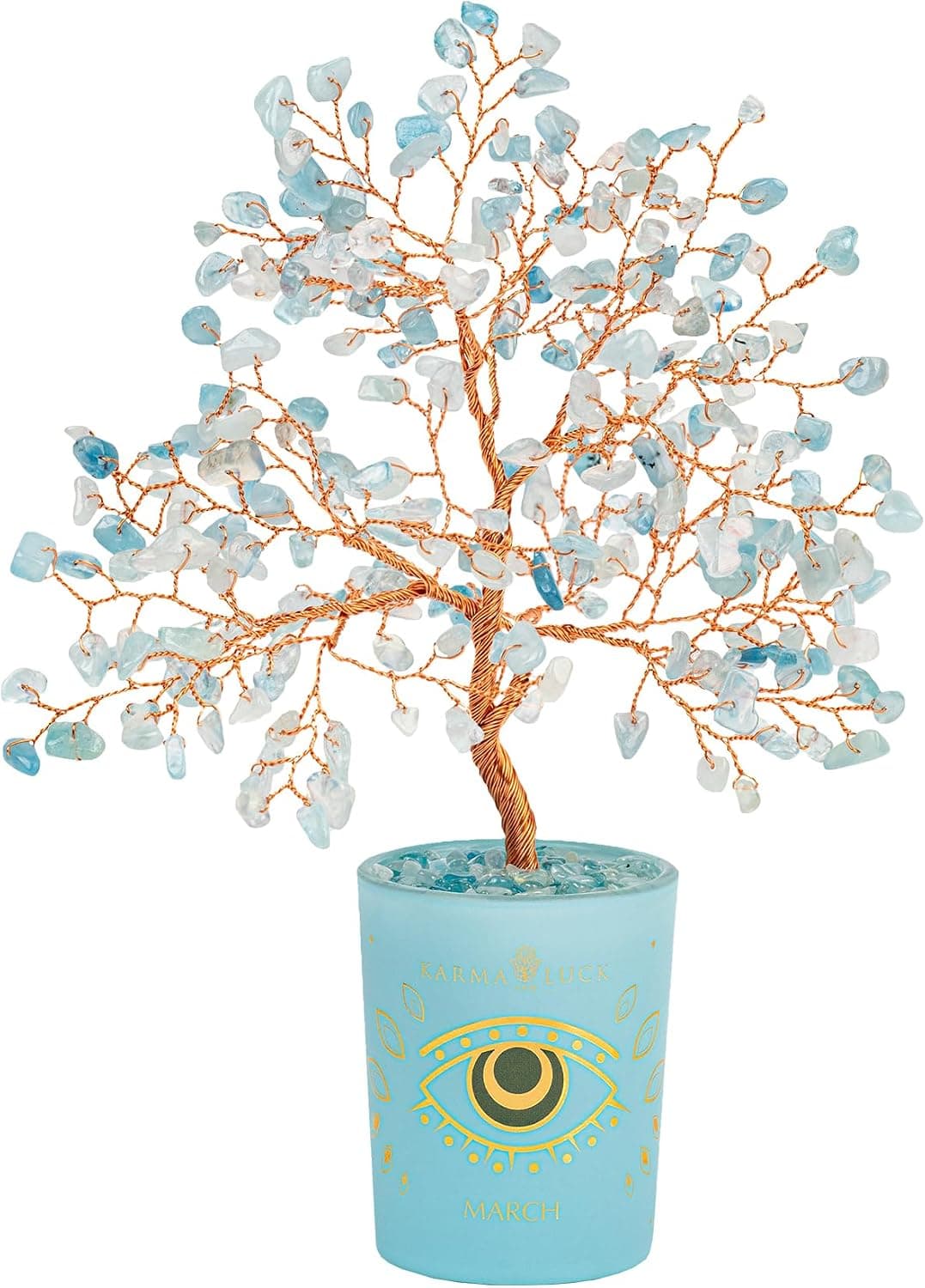
-29%Karma and Luck March Birthstone Crystal Tree of Life, Aquamarine Gemstone Fen...
 -29%
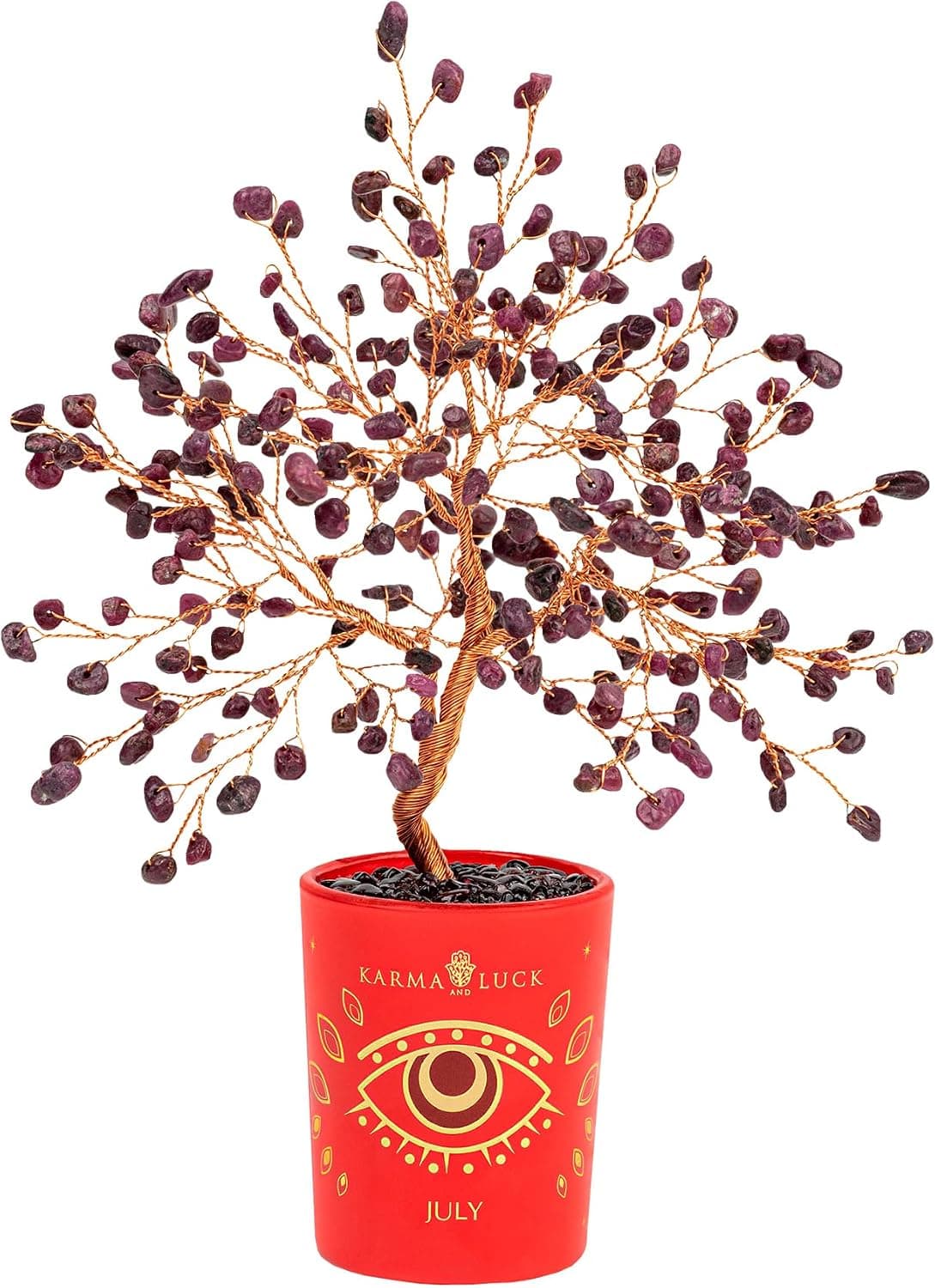
-29%Karma and Luck July Birthstone Crystal Tree of Life, Ruby Gemstone Feng Shui ...
 -29%
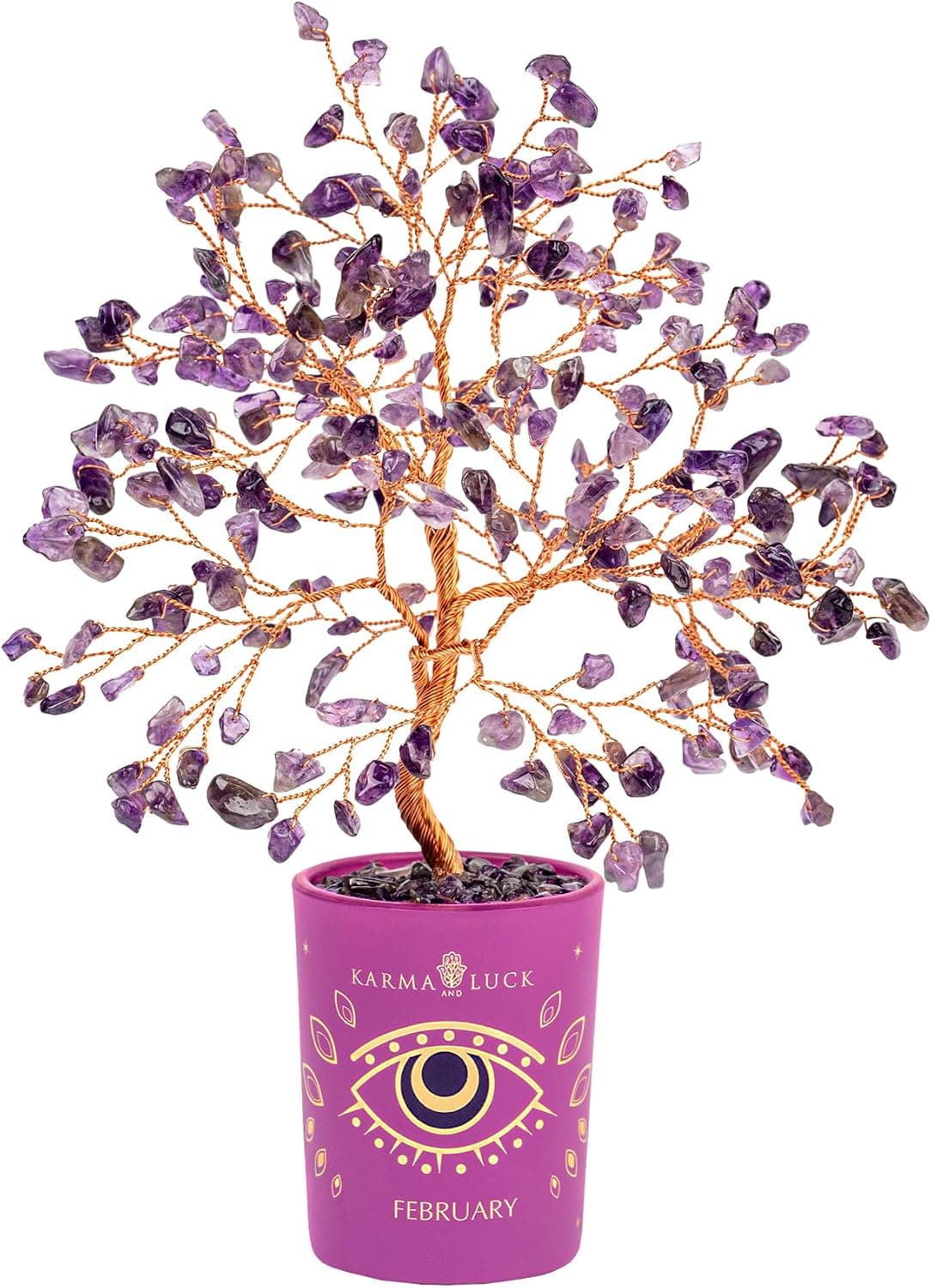
-29%Karma and Luck February Birthstone Crystal Tree of Life, Amethyst Gemstone Fe...
As an Amazon Associate, we earn from qualifying purchases. We only recommend items our practitioners have personally tested.
Continue Your Journey
Explore these related guides to deepen your understanding:

The I Ching Doesn't Answer Lazy Questions — Here's What to Ask Instead
8 min readConfucian Commentary Turns the I Ching Into a Moral Floor Plan
9 min readBroken Lines, Solid Lines, and the Real Yin-Yang Logic of the I Ching
11 min readThe Wilhelm I Ching Feels Deep Because It Slows Your Reading
11 min readReady for Deeper Guidance?
Try our free I Ching reading for personalized wisdom, or explore our curated Feng Shui essentials.