A singing bowl can settle a room fast, but only if you place and use it with intent.
The room feels loud even when nobody is speaking
You know the feeling: the bedroom looks tidy, the desk is clear, and still the air feels tight. Sleep comes late. Thoughts keep circling. Even the cat seems on edge. I’ve walked into apartments where the energy felt sharp before I heard a single sound, and there was often one clue in the room: a beautiful bowl sitting in the wrong place, used the wrong way, or left untouched like decoration.
That is where the real first reading with the I Ching matters. Before you chase ten remedies, ask what the room is already saying. A singing bowl does not “fix” a home by magic. It works because tone, intention, and placement alter the atmosphere people feel immediately. That is the practical side of feng shui singing bowl benefits: the bowl is a tuning tool, not a lucky charm.
One client, Mara, a software architect in a pale-gray condo, kept a bronze bowl on a white bookshelf in her office. She rang it every morning for “good luck,” then wondered why her focus still broke apart by noon. The problem was obvious the moment I sat down. The bowl was high, visually noisy, and sitting beside stacked papers, a charging cable, and a blinking router. We moved it to a calmer corner, cleared the shelf beneath it, and used it only before work and before sleep. Within two weeks she said the room felt less restless. Not mystical. Just noticeable.
People often expect one object to carry the whole house. It never works that way. A singing bowl helps when it supports the room’s function. In a bedroom, that may mean softening mental chatter. In a study, it may mean marking the transition from distraction to concentration. In a meditation corner, it may mean creating a clean energetic boundary. The bowl’s value comes from rhythm, not display.
What the bowl actually changes
Sound is movement. In feng shui terms, movement matters because stagnant energy feels heavy, while chaotic movement feels agitating. A bowl gives you a controlled kind of movement: a single clear tone that arrives, lingers, and fades. That fading is the point. It teaches the room how to settle. It also teaches you how to settle, which is why these bowls are often used in meditation spaces, therapy rooms, and bedrooms where people cannot turn off their thoughts.
The phrase feng shui singing bowl benefits is often used too loosely, as if the bowl automatically attracts peace, wealth, or healing. That is lazy thinking. The better way to understand it is to ask what sound does in a specific space. Does it interrupt mental clutter? Does it mark the start of a routine? Does it replace harsh noise with a softer cue? When the answer is yes, the bowl is doing useful work.
There is also a subtle visual effect. A well-made bowl carries weight, texture, and stillness. Metal bowls, especially brass or bronze, feel grounded. Crystal bowls feel sharper and more expansive. Either can be useful, but they do not belong everywhere. A sharp crystal bowl in a bedroom with bright white walls and mirrored closet doors can feel overexposed. A heavier metal bowl can help a room feel anchored. This is one of those places where common advice gets too romantic and ignores the actual room.
For readers comparing remedies, think of a singing bowl the way you would think of the best incense scents for energy work. The tool matters, but the setting matters more. Smoke, tone, light, and scent all change the atmosphere differently. If you treat them all as interchangeable, you will miss the one that fits the room’s job.
Use it for the room, not for the shelf
Start by deciding what the space is supposed to do. A bedroom should downshift the mind. A home office should support clarity without making the space feel sterile. A living room should stay open and social without becoming noisy. Once you know the job of the room, the bowl has a role. In the bedroom, use it gently, and not too often. In an office, a short strike before work can act like a clean starting bell. In a meditation area, the tone can become part of your practice.
Placement is simpler than people make it. Put the bowl somewhere clean, stable, and visually calm. Do not wedge it beside cords, receipts, or half-burned candles. Do not hide it behind a plant like you are apologizing for owning it. If you want a bowl to influence a room, let it have space around it. That space is not wasted. It is part of the treatment.
Sound direction matters too. Strike the bowl once or twice and listen to where the tone seems to go. If it feels harsh near your bed, soften the contact and shorten the session. If the tone disappears instantly in a cluttered office, the room may need clearing before the bowl can do much. This is why I always say that sound cures work best after visible clutter is addressed. A bowl cannot negotiate with chaos forever.
For bedrooms, a softer routine often works best. If you are also adjusting scent, pairing a bowl with bedroom-friendly essential oils can create a strong closing signal for the day. Lavender, cedar, or a very light citrus note can support the tone without overloading the senses. Keep the ritual short. Twenty seconds is enough for many rooms.
How to use a singing bowl without overdoing it
Clean the bowl first. Dust changes how both the object and the room feel. Then place it where you can reach it easily without moving other items out of the way. If the bowl has a cushion, choose one that keeps it steady and does not visually clash with the room. Deep red cushions can work in active spaces. Neutral cushions are often better in bedrooms and small studies because they do not shout for attention.
Ring the bowl with a clear intention, but keep the intention practical. You are not ordering the universe around. You are giving your nervous system, and the room, a consistent cue. Use it before meditation, before reading, before starting work, or before sleep. Consistency matters more than dramatic ritual. A bowl used every night for one week will do more than a bowl used once a month with great theatrical confidence.
Frequency matters as well. More is not better. I have seen people strike the bowl repeatedly because they love the sound, then wonder why the space feels unsettled. One or two tones is usually enough. Let the sound finish. Let the air clear. Silence after the note is part of the method. If you fill every pause, you defeat the purpose.
A common mistake is treating the bowl like a background accessory. Another is using it in a room that already has too many active cures. If your room already includes bright LEDs, mirrors facing the bed, and loud patterned textiles, the bowl will have to work against a lot of visual noise. For that kind of setup, I would clear the room first and only then decide whether the bowl belongs there. If you need to compare remedies, salt lamp placement benefits can also be useful in spaces that need a gentler kind of visual warmth.
Where the bowl helps most, and where it disappoints
The bowl helps most in spaces that need a transition. That can be a home office before work, a meditation nook, a reading chair, a therapy room, or a bedroom at the end of the day. It also helps when a room feels emotionally “sticky” after conflict, long hours, or too much screen time. A clean tone gives the mind a new reference point.
It disappoints when people expect it to do the job of decluttering, repairing bad layout, or replacing sleep hygiene. If your bed is shoved under a slanted ceiling, your laptop stays open next to your pillow, and your room is lit like a parking lot, the bowl will not save you. That may sound blunt. It is meant to be. Good feng shui is rarely about adding more things. It is about removing the friction that keeps energy from moving well.
There is also a social side to this. In a shared home, a bowl can become a boundary signal. A nurse I worked with kept hers on a small oak table in her spare room, and she used it before her night shifts. The bowl was paired with a white cloth, a single lamp, and no phone charger in sight. She told me that after ten days, sitting in that room before work became almost automatic. That is not mystical language. That is habit, shaped by environment.
If you want a stronger home atmosphere overall, it can help to think beyond one tool. A bowl in a room with good airflow, reduced clutter, and one or two well-chosen remedies will do more than a bowl floating in a stressed-out space. Sound works best when the room is already willing to cooperate.
Small mistakes that undo the effect
The first mistake is mixing the bowl with visual clutter. I have seen a gleaming bowl placed beside mail piles, half-used lotion bottles, and tangled headphones. The effect is almost comic. You cannot ask a precise sound to rescue a messy surface and then act surprised when the room still feels scattered.
The second mistake is playing it too often and too loudly. People sometimes confuse intensity with effectiveness. A bowl does not need to dominate the room to change it. In fact, a softer strike often does more because it leaves space for the energy to settle. If you want to avoid common placement errors, it is worth reading about where salt lamps actually help most and noticing the same principle: support the room instead of overpowering it.
One more thing: do not buy a bowl just because someone online called it “powerful.” Power without placement is just decor. The bowl should match your intention, your room, and your routine.
Frequently asked questions
How often should I use a singing bowl at home?
Use it as often as the room needs a reset, not on a fixed schedule for performance’s sake. For many people, once in the morning or once at night is enough. If you use it daily, keep the ritual brief so it stays meaningful instead of noisy.
Does the material of the bowl matter?
Surprisingly, yes. Metal bowls often feel grounding and steady, while crystal bowls can feel brighter and more expansive. Choose the one that matches the room’s purpose, because the wrong material can make the space feel either too heavy or too sharp.
Can I put a singing bowl in the bedroom?
Absolutely, and that is one of its best uses. Keep the tone gentle and the setup uncluttered, especially if the room already has strong visual elements. A bedroom should help the mind downshift, not wake it up.
Do I need to be skilled to get results?
No special performance is required. A clean bowl, a stable place, and a consistent intention will do more than fancy technique. I have seen beginners get better results than collectors because they actually used the bowl with purpose.
Used well, a singing bowl does not just sound pleasant. It changes the pace of a room, and sometimes that is enough to change the way you sleep, think, and begin your day. That is the real value people are usually reaching for when they ask about feng shui singing bowl benefits.
David Liu
Traditionally informed guidance • Cross-referenced with classical Chinese source texts
Interpretations cross-referenced with the Zhouyi (周易) and Wilhelm/Baynes translation.
Practitioner-Selected Tools for This Topic
Items our team has tested and found effective for the principles discussed above. Individual results may vary.
 -20%
-20%Aquarius 12 Zodiac Challenge Coin - Twelve Constellations Aquarius Protective...
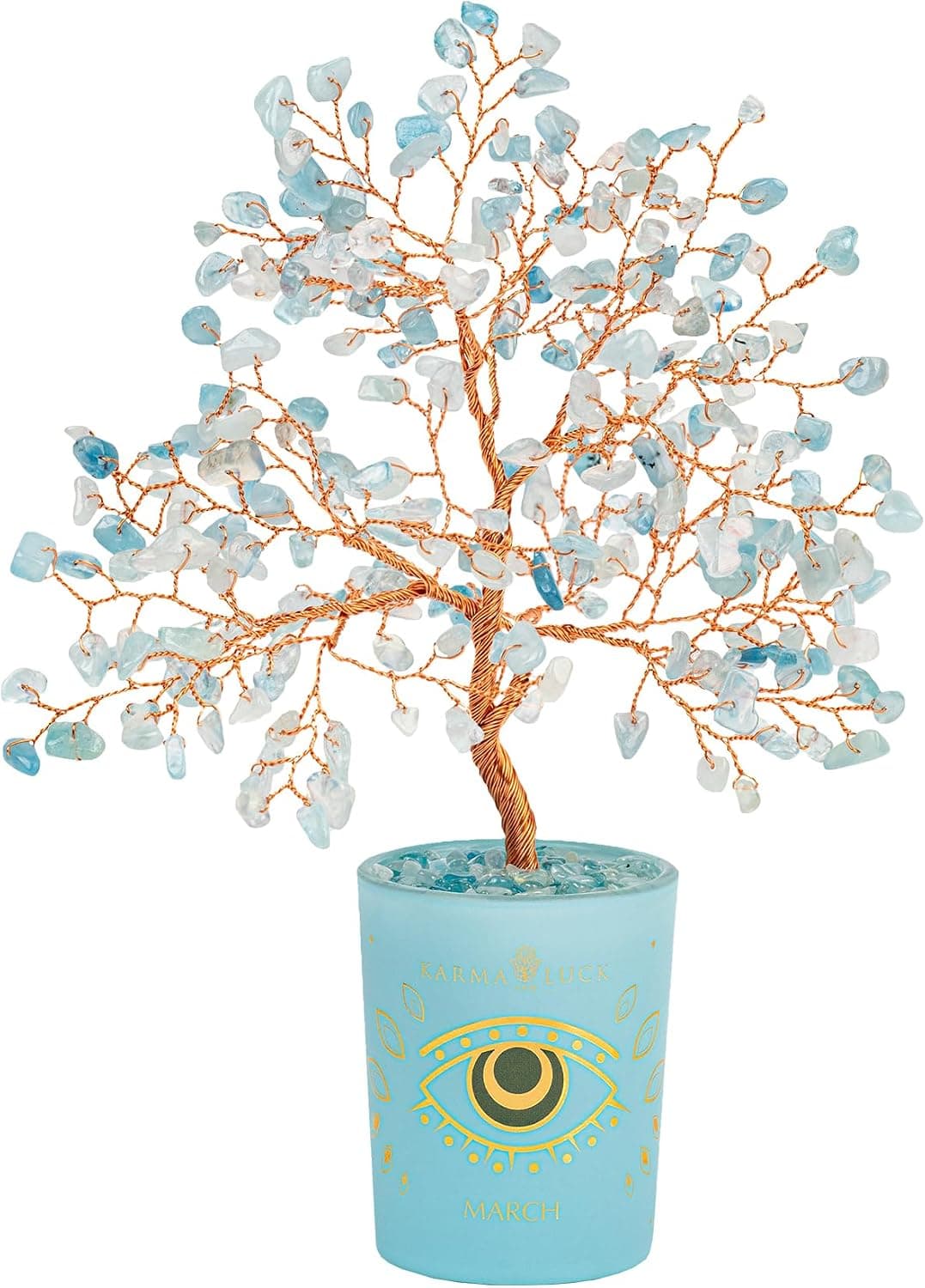 -29%
-29%Karma and Luck March Birthstone Crystal Tree of Life, Aquamarine Gemstone Fen...
 -29%
-29%Karma and Luck July Birthstone Crystal Tree of Life, Ruby Gemstone Feng Shui ...
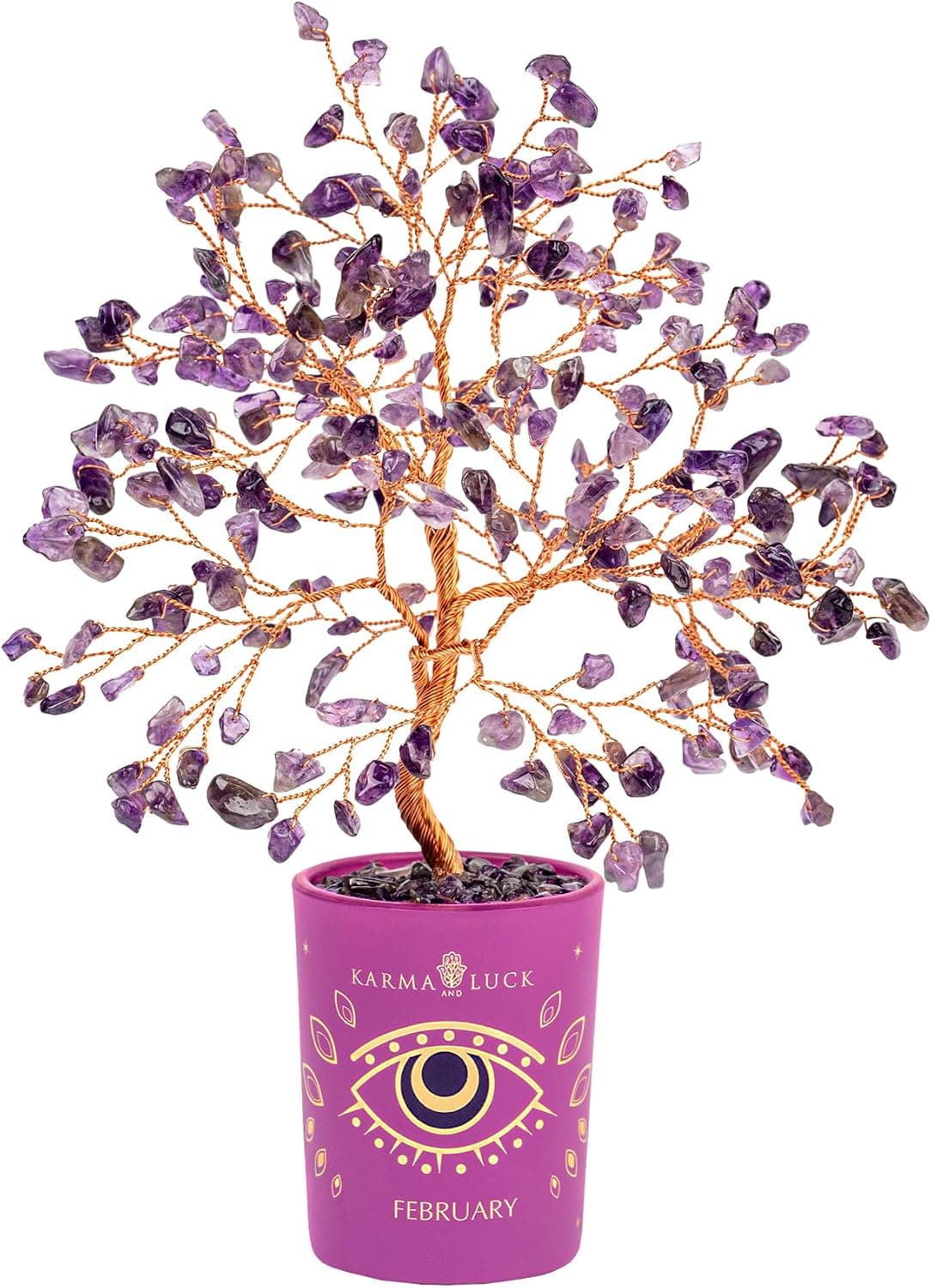 -29%
-29%Karma and Luck February Birthstone Crystal Tree of Life, Amethyst Gemstone Fe...
As an Amazon Associate, we earn from qualifying purchases. We only recommend items our practitioners have personally tested.
Continue Your Journey
Explore these related guides to deepen your understanding:

The I Ching Doesn't Answer Lazy Questions — Here's What to Ask Instead
8 min readConfucian Commentary Turns the I Ching Into a Moral Floor Plan
9 min readBroken Lines, Solid Lines, and the Real Yin-Yang Logic of the I Ching
11 min readThe Wilhelm I Ching Feels Deep Because It Slows Your Reading
11 min readReady for Deeper Guidance?
Try our free I Ching reading for personalized wisdom, or explore our curated Feng Shui essentials.