A salt water cure can help—but one small mistake turns it into a stagnant mess.
When the jar gets cloudy too fast, people blame the room
They usually blame the wrong thing. I’ve walked into kitchens where the salt water cure sat on a red coaster under a bright lamp, the jar sweating like it was under interrogation, and the homeowner kept saying the house felt “off” even though the cure was still there.
The problem was not the idea. The problem was the placement, the timing, and the belief that any salty jar can absorb every kind of disturbance. It cannot.
If you came here looking for feng shui salt water cure how to make, start with this: the method matters less than the condition of the space around it. Salt water is not decoration. It is a working object, and working objects need respect.
That surprises people. They want a cure that is passive, pretty, and forgotten. Feng shui rarely rewards that attitude.
What the salt water cure is actually doing
The classic salt water cure is used to help reduce heavy, sticky, or draining energy in a home. In practical terms, many people place it where they feel pressure, delays, financial strain, or a sense that things keep “catching.” It is especially common when a space feels energetically congested and other remedies have not shifted the mood.
The simple version uses a glass container, salt, water, and a set of six metal coins. The container is filled in a specific way, then placed in a location that matches the issue you are trying to calm. Done properly, it is supposed to corral and neutralize the mess rather than spray it back into the room.
That last part matters. The cure is not a spiritual trash can. It is a boundary. If you treat it like a random bowl of saltwater, you will get random results.
For readers who want the energetic framework, I often point them to the idea of inner truth in the I Ching. The salt water cure works best when the outer action matches a clear inner intention. Vague intention creates vague results. And vague results are where most “it didn’t work” stories come from.
How to make it without making a mess of it
Use a clear glass or ceramic container with a wide enough opening to hold water comfortably. Add coarse salt, not fine table salt if you can avoid it, then place six metal coins in the jar. Some practitioners use Chinese coins tied together; others use six regular metal coins. The important part is the metal, the count, and the integrity of the setup. Fill the container with water so the salt is submerged and the coins are supported in the mixture.
Set it on a stable surface where it will not be bumped, tipped, or hidden behind clutter. I prefer a place that feels quietly out of the way but not neglected: a shelf in a utility room, an office corner, or a cabinet top in a sector that needs correction. In one apartment in Portland, a teacher put hers on a black-painted bookshelf in the guest room, right beside a stack of unopened bills and a dead battery charger. She expected a miracle. What she got was mold on the nearby paper and a jar that looked exhausted. After we moved it to a cleaner corner with a plain white saucer underneath, the room felt less heavy within a week.
Do not place it where strong heat, direct sunlight, or constant movement will disturb it. Do not put it on precious wood without a protective base. And do not make the common mistake of treating the cure like an art object. It is meant to work, not impress guests.
If you are comparing methods, this is where gentle wind’s approach to correction is useful: subtle, consistent adjustment beats dramatic overreaction. The salt water cure follows that logic. Quiet placement. Clean setup. No theatrics.
Choosing the right spot
People love to ask for a universal location. There isn’t one. The right location depends on what you are trying to calm, what area of the home feels compromised, and whether the place can physically support the jar safely over time. A cure in a cluttered, humid laundry room behaves differently from one in a still hallway or a spare bedroom.
That said, there are places I approach with caution. Bedrooms can become too active if the cure is placed carelessly. Kitchens can already carry plenty of fire and movement. Bathrooms may be too draining or too unstable for a setup that needs steadiness. If the home already feels edgy, a poorly chosen spot can make the atmosphere sharper, not softer.
The best placements usually feel a little boring. That is good. Feng shui is not supposed to entertain your ego. It is supposed to support the house.
What to watch after you set it up
Once the jar is in place, observe it. A salt water cure often changes visually as it works. The salt may crust, the water may cloud, and the coins may show residue. That is one reason people use it: it gives visible feedback. Still, don’t obsess over the jar every hour like it owes you money.
Check it occasionally and keep the surrounding area tidy. If the jar starts smelling, leaking, cracking, or spilling, replace it. If it has become a maintenance problem, the cure has stopped being a cure.
Sometimes the shift is subtle. A client once told me her home office in Austin felt less hostile after eight days, but the bigger clue was practical: her email stopped producing late-night panic. The mountain of unopened messages did not vanish, yet her body quit reacting to them like a threat. That is often how these adjustments show themselves first.
For deeper context on energetic pattern changes, hexagram 52 and the discipline of stillness offers a useful lens. A salt water cure asks you to stop poking the issue every five minutes. Stillness matters. So does patience.
Two mistakes that undo the whole thing
The first mistake is putting the cure anywhere without thinking through the room’s energy. A jar in the wrong sector, or a jar placed to “balance” a space you actually need to energize, can create confusion. The second mistake is leaving it in a dirty, crowded, ignored corner and expecting precision from neglect.
There are plenty of small errors, too: using a flimsy container, forgetting the protective base, or assuming all salt is interchangeable. Those are the kinds of details that separate a clean adjustment from a sloppy superstition. If you want the method to work, stop treating details like optional decoration.
For other placement errors, see the well pattern and what happens when a source is blocked. The lesson carries over: a useful source becomes a problem when access, care, and structure are ignored.
How long to keep it there
There is no single clock that fits every house. Some cures are left in place until the salt has visibly saturated or the jar clearly needs replacing. Others are changed on a schedule, especially in homes where the issue is ongoing. What matters is consistency rather than superstition.
If you notice no shift after a fair period, don’t keep stacking jars like you are building a shrine to frustration. Review the placement first. Review the intent second. Then ask whether the issue belongs to the salt cure at all, or whether another remedy is more appropriate.
That moment of honesty saves people money and time. It also keeps them from turning feng shui into a collection of half-understood habits.
Should you expect miracles?
No. You should expect cleaner conditions, clearer boundaries, and a better chance for the room to stop amplifying what already feels heavy.
That is not a small thing. But it is not fantasy either.
The most useful feng shui cures are rarely flashy. They are specific. They respond to a pattern. They do one job well.
If you’re still researching the method, use the phrase feng shui salt water cure how to make as your starting point, then move quickly into judgment: where does it belong, what problem is it meant to address, and what would count as a real improvement in the home?
FAQ
Can I use any glass jar for the cure?
A plain glass jar is usually the safest starting point. Avoid cracked containers, unstable shapes, or anything too decorative to sit level for weeks. The jar should behave like a tool, not a centerpiece.
Do the coins have to be Chinese coins?
Metal matters more than ornament. Traditional Chinese coins are common because they fit the symbolism well, but the real function comes from the combination of metal, salt, water, and correct placement. If you use regular coins, keep the setup clean and intentional.
Can I put the cure in my bedroom?
Surprisingly, that is not my first choice. Bedrooms are sensitive spaces, and a salt water cure can feel too active if it sits near the bed or in a spot that already carries stress. If the bedroom is the problem area, placement needs extra care.
What if the water turns cloudy quickly?
That can happen, and it does not automatically mean something is wrong. The more important question is whether the room feels steadier and less draining after the cure is in place. If the jar degrades fast and the space still feels bad, reassess the location and the underlying issue.
David Liu
Traditionally informed guidance • Cross-referenced with classical Chinese source texts
Interpretations cross-referenced with the Zhouyi (周易) and Wilhelm/Baynes translation.
Practitioner-Selected Tools for This Topic
Items our team has tested and found effective for the principles discussed above. Individual results may vary.
 -20%
-20%Aquarius 12 Zodiac Challenge Coin - Twelve Constellations Aquarius Protective...
 -29%
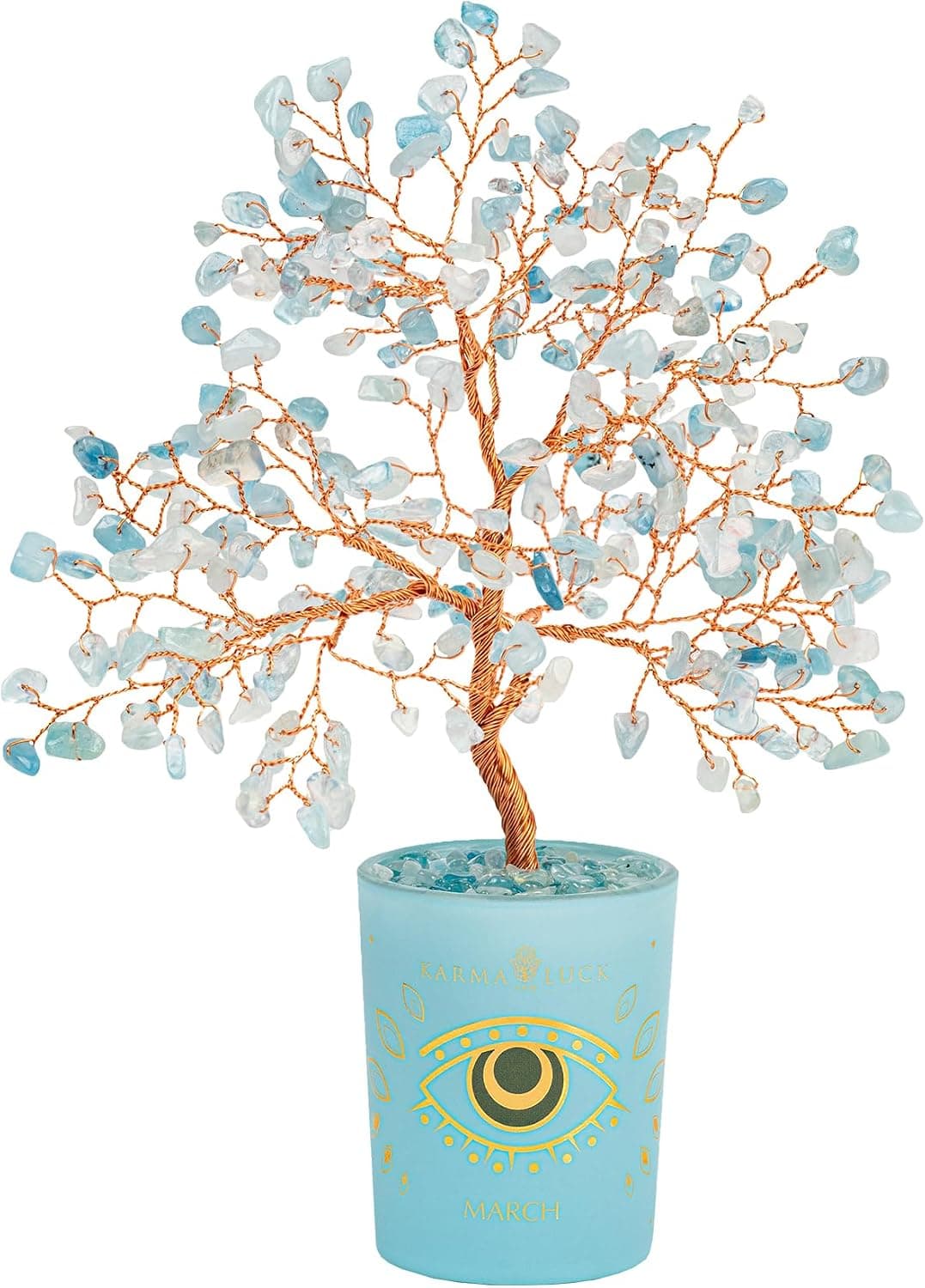
-29%Karma and Luck March Birthstone Crystal Tree of Life, Aquamarine Gemstone Fen...
 -29%
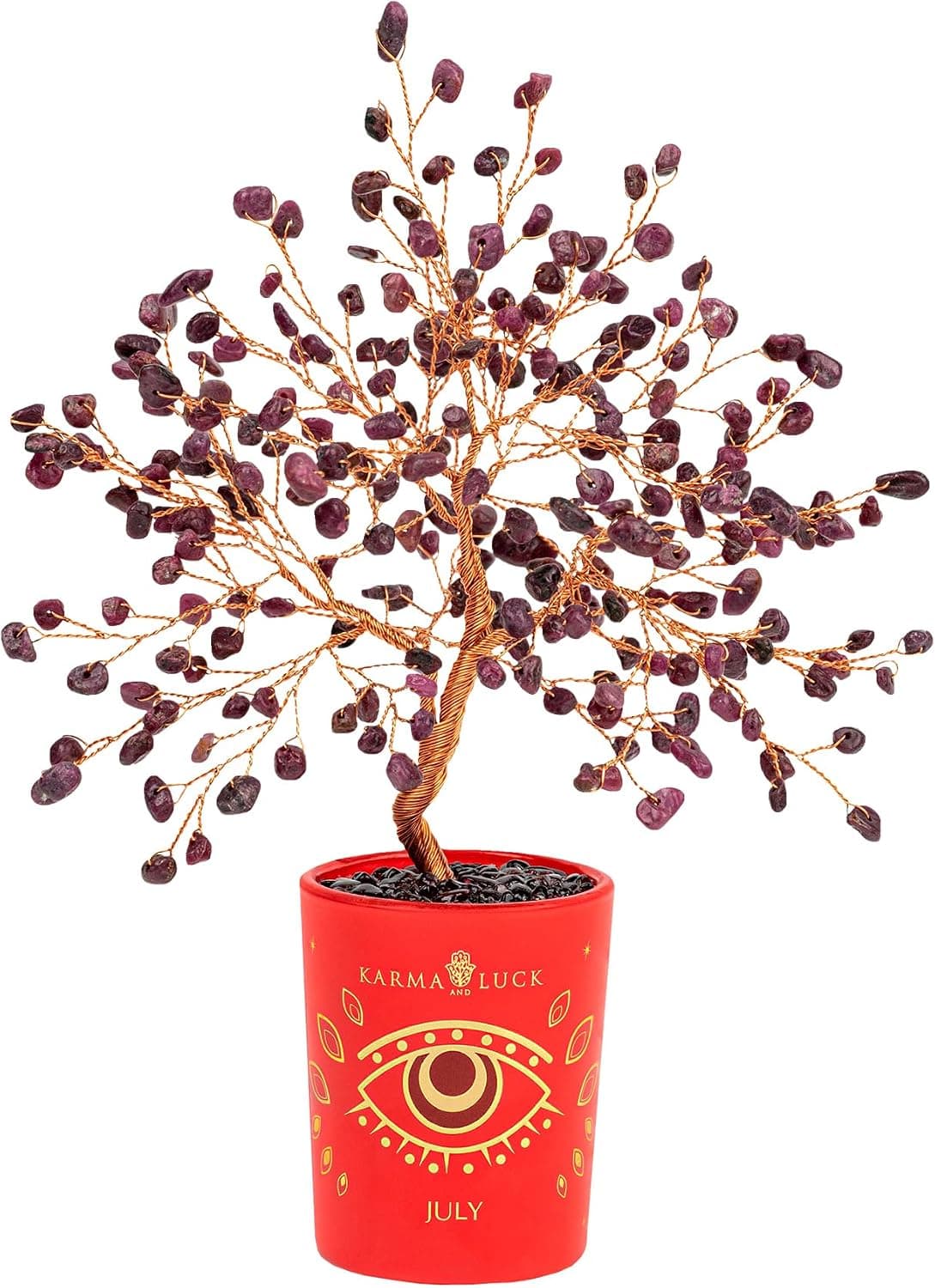
-29%Karma and Luck July Birthstone Crystal Tree of Life, Ruby Gemstone Feng Shui ...
 -29%
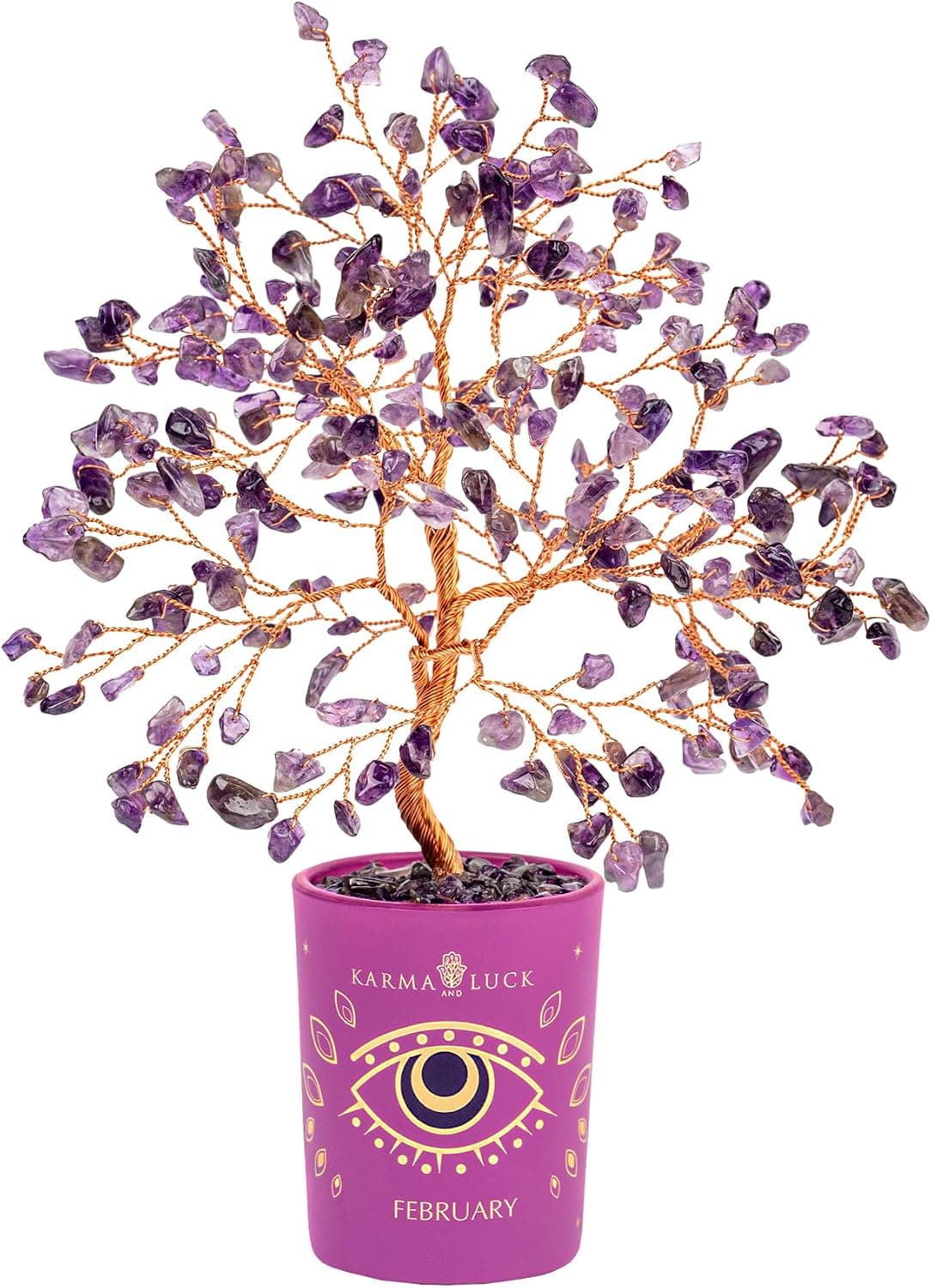
-29%Karma and Luck February Birthstone Crystal Tree of Life, Amethyst Gemstone Fe...
As an Amazon Associate, we earn from qualifying purchases. We only recommend items our practitioners have personally tested.
Continue Your Journey
Explore these related guides to deepen your understanding:

The I Ching Doesn't Answer Lazy Questions — Here's What to Ask Instead
8 min readConfucian Commentary Turns the I Ching Into a Moral Floor Plan
9 min readBroken Lines, Solid Lines, and the Real Yin-Yang Logic of the I Ching
11 min readThe Wilhelm I Ching Feels Deep Because It Slows Your Reading
11 min readReady for Deeper Guidance?
Try our free I Ching reading for personalized wisdom, or explore our curated Feng Shui essentials.