Put prayer flags in the wrong place and they scatter attention instead of lifting it.
The flags looked beautiful. The room felt worse.
I walked into a small upstairs study last autumn and saw a string of prayer flags draped across a bookshelf, sagging over a stack of invoices and a blinking router. The homeowner, a teacher named Mara, had bought them for calm, but her sleep had gone thin and her mind felt jumpy by 3 p.m. That happens more often than people admit. Sacred objects are not neutral when they are hung carelessly.
That is where a first I Ching reading and a little spatial honesty come into the picture. The issue is not whether prayer flags are “good” or “bad.” The issue is whether they are asked to do a job the room cannot support. When people ask about feng shui prayer flags meaning placement, they usually want a rule. They need a relationship: to the wall, the wind, the view, and the reason they are there in the first place.
Prayer flags are meant to move energy, but not by brute force. They work by intention, visibility, and lift. If you hang them where they collect dust, tangle in doorways, or compete with clutter, the message gets muddy fast. If you place them where air can touch them and the eye can rest on them, they become a quiet reminder of direction.
One more thing: they are not a cure for a chaotic house. They amplify what is already happening. That can be a blessing. It can also be a wake-up call.
What the flags are actually doing
In Tibetan-influenced feng shui practice, prayer flags are not “decor” in the Western sense. They are carriers of aspiration. Color matters, but so does motion. The fabric catches wind and disperses blessings, prayers, or supportive intent outward. In plain language, they are a visible agreement between the home and the sky.
The meaning changes with placement. High placement suggests uplift, prayer, and transmission. A low, cramped placement suggests blockage or sentimentality. If you hang them inside, they should not be treated like a casual banner across a doorway. Inside, their purpose shifts toward reminding the household of values, gratitude, or protection. Outside, they are more about openness and sending intention into the landscape.
People often assume the most powerful placement is the most dramatic one. Not so. A fluttering line above a clean porch can carry more coherence than a giant display on a cluttered balcony. Energy follows conditions. Always.
The colors also matter because they map to different qualities: blue for space, white for clarity, red for vitality, green for growth, yellow for grounding. I do not recommend obsessing over perfect color theory while ignoring the actual room. But if a line of flags is all red in a bedroom that already feels overheated, you may be feeding restlessness instead of peace.
For readers who like a practical anchor, think of prayer flags as a cousin to incense rather than to furniture. Their effect is subtler than a heavy object, but more directional than scent alone. If you want to compare different energy tools, you may also want to read which incense scents support a calmer house. The principle is the same: choose the tool, then respect its job.
Where to place them so they actually help
The best placement is usually somewhere elevated, visible, and not cramped. Outdoors, a balcony, eave, fence line, or garden edge can work well if the flags can catch moving air without being torn to pieces. Indoors, a clean wall near a meditation corner, altar, or quiet reading space is more appropriate than a hallway full of traffic.
Think in terms of movement and respect. If the flags are outside, they should face a meaningful direction if possible: toward open sky, toward a view, or toward the area of life you are trying to strengthen. If they are inside, leave breathing room around them. Do not sandwich them between a shelf stuffed with receipts and a neon lamp. That kind of placement makes the symbolism collapse under its own weight.
One apartment in Portland taught me this clearly. A retiree named Denise had pinned a faded line of prayer flags above her kitchen sink, directly over a stack of sponges and a bottle of bleach. The kitchen felt oddly tense, and she complained that meals had become rushed and argumentative. We moved the flags to the narrow balcony outside her sliding door, cleaned the sill, and let the colors breathe against open air. Within a week, she said the kitchen felt less “crossed” and dinner had become slower again. That is not magic. That is placement supporting behavior.
For homes with a strong water feature, the flags should not compete with a fountain or be forced into the same visual field as active water. Water already moves qi. If you want that conversation to feel balanced, read how to place a home fountain without overloading the room. A room can hold multiple remedies, but only if each has a clear role.
If you are placing flags near a front entry, keep them tidy and elevated. The entrance is the mouth of chi. Anything frayed, blocked, or half-fallen can make the home feel weary before anyone steps inside. A clean, deliberate line of flags near the front can feel welcoming; a tangled one can feel like unfinished business.
How I tell clients to use them
Start with purpose, not with the object. Ask what the flags are doing for you: blessing a new home, honoring a teacher, supporting recovery, protecting a threshold, or reminding the household to stay kind. That intention determines the placement. Without it, people often hang them where they have empty wall space, and then wonder why the energy feels vague.
Next, choose the right setting. Outdoor air is ideal if the flags can move. If weather is harsh, use a sheltered area rather than forcing them to battle rain and sun until they shred. Indoors, choose a place where they can be seen daily without becoming visual noise. A meditation nook, spare room, or quiet corner is usually better than a kitchen packed with appliances.
Then give them space. The line should not be jammed against ceilings, wires, or cabinets. A little slack is fine. Too much sag looks tired. Too little tension looks brittle. I have seen people overcorrect and pull them so tight they resemble laundry on a utility line. That misses the point entirely.
And please, keep the surrounding area clean. This is where people get romantic and lazy at the same time. They buy spiritually meaningful items, then place them above a dusty speaker, beside dead plants, or near a broken blind. Sacred placement is not separate from housekeeping. It depends on it.
If you already wear protective jewelry, you are probably familiar with that principle. Objects only help when they match the context. A bracelet, ring, or charm can support an intention, but not replace the environment. If that idea resonates, you may like the meaning of a red string bracelet in daily wear. The same logic applies here: the symbol should reinforce the life you are actually living.
Common mistakes that ruin the effect
The first mistake is treating prayer flags like trendy wall art. That strips the practice of its current. If the flags are hung purely for aesthetic style, they can still be beautiful, but the energy will feel decorative rather than purposeful. There is nothing wrong with beauty. There is something off about pretending beauty alone is enough.
The second mistake is placing them in a cluttered or low-attention zone and hoping they will “fix” the mess. They will not. In some homes I have seen them pinned above a desk buried in wires, sticky notes, and takeaway cups. The flags then become one more visual demand in a room already shouting.
If you want a second layer of support, keep the surrounding energy simple. Clear the shelf. Repair the hook. Remove the dead plant. Open the curtain. Those ordinary acts do more for the placement than most people expect.
What feng shui prayer flags meaning placement really comes down to
At its core, feng shui prayer flags meaning placement is about alignment between intention and environment. The flags are not there to overpower the house. They are there to remind the house what it is supposed to become. That is a smaller claim than many marketing blurbs make, but it is more useful.
So place them where air can touch them, where the eye can meet them, and where the household can feel the purpose without strain. Outside if possible. High and open if indoors. Clean around them. Let them stand for something specific instead of everything at once.
When that is done well, the flags do not shout. They steady the room.
FAQs
Can prayer flags be hung indoors?
Absolutely, but they should not be stuffed into a busy passageway. A quiet wall, altar area, or meditation corner is far better because the flags can be seen without being repeatedly interrupted by traffic. Indoor placement turns the focus inward, toward reminder and devotion rather than weather and landscape.
Do the colors have to be in a strict order?
Not every household needs to obsess over exact sequence. That said, order can matter if you are using the flags for a specific tradition or ritual purpose. If you are simply creating a respectful, supportive display, choose a consistent arrangement and keep it intentional rather than random.
Can I hang them in a bedroom?
You can, but I would be careful. Bedrooms already need softness and rest, so avoid placing overly energetic colors or oversized lines directly above the bed. If you want bedroom support, a more subdued corner placement works better than a dramatic overhead display.
What if the flags get worn out?
That is usually a sign to replace them, not to ignore them. Frayed flags can suggest neglect or depletion, especially if they are in a prominent place. A fresh set, respectfully removed, often restores the sense of care that the room needs.
David Liu
Traditionally informed guidance • Cross-referenced with classical Chinese source texts
Interpretations cross-referenced with the Zhouyi (周易) and Wilhelm/Baynes translation.
Practitioner-Selected Tools for This Topic
Items our team has tested and found effective for the principles discussed above. Individual results may vary.
 -20%
-20%Aquarius 12 Zodiac Challenge Coin - Twelve Constellations Aquarius Protective...
 -29%
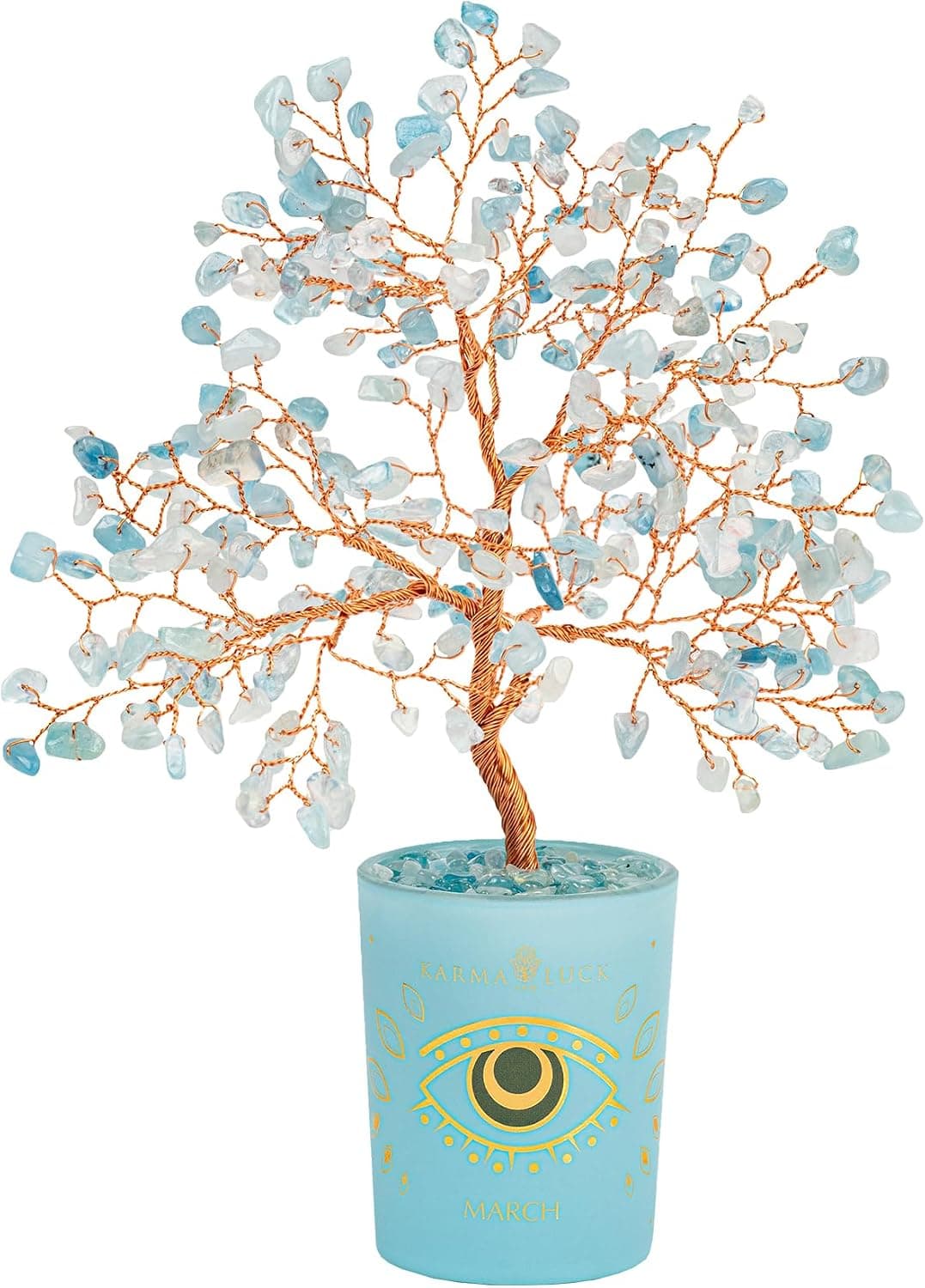
-29%Karma and Luck March Birthstone Crystal Tree of Life, Aquamarine Gemstone Fen...
 -29%
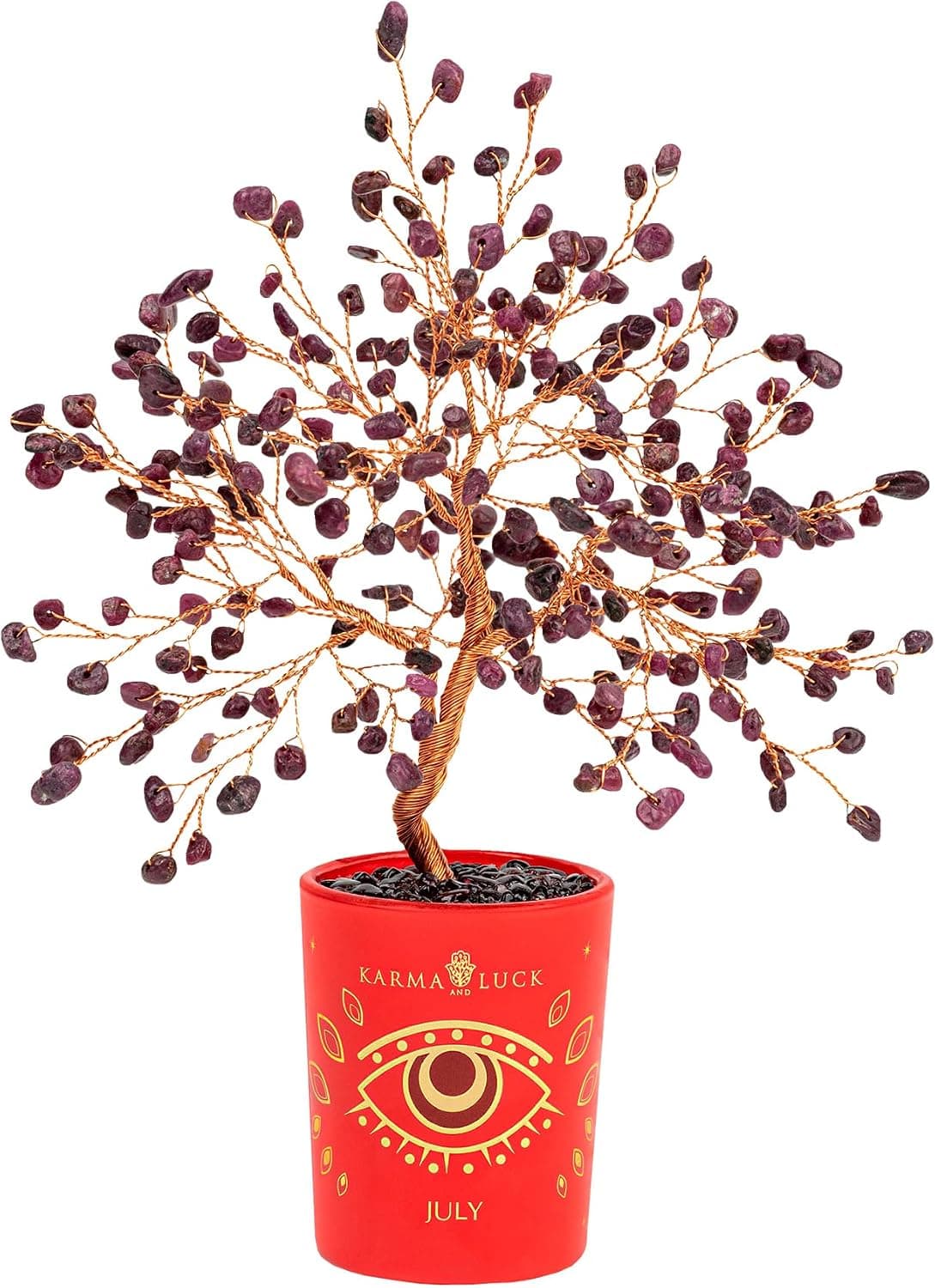
-29%Karma and Luck July Birthstone Crystal Tree of Life, Ruby Gemstone Feng Shui ...
 -29%
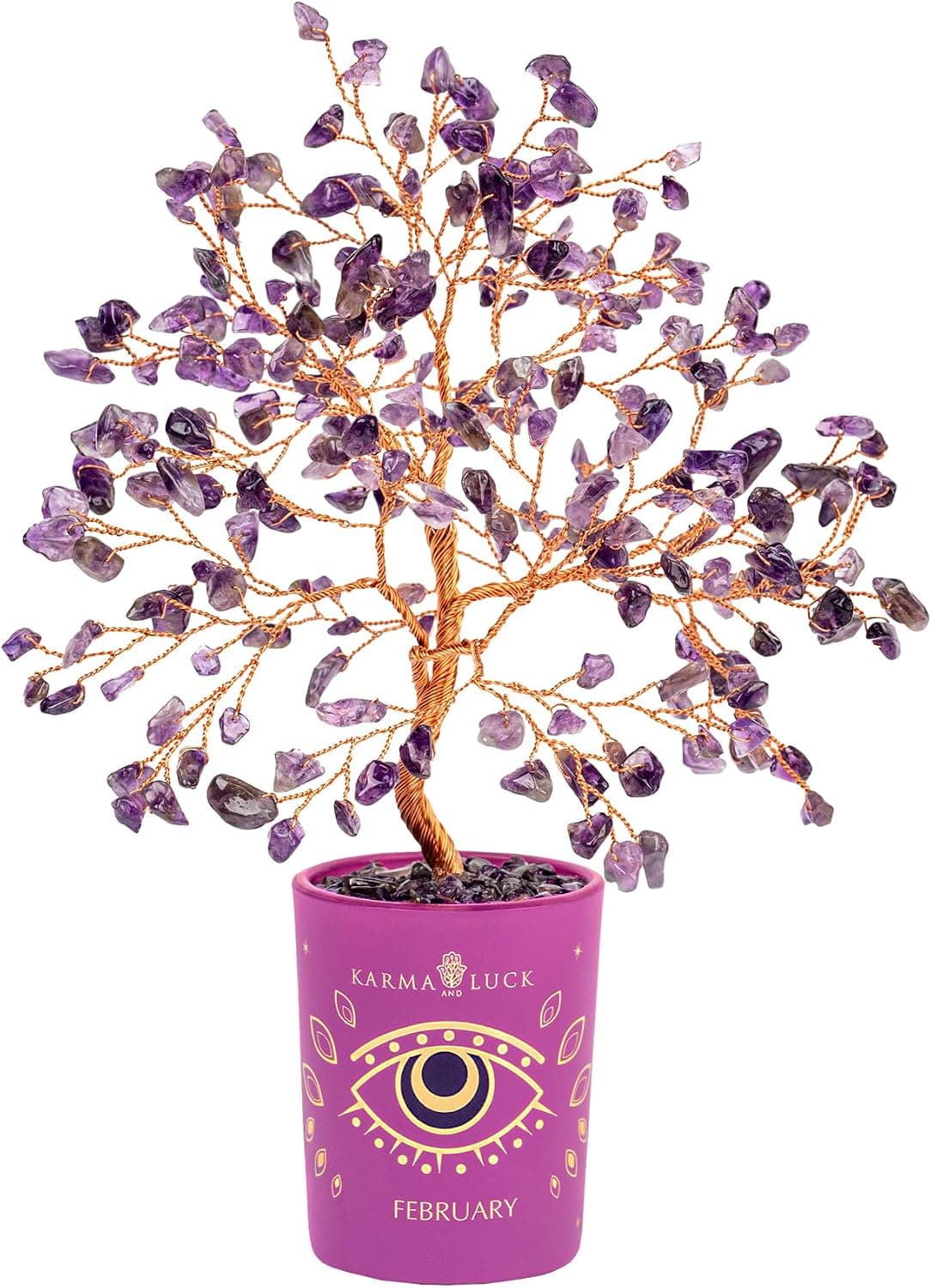
-29%Karma and Luck February Birthstone Crystal Tree of Life, Amethyst Gemstone Fe...
As an Amazon Associate, we earn from qualifying purchases. We only recommend items our practitioners have personally tested.
Continue Your Journey
Explore these related guides to deepen your understanding:

The I Ching Doesn't Answer Lazy Questions — Here's What to Ask Instead
8 min readConfucian Commentary Turns the I Ching Into a Moral Floor Plan
9 min readBroken Lines, Solid Lines, and the Real Yin-Yang Logic of the I Ching
11 min readThe Wilhelm I Ching Feels Deep Because It Slows Your Reading
11 min readReady for Deeper Guidance?
Try our free I Ching reading for personalized wisdom, or explore our curated Feng Shui essentials.