The wrong money frog placement can quietly stall opportunity, even in a well-decorated room.
The little frog on the shelf is not the problem. The spot is.
I walked into a small home office in Portland where a glossy gold money frog sat on top of a printer, facing the wall. The owner, a nurse with a side business selling handmade candles, had bought it after a friend swore it would “activate abundance” in a week. Instead, she felt stuck, tired, and weirdly irritated every time she paid bills. That reaction is common. The object is not magic by itself. Placement turns it into a signal—or a dead weight.
People often blame the frog when the room is doing the damage. A cluttered entry, a broken lamp, a desk shoved into a corner, or a frog aimed at a toilet can all muddy the energy faster than the figurine can help. If you want a steady flow rather than a quick fix, you need to treat the frog as part of the whole environment, not a standalone charm.
The best way to think about a feng shui money frog placement guide is simple: you are giving the home a clear message about where resources should enter, rest, and circulate. The frog represents wealth that comes toward you, but it should never look trapped, blocked, or ignored. A cheap resin frog on a dusty bookshelf can be more harmful than helpful, not because the material matters so much, but because the placement tells the room: money is an afterthought here.
What the money frog is actually doing
The money frog, often shown with a coin in its mouth and sitting on coins, is a symbol of incoming prosperity. In practical feng shui terms, it belongs where energy gathers and where you can maintain respect for it. That usually means a clean, stable surface with room around it. Not a kitchen counter buried under mail. Not the floor. Not beside the laundry basket. The frog should feel intentional, almost ceremonially placed, even if the rest of the room is modest.
There is one detail people miss again and again: the frog should not face outward as if it is escaping. It should be positioned to “bring” wealth into the room, not launch it out a window or stare into a hallway that drains attention. In many homes, I’ve seen better results from moving the frog three feet than from buying a more expensive figurine. That is not mystical talk. It is environmental clarity.
If you are working with the main entrance, place the frog where it can symbolically welcome opportunity without blocking movement. A side table near the door can work well if the space is tidy and the frog is angled inward. If you already study energetic patterns through inner truth and alignment, you already know the principle: the outside form must match the inner intention, or the gesture falls flat.
One detail that surprises people: a frog that is “hidden” in a dark corner often performs worse than one placed in a visible, respectful spot. Not exposed like decor clutter. Visible like a valued helper.
How to place it so it supports money, not stress
Start by choosing one place and leaving it there. Constantly moving the frog around makes the symbol feel unsettled, and unsettled wealth is rarely what anyone wants. Good locations include a clean shelf in the living room, a side table near the entry, or a home office cabinet where the frog can sit above floor level. Height matters because it signals status and care. A frog on the floor is treated like forgotten junk. A frog at waist or eye level feels attended to.
Then check the direction. The frog should generally face inward toward the room or toward the center of the home, not toward a door, window, drain, or sink. If you place it near the front entrance, angle it so it appears to be entering with good fortune. If you use it in a business, let it face the interior of the office or toward the cash flow area, not toward the exit where customers leave with the energy.
Next, make the area clean and stable. This is where people get sentimental and wrong. They buy the frog, light a candle, and then leave it next to receipts, spare keys, and half-dried coffee rings. That is not a wealth cure. It is visual noise. A money symbol needs a quiet stage. If you want more refined placement logic, the gentle wind approach to subtle influence is a useful model: soft, steady, and consistent beats dramatic and chaotic every time.
And yes, there is a real difference between a frog that feels honored and one that feels decorative. The honored version has space around it. It is dusted. It is not competing with ten other trinkets. It is not sitting in a bowl with random coins from three countries and a paperclip. That combination looks busy, not prosperous.
In the bedroom, I usually advise caution. Money symbols can create mental activity in a room meant for rest. If you are tempted to keep the frog there because you want “wealth energy while you sleep,” stop and reconsider. Bedrooms need calm first. If the frog makes you think about invoices at 2 a.m., it has failed its assignment.
A real placement that changed the mood fast
A teacher in San Diego showed me her reading nook, a narrow space off the dining room with a navy chair, a brass lamp, and a green money frog perched on a stack of books beside a ceramic bowl of loose change. The frog faced a hallway mirror. Every time she sat there, she felt oddly restless. We moved the frog onto a small walnut cabinet across from the chair, cleared the coins, and turned it inward toward the room. Within a week, she told me she was making calmer decisions about an overdue renovation and a freelance tutoring offer she had almost ignored. The money did not fall from the sky. But her behavior changed, and that changed her results.
That is the part people resist. They want the object to do all the work. It won’t. A properly placed frog supports better choices, better attention, and fewer leaks in your environment. That is how wealth symbolism works in practice.
Common mistakes that quietly sabotage the frog
One mistake is treating the frog like a joke gift. If it was tossed onto a desk with no intention, the energy around it will feel careless. Another is putting it beside plumbing, especially in bathrooms or near sinks, where the symbolism of draining water can work against the idea of retained wealth. I also see frogs aimed directly at the front door from inside the home; that can feel like money is being shot back out before it settles.
If you want to avoid the worst placement habits, look for patterns of neglect. Dust. clutter. glare. A frog under a harsh ceiling light beside a stack of unopened mail is not “active.” It is stranded. For a broader perspective on correcting this kind of energetic misalignment, stillness can be more effective than constant adjustment. Sometimes the smartest move is to stop fussing and let the right placement settle.
The other mistake is overloading the area with “wealth cures.” Three frogs, two coins strings, a citrine tree, and a red envelope cluster can start to feel desperate. Prosperity does not like panic. Choose one symbol and let it breathe.
Using the frog with intention, not superstition
If you are serious about this, clean the frog before placing it. Wipe away dust. Choose a stable surface. Set it with a clear purpose: to support incoming resources, better timing, and wiser decisions. Then leave it alone for a while. Check the room first. Is the energy open? Is the path to the frog blocked? Does the placement feel calm rather than frantic?
The feng shui money frog placement guide becomes useful only when you stop asking, “Where should I put the object?” and start asking, “What story is this room telling about wealth?” That shift matters. A home that communicates scarcity through clutter and neglect will fight any symbol you place inside it. A home that feels orderly, respected, and receptive will amplify that symbol with very little effort.
If you want to deepen that mindset, think in terms of clear breakthrough energy: remove what blocks, then act decisively. The frog is not a substitute for action. It is a reminder to make space for it.
FAQ
Where is the best place to put a money frog at home?
A clean shelf or side table near the entry or in a living area usually works well. The key is that it should feel honored, visible, and angled inward rather than pointing toward an exit or drain.
Can I keep the frog in my bedroom?
You can, but I rarely recommend it if you are sensitive to visual stimulation or anxious at night. Bedrooms need rest first, and a wealth symbol there can sometimes keep the mind too active.
Does the frog need coins with it?
Surprisingly, coins are not the main factor. A frog placed with clarity and respect will usually do more than a crowded arrangement of tokens that feels forced or messy.
Should I move it around the house?
Not constantly. Once you choose a good spot, let it stay there for a while so the symbol feels settled. Frequent moving can create the feeling of unstable wealth rather than steady growth.
David Liu
Traditionally informed guidance • Cross-referenced with classical Chinese source texts
Interpretations cross-referenced with the Zhouyi (周易) and Wilhelm/Baynes translation.
Practitioner-Selected Tools for This Topic
Items our team has tested and found effective for the principles discussed above. Individual results may vary.
 -20%
-20%Aquarius 12 Zodiac Challenge Coin - Twelve Constellations Aquarius Protective...
 -29%
-29%Karma and Luck March Birthstone Crystal Tree of Life, Aquamarine Gemstone Fen...
 -29%
-29%Karma and Luck July Birthstone Crystal Tree of Life, Ruby Gemstone Feng Shui ...
 -29%
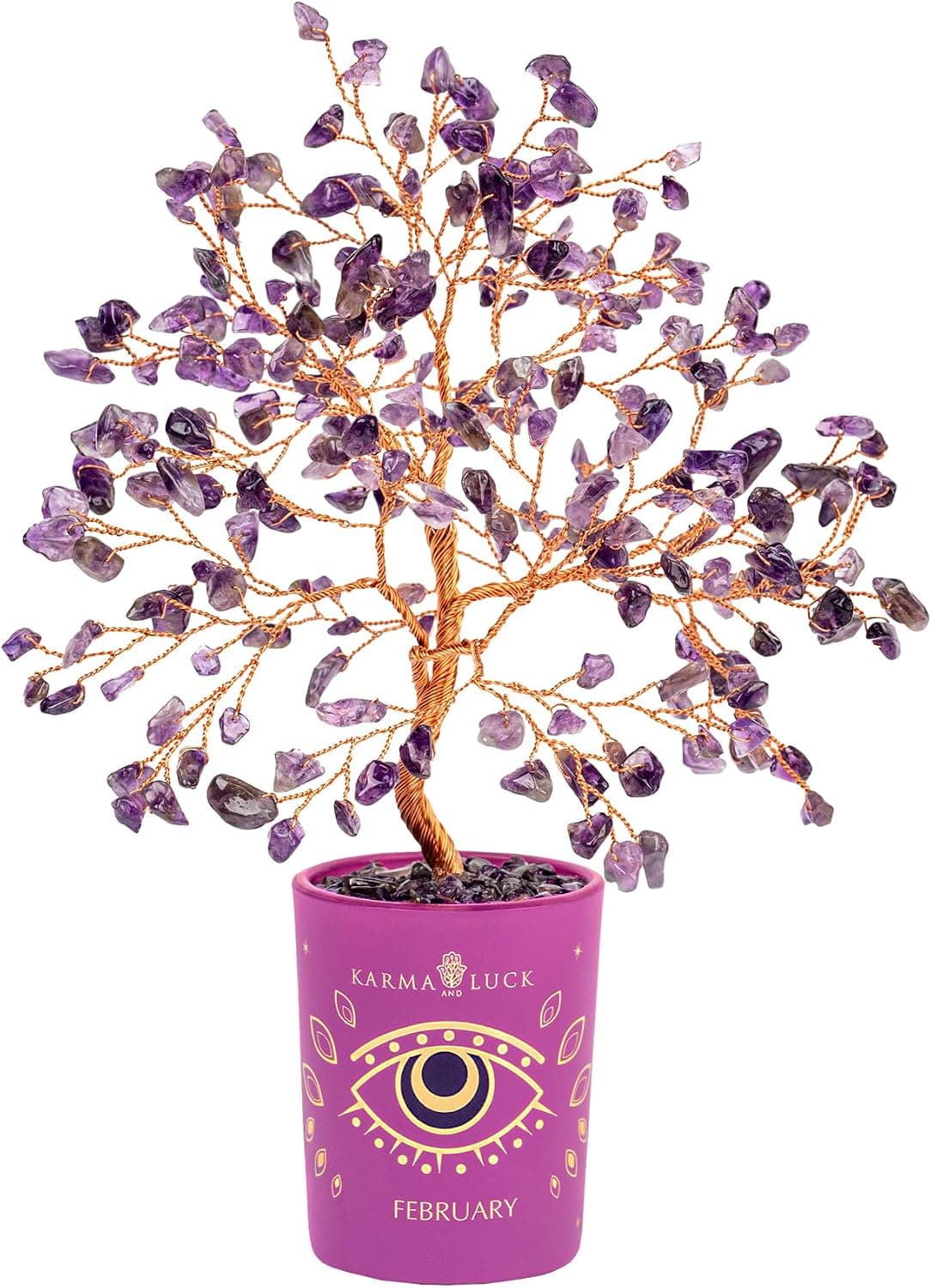
-29%Karma and Luck February Birthstone Crystal Tree of Life, Amethyst Gemstone Fe...
As an Amazon Associate, we earn from qualifying purchases. We only recommend items our practitioners have personally tested.
Continue Your Journey
Explore these related guides to deepen your understanding:

The I Ching Doesn't Answer Lazy Questions — Here's What to Ask Instead
8 min readConfucian Commentary Turns the I Ching Into a Moral Floor Plan
9 min readBroken Lines, Solid Lines, and the Real Yin-Yang Logic of the I Ching
11 min readThe Wilhelm I Ching Feels Deep Because It Slows Your Reading
11 min readReady for Deeper Guidance?
Try our free I Ching reading for personalized wisdom, or explore our curated Feng Shui essentials.