Put him on the wrong level, and the room starts feeling oddly restless.
The Hidden Truth About laughing buddha placement rules feng shui
when the home has stairs. People keep focusing on the figure itself and ignore the vertical route energy takes as it moves up, down, pauses, and leaks through a house. That mistake matters more than the object on the shelf.
I once watched a couple place a brass Buddha on the landing outside a bedroom, right beside a pale blue runner and a white-painted banister. They had followed every common instruction: visible, cheerful, at eye level, not hidden in a corner. Yet the upstairs hall felt busy at night, sleep got choppy, and they started arguing in the doorway over tiny things like laundry baskets and a lamp they never agreed to replace.
That was not bad luck. It was circulation.
Stairs act like a spine. They carry qi quickly, and quick movement does not always settle into comfort. A figure that should slow a room can be placed where motion already dominates, and then the symbol gets pulled into the flow instead of tempering it. In a split-level home, the issue is not whether the Buddha is smiling. The issue is whether the house can hold still long enough for that smile to mean anything.
Common advice persists because it is easy to repeat. Put the figure where you can see it. Keep it clean. Let it face inward. Fine. Those rules are not wrong, just incomplete, and incompleteness is how people end up copying a cure that belongs in a flat apartment into a stair-heavy house with a drafting hall and a door that opens straight onto the steps. That is how a cure turns decorative.
So the first question is not, where should the Buddha go? It is, where does the house rush? The answer changes everything.
Why vertical movement changes the reading
Staircases create a hard yin-yang swing. Going down drains weight and attention; going up gathers effort and ambition. If the figure sits at the top landing, it may catch people just as they are tired, which can feel like a pause but often becomes a bottleneck. Put it halfway down, and it can be swallowed by traffic, because no one stands there long enough to absorb the message.
That is why a ground-floor console near the main entry often works better than a landing shrine. The lower level carries the daily arrivals, the coat drop, the shoe shuffle, the pause before people climb. A calm, open console in that zone can greet movement without competing with it. A strong front-door setup does more for stability than a lucky object stranded on a stair edge.
One more thing gets missed: stairs do not just move bodies, they move attention. If the railing points directly to the second floor, the eye keeps climbing. A cheerful seated figure placed beside that line can be overstimulated by the visual rise. I have seen this in narrow townhouses where the red-lacquer Buddha sat at the side of a stairwell mirror; the mirror doubled the movement, and the room felt like it never landed.
That is why the conventional view survives. It works well enough in simple rooms, then fails in stacked homes, duplexes, and apartments with mezzanines. People remember the successes and forget the stair cases that quietly derailed the rule.
Here is the part many readers resist: placement is not just about symbolism, but about pacing. A laughing Buddha in a still corner can soften the mood of an office. In a staircase zone, it may need support from a low surface, a grounded wall, or a less active nearby sector. Otherwise the house keeps moving while the cure keeps smiling.
Where the figure settles best in real homes
Start with the lower hall if the stairs are open and visible from the front door. That spot works when the home needs warmth without interruption, especially near a matte wood table, a ceramic bowl, or a cluster of healthy leaves. Avoid placing it where people brush past every hour. Even a generous symbol gets worn down by constant movement.
If the upper landing is the only place that feels safe, make it a resting point rather than a display perch. A deeper niche on the wall, a sideboard set back from the railing, or a shelf tucked away from the stair line can help. The figure should feel observed, not watched.
Brass tends to suit busy, dry stair zones because it gives weight without clutter. Resin or painted versions can work too, though they often need a steadier background so the eye does not bounce off them. A red cloth under the piece may look auspicious in a shop window, yet in a narrow stair hall it can add heat where the building already runs hot.
One sentence matters here: do not put it where it stares directly at a toilet door or kitchen knives. Those scenes break the mood fast. If the house has a sharp diagonal from the stairs to the cooking area, consider redirecting the eye with a plant, a framed print, or a simple lamp that lowers the visual velocity.
Kitchen knives carry more energy than you'd think, and stair-heavy homes make that sharper because everything is already in motion. Add a metal edge beside a vertical rush, and you have a house that keeps announcing pressure to everyone who lives there.
Pause on this. A lucky object cannot rescue a noisy circulation pattern by itself.
Why the backfire happens even when people “do it right”
People copy the advice, not the context. They hear visible, happy, elevated, and assume higher is better. Then they place the figure on a staircase shelf just above eye level, right where the handrail curves and the air feels thin. The result is not serenity. It is alertness.
That alertness shows up in small ways first. Someone starts leaving glasses on the landing. Mail piles up near the step where the figure sits. A child avoids the hall at night because the object catches light from the bathroom door and seems to shift shape. None of that looks mystical. It looks like the house asking for less stimulation.
The I Ching would call this a mismatch of movement and receptivity. In plain terms, the space is giving ascent when it needs anchoring. A stairwell is not a showcase. It is a passage. Treat it like one and the energy stops snagging on the banister.
Here is a practical test I use. Stand at the bottom of the stairs at dusk and watch where your eyes travel. If they shoot straight up, the vertical pull is strong. If they keep snagging on objects, corners, or a mirror, the space is fragmented. Either way, the cure should respond to the motion already there, not fight it blindly.
Mapping the home with the bagua helps, but only after you notice how the stair line cuts through it. A wealth area on paper can still behave like a corridor in real life. That is where abstract maps fail and lived observation starts.
Some homes need a different answer entirely. A bedroom beside an open stairwell may need quieter colors, a heavier curtain, or a moved bed before any figurine helps. A calmer bedroom layout often solves the night-time tension people wrongly blame on the wrong ornament.
When the usual advice still works
Not every staircase turns a symbol into static. A closed stair behind a door, a broad landing with low traffic, or a house where the steps turn away from the main entry can handle a cheerful figure more easily. In those cases, the object can do its intended job: lighten the mood, soften transitions, and keep the home from feeling stern.
Context decides. A tall townhouse with a narrow central stair needs different treatment from a suburban split-level with a generous foyer. The first wants restraint; the second can take more display. That distinction is rarely made in generic advice, which is why so many people follow it and still feel something off.
It gets clearer when you compare the placement to other cures. A coin bundle near the entry asks for containment. Coin placements that make money feel managed, not chaotic work because they sit where the home receives and holds. A laughing Buddha near stairs, by contrast, must deal with rise and fall. Different mechanics. Different response.
And if you have a split-level with a landing that doubles as a family crossroads, keep the figure out of the direct traffic line. Place it off to the side, near a solid wall, and let a lamp or plant soften the transition. The smile should welcome, not interrupt.
How I would set it in a staircase home
Begin by identifying the quietest point near the vertical path. Not the prettiest. The quietest. Often that is a lower side table tucked three feet from the stair opening, or an upper niche where the railing no longer commands the view. Then watch what happens for a week. The home will tell you whether the placement feels grounding or performative.
If the figure belongs upstairs, give it room behind it. A solid wall helps. A pale background can work if the object itself is heavy enough to carry visual weight. If the piece is bright gold, do not surround it with glossy surfaces and chrome. Too much reflection turns the hall into a stage.
One of the best scenes I have seen was a compact entry with a narrow staircase rising immediately along the left wall. The owner moved a ceramic Buddha from the top landing to a walnut shelf beside a muted green umbrella stand on the ground floor. The step noise did not vanish, but the house stopped feeling as if it were always mid-stride. People began lingering long enough to take off their shoes properly. Small change. Real shift.
That kind of adjustment is why I distrust rules without site reading. They sound tidy. Homes are not tidy.
If you want a wider frame for this kind of judgment, the five phases help more than slogans. Wood likes growth, metal likes clarity, water likes movement, fire likes attention, earth likes stability. Staircases overfeed water-like motion. A figure that carries earth qualities—roundness, weight, low placement—can calm that rush better than one perched like a trophy.
Five elements thinking explains why good layouts still feel wrong when the building’s movement pattern is ignored. That is the missing layer in most placement advice.
FAQ
Is conventional laughing buddha placement rules feng shui advice reliable? Often, no. It works best in simple, level spaces where the figure can act as a calm focal point. In homes with stairs, the vertical pull changes the job the object is trying to do.
Should the figure face the front door? Sometimes, but not automatically. If the entry opens straight into a stair run, facing the door can make the object feel exposed to traffic rather than welcoming. In a slower foyer, that same orientation can feel fine.
Can I keep it on the upstairs landing? Yes, if the landing is wide and quiet. The problem starts when the object sits beside constant foot traffic or a mirror that doubles movement. Then the space gets restless instead of settled.
What if I already placed it and the house feels worse? Move it before you overthink it. A placement that creates tension around the stairwell often becomes obvious within a few days: people avoid the area, sleep lightens, or the hall starts feeling oddly watchful. That reaction is information.
Do I need to remove it entirely in a stair-heavy home? Not necessarily. First try a lower, calmer location away from the direct stair line, then notice whether the atmosphere softens. The object may be fine; the vertical route may be the real issue.
The stairwell upstairs was quiet when I left the last house like that, except for one small sound: a bamboo blind tapping once against the wall in the draft, as if the home had finally found its own pace and was not ready to be hurried again.
David Liu
Traditionally informed guidance • Cross-referenced with classical Chinese source texts
Interpretations cross-referenced with the Zhouyi (周易) and Wilhelm/Baynes translation.
Practitioner-Selected Tools for This Topic
Items our team has tested and found effective for the principles discussed above. Individual results may vary.
 -20%
-20%Aquarius 12 Zodiac Challenge Coin - Twelve Constellations Aquarius Protective...
 -29%
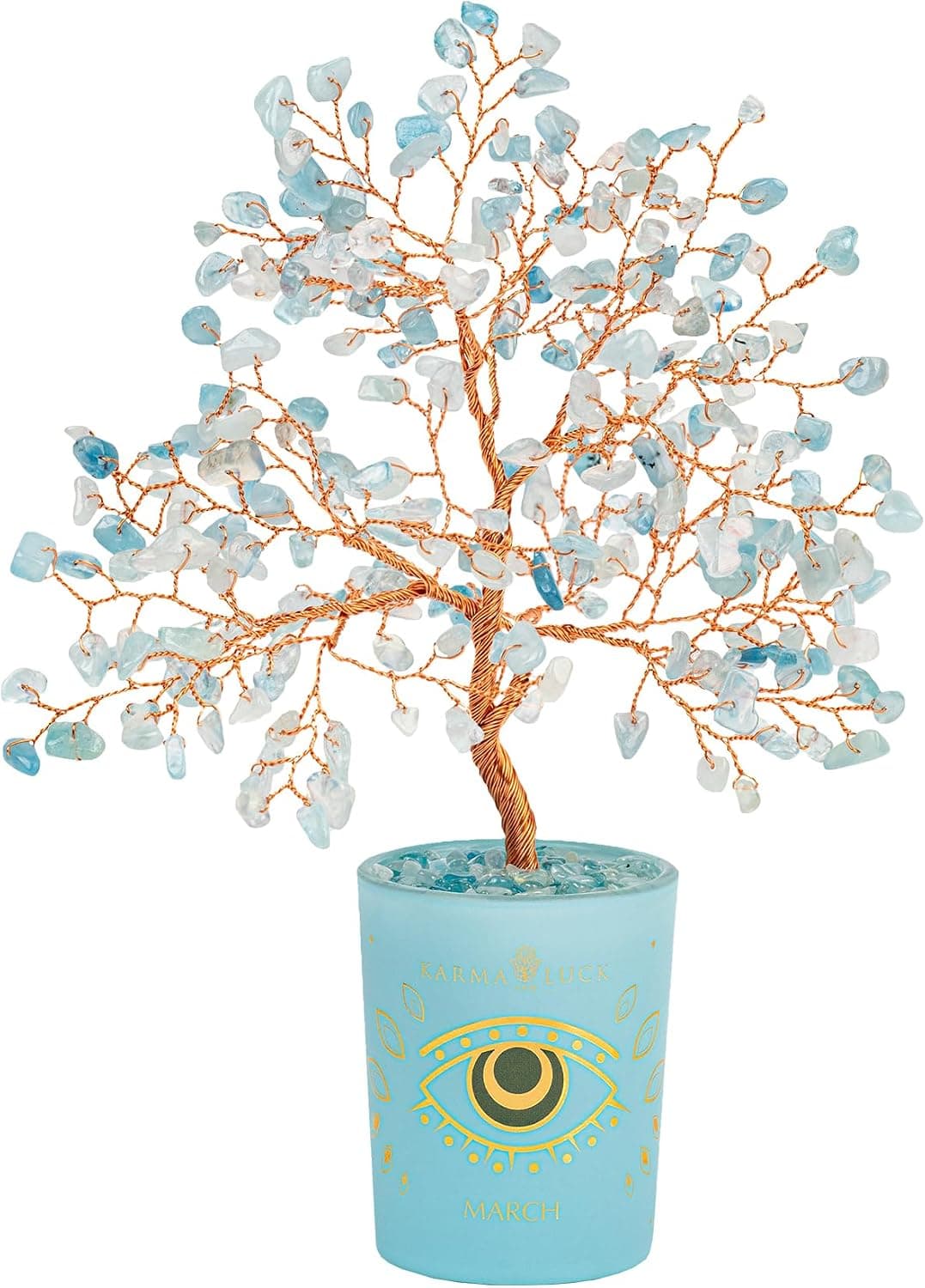
-29%Karma and Luck March Birthstone Crystal Tree of Life, Aquamarine Gemstone Fen...
 -29%
-29%Karma and Luck July Birthstone Crystal Tree of Life, Ruby Gemstone Feng Shui ...
 -29%
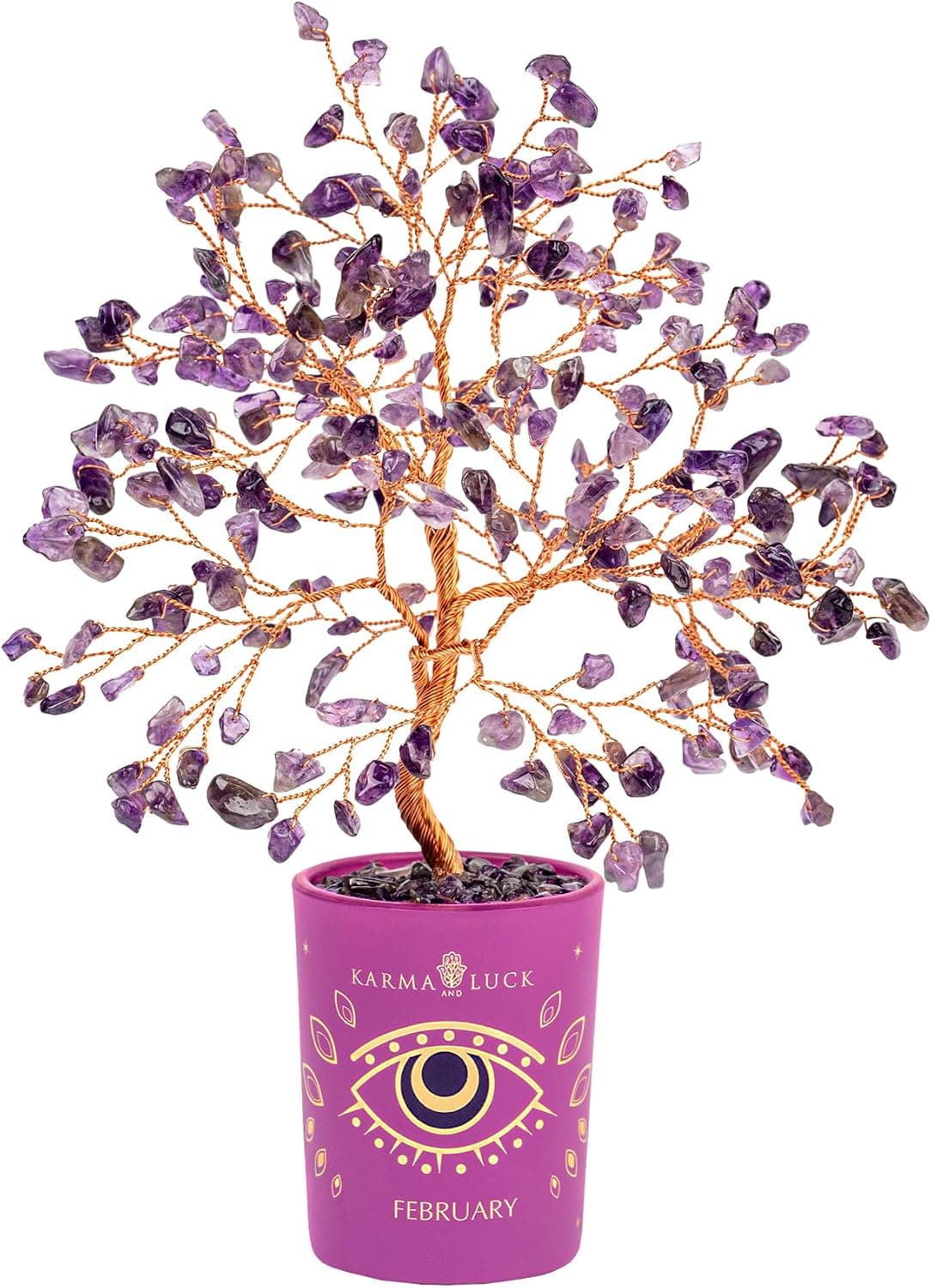
-29%Karma and Luck February Birthstone Crystal Tree of Life, Amethyst Gemstone Fe...
As an Amazon Associate, we earn from qualifying purchases. We only recommend items our practitioners have personally tested.
Continue Your Journey
Explore these related guides to deepen your understanding:

The I Ching Doesn't Answer Lazy Questions — Here's What to Ask Instead
8 min readConfucian Commentary Turns the I Ching Into a Moral Floor Plan
9 min readBroken Lines, Solid Lines, and the Real Yin-Yang Logic of the I Ching
11 min readThe Wilhelm I Ching Feels Deep Because It Slows Your Reading
11 min readReady for Deeper Guidance?
Try our free I Ching reading for personalized wisdom, or explore our curated Feng Shui essentials.