The wrong incense can make a room feel heavier; the right one changes the pace of the whole house.
The room feels “off” before you can name it
You light incense because the apartment feels stale, the desk feels crowded, or sleep keeps slipping out of reach. Then the smoke curls upward in the bedroom, hangs near the ceiling fan, and somehow the space feels even more tired than before. That is the part most people miss: scent does not just perfume a room, it sets a direction for qi.
I’ve seen this in a narrow guest room with pale blue walls, a brass lamp, and a stack of unpaid bills on the dresser. The owner had been burning a heavy sandalwood blend every evening, thinking “calm” meant “stronger.” Instead, the room felt murky, and she said she woke up foggy for three weeks straight. One switch later, the whole atmosphere changed.
The question is not which incense is “best” in the abstract. It is which scent matches the job you want the room to do. That is why inner truth matters here more than trend-chasing: a room responds to honesty, not marketing.
What good incense actually does
Strong fragrance can mask a problem, but it cannot fix the pattern under it. In feng shui, incense is a movement tool. It wakes stagnant corners, softens harsh transitions, and can make a space feel more coherent if you use it with restraint. Too much smoke, though, pushes energy into confusion. That is not a mystical punishment. It is simple sensory overload.
For most homes, the best scents fall into three broad families. Light woods such as cedar and cypress help a room feel orderly and grounded. Clean resins and frankincense are better when you want clarity, prayer, or a more focused mood. Floral or herbaceous notes, used lightly, can lift a tired sitting room without making it feel sleepy. If you want a deeper view of how subtle movement shapes the home, the logic behind gentle wind is surprisingly useful.
What people call “energy” is often just a mix of air quality, emotional association, and attention. That sounds too ordinary for the incense aisle, but ordinary is where the method lives. The scent should support the room’s function, not announce itself from the front door.
Choosing the scent by room purpose
Start with the room’s job. A bedroom should not smell like a temple hall at midnight. You want a softer profile there: sandalwood in a light blend, lavender if you tolerate floral notes, or a very restrained wood resin burned briefly before bed. Keep it gentle. The bedroom is not where you prove intensity.
A home office wants the opposite problem solved. Here, clarity matters more than comfort. Frankincense, white sage in careful amounts, or a crisp cedar blend can sharpen the feel of a space before a call, a study session, or a planning block. Burn it for a short window, then stop. I’ve watched people keep incense going for hours and wonder why their concentration feels frayed.
Living rooms are different again. They handle more social energy, so the best scents are the ones that fade into the background after a few minutes. Citrus-leaning incense, light wood, or soft spice works well when you want a room to feel open without smelling like a candle store. Kitchen-adjacent spaces are especially sensitive; use less than you think you need.
If you are trying to support a new start, or clear a house after a rough season, a stronger ritual scent can make sense for a brief window. That is where people often turn to movement and reset symbolism, which is why some readers also study revolution when they are changing a home pattern on purpose.
How to use incense without flattening the room
Do not light incense just because you bought it. Burn it with a purpose. Open a window slightly first if the room has been closed up, then light one stick or a small cone and let the smoke travel through the space you actually want to affect. If the room is small, stop early. If the scent is still obvious after ten minutes, you used too much.
Pay attention to where the smoke drifts. A bedroom with a ceiling fan can pull incense into corners and leave the air tasting heavy. A hallway with poor circulation can trap fragrance and make the whole home feel tired. The fix is often not a different brand. It is better airflow, a shorter burn, and a lighter hand.
One client, a retired architect named Helen, burned clove-heavy incense in her dining room every evening because she liked the “warmth.” The room had terracotta tile, a dark oak table, and a red runner that already carried a lot of visual weight. Within a week she told me the space felt argumentative. We switched to a sparse cedar blend, burned it only before guests arrived, and the room settled down. Same house. Different message.
The practical rule is simple: choose a scent that supports the room’s emotional job, then use less of it than you instinctively want. That small restraint is often the difference between a clear atmosphere and a perfumed fog. The old teaching behind cauldron is relevant here too: what you cook in the vessel matters, but so does the vessel itself.
Good pairings, bad habits
Some pairings are reliable. Cedar works well for entryways and work areas. Frankincense suits meditation, prayer, and quiet reset moments. Sandalwood can help a bedroom or reading nook if it is not too sweet. Citrus notes are useful when the house feels stale after rain or after long indoor days.
One habit I would challenge: do not burn “healing” incense in every room just because the label sounds spiritual. A scent can be sacred and still be wrong for the space. Heavy rose in a small office can feel suffocating. Patchouli in a bedroom can feel too dense for light sleep. The room will tell you. Most people ignore it.
Another mistake is treating incense like a permanent air freshener. That is the quickest way to numb your own senses. Burn briefly, then stop. Let the scent finish its sentence.
When incense supports a bigger reset
If you are reorganizing a house, changing routines, or trying to break a stuck mood, incense can be a useful companion to the broader pattern shift. It is not a cure-all. It is a signal. Pair it with cleaning, opening windows, and removing the object that keeps catching your eye in the wrong way. That is when the practice becomes real instead of decorative.
For readers who like to connect feng shui with divination, this is also the place where I often point them toward keeping still. Sometimes the room does not need another adjustment. It needs less interference and a cleaner pause.
And if you are completely new to reading signs in a home, start smaller than you think. You do not need a ceremony. You need one scent, one room, and one honest observation after the burn ends.
FAQ
Which incense is best for a bedroom?
A light sandalwood or a soft herbal blend usually works best because the bedroom should feel restful, not dramatic. Avoid anything sharp, sugary, or overly smoky if you want better sleep. If the scent is still obvious when you lie down, it is too strong.
Can I burn incense every day?
You can, but daily burning should stay brief and intentional. A few minutes is often enough to shift the atmosphere without saturating the room. Fresh air matters more than people expect.
What if incense gives me a headache?
That usually means the blend is too heavy, the room is too closed, or the product is low quality. Try a cleaner scent, shorten the burn time, and open a window. If the reaction continues, skip incense entirely and use another method.
Is one scent universally better than others?
Surprisingly, no. The best result comes from matching the fragrance to the room’s purpose and the season of your life. A scent that feels powerful in a meditation room may feel oppressive in a home office.
David Liu
Traditionally informed guidance • Cross-referenced with classical Chinese source texts
Interpretations cross-referenced with the Zhouyi (周易) and Wilhelm/Baynes translation.
Practitioner-Selected Tools for This Topic
Items our team has tested and found effective for the principles discussed above. Individual results may vary.
 -20%
-20%Aquarius 12 Zodiac Challenge Coin - Twelve Constellations Aquarius Protective...
 -29%
-29%Karma and Luck March Birthstone Crystal Tree of Life, Aquamarine Gemstone Fen...
 -29%
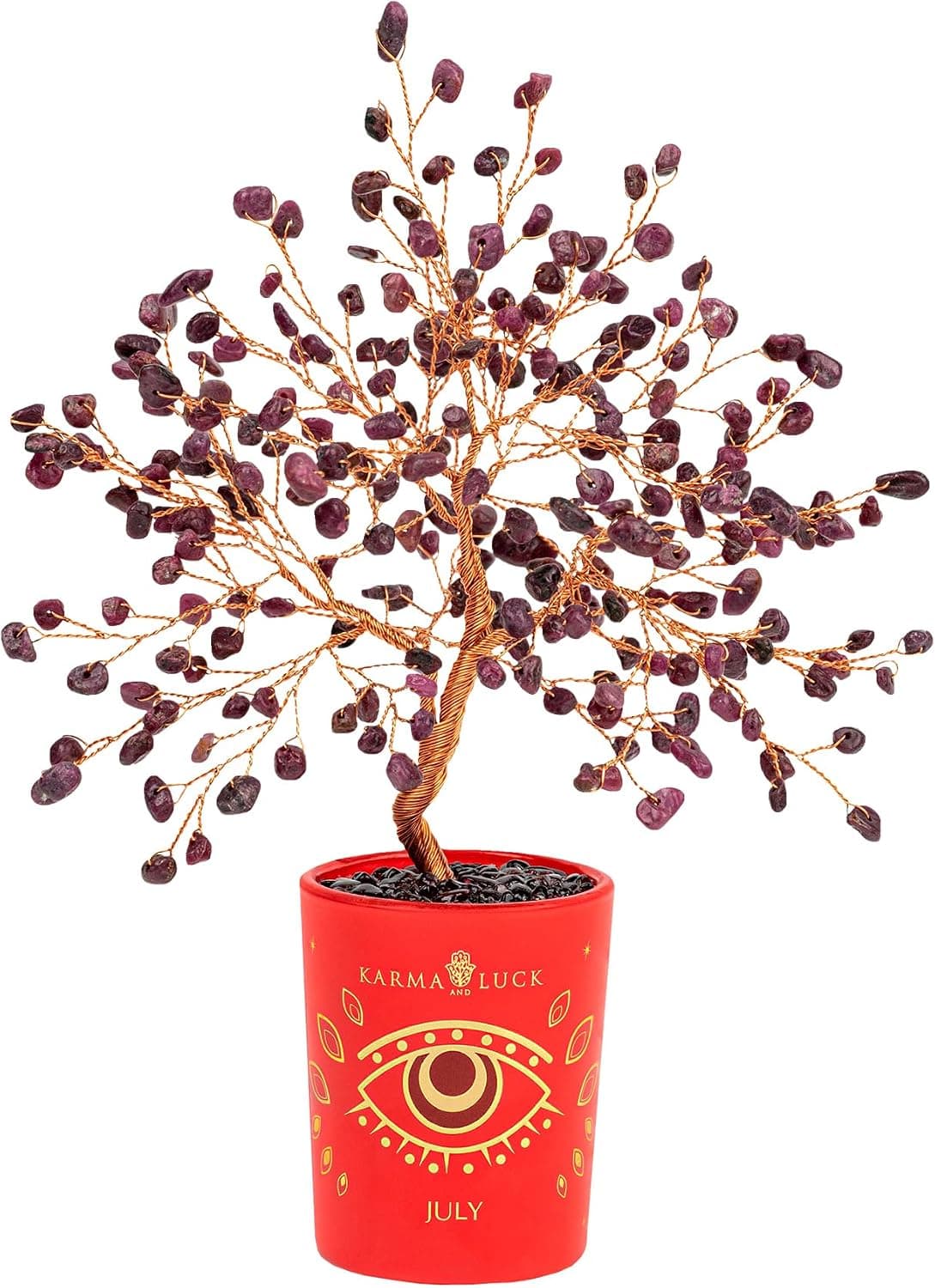
-29%Karma and Luck July Birthstone Crystal Tree of Life, Ruby Gemstone Feng Shui ...
 -29%
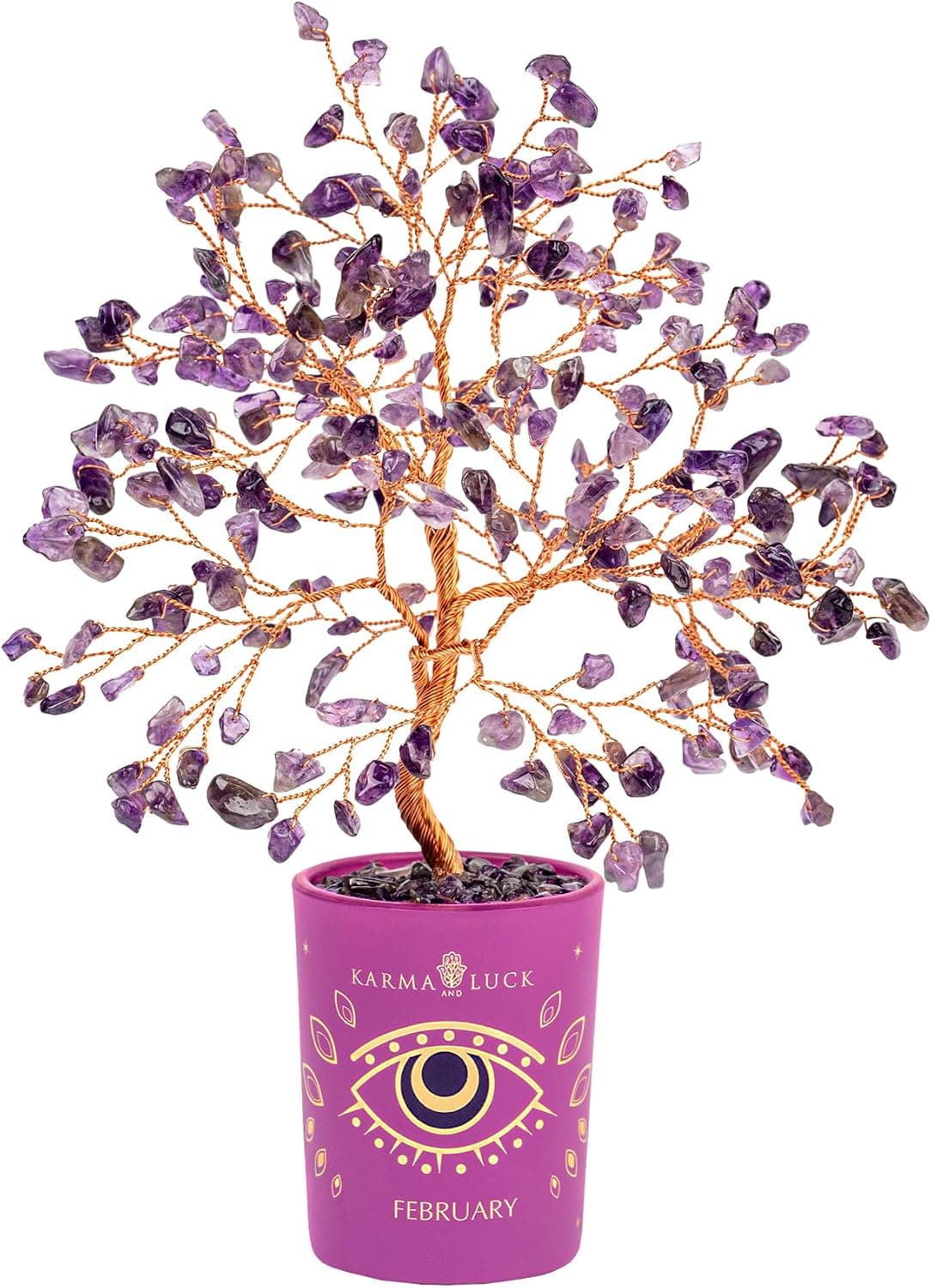
-29%Karma and Luck February Birthstone Crystal Tree of Life, Amethyst Gemstone Fe...
As an Amazon Associate, we earn from qualifying purchases. We only recommend items our practitioners have personally tested.
Continue Your Journey
Explore these related guides to deepen your understanding:

The I Ching Doesn't Answer Lazy Questions — Here's What to Ask Instead
8 min readConfucian Commentary Turns the I Ching Into a Moral Floor Plan
9 min readBroken Lines, Solid Lines, and the Real Yin-Yang Logic of the I Ching
11 min readThe Wilhelm I Ching Feels Deep Because It Slows Your Reading
11 min readReady for Deeper Guidance?
Try our free I Ching reading for personalized wisdom, or explore our curated Feng Shui essentials.