A lucky elephant in the wrong spot can stall a room faster than no cure at all.
The elephant on the shelf is not the problem. The room is.
I once walked into a narrow townhouse foyer in Seattle and saw a polished brass elephant facing the front door from a console table. It looked impressive. It also sat under a dark coat rack, beside a jumble of shoes, with a dead fern in a cracked pot. The owner kept asking why the house felt heavy. She had bought the symbol, but not the placement. That is the part most people miss when they search for a first reading of the room’s energy instead of copying a cute cure from social media.
Elephants carry a strong reputation for protection, memory, steadiness, and helpful support. Fine. But a symbol only works when the surrounding arrangement lets it breathe. Put the figure in the wrong direction, the wrong room, or next to clutter, and you get decoration, not support. That is why feng shui elephant placement for luck should never be treated like a superstition you can sprinkle across a house.
Think of the elephant as a quiet guardian. It works best when it can “see” what it is meant to hold, whether that is a front entrance, a bedroom relationship area, or a desk where concentration keeps slipping. The object itself does not create magic. It amplifies intention, and intention needs a clean line.
One more thing: people love to ask for a lucky cure while ignoring the basic condition of the space. That is like asking for rain after sealing the windows shut. If a home feels blocked, the elephant may simply reflect the blockage back at you.
What the elephant is actually doing in feng shui
An elephant is usually used for protection, stability, and carrying blessings into the home. In some homes, it is placed to guard the entrance. In others, it supports family harmony or helps a child study with more focus. In a business, it can signal dependable growth rather than flashy gains. That distinction matters. If you want quick excitement, this is not the symbol for that. If you want solid support that lasts, it can be excellent.
The direction of the trunk gets a lot of attention, and for good reason. An uplifted trunk is often read as expansive and celebratory. A lowered trunk is steadier, more grounded, and sometimes associated with storage, patience, and endurance. Neither is “better” in every case. What matters is the job you want the symbol to do. A lively dining area may welcome an uplifted trunk. A study, office, or quiet entry may benefit from a calmer, more grounded presence. This is where inner truth and placement line up beautifully: the object should match the real need, not the fantasy.
The size and material matter too. A tiny trinket on a cluttered desk can get lost. An oversized statue in a cramped hallway can feel aggressive. I prefer a piece that feels deliberate, not theatrical. Wood, brass, ceramic, and stone each create a different tone. Brass can feel protective and assertive. Ceramic can soften. Stone feels anchored. Choose the one that matches the room’s purpose.
There is a common belief that any elephant anywhere is lucky. That belief is too blunt to be useful. The more precise view is better: the elephant should support the flow already present in the room, not fight it. That is basic feng shui. And yes, it is also common sense.
Where to place it for real support
Start with the front entrance if you want protection and a sense of welcome. An elephant near the door can act like a guardian, especially if the hallway feels exposed or if the front area opens too fast into the rest of the house. Place it where it can “watch” the entry, but not block it. The goal is calm authority, not a barricade. If the trunk is raised, point it inward when the intention is to invite blessings into the home. If the trunk is down, place it where you want a settled, dependable feeling.
Bedrooms are more delicate. I do not recommend a large elephant in a bedroom unless the room clearly needs more steadiness and the piece is subtle. A pair of small elephants can support partnership, but only if the rest of the room is calm. Heavy art, bright red bedding, and mirrors all over the place will cancel the effect faster than most people expect. I have seen a couple argue for months in a navy-and-crimson bedroom while a shiny elephant sat on the dresser between two half-burned candles. The symbol was not the solution; the room was full of friction already.
For a home office, the elephant can be excellent when you are building patient, long-term success. Put it where you can see it while working, but not where it crowds the keyboard. A desk is not a storage shelf. Give the figure space. I once advised a retiree in Portland who kept a small jade elephant on the left side of his desk, beside a green lamp and a simple brass pen cup. He said his mornings felt “less scattered” within two weeks. That kind of result is typical when the placement is clean and the intention is specific.
Children’s rooms are another strong possibility, especially if the child needs confidence, steadiness, or a calmer study rhythm. Keep the object friendly, not intimidating. A playful ceramic elephant on a bookshelf can work well. An enormous carved beast looming over a bed can create the wrong mood. Children read energy faster than adults do, even if they cannot explain it.
How I place one when a space needs luck, not clutter
I begin by asking what the room actually needs. Protection? Focus? Harmony? Momentum? That answer decides the location. Then I clear the surface. This sounds boring, but it is where the real work begins. If the elephant is surrounded by bills, tangled chargers, expired coupons, and a dusty candle stump, the cure is being asked to swim through mud.
Next I check sightline. The elephant should not be hidden behind framed photos or squeezed between random objects. Give it a clear view of the area it serves. In a foyer, that means a direct but not confrontational relationship with the front door. In a study, it means a position that supports your working posture. In a bedroom, it means quiet placement, never visual noise.
Then I consider the element of the room. A very fiery room, with red accents, bright lighting, and too much activity, may need a grounding elephant in stone or ceramic. A dull room with little life may benefit from a warmer metal finish or a more upward trunk. This is where keeping still changes the whole atmosphere. The right placement does not add noise. It gives the room a center.
And please, do not line up five elephants on one shelf because you saw it on a video. More is not better. More is often messy. A single intentional object can do more than a whole herd stuffed into a corner. I know that sounds plain. It is also true.
The mistakes I see most often
The first mistake is placing the elephant where clutter wins. A lucky symbol buried under random objects is not lucky. It is silenced. I once saw a white porcelain elephant perched beside unopened mail, a broken lamp, and three takeaway menus on a kitchen counter. The owner wanted abundance. The counter gave her chaos.
The second mistake is using the wrong tone for the room. A fierce, oversized, gold elephant in a small bedroom can feel like pressure instead of protection. A flimsy decorative piece in a large entry can feel like an afterthought. For a deeper sense of how placement and timing work together, I often point readers toward the lesson of gentle wind: steady influence beats force every time.
One extra trap worth naming: people buy the symbol before they fix the layout. That is backward. The room tells you what kind of support it can hold. If the furniture blocks movement, the elephant will not save the situation. Clear the path first.
Does the trunk really matter?
It matters, but not in the cartoonish way people imagine. An uplifted trunk is often chosen for celebration, visibility, and drawing good fortune into a lively space. A downward trunk can feel more grounded and protective, especially in a house that needs stability more than display. Do not treat this as a rigid law. Treat it as a tuning choice.
If you are unsure, stand in the room and ask what feels missing. If the space feels thin, a stronger, upward expression may help. If the room feels restless, a grounded form may be better. The point is to match the energy of the space, not the trend of the moment. That is how feng shui elephant placement for luck becomes practical instead of decorative.
When the elephant works best with other cures
The elephant is rarely the only answer. It works well with clear pathways, good lighting, and an uncluttered view to the entrance. It also pairs well with symbols of steady progress, especially in areas connected to study or career. In that sense, it is closer to the spirit of gradual upward movement than sudden windfall energy. That is a good thing. Durable luck tends to look unremarkable at first.
In a home where the family is tired, overbooked, and always rushing, an elephant may be most effective as a reminder to slow the pace. Place it where the eye lands during a pause: a sideboard, a desk corner, a shelf near the entry. Let it announce steadiness. Not noise. Not drama. Steadiness.
I have also seen elephants used beside travel items, maps, or a house plan when the goal is support for long-distance moves or expanding opportunities. That can work, especially if the piece is substantial and the area is uncluttered. But again, intention and placement carry the weight. The object is a messenger, not the message itself.
FAQ
Can I place an elephant in the bedroom?
You can, but keep it gentle. A small, calm piece usually works better than a large statue. If the room already feels crowded, I would clear the space first and see whether the bedroom even needs another symbol.
Should the trunk point toward the door or away from it?
For many homes, an inward-facing trunk near the entrance suggests welcoming blessings in. If the elephant sits deeper inside the house, the direction should support the room’s purpose rather than follow a universal rule. The room decides more than the internet does.
What material is best?
Counterintuitively, the best material is often the one that matches the room’s energy, not the most expensive one. Brass feels more assertive, stone feels grounded, and ceramic tends to soften a space. Choose the tone you actually need.
Can one elephant improve money luck?
It can support a steadier wealth mindset, especially in an office or entry area, but it is not a substitute for a functional layout. If you want more financial support, the symbol should be part of a larger arrangement of order, visibility, and movement. That is where it starts to matter.
If you want, I can also show you how elephant placement changes by room: entryway, bedroom, office, and wealth corner.
David Liu
Traditionally informed guidance • Cross-referenced with classical Chinese source texts
Interpretations cross-referenced with the Zhouyi (周易) and Wilhelm/Baynes translation.
Practitioner-Selected Tools for This Topic
Items our team has tested and found effective for the principles discussed above. Individual results may vary.
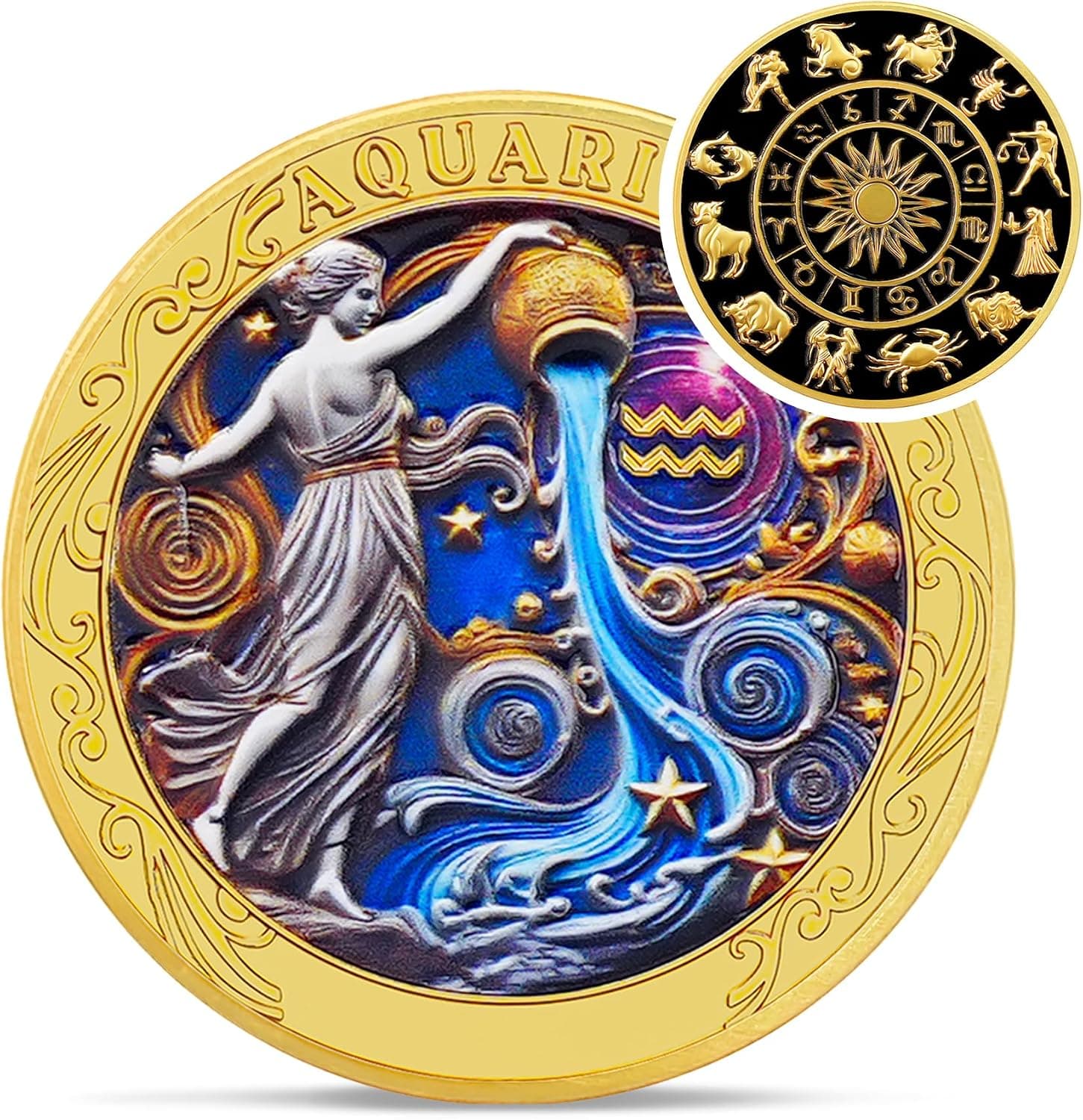 -20%
-20%Aquarius 12 Zodiac Challenge Coin - Twelve Constellations Aquarius Protective...
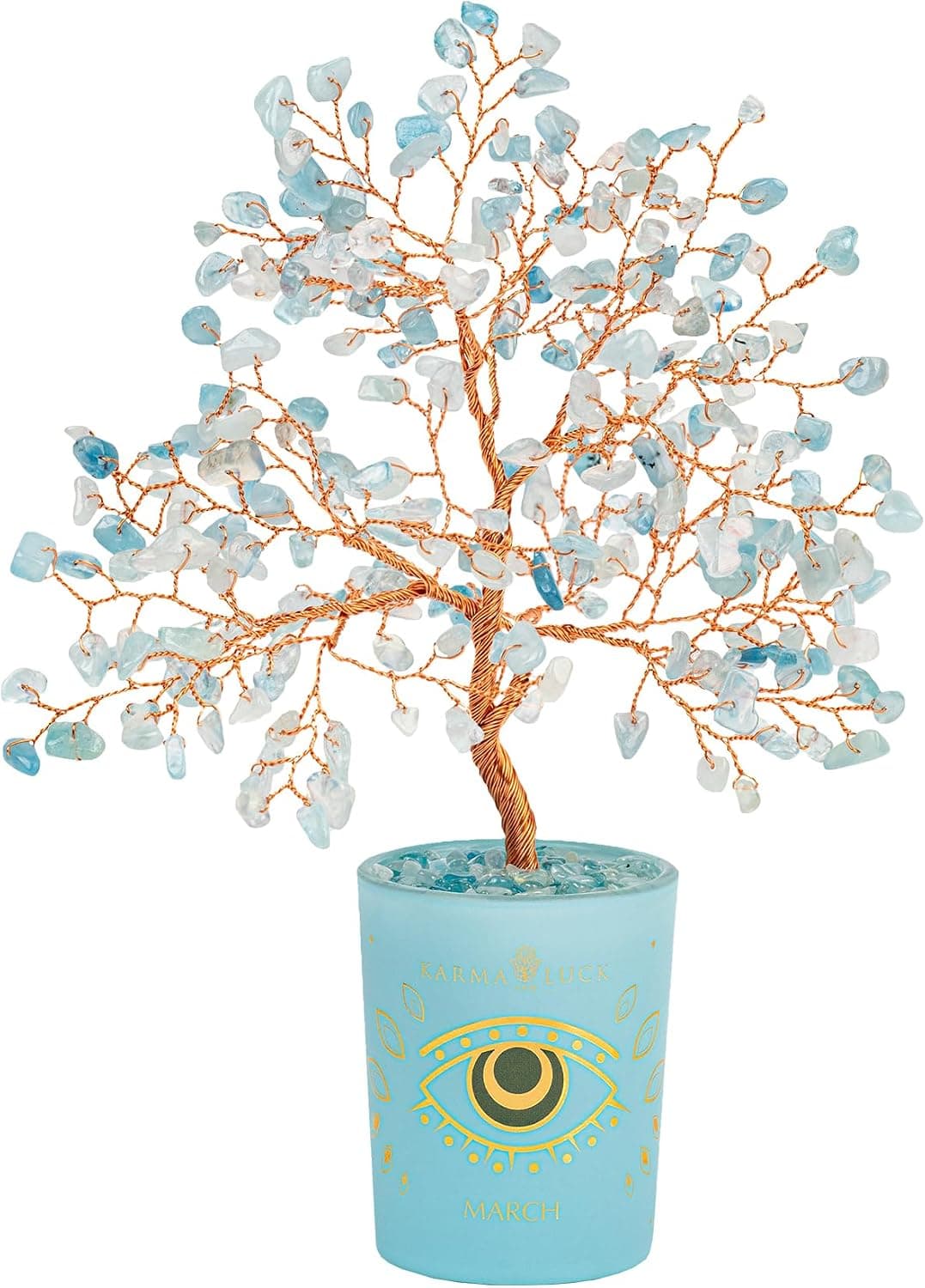 -29%
-29%Karma and Luck March Birthstone Crystal Tree of Life, Aquamarine Gemstone Fen...
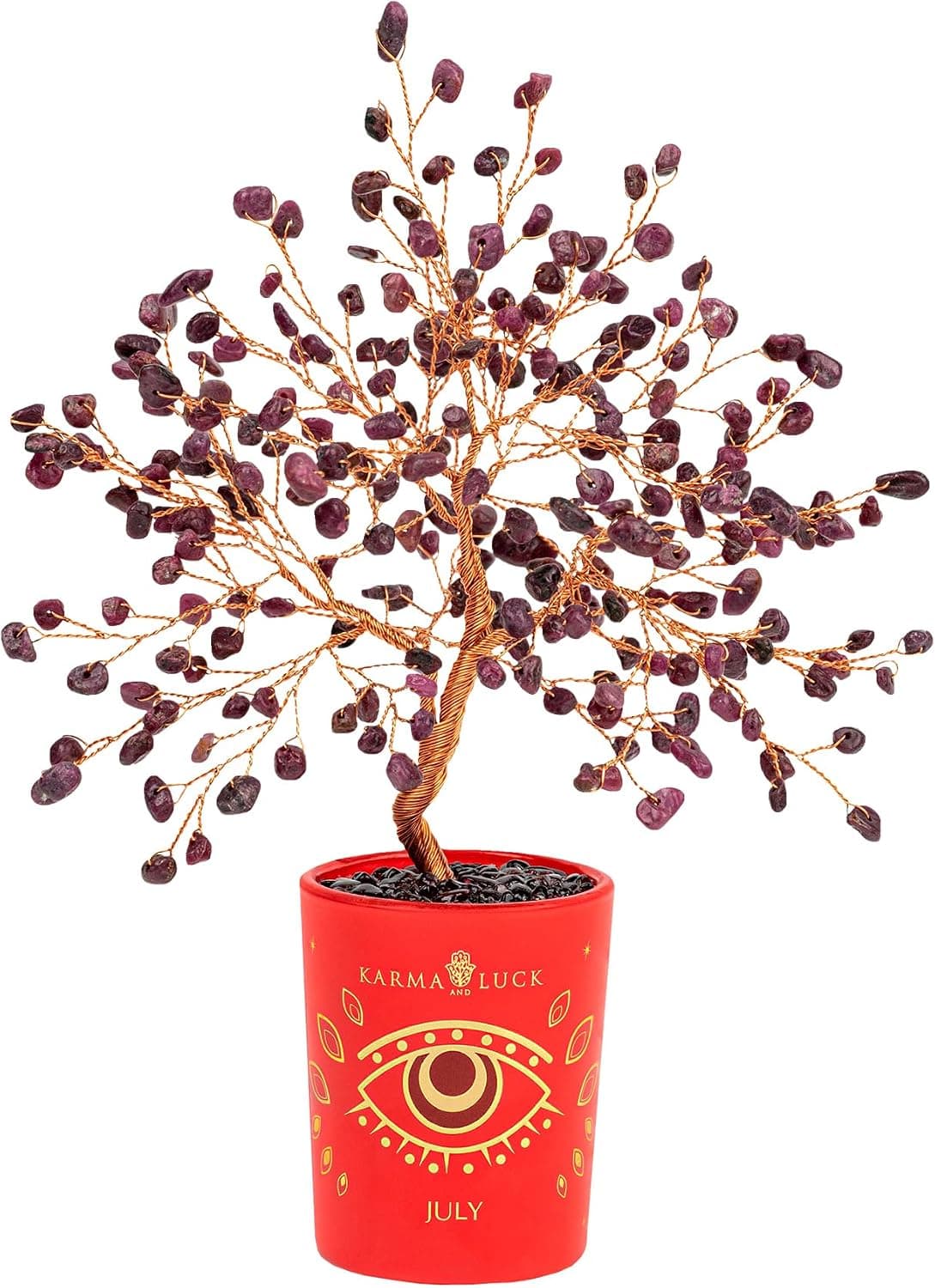 -29%
-29%Karma and Luck July Birthstone Crystal Tree of Life, Ruby Gemstone Feng Shui ...
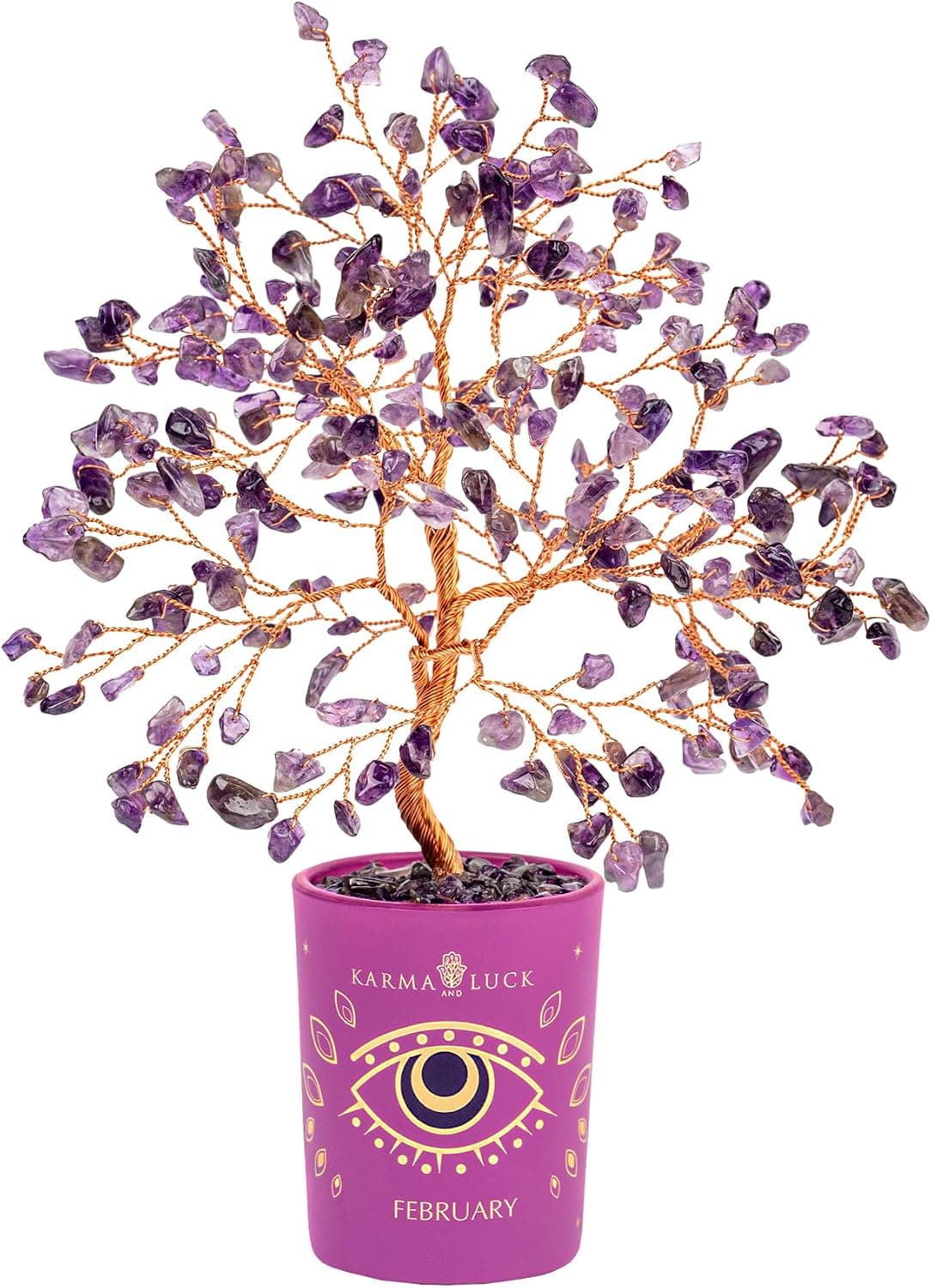 -29%
-29%Karma and Luck February Birthstone Crystal Tree of Life, Amethyst Gemstone Fe...
As an Amazon Associate, we earn from qualifying purchases. We only recommend items our practitioners have personally tested.
Continue Your Journey
Explore these related guides to deepen your understanding:

The I Ching Doesn't Answer Lazy Questions — Here's What to Ask Instead
8 min readConfucian Commentary Turns the I Ching Into a Moral Floor Plan
9 min readBroken Lines, Solid Lines, and the Real Yin-Yang Logic of the I Ching
11 min readThe Wilhelm I Ching Feels Deep Because It Slows Your Reading
11 min readReady for Deeper Guidance?
Try our free I Ching reading for personalized wisdom, or explore our curated Feng Shui essentials.