That auspicious creature can help—or quietly backfire—if you place it by habit instead of intention.
When the office shelf looks “protected” but the whole room feels stuck
I once walked into a small home office in Oakland where everything looked carefully arranged: a brass dragon turtle on a glossy black shelf, a red desk lamp, a stack of unopened invoices, and a window that faced a blank wall six feet away. The owner, a retired architect named Daniel, told me he had bought the cure because “it’s supposed to bring support.” Yet he was sleeping badly, his work calls felt heavy, and the room had the kind of stillness that is not peaceful at all. That is the kind of moment that teaches you something real: symbolic objects do not work by reputation alone.
The Inner Truth principle applies here better than most people expect. A cure that matches the room’s actual need will feel steady and quiet; a cure that is merely decorative can turn into another item the eye ignores. The feng shui dragon turtle meaning placement question is really about function first, symbolism second. If you treat it like a lucky mascot, you miss the point. If you place it to support a specific intention, it becomes part of the room’s structure.
And yes, people love to place it “where it looks impressive.” That is the mistake. The dragon turtle is not a random ornament, and it is not a universal fix for every problem in the house.
What the dragon turtle is doing, energetically
The dragon turtle combines two classical qualities: the dragon’s rising, activating force and the turtle’s protective, enduring nature. In plain language, that means it is often used when a person needs backing, stability, reputation support, or a calmer sense that life is not pushing them over a cliff. It can be especially useful when you are trying to hold a position, preserve gains, or steady a home that feels exposed. That makes it different from objects used for pure momentum.
In feng shui dragon turtle meaning placement, the important idea is not superstition; it is relationship. The object should be aligned with what it is trying to hold or support. That usually means the dragon turtle “looks” toward what you want to strengthen, or it is positioned in a place where it can symbolically back the person or room in a grounded way. In some homes, that is a desk. In others, it is a living room shelf near the main gathering area. The setting matters more than people want to admit.
I have seen homeowners assume the cure must sit in the wealth corner because every online list says so. Sometimes that works. Sometimes it does nothing. Sometimes it is the wrong conversation entirely.
Think of the object as a guard at a doorway, not a spotlight on a stage. A guard has a job. It does not need applause.
How to place it so it actually makes sense
Start by deciding what you want the dragon turtle to support. If the issue is career pressure, put it where work energy gathers: a home office, a desk credenza, or a shelf behind you if the room allows it. If you need backing from authority or want to feel less vulnerable in a shared household, place it in a stable, visible zone of the home where it can “anchor” the space without becoming clutter. If you are using it for general protection, a clean shelf in the living room can work better than a hidden corner. Placement should feel deliberate, not magical-by-accident.
Direction is worth respecting, but not obsessing over. Many readers get trapped by the idea that one perfect direction will save them from every awkward outcome. That is not how lived spaces behave. The object should not point into a wall, a trash bin, or a bathroom door if you can avoid it. It should face an open, orderly area or the source of the intention, such as a desk, entry, or room center. If it is on a shelf, keep it at a respectful height and make sure the surrounding area is tidy. A dragon turtle in clutter is like a bodyguard standing ankle-deep in laundry.
One practical detail that many people miss: the material changes the feeling. Brass feels more assertive. Ceramic feels calmer. Resin can work visually, but it often carries less presence. I am not saying you must buy a precious object. I am saying the form should match the job. A heavy-looking piece tends to support steadiness; a small, flimsy piece tends to disappear into the room. And if you cannot stop glancing at it because it looks out of place, the placement is already wrong.
In a bedroom, I would usually be cautious. That is not the main home for an active symbolic creature, especially if the room already runs hot with red bedding, bright lamps, or too much glass and metal. In a dining room or office, the dragon turtle can feel more natural. In a bedroom, it can sometimes create more alertness than support. That surprises people, because they assume “good” objects are always good everywhere. They are not.
Three placement principles I use in real homes
First, place it where the room needs backing, not where you have leftover space. Leftover space invites accidental placement. Support requires intention. If your desk chair faces the wall and your shoulders tighten every time you sit down, the dragon turtle may belong behind you, not off in a corner collecting dust. If your front room feels socially exposed, it may belong on a solid sideboard where it subtly strengthens the sense of shelter and order.
Second, keep the area around it calm. Not empty, just calm. One plant, one lamp, one framed image is often enough. Too many objects and the eye can no longer register the symbol clearly. In one home in Portland, I saw a green dragon turtle buried between a Bluetooth speaker, a stack of art books, and a half-burned candle. The homeowner complained that “nothing changed after six weeks.” Of course nothing changed. The cure was doing the energetic equivalent of shouting in a crowded bar.
Third, use the object consistently. If you move it every three days because you read a new tip online, it never gets the chance to settle into the room’s pattern. Consistency matters more than perfection. That is true in feng shui and in life. If you want a deeper framework for understanding steadiness versus movement, the language of Keeping Still explains why pauses and stable positions can be more powerful than constant adjustments.
The placement conversation also becomes clearer when you think in terms of form and flow. If a room needs movement, the dragon turtle should not block the path. If a room needs containment, it should not be stranded in a visually chaotic zone. This is why I tell people to stand in the room for thirty seconds before deciding anything. Your body knows when a piece belongs. Your mind just wants a rule.
What not to do, and why it backfires
The first mistake is treating it like a cure for every issue. It is not. If your house has poor lighting, broken furniture, or an entry jammed with shoes, the dragon turtle cannot carry all of that alone. It can support, but it cannot substitute for basic order. That is one reason many “lucky object” purchases disappoint people.
The second mistake is buying one because you feel behind. I say that carefully, because I have seen this pattern often: someone is worried about job security, money, or family strain, so they rush to buy a symbolic object before they have decided where it belongs. The result is usually a room that feels even more crowded. Before adding a cure, look at the underlying pattern. Sometimes the room needs a structural change more than a symbol. If you want a deeper reading of change after pressure, Revolution offers a better lens than blind accumulation.
One more thing: do not place it near obvious drains of attention, like a bathroom door, a pile of paperwork you dread, or a shelf crammed with unrelated trinkets. It is better to give the object a job than to let it sit in confusion. Confused placement produces confused results.
How I would place one in a real home
Imagine a family room with warm beige walls, a walnut sideboard, and a blue-gray sofa facing a television. The left side of the sideboard is clear except for a small lamp and a framed black-and-white photo. That would be a strong candidate for a dragon turtle if the household wanted more protection and steadiness without adding visual noise. I would likely place the piece so it faces into the room, not into a corner, and I would keep the surface around it uncluttered. If the room also had a front door nearby, I would watch the traffic flow carefully so the object did not end up competing with the entry instead of supporting it.
Now compare that with a bedroom in pale lavender, with mirrored closet doors and a tall pile of books on the dresser. That is a different story. There, I would be cautious about adding an active symbolic figure at all. A dragon turtle might be too much movement for a room that should lean toward rest. In that situation, it may be smarter to simplify first and then reassess. If you are curious about how subtle influence works in a quieter setting, Gentle Wind is a useful companion idea.
And if you are wondering whether this is too subjective, that is fair. Good placement always involves the room in front of you, not just the object in your hand. That is the part people skip.
FAQ
Should the dragon turtle face the door?
Not automatically. If the room is acting like a protective chamber, facing the open room can make more sense than pointing it straight at the entry. The key is whether it is supporting the space or awkwardly staring at a traffic lane.
Can I put it in the wealth corner?
Sometimes, but only if the room actually needs that kind of support and the area is clean and active. A neglected corner does not become auspicious just because a symbol is placed there. The condition of the spot matters as much as the symbol itself.
Is one dragon turtle enough?
Usually, yes. More is not better here. One clear placement beats three scattered objects that no longer feel intentional.
What if it feels wrong after I place it?
Trust that reaction. A room gives feedback fast, and that feedback is often more honest than an online checklist. If the object feels heavy, intrusive, or silly in the spot you chose, move it and observe again for a few days.
The deeper issue behind feng shui dragon turtle meaning placement is rarely the object itself. It is whether the room can actually hold the story you want it to tell. If the room is restless, support must be placed with discipline. If the room is weak, support must be simple. And if you are still unsure where to begin, starting with the first reading can sharpen your sense of timing before you make another move.
David Liu
Traditionally informed guidance • Cross-referenced with classical Chinese source texts
Interpretations cross-referenced with the Zhouyi (周易) and Wilhelm/Baynes translation.
Practitioner-Selected Tools for This Topic
Items our team has tested and found effective for the principles discussed above. Individual results may vary.
 -20%
-20%Aquarius 12 Zodiac Challenge Coin - Twelve Constellations Aquarius Protective...
 -29%
-29%Karma and Luck March Birthstone Crystal Tree of Life, Aquamarine Gemstone Fen...
 -29%
-29%Karma and Luck July Birthstone Crystal Tree of Life, Ruby Gemstone Feng Shui ...
 -29%
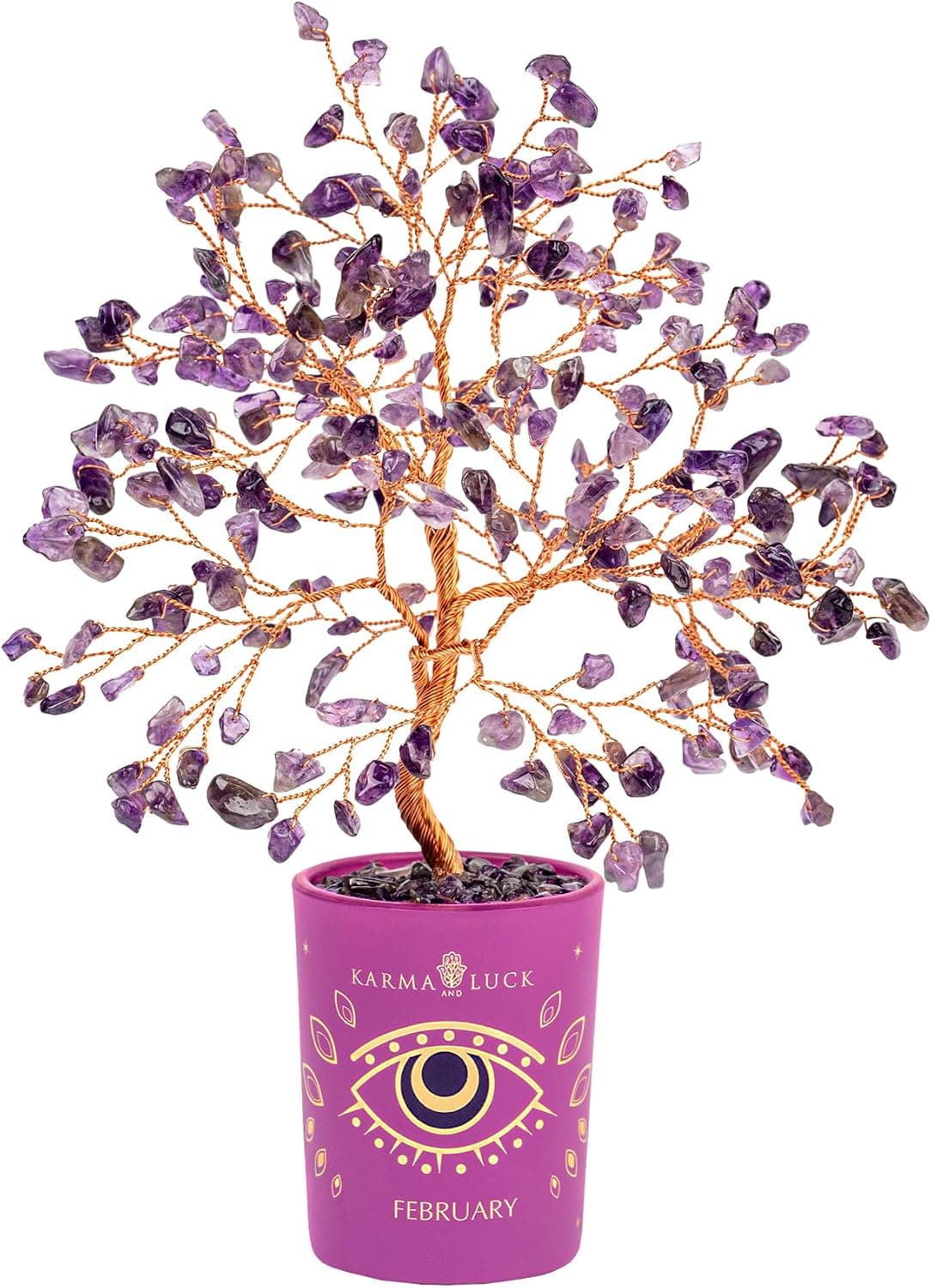
-29%Karma and Luck February Birthstone Crystal Tree of Life, Amethyst Gemstone Fe...
As an Amazon Associate, we earn from qualifying purchases. We only recommend items our practitioners have personally tested.
Continue Your Journey
Explore these related guides to deepen your understanding:

The I Ching Doesn't Answer Lazy Questions — Here's What to Ask Instead
8 min readConfucian Commentary Turns the I Ching Into a Moral Floor Plan
9 min readBroken Lines, Solid Lines, and the Real Yin-Yang Logic of the I Ching
11 min readThe Wilhelm I Ching Feels Deep Because It Slows Your Reading
11 min readReady for Deeper Guidance?
Try our free I Ching reading for personalized wisdom, or explore our curated Feng Shui essentials.