A crystal ball can calm a room—or scatter it—depending on where you put it.
The problem starts when the room looks beautiful but feels loud
I’ve walked into bedrooms with silk bedding, soft lamps, and a perfect color palette, yet the air still felt restless. One small glass sphere on a dresser was doing more damage than the expensive curtains ever fixed. People blame stress, caffeine, and bad luck. Sometimes the real issue is simpler: the crystal ball is catching and throwing light in the wrong part of the room.
That is where a feng shui crystal ball placement guide becomes useful, not as decoration advice, but as a way to read how light, movement, and attention behave together. A crystal ball is not neutral. It slows, bends, and distributes energy. Put it in the wrong spot and it can stimulate a room that needed settling. Put it in the right one and it works like a quiet mediator.
Most beginners assume the sphere should go wherever it looks elegant. That is a mistake. Beauty matters, but flow matters more. A crystal ball near a sharp corner, a rushed hallway, or a window that already floods a space with glare can amplify agitation instead of softening it.
I saw this in a navy-painted guest room above a garage in Portland. The homeowner, a retired nurse named Ellen, had hung a 30-millimeter faceted crystal ball from a brass chain beside a west-facing window. By 3 p.m., the whole room flashed with scattered rainbows across the white duvet and mirrored closet doors. She thought it felt cheerful. Her granddaughter, who slept there twice a week, started waking at 2 a.m. and refusing the room altogether. We moved the sphere three feet inward, lowered it slightly, and placed it where it could catch gentle morning light instead of harsh afternoon beam. Within a week, the room stopped feeling “sparkly” and started feeling calm.
If you want a deeper reading on how energy changes after a space is stabilized, pair this work with hexagram 61 and inner truth. The point is not to force a room. The point is to make the room honest.
What a crystal ball is actually doing
A crystal ball gathers incoming qi, refracts it, and releases it in multiple directions. That is why it is used to soften poison arrows, empty corners, and abrupt transitions. It does not “create luck” by itself. It changes the quality of movement in the area around it.
Think of it as a lens with responsibility. In a quiet zone, it can gently activate a stagnant pocket. In an already busy zone, it can make the space too lively. That is why placement beats size. A small, well-situated sphere often works better than a large decorative one sitting in the wrong current.
The best placements are usually where the room needs mediation rather than stimulation. A hallway that cuts harshly into a doorway. A corner that feels dead and heavy. A desk facing a wall where the worker feels mentally stuck. A sphere in these places does real work because it interrupts a rigid pattern.
By contrast, placing one directly above the bed, in front of a mirror, or where sun hits it all day can create constant visual motion. That is not soothing. People sometimes call that “good energy” because it looks pretty. It is usually just over-activation.
For a related perspective on stillness before action, see hexagram 52 and keeping still. It explains why restraint is often the better cure than more movement.
How to place it so it actually helps
Start by standing in the room and noticing where your eyes keep going. The place that nags at you is often the place that needs adjustment. If the crystal ball is meant to redirect energy, it should sit where the flow is choppy, not where the room is already peaceful.
In a bedroom, I usually look for side positions rather than center positions. A sphere on a bedside table can be fine if the room is large, the lighting is soft, and the crystal is not directly reflecting onto the pillow. If the bedroom is small, keep it farther from the head of the bed and avoid hanging it where it moves in drafts. Motion belongs in moderation.
In a living room, the crystal ball can be used near a sharp architectural corner, a long sightline into a corridor, or an area that feels visually unfinished. One of the best placements I’ve seen was in a pale green family room in Santa Fe, where a faceted sphere hung near the edge of a tall bookshelf that faced the front door. The room had felt thin, like everyone entered and immediately scattered. After the sphere went up, the space felt held together without becoming heavy.
Light quality matters more than most people admit. Morning light is usually kinder than late-day glare. Soft natural light gives the sphere a quiet pulse; direct sun can turn it into a showpiece. If you want the object to support the room, let it work as an accent, not a spotlight.
If the placement is for a work area, keep the ball in the line of sight but not directly above the monitor. That way it supports clarity without becoming a distraction. I’ve seen designers and teachers do well with a sphere placed slightly off to the left or right, where it seems to “open” a thought instead of interrupting it.
When you need movement after a long period of stuckness, compare the feeling with hexagram 57 and gentle wind. The lesson is subtle but important: soft influence lasts longer than dramatic intervention.
Small adjustments beat dramatic rituals
Do not chase a perfect ritual. The sphere does not need incense, chanting, or a full-room rearrangement to be useful. It needs a sensible relationship to the room’s existing movement. That is the part many people miss. They want a dramatic cure. The space usually needs a cleaner one.
If the room feels too active, reduce the amount of refraction. Move the crystal ball away from mirrors, shiny metals, and windows that already flood the room with movement. If the room feels sluggish, bring it closer to a natural light source or a visual dead zone that needs life. The adjustment can be inches, not feet.
Size matters less than people think. A modest 20- to 40-millimeter sphere may be enough for a shelf, desk, or side table. Larger balls belong in larger rooms and only when the energy can handle it. A big crystal in a cramped room can feel like a loud voice in a library.
Clean it regularly. Dust dulls the refraction and makes the object feel abandoned. I tell clients to wipe it with a soft cloth whenever they notice it no longer catches light cleanly. That simple habit often restores more effect than buying a new crystal.
And if you’re working with a whole-home adjustment, use the sphere in conversation with the room rather than as a stand-alone fix. The placement should make sense next to the bed, the desk, the doorway, the window, and the objects already there. That is the actual method behind a solid feng shui crystal ball placement guide: observe, place, test, and refine.
Two mistakes I see constantly
The first mistake is hanging the crystal ball in front of a mirror because the reflections look impressive. They do look impressive. They also multiply movement. If a room is already unsettled, that extra visual noise can make sleep, focus, and conversation worse.
The second mistake is treating the crystal like a cure-all and ignoring the room’s structure. If a bed faces a corridor, if a desk is pushed into a harsh corner, or if a chair is pinned under an aggressive beam, the ball can only do so much. Use it to support the layout, not to excuse it.
For a fuller look at correcting strong incoming pressure, hexagram 43 and breakthrough is worth studying. Some rooms need a decisive shift, not another ornament.
FAQ
Can I put a crystal ball in the bedroom? Yes, but keep it calm and intentional. A small sphere on a dresser or shelf can soften the room, while one directly over the bed or in a bright reflection zone can make sleep harder instead of easier.
Does the crystal need sunlight? Not always. A little natural light helps, but direct harsh sun can overstimulate the space. Soft daylight is usually the better choice because it lets the sphere work without turning the room into a light show.
What if the room already feels good? Then you may not need one at all. A crystal ball should solve a pattern, not create a new visual problem. If the room already feels balanced, leave it alone or use the sphere only as a very light accent.
How do I know it is in the right place? Pay attention for three to seven days. If the room feels easier to enter, easier to rest in, or less mentally sticky, you are close. If the room feels more scattered or oddly restless, move it a little and test again.
For readers just starting their practice, it can help to revisit i ching first reading basics and think of the room as something you consult, not conquer.
David Liu
Traditionally informed guidance • Cross-referenced with classical Chinese source texts
Interpretations cross-referenced with the Zhouyi (周易) and Wilhelm/Baynes translation.
Practitioner-Selected Tools for This Topic
Items our team has tested and found effective for the principles discussed above. Individual results may vary.
 -20%
-20%Aquarius 12 Zodiac Challenge Coin - Twelve Constellations Aquarius Protective...
 -29%
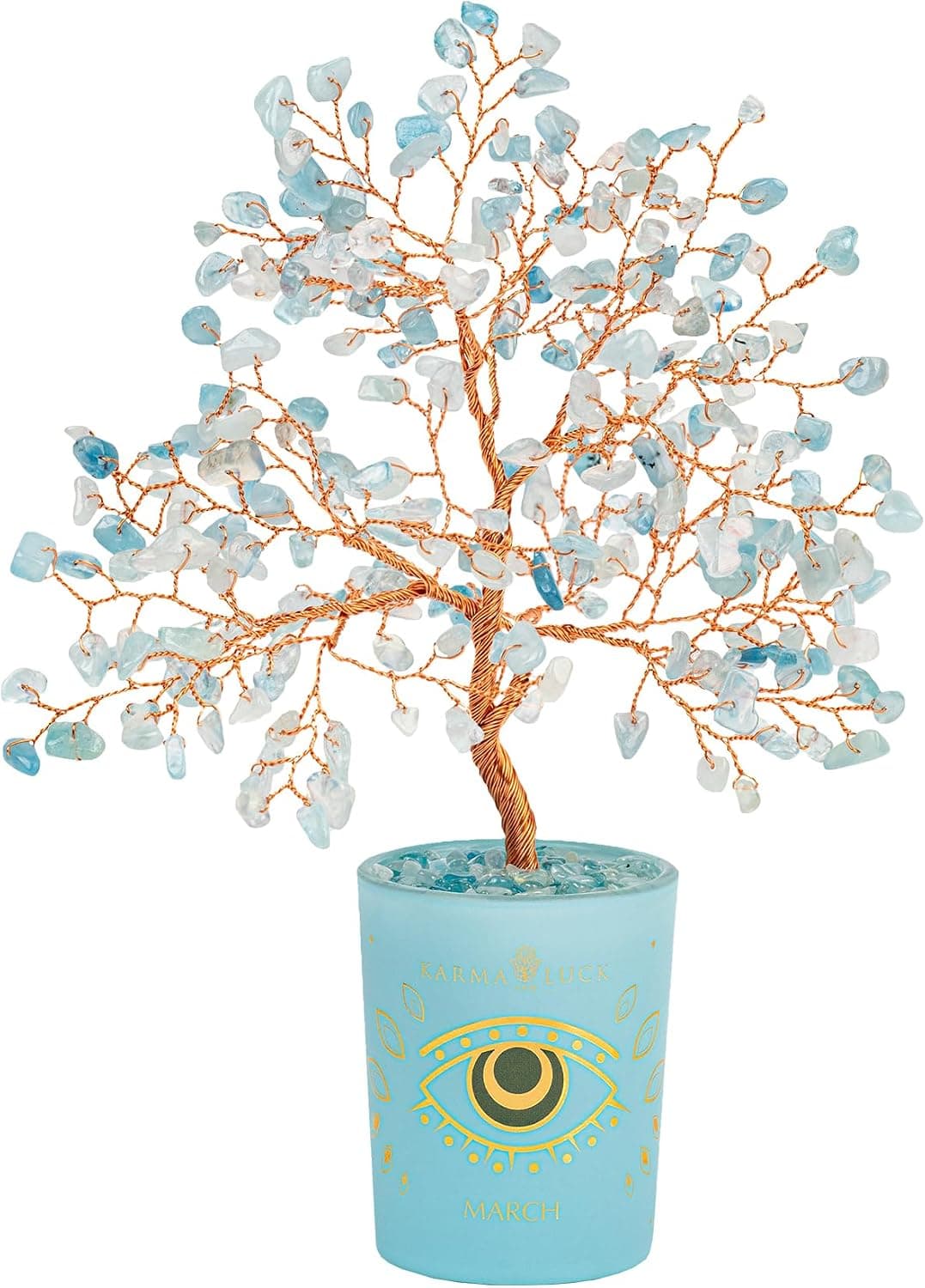
-29%Karma and Luck March Birthstone Crystal Tree of Life, Aquamarine Gemstone Fen...
 -29%
-29%Karma and Luck July Birthstone Crystal Tree of Life, Ruby Gemstone Feng Shui ...
 -29%
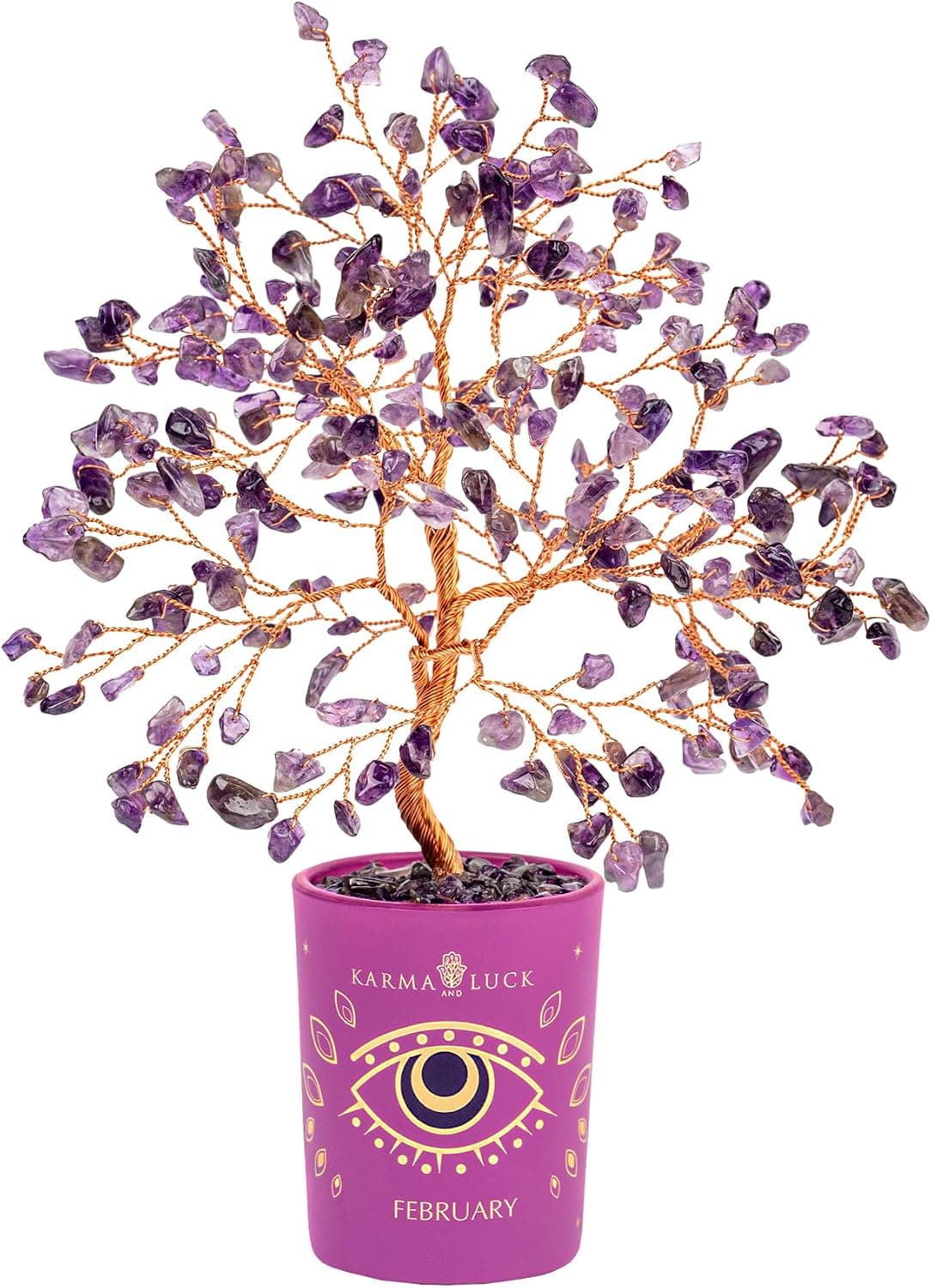
-29%Karma and Luck February Birthstone Crystal Tree of Life, Amethyst Gemstone Fe...
As an Amazon Associate, we earn from qualifying purchases. We only recommend items our practitioners have personally tested.
Continue Your Journey
Explore these related guides to deepen your understanding:

The I Ching Doesn't Answer Lazy Questions — Here's What to Ask Instead
8 min readConfucian Commentary Turns the I Ching Into a Moral Floor Plan
9 min readBroken Lines, Solid Lines, and the Real Yin-Yang Logic of the I Ching
11 min readThe Wilhelm I Ching Feels Deep Because It Slows Your Reading
11 min readReady for Deeper Guidance?
Try our free I Ching reading for personalized wisdom, or explore our curated Feng Shui essentials.