A tiny red cord can support wealth energy—or expose sloppy placement fast.
The coins look right. The results don’t.
I’ve walked into offices where three brass coins were tied neatly with red thread and still did nothing for the room. One stood on a gray filing cabinet beside a dying plant; another was taped under a computer monitor like an afterthought. Pretty cure, weak placement. That’s the part people miss.
When red string is used with intention, it is not decoration. It activates, links, and carries. The coins themselves represent stored value and steady accumulation, while the red cord adds movement and yang fire. Put them together badly and you get a symbol with no direction. Put them together well and you create a clear request: keep wealth from slipping through the cracks.
I saw this in a small counseling room in Portland. The owner, a retired nurse named Elaine, had hung one set of coins on a pale blue wall near the receipts tray. The room felt clean, but money kept arriving late and leaving fast. We moved the coins to a stronger position near the entry line, removed clutter from the floor, and gave the space a better visual anchor. Within two weeks, three overdue invoices were paid. No miracle. Just a better message to the room.
The surprising part? The coins were not the problem. The placement was.
What the cure is actually doing
Feng shui coins tied with red string work best as a symbolic reminder that resources should collect and stay. In traditional practice, the square hole in the old Chinese coins represents earth, while the round shape suggests heaven; together they speak to balance and circulation. The red cord adds activation. It wakes the object up. Without that activation, the coins may still be meaningful, but they can feel dormant.
Use that idea, not superstition. If your home already leaks attention—messy desks, open drawers, broken lamps, a front door that feels neglected—no charm can outrun the basics. I’ve seen people buy three sets of coins and ignore a front entry that squeaks, sticks, and faces a pile of shoes. The house is not confused. It is reading the louder signal.
For readers who like symbolism with structure, think of these coins as a compact wealth anchor. They can support a business desk, a cash drawer, a safe, a wealth shelf, or a quiet place in the home where you keep important papers. They are not meant to shout. They are meant to hold.
And no, they do not need to be dramatic. Bigger is not better here. Cleaner is better.
Where to place them so they actually make sense
The simplest rule is to place the coins where money, decisions, or storage already live. A home office shelf with tax folders works better than a bathroom mirror. A desk drawer near invoices is more useful than a kitchen window full of condensation. A safe, locked box, or a tidy wealth corner can all support the intention.
If you want to use them in a bedroom, do it carefully and only if the room is calm. Sleep spaces are sensitive. Too much active symbolism can make a room restless. I usually prefer to keep wealth activators out of the pillow zone and away from the bed frame. If you are working on sleep and money at the same time, compare the energy of a cure like this with simple bedside light placement before adding more objects.
For business settings, a reception desk, cashier area, or locked cabinet can be ideal. The coins should feel protected, not exposed. If they are hanging in a draft or swinging on a doorknob, they are too chaotic. If they are buried under paperclips, they are invisible. Both are poor signs.
There is also a directional piece people love to overcomplicate. You do not need to turn your home into a ritual lab. Start with a place that naturally holds value. Then make sure the area is clean, stable, and respected. The cure should sit where your behavior already supports the message.
One more thing: if you are using them in a wealth area, pair them with order. A tidy shelf beats a fancy altar. Every time.
How I set them up in real homes
I usually begin with three coins, because three is active and easy to manage. The red string should be secure but not strangling the coins into a knot that looks frantic. I want the set to look intentional, balanced, and durable. If the cord is fraying, replace it. If the coins are bent, dirty, or corroded, clean them gently or start over.
In a family kitchen in Austin, a teacher named Marco had his coins tied to a refrigerator magnet on the side of the fridge. Cute idea. Wrong result. The fridge side faced a busy hallway, and the coins were repeatedly ignored. We moved them to a closed cabinet near the household budget folder and added a small, clean red envelope beneath them. That tiny shift changed the feeling immediately. The space stopped looking like decoration and started looking like stewardship.
Placement is only half of it. The other half is your behavior. If you use the coins while still overspending, delaying bills, or avoiding financial decisions, you are asking a symbol to do the work of discipline. That is not how this tradition operates. It supports intention. It does not replace it.
If you want a stronger pairing, combine the coins with a stable wealth object rather than a noisy one. For example, a small jade piece or a citrine item can sit nearby in a calm setup, as long as the arrangement stays uncluttered. A good reference point is the steady logic behind citrine and money focus, which is very different from flashy wishful thinking.
And yes, you can absolutely overdo it. More cures do not equal more luck.
Common mistakes that weaken the effect
The first mistake is treating the coins like a dangling ornament. If they are hung in the wrong place, the object becomes decorative noise. I see this often near televisions, mirrors, and crowded shelves. The eye may catch them, but the energy has nowhere to gather.
The second mistake is using them without cleaning the surrounding space. Dust on the coins is one thing; clutter around them is worse. A wealth symbol beside old receipts, tangled cords, and a broken pen tray sends a mixed message. If you want to avoid broader placement errors, review how red cord symbolism changes with context and apply the same discipline here.
One more warning: do not place them where they get tossed, stepped over, or treated carelessly. That includes the floor, bathroom counters, and random kitchen hooks. Respect matters in symbolic work. If the object is handled like spare hardware, it loses authority fast.
Questions readers ask all the time
Should the coins face a certain direction? Not always. In many homes, the more important factor is whether the placement supports collection and stability. If you put them in a place of value and keep the surrounding area clean, you are already doing more than most people.
Can you use one set in a business and another at home? Absolutely. Just give each set a job. I prefer one clear purpose per cure, because mixed signals create weak results. Your entryway arrangement should not compete with your accounting drawer.
Do the coins need to be old Chinese coins specifically? Traditional forms carry the strongest symbolic language, but the point is not antique collecting. The point is the geometry, the grouping, and the red activation. A symbolic object works best when it is treated as meaningful, not as a cheap prop.
What if you already have a different wealth cure in the same room? Then look at the room’s balance first. Too many active symbols can crowd each other out. A fountain, a coin set, and a bright lamp all in one corner may create motion where you need calm accumulation. If the room already feels busy, compare it with the logic of moving water in a wealth setting before adding anything else.
Use the coins to support a pattern, not a wish
The best results come when the object matches the life you are trying to build. That means order, placement, maintenance, and a real financial habit behind the symbol. Feng shui coins tied with red string can be a strong little tool, but they are not a shortcut around responsibility. They point the room in the right direction.
If your desk is chaotic, clear it. If your bills are scattered, organize them. If your entry feels neglected, repair it. Then place the coins where the home already behaves like a place of value. That is when the cure stops looking hopeful and starts feeling anchored.
I trust small remedies that are used with discipline. I do not trust objects that are expected to rescue a messy pattern. The room knows the difference.
David Liu
Traditionally informed guidance • Cross-referenced with classical Chinese source texts
Interpretations cross-referenced with the Zhouyi (周易) and Wilhelm/Baynes translation.
Practitioner-Selected Tools for This Topic
Items our team has tested and found effective for the principles discussed above. Individual results may vary.
 -20%
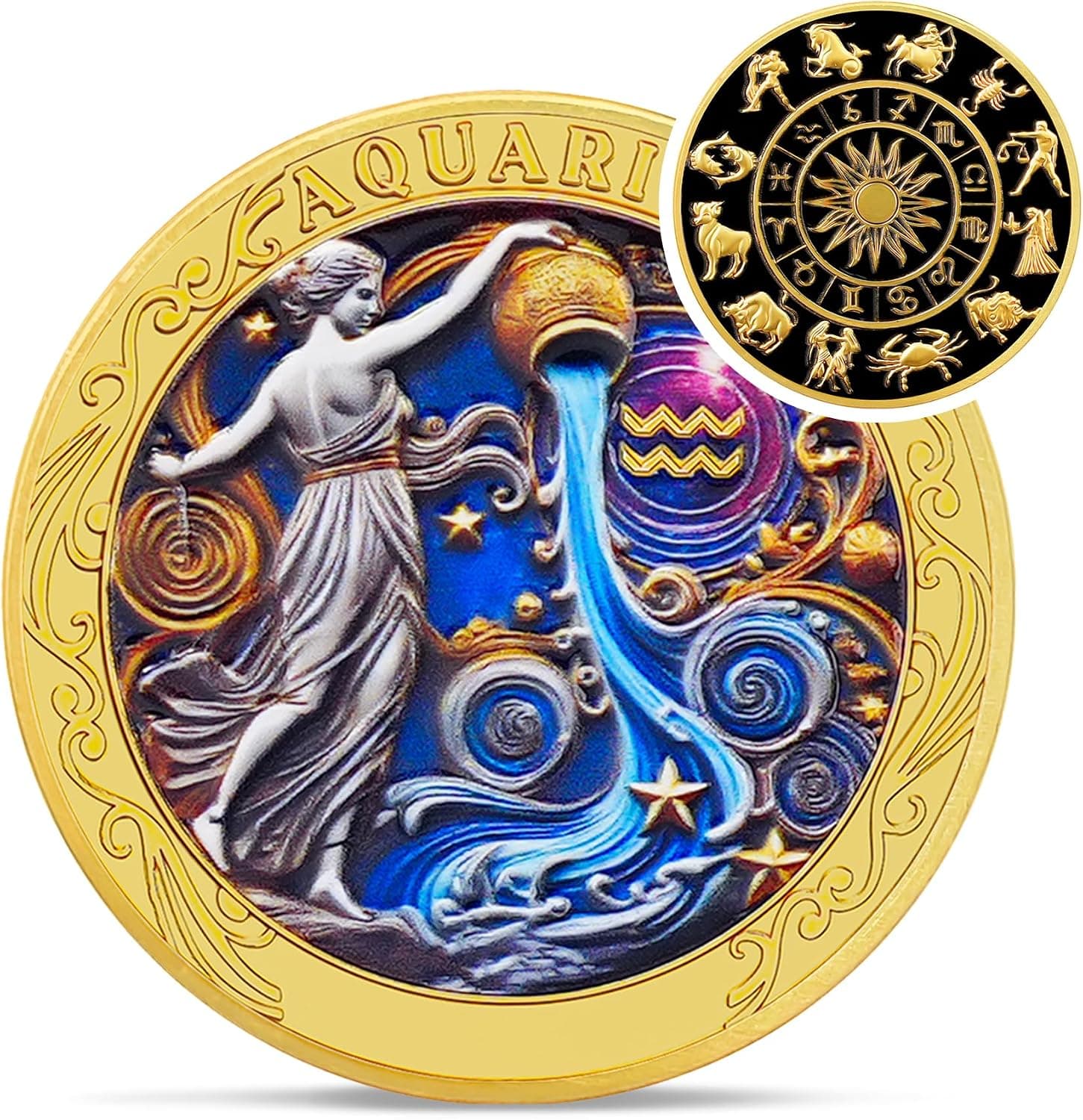
-20%Aquarius 12 Zodiac Challenge Coin - Twelve Constellations Aquarius Protective...
 -29%
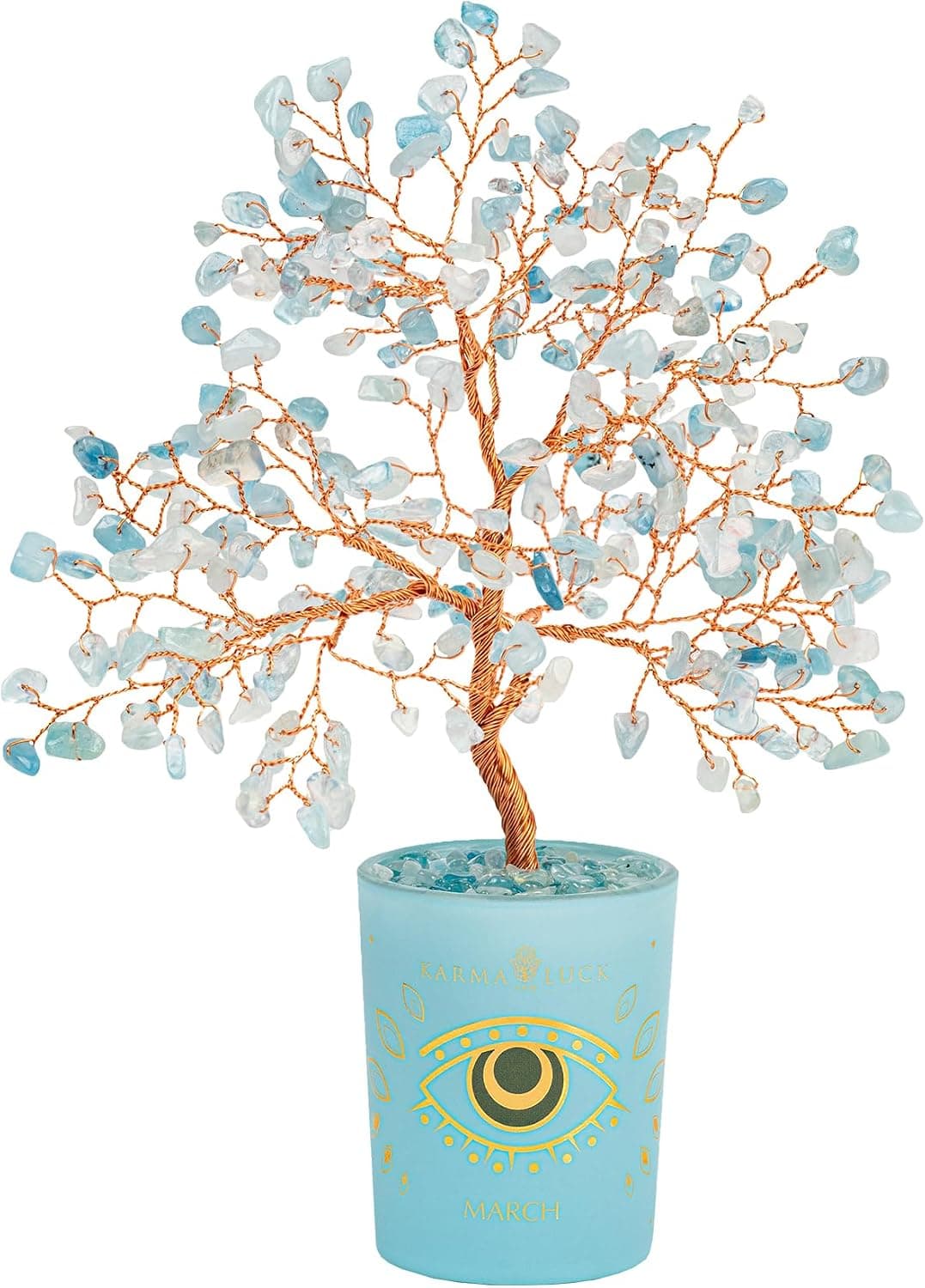
-29%Karma and Luck March Birthstone Crystal Tree of Life, Aquamarine Gemstone Fen...
 -29%
-29%Karma and Luck July Birthstone Crystal Tree of Life, Ruby Gemstone Feng Shui ...
 -29%
-29%Karma and Luck February Birthstone Crystal Tree of Life, Amethyst Gemstone Fe...
As an Amazon Associate, we earn from qualifying purchases. We only recommend items our practitioners have personally tested.
Continue Your Journey
Explore these related guides to deepen your understanding:

The I Ching Doesn't Answer Lazy Questions — Here's What to Ask Instead
8 min readConfucian Commentary Turns the I Ching Into a Moral Floor Plan
9 min readBroken Lines, Solid Lines, and the Real Yin-Yang Logic of the I Ching
11 min readThe Wilhelm I Ching Feels Deep Because It Slows Your Reading
11 min readReady for Deeper Guidance?
Try our free I Ching reading for personalized wisdom, or explore our curated Feng Shui essentials.