A citrine bracelet can sharpen money focus, but only when you stop treating it like a charm and start using it like a cue.
When the bracelet feels like a last resort
The first time I saw a citrine bracelet do real work, it was sitting beside a cracked red calculator on a landlord's desk in a narrow Queens office. He was wearing it like a charm and still complaining that every invoice felt late, every client wanted a discount, and every day ended with that flat, tired feeling you get when money is moving but not landing.
That is the real problem. People do not come to a bracelet because they want decoration; they come because they want traction, and traction is usually missing in the habit layer long before it is missing in the energetic layer.
A bracelet cannot rescue a scattered budget.
The feng shui citrine bracelet benefits people expect do show up, but only after you stop asking the stone to replace discipline. Citrine is bright, solar, and outward-facing, which makes it useful when your own money energy feels dim, hesitant, or overextended. In feng shui terms, that kind of support is not about superstition. It is about creating a visible cue that keeps wealth, confidence, and decision-making in the same line.
I've seen this most clearly in a teacher's apartment in Portland. Her dining table had become a second office, covered with pale blue folders, a chipped mug, and three unopened envelopes from her credit card company. She started wearing a citrine bracelet after lunch, not because she believed the beads would pay her bills, but because she wanted a clean reminder to answer the awkward emails, stop impulse spending on delivery, and actually look at the numbers. Within two weeks the room itself changed: the envelopes were opened, the table cleared, and the bracelet had become part of a larger pattern of attention rather than a magical object floating in isolation.
The point is not that citrine works by drama. It works by contact, repetition, and visibility. When something sits against your skin and keeps showing up in the same conversations, it becomes a kind of private training tool, and that is why the most useful readings are often about your inner state rather than a lucky object. The same lesson shows up in Hexagram 61 and its emphasis on inner sincerity, where the surface action only matters if the heart is aligned underneath it.
That is why I tell people to stop treating the stone like a wish and start treating it like a signal. If you want the bracelet to mean something, it has to be attached to a real financial habit, a real decision, or a real area of your life that has been leaking attention.
How to work with it without making it childish
Choose a bracelet that looks and feels honest. Some citrine is pale and smoky, some is a bright lemon color, and some of what gets sold as citrine is actually heat-treated amethyst; the point is not to chase a laboratory romance, but to pick a piece you will actually wear with confidence. If the bracelet feels flimsy, tacky, or too loud for your daily life, it will not stay on your wrist long enough to matter.
Wear it when you need steady financial awareness, not only when you want a quick win. I like it best on the wrist that matches the direction you need most: if you are trying to receive opportunities, money, and support, the left side often makes more sense; if you need to project confidence in meetings or negotiations, the right side can be the better fit. This is not a law carved into stone. It is a practical choice based on what your day actually asks of you.
Before you put it on, set one concrete intention. Not "more abundance." That phrase is too vague to anchor anything. Say instead: "I will follow up on the proposal by 3 p.m." or "I will stop avoiding my accountant." The clearer the intention, the less the bracelet becomes a costume and the more it becomes a cue for behavior.
Keep the rest of your space aligned with that cue. A citrine bracelet on a wrist next to a cluttered nightstand, a drawer full of unopened statements, and a wallet stuffed with old receipts is like lighting incense in a storage unit. The object can still be beautiful, but the environment is speaking louder. This is where Hexagram 57's slow, penetrating movement is a useful model: small consistent pressure changes the field better than dramatic gestures.
Use it in the moments that matter. That might mean wearing it on the morning you send invoices, during a salary negotiation, while you sit down with your budget app, or at the desk where you pay bills you have been trying not to see. A chef I worked with kept hers on only during supplier calls and bookkeeping on Sundays, and that was enough to change the tone of the whole ritual. The bracelet did not turn her into a different person. It made her less likely to drift away from the person she already knew she had to be.
One of the less obvious feng shui citrine bracelet benefits is that it trains you to notice hesitation. If your hand keeps reaching for the bracelet before a hard email, a pricing conversation, or a checkbook review, that tells you where your energy is leaking. I would rather see that kind of honest signal than a fake feeling of luck.
There is also a reason the bracelet pairs well with the body rather than only with the room. A wealth corner in the home can support a larger field, but the bracelet follows you into the kitchen, the train station, the office lobby, and the checkout line. That portability matters because money decisions do not only happen in one curated corner. They happen everywhere.
If you are trying to use it as a confidence tool, keep the rest of your presentation simple. I once watched an architect in a charcoal suit adjust a citrine bracelet before a client review in a glass-walled conference room, then make a cleaner, firmer case for a project that had been stalled for months. The stone did not give him the argument. It helped him stay inside the argument long enough to make it land.
This is also why I am not impressed by frantic stacking. One bracelet with a clear job often beats a wrist full of random symbolism. If the job is money clarity, keep the job clear. If the job is optimism, then let the bracelet support optimism. When you ask one object to solve ten unrelated problems, you create noise and call it spirituality.
Not every result looks like new income arriving overnight. Sometimes the first change is more modest: you spend less on impulse, you finally price your work correctly, you answer a message that opens a better deal, or you stop making a joke out of your own scarcity. Those are not small things. They are the places where money behavior becomes destiny.
Common mistakes that blunt the effect
The first mistake is overloading the wrist with five different crystals and calling it a plan. That usually creates noise, not focus. The second is wearing citrine while ignoring the one habit that drains your cash flow, which is why the bracelet often works best alongside bookkeeping, a cleaner desk, or a real budget review.
Another trap is expecting instant drama. Feng shui works more like weather than fireworks, and the right frame is often closer to Keeping Still than to chasing a sudden breakthrough. When you force results, you miss the pattern; when you settle into the pattern, results have room to arrive. That is the difference between a ritual and a habit dressed up as one.
Luck is a poor substitute for follow-through.
If you want a stronger model for that kind of measured pressure, Hexagram 43's emphasis on decisive action is worth reading, because the point is not to wait forever. The point is to act at the right moment with less internal noise.
Do not leave the bracelet where it gathers dust and then call it inactive. Put it where you can actually see it, wear it on days that matter, or keep it with the things you use for money work so it becomes part of a repeatable pattern. People often think the object failed when what really failed was the relationship between the object and the routine around it.
FAQ
How long before I notice anything?
Usually within a few weeks, but the first shift is often behavioral rather than dramatic. You may notice that you follow through faster, spend more carefully, or stop avoiding a financial task. If you are looking for fireworks, you may miss the quieter change that actually matters.
Should I wear it every day?
Not necessarily. Daily wear helps if you want the bracelet to act as a steady cue, but some people use it only during work hours, meetings, or money-related tasks. What matters is consistency of purpose, not proving devotion to a bead.
Can I wear citrine with other stones?
Sure, but stacking too many meanings onto one wrist can dilute the signal. If another stone already has a strong emotional or spiritual job in your routine, let citrine stay focused on money, confidence, and clear action. That simple split keeps the practice readable.
What are the feng shui citrine bracelet benefits if I already use a wealth corner?
They can reinforce the same intention from a different angle. A wealth corner works in the room; a bracelet works on the body, which means you carry the reminder into decisions, calls, and spending moments outside the home. Used together, they are more persuasive than either one alone.
David Liu
Traditionally informed guidance • Cross-referenced with classical Chinese source texts
Interpretations cross-referenced with the Zhouyi (周易) and Wilhelm/Baynes translation.
Practitioner-Selected Tools for This Topic
Items our team has tested and found effective for the principles discussed above. Individual results may vary.
 -20%
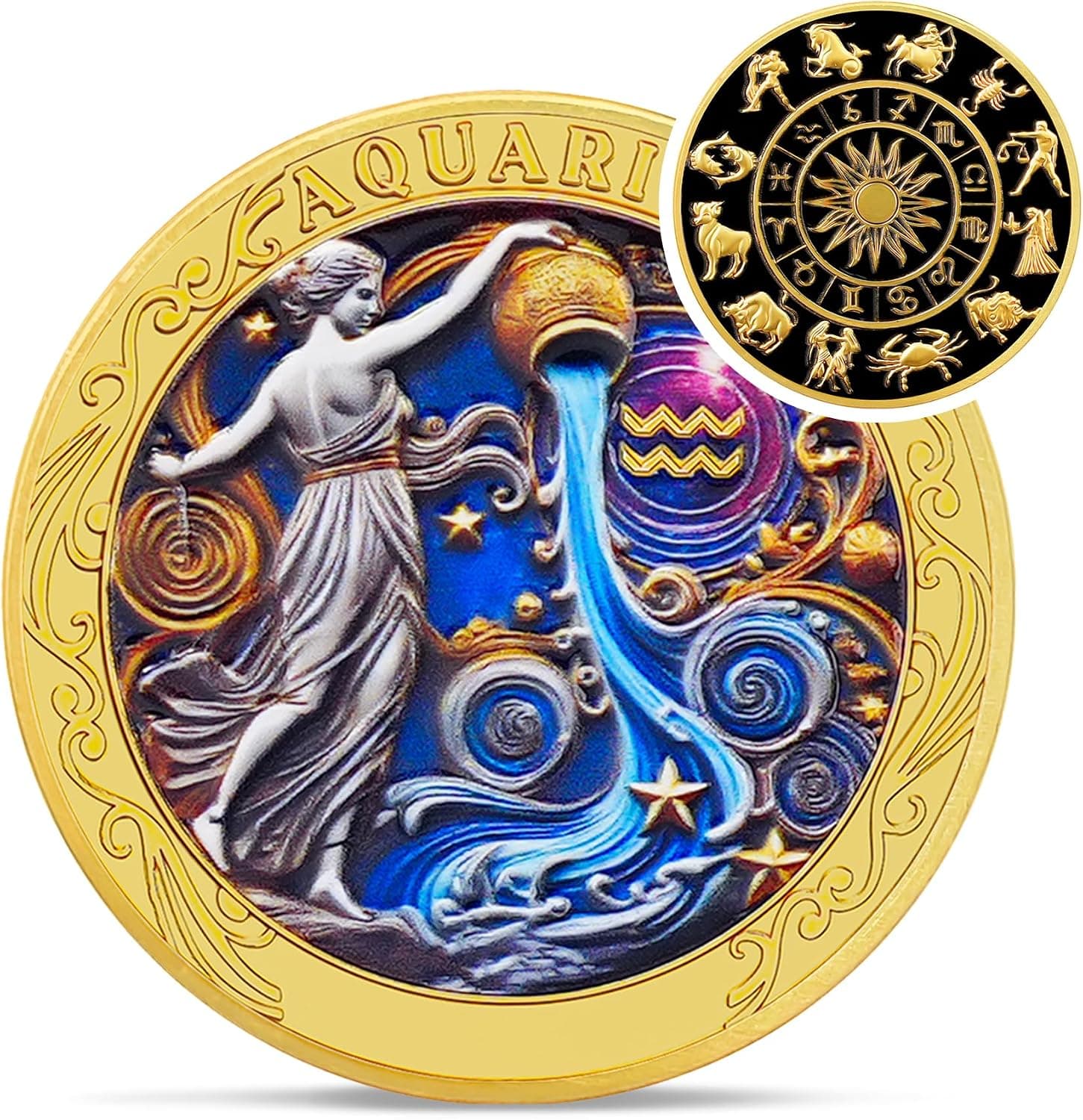
-20%Aquarius 12 Zodiac Challenge Coin - Twelve Constellations Aquarius Protective...
 -29%
-29%Karma and Luck March Birthstone Crystal Tree of Life, Aquamarine Gemstone Fen...
 -29%
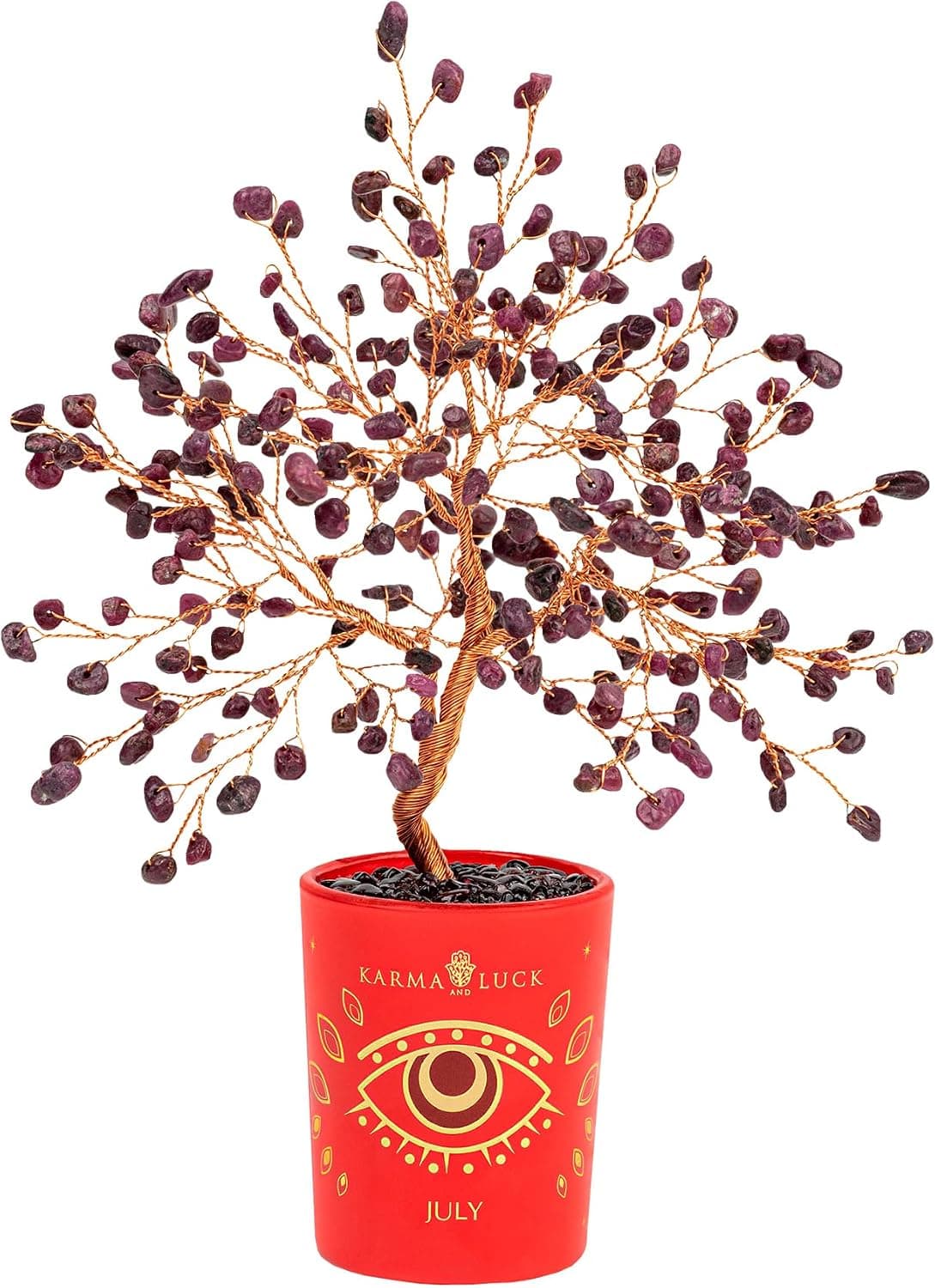
-29%Karma and Luck July Birthstone Crystal Tree of Life, Ruby Gemstone Feng Shui ...
 -29%
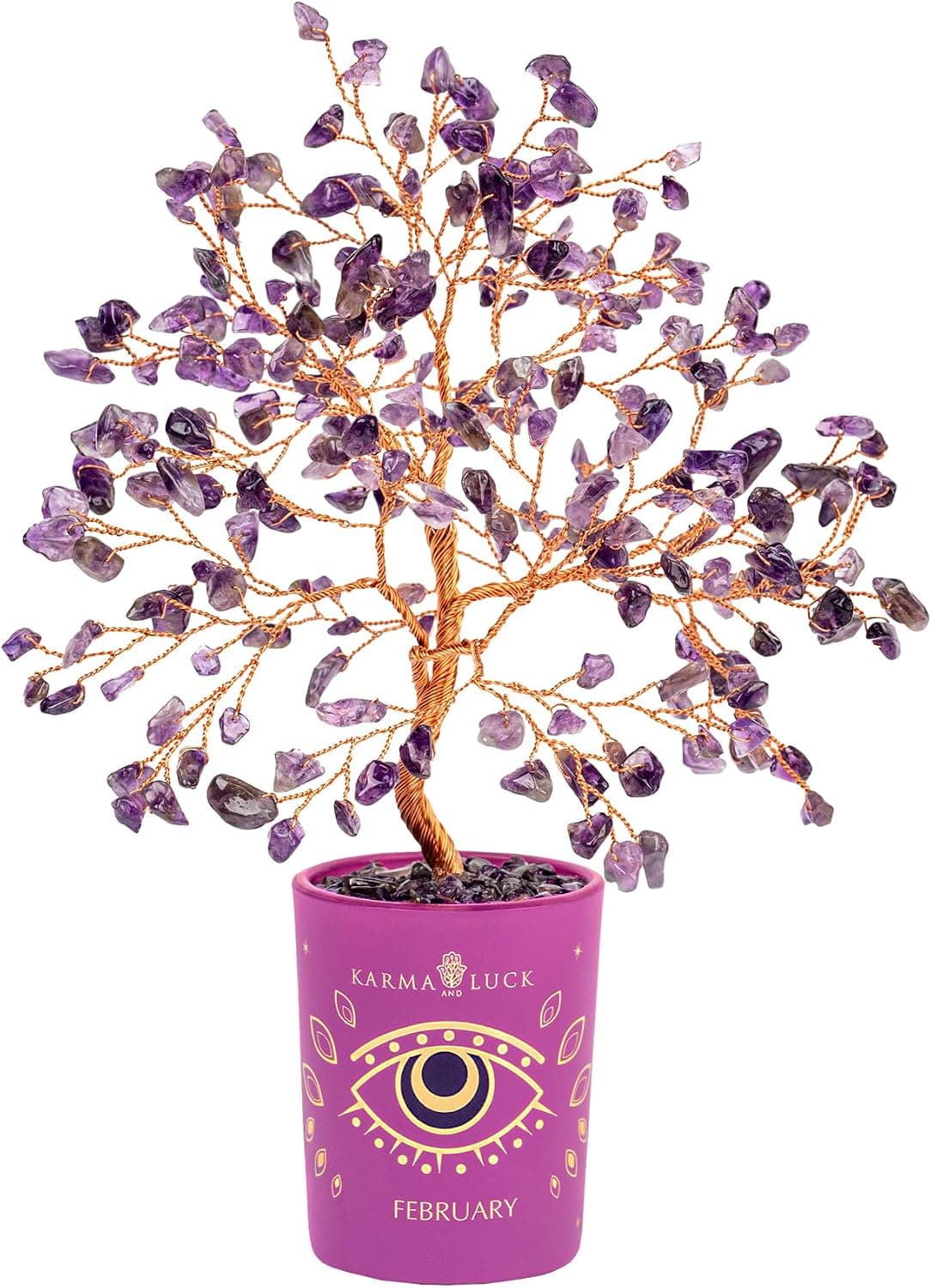
-29%Karma and Luck February Birthstone Crystal Tree of Life, Amethyst Gemstone Fe...
As an Amazon Associate, we earn from qualifying purchases. We only recommend items our practitioners have personally tested.
Continue Your Journey
Explore these related guides to deepen your understanding:

The I Ching Doesn't Answer Lazy Questions — Here's What to Ask Instead
8 min readConfucian Commentary Turns the I Ching Into a Moral Floor Plan
9 min readBroken Lines, Solid Lines, and the Real Yin-Yang Logic of the I Ching
11 min readThe Wilhelm I Ching Feels Deep Because It Slows Your Reading
11 min readReady for Deeper Guidance?
Try our free I Ching reading for personalized wisdom, or explore our curated Feng Shui essentials.