Put the beast in the wrong recess, and the room gets louder instead of calmer.
The Hidden Truth About chi lin placement guide feng shui
People fixate on the figure itself and ignore the recess around it. That is the mistake. An alcove, a niche beside a hallway, the dead pocket under a stair landing—these places alter how a protector object behaves because they collect, slow, and aim movement. I walked into a narrow entry in Portland last winter where a jade-green Chi Lin sat on a console table beside a mirror, facing the front door. The homeowner had followed every online rule she could find. Two weeks later, she was sleeping worse, snapping at her partner, and feeling oddly watched in her own foyer.
Not because the Chi Lin was "wrong." Because the wall behind it was a shallow alcove that trapped the line of sight and made the whole arrangement feel like a lookout post. The room kept checking itself.
That is where conventional advice collapses. Most explanations treat placement like a fixed map: front door here, wealth corner there, auspicious creature facing out, problem solved. Wrong. Recessed spaces bend the effect. A niche can make a protector useful, or it can make it feel like a sentry guarding nothing at all. The difference shows up in real life as hesitation at the threshold, clutter that never seems to leave, and a strange reluctance to sit in the room for long.
So yes, the object matters. The pocket it stands in matters more.
Why the Recess Does the Real Work
Chi Lin placement gets discussed as if the creature were doing all the heavy lifting. It isn't. The alcove changes the local qi by compressing depth and creating a pause point. In a wide-open entry, energy moves too freely and scatters. In a tight recess, it bunches up, which can be helpful when the space needs a guardrail and harmful when the recess already feels boxed in. That is why one foyer calms down after a single adjustment while another gets tenser with the same cure.
I saw this in a brownstone dining room with a deep wall niche painted charcoal gray. A brass Chi Lin sat inside it, angled toward a side door. The owner had hoped it would steady finances. Instead, bills kept landing unopened on the sideboard. The niche worked like a sinkhole for attention. Once we moved the piece two feet forward, out of the recess and into open sight line, the room stopped swallowing mail, and the sideboard finally stayed clear for more than a day.
What changed? The object no longer disappeared into shadow. The eye could meet it. The qi could circulate around it instead of pooling behind it.
And this is where mapping the room correctly matters. A recessed area that looks decorative on a floor plan may behave like a pocket of compression in actual use, especially when it sits opposite a doorway or at the bend of a corridor. The bagua tells you the sector; the alcove tells you the temperament.
That distinction gets missed because people love tidy rules. Face the door. Protect the entry. Keep it elevated. Fine. But if the spot behind the figure is sunken, dark, or overly narrow, the symbolism turns defensive fast. It starts to feel less like auspicious support and more like a watchtower with no horizon.
Not the same thing.
Why the Conventional Advice Persists
Traditional instructions survive because they work in simple rooms. A front hall with balanced proportions, a few inches of breathing room on each side, good light from the left, and a clean sight line to the street can handle a guardian object beautifully. People see success there and assume the rule is universal. It never was.
The problem shows up in apartments, split-level houses, and remodeled homes where recesses get created by convenience rather than design. A former coat closet becomes a display niche. A widened corridor leaves a dead pocket by the stair. A builder cuts a breakfast alcove into an otherwise linear kitchen. Those spaces look harmless. Then the family starts leaving shoes in the corner, the dog avoids the area, and the whole house develops a habit of hovering instead of landing.
Someone will always say, "Put the Chi Lin by the door and you're covered." Not even close.
Conventional advice persists because it is easier to repeat than to observe. Observation takes time. Stand in the entry for ten seconds and you can feel whether the air moves past you, presses against you, or stalls in the recess. Stand there for a minute and notice where the eyes go. Toward a bright opening? Toward the niche? Toward the mirror reflecting the figure back at itself? These small details decide whether the placement supports the room or makes it fussier.
There is another reason the formula sticks. People want protection to look impressive. A brass beast in a shadowed nook feels ceremonial. It photographs well. It sounds disciplined. But feng shui does not reward theater. It rewards function. If the recess is too deep, the object becomes hidden; if it is too shallow, it feels jammed in. Both are problems, just different ones.
How to Use an Alcove Without Letting It Take Over
Start with the recess itself, not the figurine.
First, clean the pocket until the back wall is visible and the floor line is clear. Dust and old receipts create visual drag, and in practical terms they signal a place nobody fully uses. Then ask whether the alcove wants to host emphasis or disappear. If it is at the front door, a Chi Lin can work well when set just outside the deepest shadow, with a bit of side light and enough air around it to read as intentional. If it is a hallway niche, move the object forward so the front edge is not buried. Three to six inches can make a visible difference.
Next, watch the direction. A Chi Lin aimed straight at a door feels assertive. A Chi Lin angled into the room can soften the line without turning the niche into a barricade. In a long L-shaped corridor, that subtle rotation matters. So does height. Too low, and the figure gets swallowed by furniture. Too high, and it breaks the natural eye path, which can make visitors glance up, then away, then hurry through. You want presence, not alarm.
Color matters more than most guides admit. In one guest room I worked on, a cream alcove held a dark-red ceramic Chi Lin on a shelf above a blue umbrella basket. Lovely objects. Wrong conversation. The clash made the corner feel overcharged, and the owner said she kept waking at 3:10 a.m. "for no reason." We removed the basket, placed a warm wood tray below the figure, and softened the surrounding walls with an oatmeal linen curtain. Sleep improved in four nights. The room stopped arguing with itself.
When a recess is very deep, pair the figure with light rather than more objects. One lamp. One clear surface. No crowding. If the alcove already feels compressed, do not add mirrors unless you want to multiply the visual pressure. Mirrors can open a pocket or make it twitchy. I have seen both. The wrong reflection turns a guardian into a messenger that never rests.
And if the niche is under a stair? Be careful. That geometry carries weight. It can support storage, yes, but a ceremonial placement there often feels like a helmet hanging in a crawlspace. Not elegant. Not balanced. Wrong room, wrong job.
When the Chi Lin Belongs in the Alcove — and When It Doesn't
Use the recess when the room needs containment, orientation, or a clear threshold.
A front alcove can steady a restless entry if the rest of the home is open-plan and sound travels too easily. A shallow wall niche near the main door can help define where outside ends and home begins. That is useful in apartments where the entrance spills directly into the living area and nobody knows where to set their keys without dropping them on the couch.
Use caution when the alcove is already a visual sink. Dark paint, low ceiling, and a narrow opening can make the space feel like a mouth. In that setting, a Chi Lin often gets blamed for a problem it did not create. The real issue is the recess absorbing attention and freezing movement. The cure there may be a lighter wall color, a simpler shelf, or moving the figure out into the open by the door frame.
There is also the question of house behavior. A family with loud traffic, teenagers slamming drawers, and constant in-and-out movement may need a figure positioned where it can mark a pause rather than guard a tunnel. Quiet households can tolerate more enclosure. Busy ones need visibility. Different homes, different physics.
That is why I keep sending people back to front door layout before they buy another cure. The threshold tells you whether a recessed placement will anchor the house or turn into decoration. And if the front area is not the real issue, then the alcove may belong to storage, not symbolism.
Not everything sacred has to be centered. Not every niche deserves a guardian.
What the Old Texts Hint at, Without Saying It Plainly
Classical Chinese thought rarely talks like a home-decor manual. It speaks in patterns: opening and closing, gathering and dispersing, concealment and display. That is why the I Ching feels useful here. Hexagram language keeps pointing to timing, containment, and the quality of the boundary. A recess is a boundary made visible. Treat it badly and it becomes a blockage. Treat it well and it becomes a measured pause.
The same logic shows up in the Five Elements. A recessed space with too much shadow can feel waterlogged, even when nothing is physically wet. Add metal and it can sharpen into stiffness. Add wood and it may feel more alive, but only if there is actual room for the eye to move. This is where five elements balance explains why one alcove calms a home while another tightens it.
People often ask whether a protective figure should be "activated." In practice, activation is less mystical than most expect. It means the object can be seen, approached, and held in the mind without strain. If you have to hunt for it, bend around it, or squint into shadow, the room is already saying no. A clear view is not a luxury. It is the whole point.
I have also noticed that alcoves near bedrooms behave differently from alcoves near entries. In a sleeping area, even a refined placement can feel overwatchful. In a foyer, the same arrangement may be stabilizing. That is why a guide to bedroom flow often solves problems people think belong to the living room. The house does not separate its moods as neatly as we do.
The old texts understood that. Modern readers often skip it and go straight to the object.
Quick Start for Real Homes
Before you place anything, stand in the alcove and notice whether your shoulders relax or tighten. That response is data. If the space feels like a pause, a Chi Lin can live there. If it feels like a trap, fix the recess first.
Keep the figure visible from the most common approach path. Let light reach at least one side. Leave enough room for air to circulate and for the eye to travel around the object instead of colliding with it. Three feet of breathing space beats a crowded display every time.
If you want to test the placement, leave it for three days and watch behavior, not theory. Do people slow down near the spot? Do keys land there and stay organized? Does the room feel more settled at night, or does the alcove become the place everyone avoids?
And if you are still unsure, compare it with nearby remedies. A misplaced brass creature in a niche may do less for a home than a simpler adjustment in the wealth area or entry path. That is why the broader system matters, especially when you want a sense of where money, movement, and protection intersect. See coin placements that make money feel managed, not chaotic if the real issue is scattered finances rather than threshold tension.
One more thing. People love to ask whether the figure should face in or out. Sometimes that question is useful. Sometimes it is a distraction. If the alcove is wrong, orientation won't rescue it. The space is the message.
FAQ
Is conventional chi lin placement guide feng shui advice reliable?
Sometimes, but only in rooms with enough openness to support it. A clean entry with light and depth can handle the standard setup; a cramped recess usually cannot. The alcove changes everything.
Should the Chi Lin face the front door?
That depends on the room's geometry. Facing the door can help in a broad foyer, yet in a tight niche it may feel confrontational or boxed in. I care more about the sight line than the slogan.
What if the alcove is under a stair or in a hallway?
Then treat it as a problem space first. Those areas tend to compress qi and collect visual clutter, so the figure may need to move out of the recess or share the space with less. A lamp or a cleared shelf often does more than a crowded display.
Can an alcove improve a placement?
Surprisingly, yes. A shallow niche can create a useful pause at the front door and make a home feel less exposed. The trick is to keep the opening generous enough that the object does not disappear into shadow.
How long should I test a new setup?
Give it several days and watch the home, not your hopes. Notice where people stop, what gets left behind, and whether the corner starts attracting calm or avoidance. The room will tell you quickly if you are listening.
Does this apply to apartments more than houses?
Apartments often show the effect faster because their entries are tighter and their recesses are more obvious. Still, a large house can have the same problem in a stair landing, pantry niche, or deep foyer wall. Scale changes, pattern stays.
Walk past a recessed entry at night and you can feel when it is holding something back. The question is whether it is holding the right thing.
David Liu
Traditionally informed guidance • Cross-referenced with classical Chinese source texts
Interpretations cross-referenced with the Zhouyi (周易) and Wilhelm/Baynes translation.
Practitioner-Selected Tools for This Topic
Items our team has tested and found effective for the principles discussed above. Individual results may vary.
 -20%
-20%Aquarius 12 Zodiac Challenge Coin - Twelve Constellations Aquarius Protective...
 -29%
-29%Karma and Luck March Birthstone Crystal Tree of Life, Aquamarine Gemstone Fen...
 -29%
-29%Karma and Luck July Birthstone Crystal Tree of Life, Ruby Gemstone Feng Shui ...
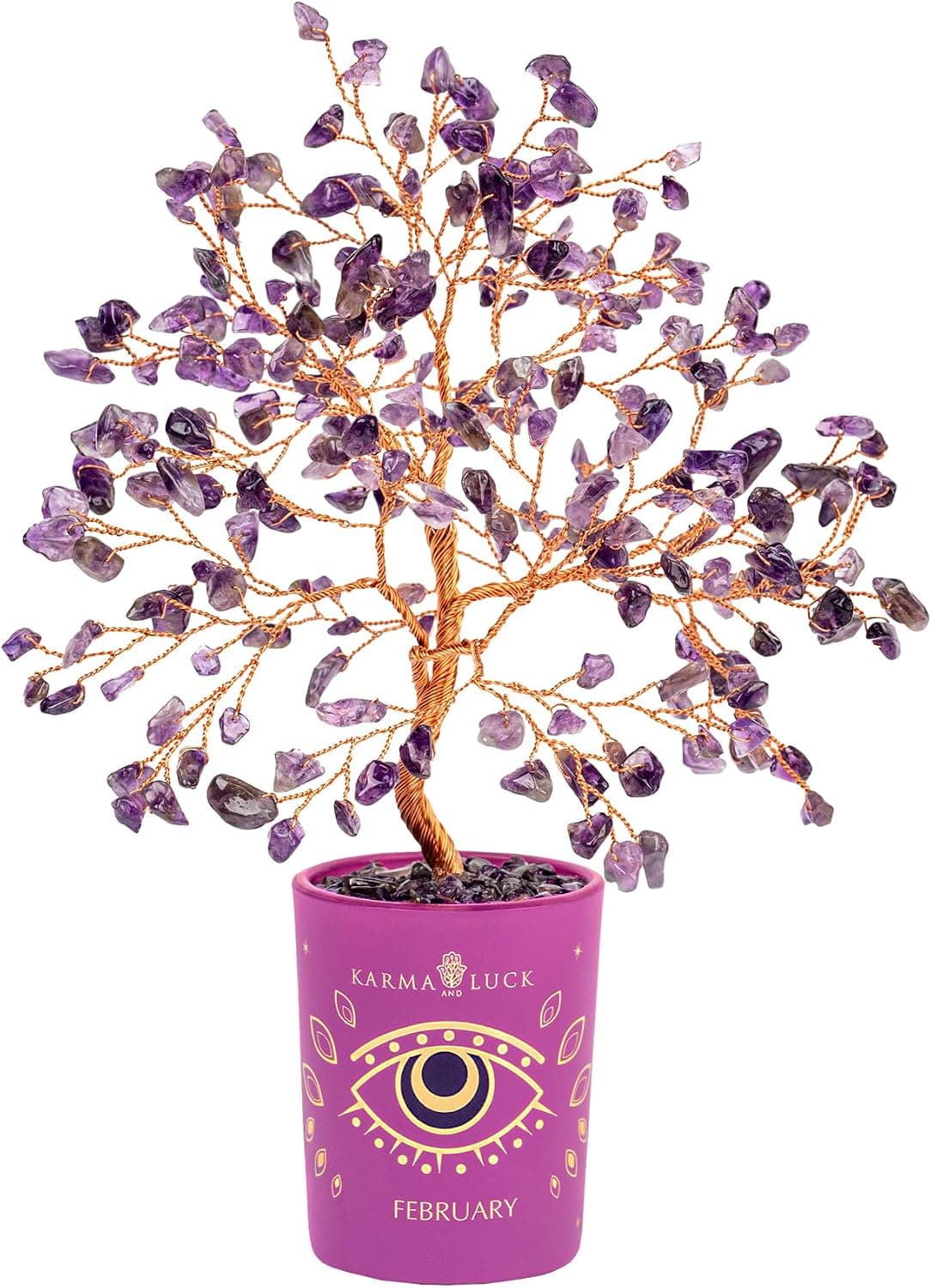 -29%
-29%Karma and Luck February Birthstone Crystal Tree of Life, Amethyst Gemstone Fe...
As an Amazon Associate, we earn from qualifying purchases. We only recommend items our practitioners have personally tested.
Continue Your Journey
Explore these related guides to deepen your understanding:

The I Ching Doesn't Answer Lazy Questions — Here's What to Ask Instead
8 min readConfucian Commentary Turns the I Ching Into a Moral Floor Plan
9 min readBroken Lines, Solid Lines, and the Real Yin-Yang Logic of the I Ching
11 min readThe Wilhelm I Ching Feels Deep Because It Slows Your Reading
11 min readReady for Deeper Guidance?
Try our free I Ching reading for personalized wisdom, or explore our curated Feng Shui essentials.