Placement changes the message of the flute. Put it in the wrong spot and you amplify tension instead of easing it.
The flute in the wrong room does the opposite of what people expect
I walked into a narrow guest bedroom in San Diego and knew the problem before I saw the bed. A red bamboo flute was tied with gold cord and hung directly above the headboard, right where the sleeper’s eyes landed every night. The room felt sharp, not calm. She told me she had been waking at 3 a.m. for weeks, and the first thing she noticed was the flute swaying slightly whenever the ceiling fan turned on.
That is the part people miss. The gentle wind quality of bamboo is not just decorative; it broadcasts movement, direction, and influence. In feng shui bamboo flute placement meaning, the object is never only an object. It signals what kind of energy you want moving through the home, and where that energy should be heard, felt, or restrained.
One sentence can save a lot of trouble: not every cure belongs in every room.
Many Western homeowners buy a bamboo flute because they were told it is auspicious, then hang it wherever a nail is convenient. That is a mistake. A flute above a bed, beside a bathroom door, or in a cluttered hallway can create more agitation than support. The placement matters because the flute is linked to sound, breath, and upward movement. It can lift a room, but it can also expose a weakness already there.
What the bamboo flute is actually doing
In practical feng shui, the bamboo flute is often used to soften heavy structural pressure, reduce a harsh overhead beam, or redirect a sense of oppressive force. The bamboo itself belongs to the Wood element. Wood grows, bends, and rises. The flute form adds a channeling function: it helps move qi rather than letting it stagnate.
That sounds simple until you look at a real room. A dark office with a low ceiling and a metal filing cabinet in the corner can feel blocked for reasons that have nothing to do with “bad vibes” in the abstract. If you place a flute there, you are telling the room to circulate. If you place it in a room that already feels restless, you may be adding motion where stillness is needed. That is why pairing the flute with the right intention matters more than hanging it for luck.
The best way to understand feng shui bamboo flute placement meaning is to ask a sharper question: what kind of pressure is this object responding to? Is the room heavy, exposed, noisy, stuck, or overly active? The answer determines whether the flute should be near the source of the problem, visible from the doorway, or kept out of the area entirely.
For readers who want a deeper symbolic frame, I often compare this to the difference between inner truth and surface decoration. A flute placed well aligns with the room’s actual condition. A flute placed badly becomes costume feng shui. That looks persuasive for a week, then the house reveals the lie.
How to place it without turning the room tense
Start by standing in the room and noticing where your eye goes first. If the first thing you see is a beam, a sharp corner, or a doorway that feels like it is “cutting” into the space, the flute may be used to soften that pressure. If you are dealing with a bedroom, place it where it can quietly neutralize the harshness without pointing directly at the pillow. In most cases, the goal is to deflect, not to aim energy at the sleeper.
I prefer bamboo flutes in places where the room needs gentle circulation: a hallway that feels heavy, a study where work has stalled, or a family area with a narrow passage and too much friction. In a small apartment in Seattle, a retired architect hung two natural bamboo flutes on the wall opposite the front door, not above it, because the entry opened straight into a long corridor. Within ten days, he said the flat felt less “sucked inward” when he came home. That is not magic. That is spatial correction.
If you are using the flute for a bedroom, keep the visual line calm. Natural bamboo or muted wood tone usually works better than glossy lacquer or bright red paint. Red has its place, but not everywhere. I have seen dozens of bedrooms where a shiny red flute made an already alert room feel even more awake. If the room is meant for rest, the object should support settling, not stimulation.
Angle also matters. A flute that points directly at the bed or desk can feel confrontational. A flute that sits beside the trouble spot, slightly offset, tends to work more quietly. Think of it as creating a side current. You are not attacking the issue. You are changing its path.
For those studying broader patterns, the calm use of this remedy belongs in the same family as keeping still. Sometimes the most effective cure is not louder energy but better containment. The flute should not shout. It should guide.
One sentence is enough here: placement is a conversation with the room.
Where the flute works best, and where it does not
The most reliable placements are those that address actual tension. A hall with a long straight shot toward a bedroom can benefit from a bamboo flute because the line is too direct. A room with an exposed beam can benefit because the flute symbolically breaks up the downward pressure. A workspace that feels blocked can benefit because bamboo suggests rise and forward movement.
But do not use the flute as a lazy fix for everything. If the issue is clutter, clean the clutter. If the issue is bad sleep because of a flashing alarm clock, move the clock. If the issue is a mirror facing the bed, deal with the mirror first. People love cures because cures feel faster than honest repair. The house usually disagrees.
This is where the meaning of the flute becomes more subtle. It is not only a lucky charm. It belongs to a pattern of adjustment, much like breakthrough energy used carefully rather than aggressively. The point is not to force a result. The point is to remove pressure so the room can do its job.
Here is a common real-world example. A nurse in Phoenix had a home office painted pale gray with a white desk, a black printer, and a bamboo flute hanging to the left of the monitor because she thought it would “help career luck.” Instead, she felt scattered. The room had no clear focus, and the flute added motion without direction. We moved it to the wall beside the doorframe, where it softened a sharp corner cutting toward her chair, and we replaced the visual clutter on the desk. Her concentration improved within a week. The flute did not create order; it supported it.
The mistakes I see most often
The first mistake is hanging the flute too high, as if height alone makes it effective. In practice, an overly high placement can make the cure feel disconnected from the problem. The second mistake is choosing a decorative flute with no relation to the room’s elements or mood. Bright lacquer, excessive tassels, and metallic accents can make the remedy louder than the issue it is trying to correct. If you want subtle strength, use a piece that feels honest to the room.
Another trap is treating the flute as a replacement for a real feng shui correction. If the room needs better sleep, better flow, or less clutter, no symbol can save it by itself. For readers who want to avoid the usual beginner errors, my advice is simple: start with the room, then choose the cure. That principle shows up again and again in a first reading of the I Ching, where the question matters as much as the answer.
If your flute is in place but the atmosphere still feels off, check whether you have accidentally made the room too active. A cure can overshoot. I have watched people place a bamboo flute near a window, add a wind chime, then wonder why the bedroom feels restless. Too many moving symbols create chatter. Sometimes silence is the better medicine.
FAQ
Can I hang a bamboo flute in the bedroom?
You can, but placement has to be calm and specific. Keep it away from the direct line of the bed, and do not make it the room’s loudest visual feature. In a sleeping space, the flute should reduce pressure, not announce itself every time you turn over.
Does the flute need to be red?
No. That belief survives because red is easy to remember, not because it is always right. Natural bamboo is often better for a room that already feels busy, while red may suit a place that needs stronger activation. Match the finish to the room’s actual condition.
What if my hallway feels too narrow and harsh?
That is one of the better uses for a bamboo flute. A long corridor can push qi too fast, and the flute can soften that sense of rush. Place it where it moderates the line, not where it becomes another object the eye has to dodge.
Is the flute linked to any specific I Ching idea?
Surprisingly, yes: its best use often resembles the quiet influence of gentle wind. The effect is subtle, persistent, and directional. That is why a well-placed flute can feel more effective than a dramatic cure that tries too hard.
David Liu
Traditionally informed guidance • Cross-referenced with classical Chinese source texts
Interpretations cross-referenced with the Zhouyi (周易) and Wilhelm/Baynes translation.
Practitioner-Selected Tools for This Topic
Items our team has tested and found effective for the principles discussed above. Individual results may vary.
 -20%
-20%Aquarius 12 Zodiac Challenge Coin - Twelve Constellations Aquarius Protective...
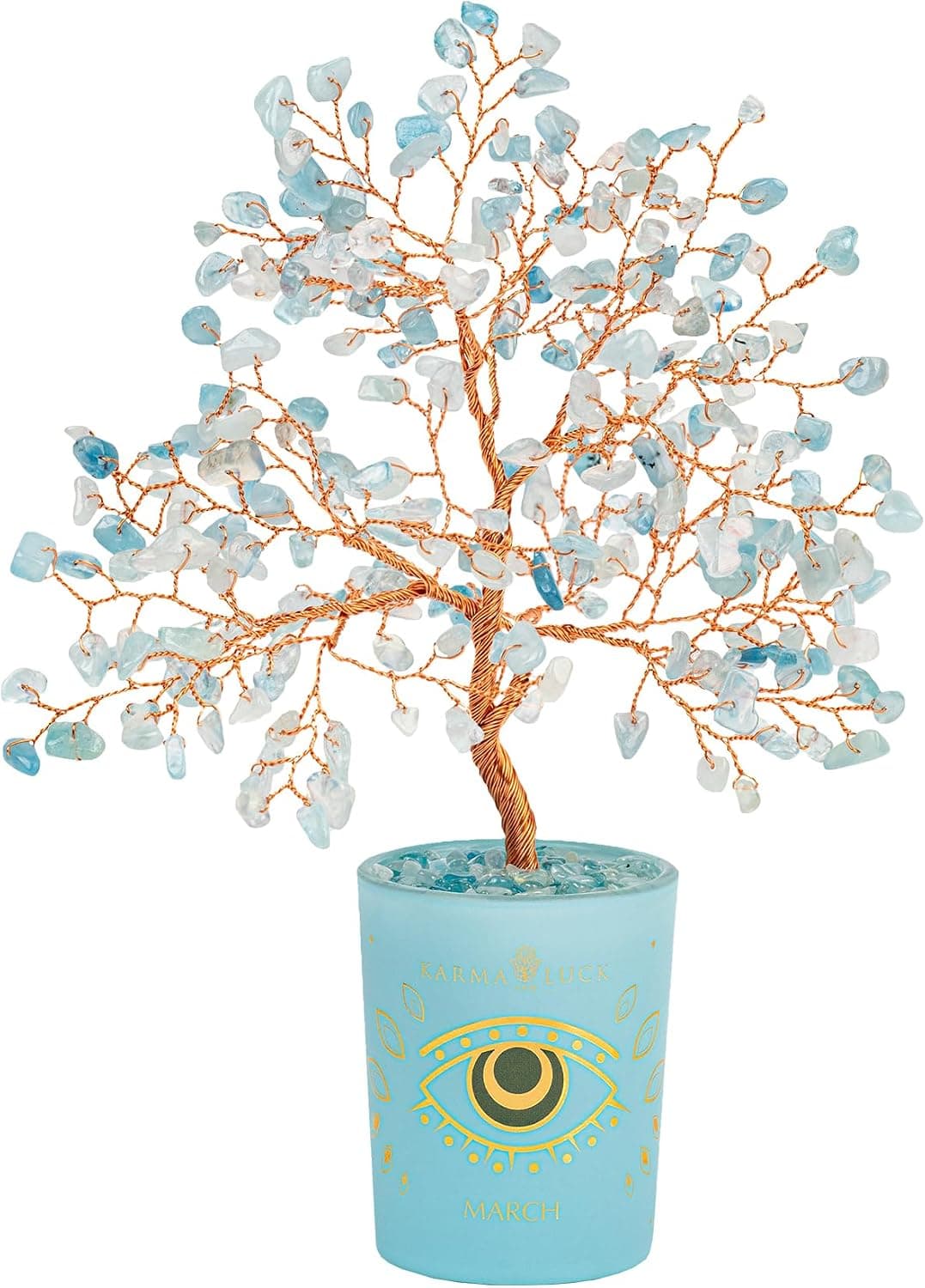 -29%
-29%Karma and Luck March Birthstone Crystal Tree of Life, Aquamarine Gemstone Fen...
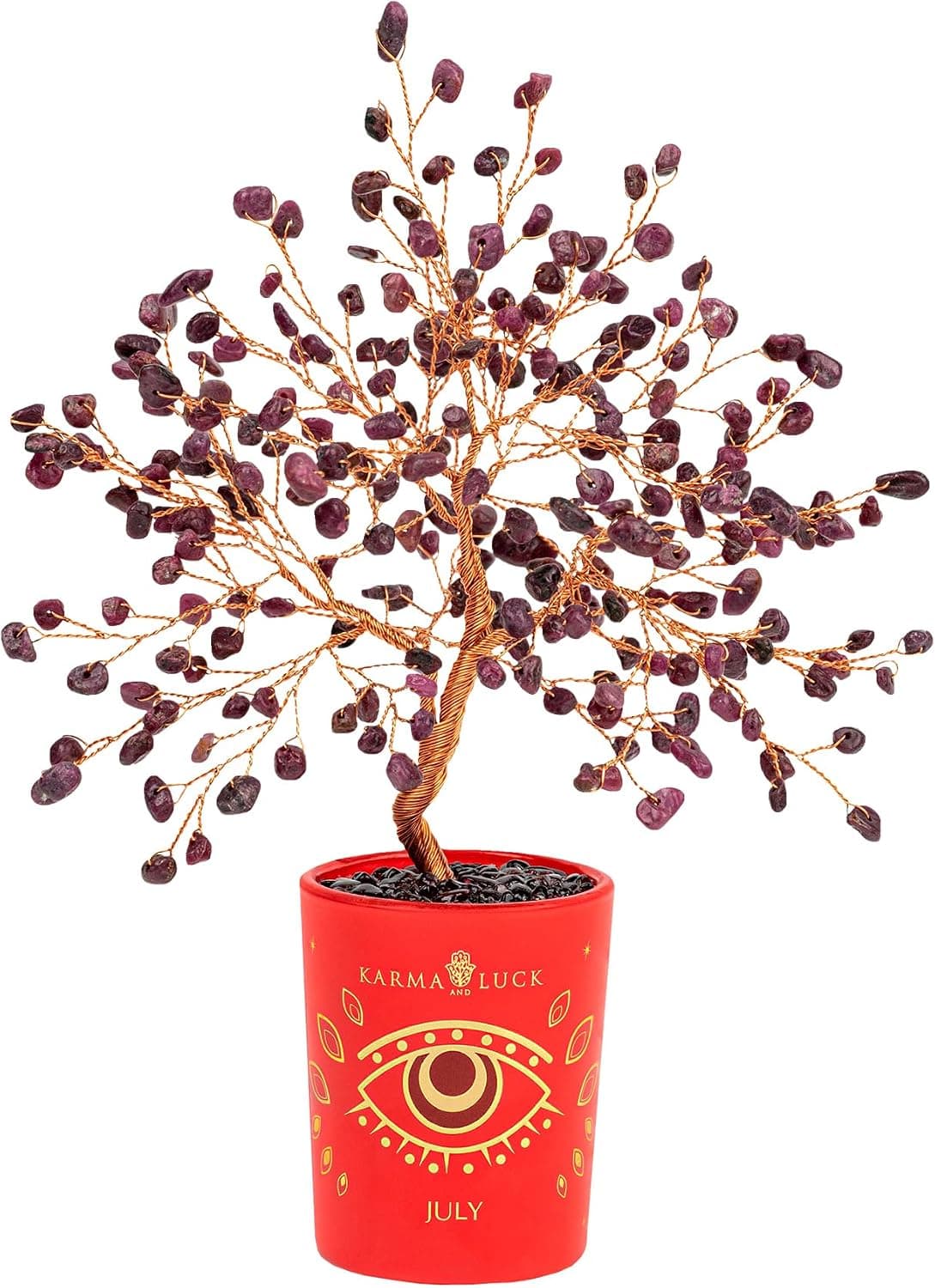 -29%
-29%Karma and Luck July Birthstone Crystal Tree of Life, Ruby Gemstone Feng Shui ...
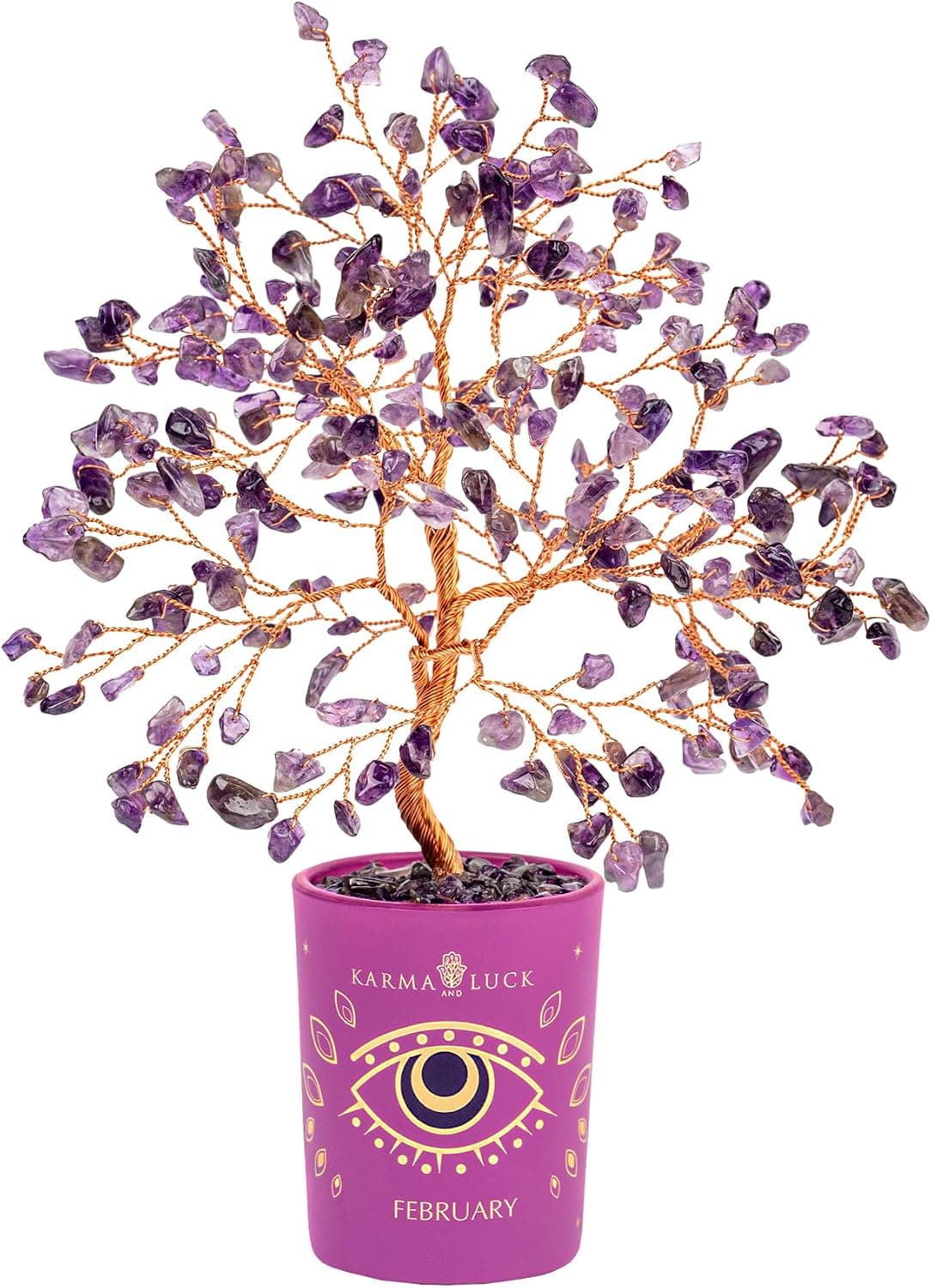 -29%
-29%Karma and Luck February Birthstone Crystal Tree of Life, Amethyst Gemstone Fe...
As an Amazon Associate, we earn from qualifying purchases. We only recommend items our practitioners have personally tested.
Continue Your Journey
Explore these related guides to deepen your understanding:

The I Ching Doesn't Answer Lazy Questions — Here's What to Ask Instead
8 min readConfucian Commentary Turns the I Ching Into a Moral Floor Plan
9 min readBroken Lines, Solid Lines, and the Real Yin-Yang Logic of the I Ching
11 min readThe Wilhelm I Ching Feels Deep Because It Slows Your Reading
11 min readReady for Deeper Guidance?
Try our free I Ching reading for personalized wisdom, or explore our curated Feng Shui essentials.