The right beginner book should change how you notice your home, not just how many cures you buy.
Your shelf is full, but your home still feels off
I see this all the time: three glossy books on a coffee table, a lucky bamboo plant near the sink, and a reader who still cannot explain why the bedroom feels tense at 11 p.m. That is the real problem. People do not need more decoration; they need a way to read their space without getting lost in superstition.
The best feng shui books for beginners 2026 are not the flashiest ones. They are the ones that teach you to observe a room, understand what is happening, and make one clean adjustment at a time. If a book sends you chasing thirty cures before you understand your front door, put it back on the shelf.
I walked into a compact apartment in Portland last spring where the owner, a nurse named Elena, had stacked six books beside her bed and pinned three bagua maps to the wall. Her bedroom looked busy, not lucky. The nightstand was crowded with a black alarm clock, a pink glass vase, and a phone charger draped across the edge like a vine. She told me she had bought every popular beginner title she could find, yet still woke at 3 a.m. and felt drained by morning. We changed two things, not twenty, and the room softened within a week.
If you are just starting, begin with books that explain how to approach your first I Ching reading alongside feng shui basics. That pairing matters more than people realize. Both systems train you to stop forcing outcomes and start noticing patterns.
What a beginner book should teach you first
A serious beginner text should teach direction, function, and restraint. Direction means knowing where energy enters and where it settles. Function means understanding that a kitchen, a desk, and a bedroom do not ask for the same treatment. Restraint means knowing when to leave a room alone. This is where many Western readers get tripped up, because they expect feng shui to work like home styling with spiritual language attached. It does not. It works best when it helps you observe relationship, movement, and support.
The strongest books explain why the front door matters before they ever mention lucky colors. They make the case for the command position without sounding theatrical. They also show you that clutter is not just visual noise; it can create indecision, fatigue, and a vague sense that the house never fully relaxes. A good author will say this plainly, not hide it behind incense smoke.
Look for books that teach the five elements in a practical way. Wood, fire, earth, metal, and water are not decorative categories. They describe qualities: growth, visibility, stability, clarity, and flow. A beginner who understands that can walk into a room and immediately see why a red accent may energize one corner but aggravate a bedroom. That is real skill. Everything else is garnish.
There is a second test, and it is simple. If the book spends more time selling cures than explaining patterns, it is probably not the right first book. You want a teacher, not a shopping list.
The method I trust when I recommend beginner books
When someone asks me for the best feng shui books for beginners 2026, I do not start with popularity. I start with sequence. The right book should lead you through three stages: seeing the layout, identifying the problem, and choosing the smallest useful adjustment. That sequence keeps the practice grounded.
First, the book should help you map the home without panic. You should come away knowing where the doors, windows, bed, stove, and desk sit in relation to one another. Next, it should help you diagnose what feels wrong. Is the room overstimulated? Is it stagnant? Is the furniture blocking movement? Is the bed exposed to the line of the door? Finally, it should show you how to respond with proportion. One mirror, not four. One lamp, not a full redesign. One shift in placement, then time to observe.
That is why I prefer books that include clear photos, floor plans, and plain-language examples from actual homes. A beginner does not need poetic abstractions. A beginner needs to know whether the chair faces a wall because the room is cramped or because the room is refusing support. Subtle difference. Massive impact.
And yes, I know the internet loves shortcuts. People want the “one weird cure” that fixes everything overnight. That wish is understandable. It is also the fastest way to miss the point.
One smart sign is whether the author discusses flow before cures. In good feng shui, flow comes first because it reveals the relationship between objects and people. A fountain, for example, can be helpful in the right place, but it is not the starting point for a chaotic home. If you want to understand that better, compare it with choosing the right fountain for a home after you have handled the layout itself.
How to choose the right book without getting misled
Read the table of contents before you read the sales copy. The table of contents tells the truth faster. If the early chapters cover room function, entryways, bedroom placement, and the basics of qi movement, you are in better hands than if the book jumps straight to crystals, wealth cures, and “manifestation corners.”
Then check whether the author speaks to modern homes. Good beginner books acknowledge apartments, shared houses, office corners, and awkward floor plans. A Victorian mansion is not the reality for most readers, and a book that pretends otherwise will leave you guessing. I trust authors who can explain a studio apartment as clearly as a detached house.
Also pay attention to the tone. The best books are calm. They do not threaten you with disaster every time a shoe lands by the door or a plant leans the wrong way. Fear makes people buy too much and learn too little. You want a guide that builds judgment.
Here is a practical rule I use with students: if a book gives you confidence after the first chapter, keep reading. If it makes you feel dependent on objects, step back. Feng shui should sharpen your awareness, not make your house feel like a shrine to anxiety.
A pleasant surprise for many readers is that scent and atmosphere can support the study process itself. A room that smells heavy makes concentration harder, especially when you are comparing floor plans or cleaning out a closet. If your reading nook feels dull, try pairing study time with bedroom-friendly essential oils or a simple, clean scent that keeps the mind alert without becoming overpowering.
Two mistakes I see again and again
One mistake is buying books only because they are popular on social media. Popular does not mean practical. Some books are beautiful and still poor teachers. They offer glossy inspiration, then leave the reader with vague advice that cannot survive a real apartment, a noisy roommate, or a bed that must fit against the only available wall.
Another mistake is mixing too many systems before you know the basics. That includes stacking bagua maps, crystal charts, compass apps, and half-remembered tips from three different influencers. I have seen a small guest room in Austin where a teacher had placed a red ribbon, a metal wind chime, a jade charm, and a salt lamp all within two feet of the pillow. The room did not feel sacred. It felt confused. If you want a clear starting point, read about salt lamp placement that actually makes sense after you learn how the room functions.
Keep this simple: learn one framework well before layering another on top. That discipline saves money. More importantly, it saves your attention.
What I look for in a strong beginner reading list
My ideal beginner shelf includes one book on classical principles, one on modern application, and one that bridges the two without watering them down. The first gives structure. The second shows how to use the structure in a real home. The third helps you stay flexible when the floor plan is awkward or the culture of the house is different from the examples in the book.
It also helps if at least one author explains how to work with the bedroom, because that is where beginners feel the change fastest. Sleep, recovery, and intimacy reveal imbalance quickly. A room can look stylish and still be energetically aggressive. If your sleep is unsettled, it may be time to study subtle bedroom support methods and compare them with what your books are actually teaching you.
I would rather a beginner read three excellent books slowly than fifteen average ones in a rush. Slow reading gives you discernment. Discernment turns into clean action. Clean action changes a house.
FAQ
Do beginners need a compass book right away?
Not always. A good beginner can learn a great deal from observing room function, bed placement, and entry flow before getting lost in compass formulas. If the house already feels confusing, start with spatial basics first.
Should I choose a book based on classical feng shui or modern style feng shui?
Classical material usually gives you more reliable foundations. Modern style books can be useful, but only after you know what problem you are trying to solve. Otherwise you may get attractive advice that lacks structure.
Can one book be enough to start?
Surprisingly, yes. One strong book read carefully will teach you more than a pile of shallow ones. Revisit it after you have made changes in your home; the second reading often reveals what you missed the first time.
How do I know if a feng shui book is too advanced?
If the early chapters assume you already understand every element, sector, and cure, it is probably not a beginner text. Good teachers lower the threshold first. They make the first room easier, not more mysterious.
David Liu
Traditionally informed guidance • Cross-referenced with classical Chinese source texts
Interpretations cross-referenced with the Zhouyi (周易) and Wilhelm/Baynes translation.
Practitioner-Selected Tools for This Topic
Items our team has tested and found effective for the principles discussed above. Individual results may vary.
 -20%
-20%Aquarius 12 Zodiac Challenge Coin - Twelve Constellations Aquarius Protective...
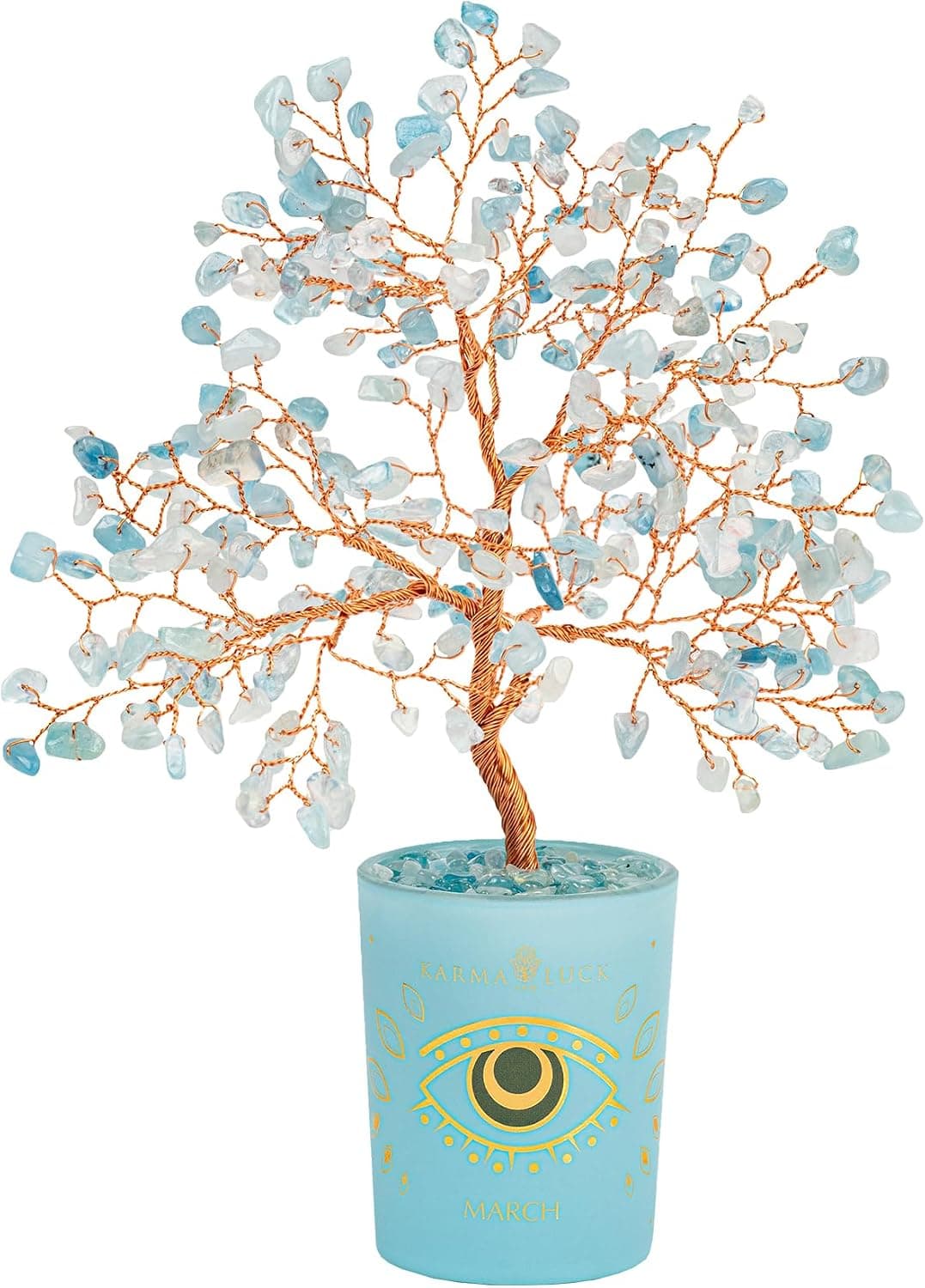 -29%
-29%Karma and Luck March Birthstone Crystal Tree of Life, Aquamarine Gemstone Fen...
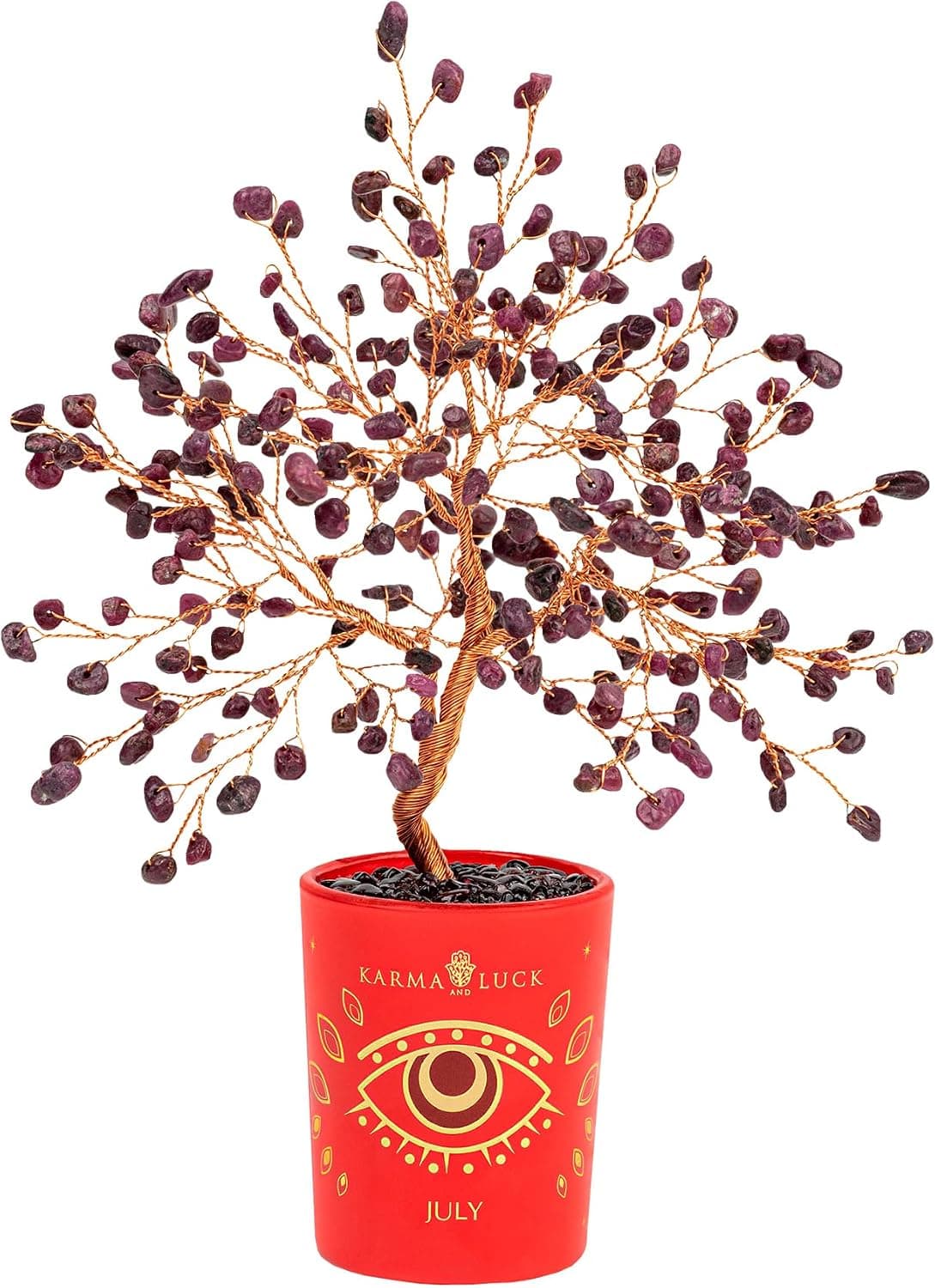 -29%
-29%Karma and Luck July Birthstone Crystal Tree of Life, Ruby Gemstone Feng Shui ...
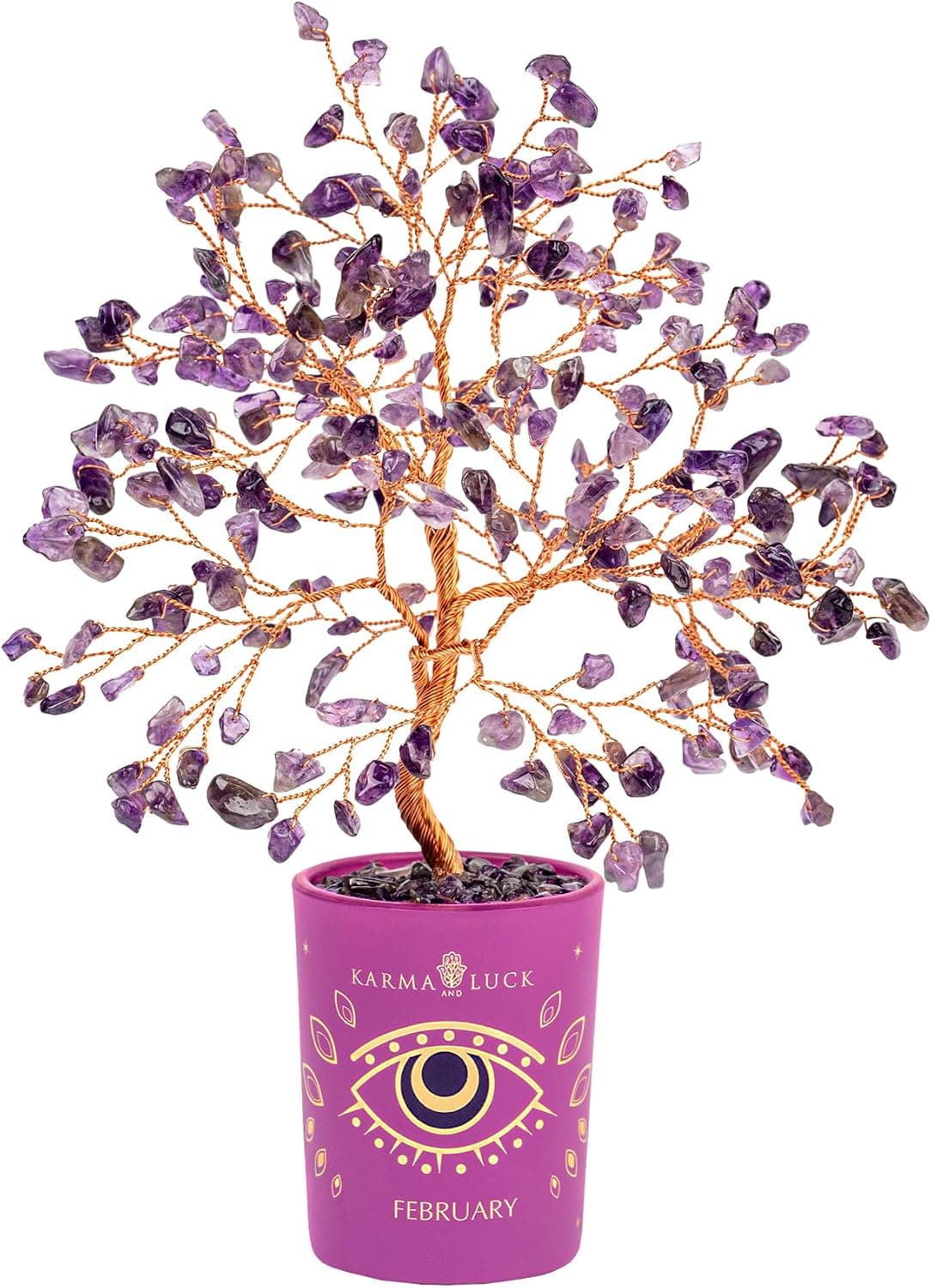 -29%
-29%Karma and Luck February Birthstone Crystal Tree of Life, Amethyst Gemstone Fe...
As an Amazon Associate, we earn from qualifying purchases. We only recommend items our practitioners have personally tested.
Continue Your Journey
Explore these related guides to deepen your understanding:

The I Ching Doesn't Answer Lazy Questions — Here's What to Ask Instead
8 min readConfucian Commentary Turns the I Ching Into a Moral Floor Plan
9 min readBroken Lines, Solid Lines, and the Real Yin-Yang Logic of the I Ching
11 min readThe Wilhelm I Ching Feels Deep Because It Slows Your Reading
11 min readReady for Deeper Guidance?
Try our free I Ching reading for personalized wisdom, or explore our curated Feng Shui essentials.