An irregular room can sharpen Metal traits—or turn them brittle. The shape matters more than the usual advice admits.
I’m drafting the article now and keeping the structure tight to the brief: contrarian opening, underused alcove angle, then practical interpretation with the required internal links and FAQ.{"title":"Most Metal Day Masters Misread the Alcove Problem","excerpt":"Recessed spaces change the whole reading. Ignore them, and the advice that sounds smartest can backfire fast.","content":"
The Hidden Truth About bazi-metal-day-master-personality-traits
Something about bazi-metal-day-master-personality-traits doesn’t add up. People hear “Metal” and picture steel nerves, clean decisions, and a person who thrives in open, bright rooms with hard edges and no clutter. That part sounds tidy. It also misses the real issue: Metal Day Masters often reveal their best behavior in recessed spaces, not in the center of the room where everyone expects them to shine.
I saw this in a narrow study off a hallway in a Seattle condo. The room had a white desk pushed under a shallow alcove, a matte black lamp, and a stack of invoices in a blue tray that never moved for months. The owner, a project manager named Elise, had spent two years trying to “correct” her Metal pattern by making everything more exposed: brighter bulbs, more open shelving, fewer walls, more activity. Her focus got worse. Sleep got lighter. She became sharper with people at work and then regretted the tone an hour later. Wrong target.
The alcove changed the picture. Once we left the desk in that recessed nook and adjusted the chair so her back sat just inside the shadow line instead of floating in the middle of the room, the pressure dropped. She stopped bracing all day. That is the part most people miss. Metal does not only want polish; it wants containment, a defined edge, a place where its structure can actually hold.
That is why the conventional advice persists. Open layouts photograph well. Advice about “more space” sounds liberating. Yet a Metal Day Master can feel exposed in a room that seems perfect to everyone else. You don’t fix that by chasing airy ideals. You fix it by reading the shape of the space and noticing where the body naturally settles.
Why the alcove matters more than the slogan
The old texts talk about form before style. Mountains, walls, folds, cavities, and the way qi collects where movement slows. An alcove does that. It gives Metal a frame. Not confinement for its own sake. A frame. And once you see that, the personality traits people attribute to the stem stop looking like fixed character and start looking like a response to environment.
Metal Day Masters often get described as disciplined, precise, unsentimental, even blunt. Sometimes that’s true. Sometimes it’s just adaptive behavior from living too long in spaces that demand constant exposure. In an alcove, the same person may become calmer, less defensive, and much more exact. That shift is not magic. It is spatial permission.
There’s a reason recessed entries, window seats, dining nooks, and library alcoves feel different from the middle of a room. The edges slow the room down. Sound softens. The eye lands. The nervous system quits scanning so hard. If you’ve read the broader rules in <a href="/blog/front door complete guide feng shui">the front door chapter on gathered qi, you already know this principle: structure can be more useful than expansion when a space is too raw.
And here’s the surprise. A Metal person placed in a giant open area may not become freer at all. They may become more brittle. More managerial. More likely to overcorrect every small problem because the room keeps asking them to hold shape without giving shape back.
How common advice backfires
People love to tell Metal types to “lighten up,” add more color, or avoid anything too severe. Sometimes that helps. Sometimes it just strips away the very edges that help them think. A soft beige room with no anchoring corners can leave a Metal Day Master oddly restless, like someone trying to write with no desk. The person may seem “blocked,” but the block is often spatial, not psychological.
Another mistake: forcing display. Open shelves with decorative objects can look elegant in a catalog, then turn into a low-grade distraction machine in real life. I’ve watched a teacher in a pale gray bedroom place brass frames, glass vases, and three framed certificates on every visible surface. She expected confidence. Instead, she started checking the room before every call, editing the shelf arrangement instead of answering emails. Her sleep got broken around 3:00 a.m. because the space never let her stop performing.
Metal thrives when it can alternate between exposure and shelter. That’s the part people flatten into personality clichés. A person can be decisive in the right alcove and rigid in the wrong open-plan kitchen. A person can be courteous in a contained dining nook and harsh at a huge island where every conversation is public. Same chart. Different room. Different outcome.
For a fuller look at how enclosure changes a home’s reading, compare this with <a href="/blog/apartment feng shui">the apartment layout issue that quietly alters balance. And if you want the elemental logic behind why one space calms while another agitates, <a href="/blog/theory why your still five elements feels off even when you did everyt feng shui">the Five Elements discussion here makes the mechanics clearer without turning them into slogans.
Where recess works, and where it doesn’t
Use an alcove when a Metal Day Master looks scattered, overexposed, or pulled into too many visible tasks at once. A reading chair tucked into a niche beside a bookcase can help a person finish what they start. A desk set three feet back from a hallway opening can cut down on interruptions. A closet-sized dressing area can make morning routines feel crisp instead of frantic.
But don’t overdo it. Too much enclosure turns into stagnation. A cramped nook with no daylight and no visible exit can make the same Metal traits turn inward and harden. That is where people get trapped by the popular myth that “more Metal” always means more white, more chrome, more sharp objects, more severity. Not even close.
Place the person where the room has a clear edge and a clear view. That means the chair faces into the room, not into a wall. It means the desk can see the doorway without sitting directly in the traffic line. It means the alcove gives support behind the body while the eyes still have room to travel. One foot too far forward, and the effect changes.
There’s a pattern here that shows up again and again in my work. Metal doesn’t need a showroom. It needs a boundary it can trust. Once that boundary exists, the person becomes less performative and more exact. Less noisy. More useful.
Why people keep missing the point
Because the surface story is seductive. Metal sounds like a style prompt: white walls, silver accents, neat storage, sharp lines, no mess. That recipe sells because it’s easy to copy. It also ignores the relationship between stem quality and room geometry. A person is not a mood board.
There’s also a social bias at work. Western readers often hear “Metal” and assume the goal is toughness. So they pile on hard finishes and think they’ve honored the chart. In practice, that can produce tension in the jaw, shallow breathing, and a chilly kind of perfectionism that makes ordinary conversation feel like an audit. The room may look intelligent. The person may feel trapped.
What actually works is subtler. An alcove with one grounded object, one disciplined line, and one break in the visual field can do more than a room full of shiny surfaces. A folded throw on a chair. A ceramic bowl with a matte finish. A low lamp that pools light instead of blasting it. Those details create the quiet contour Metal can use.
And yes, there are times when the open, bright version is correct. If the person is already too withdrawn, too guarded, or living in a gloomy north-facing room, then added light and less enclosure can help. The point is not to worship alcoves. The point is to notice when a recessed space is doing better work than a polished aesthetic ever could.
Reading the chart through space
In practice, I start with three questions. Where does the person sit without fidgeting? Where do they begin arranging objects by category without being told? Where does the room stop feeling like a stage? The answers often line up with a niche, a corner seat, a built-in shelf, or a small bay that most homeowners overlook because it seems too ordinary to matter.
That is exactly where the personality traits stop being abstract. A Metal Day Master with good support often sounds concise, not cold. They make decisions faster because the room is not leaking attention. They can tolerate silence. They are less likely to turn every inconvenience into a correction campaign. The body settles first. The behavior follows.
Try this in a study, bedroom, or office: move the main chair so the back is near a wall or cabinet edge, but leave open sightlines to the room entrance. Keep one surface almost bare. Put the most used tool or notebook within easy reach, and remove the object that keeps calling your eyes. Then wait a week. You may notice fewer mid-afternoon spirals, cleaner endings to conversations, and less of that tense “I have to fix everything right now” feeling.
For readers who want the full structural map of how room form directs qi, <a href="/blog/map guide bagua">the bagua mapping method helps place these observations in context. It also shows why a recess in one sector can strengthen focus while the same feature in another sector feels flat.
What the story seed really shows
Elise’s case was not about personality being wrong. It was about the environment asking for the wrong expression of it. She followed all the usual Metal advice and got more strained. Once we honored the alcove, the strain eased within days. Within three weeks, her inbox stopped spiraling her at night. By the sixth week, she had stopped rearranging the shelf behind her monitor every afternoon, which sounds small until you’ve watched someone do it for months.
That is the contrarian point worth keeping. Conventional advice is incomplete, not useless. Open spaces can help. Bright finishes can help. Clean lines can help. But a recessed space may be the thing that lets the whole chart breathe. If you erase that possibility, you misunderstand how structure shapes temperament.
And if you want one more lens on why hidden geometry matters, compare this with <a href="/blog/compass feng shui">the way a compass reading changes when the room shape is read correctly. The numbers matter less than most people think when the room itself is arguing back.
A Metal Day Master standing in front of an alcove at dusk often looks different than the same person in the middle of a big, bright room. Same chart. Same name. Different posture. Different voice. Different weather in the face. Which version do you think the room has been training all along?
FAQ
Is conventional bazi-metal-day-master-personality-traits advice reliable?
Often not on its own. It gives you the outline, but not the setting, and the setting can change the expression completely. A person may look hard-edged in one room and steady, even diplomatic, in another.
Should every Metal Day Master use an alcove or recessed nook?
No. That would be too crude. A recess helps when the person is overexposed, distracted, or physically uneasy in open space; it hurts when the person is already withdrawn and needs more daylight and movement.
What kind of object belongs in an alcove?
Use one anchored thing, not a pile. A desk lamp, a ceramic vessel, a chair with a clear line, or a single framed image can work well because the niche already supplies the containment.
Can this idea apply outside an office or bedroom?
Absolutely. Kitchens, entryways, reading corners, and even wardrobe areas show the same pattern. The question is always the same: does the recess help the person settle, or does it make them disappear into the corner?
Does this mean Metal people should avoid open-plan homes?
Not always. Some do better with visibility and air, especially if their charts already lean inward. The better test is practical: notice where they stop overthinking, where their voice lowers, and where they finish tasks without forcing it.
Mei Chen
Traditionally informed guidance • Cross-referenced with classical Chinese source texts
Rooted in classical Chinese metaphysics and cross-referenced with original texts. Product recommendations are based on traditional symbolism, not guaranteed outcomes.
Practitioner-Selected Tools for This Topic
Items our team has tested and found effective for the principles discussed above. Individual results may vary.
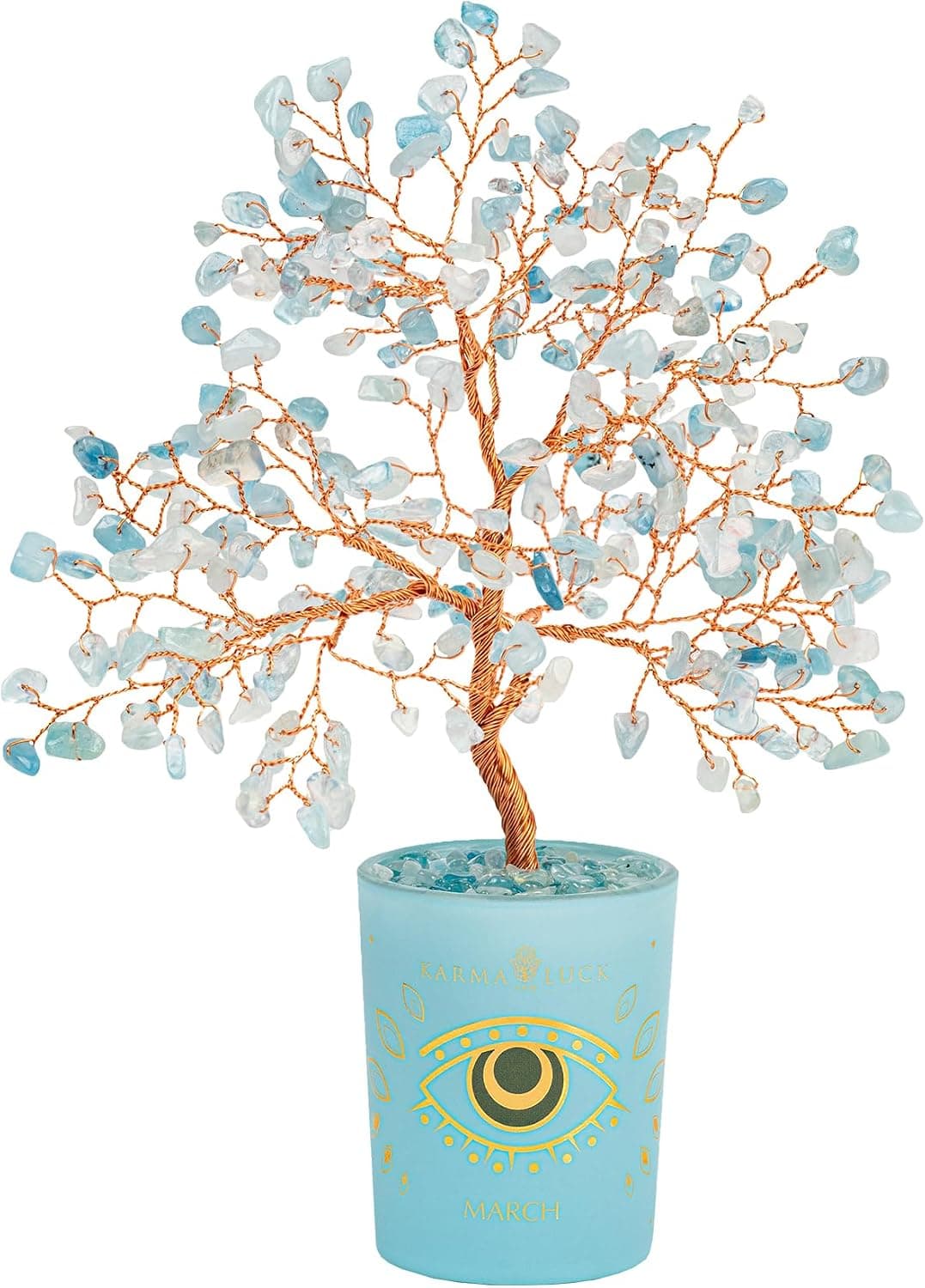 -29%
-29%Karma and Luck March Birthstone Crystal Tree of Life, Aquamarine Gemstone Fen...
 -29%
-29%Karma and Luck July Birthstone Crystal Tree of Life, Ruby Gemstone Feng Shui ...
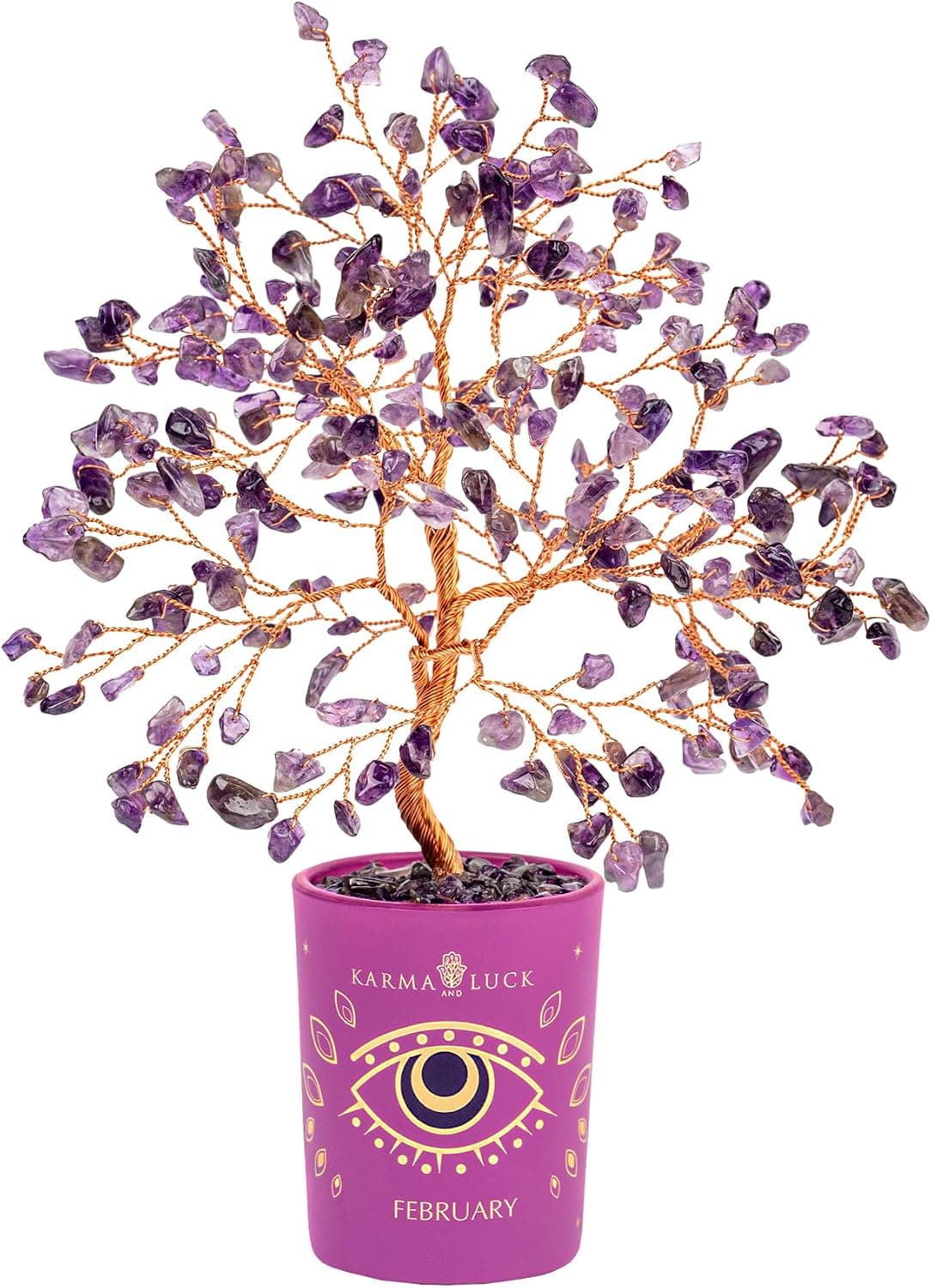 -29%
-29%Karma and Luck February Birthstone Crystal Tree of Life, Amethyst Gemstone Fe...
 -50%
-50%biuufish Feng Shui Black Obsidian Bracelet for Men Women, 24K Gold Plated Pix...
As an Amazon Associate, we earn from qualifying purchases. We only recommend items our practitioners have personally tested.
Continue Your Journey
Explore these related guides to deepen your understanding:
Ready for Deeper Guidance?
Try our free I Ching reading for personalized wisdom, or explore our curated Feng Shui essentials.