The moment you stop treating ancient Chinese wisdom like a slogan, it starts showing you the real problem: misread context.
The moment the quote fails in the meeting room
In the open office, the air conditioner hummed over three phone alerts and a low argument near the printers. One manager kept repeating a line about harmony while two teammates stared at the same spreadsheet and refused to budge.
That is where ancient chinese wisdom usually gets misunderstood. People reach for it when they want certainty, but the texts are often asking for something harder: read the room, read the role, and act with precision instead of hope.
I’ve seen the same mistake in a small study room with window light, paper scrolls on the wall, and a desk facing a quiet garden. The room made reflection easier; the office made it harder. That difference matters more than most people admit.
Soft daylight moving across a desk can sharpen attention. Harsh glare, noise, and visual clutter wear it down. Classical writers did not have modern lighting science, but they understood the lived fact: a person is not thinking in a vacuum.
Why balance is not the same as staying calm
Modern readers often want balance to mean emotional smoothness. That sounds nice. It also ruins the teaching.
In the classical texts, balance is closer to fitting action than to permanent peace. yin and yang in daily life are not a license to avoid conflict; they are a reminder that tension, timing, and response all belong to the situation.
At a family gathering, one person says, “Let’s keep things balanced,” and uses that phrase to dodge a hard decision about caregiving. Nobody feels relieved. They feel stranded. Balance becomes a mask for delay.
That is the hidden problem behind many searches for ancient chinese wisdom: people are not really asking for a quote. They are asking how to stay steady when there is pressure, competing duties, and no perfect choice.
Balance in this tradition is active. It asks for discernment. It asks whether you are being even-handed, or merely uncomfortable with responsibility.
What the texts actually say about conduct
The Analects, the Dao De Jing, the Zhuangzi, and Mencius do not speak with one voice, and that is useful. Confucian thought leans toward ren and li: humane regard and proper conduct shaped through practice, not abstract positivity. Daoist thought leans toward wu wei: non-coercive action, not laziness or passivity.
That distinction gets flattened constantly. A reader highlights a line from the Dao De Jing, hoping it will cure burnout, then strips it away from governance, effort, and timing. Once that happens, the line becomes decorative. It may sound wise, but it no longer instructs.
wu wei is not “do nothing.” It is “do not force what the situation will not support.” That is a very different discipline, and a much harder one to fake.
Mencius adds another pressure point. He treats moral growth as something cultivated, not merely believed. Environment matters. Repetition matters. The person who lives among noise, distraction, and constant interruption is not starting from the same ground as someone who can think beneath a tree or beside an open window.
That is why a courtyard or garden keeps appearing as a contrast in Chinese philosophy. Not because plants are magical. Because order, rhythm, air, and seasonal change train behavior. A courtly corridor, a family yard, a room with one window and a line of sight to the outside—these are not neutral backdrops. They shape what feels possible.
Where modern self-help rewrites the tradition
Western wellness culture loves portable slogans. It prefers a line that fits on a mug to a framework that demands judgment. That preference is understandable. It reduces cognitive load.
But classical Chinese philosophy rarely rewards slogan thinking. It asks relational thinking: what is the role, what is the season, what is the obligation, what is the cost, what is the timing? A single sentence cannot carry all of that without being misused.
The phrase zhongyong is a good example. People translate it as moderation and stop there. Yet textually it points more toward fitting action, the kind that avoids excess by responding accurately to changing conditions. That is not blandness. That is accuracy under pressure.
A noisy apartment shows the problem immediately. Phone notifications keep breaking attention, traffic seeps through the window, a lamp casts uneven light, and the room itself pushes the mind toward fragmentation. Then someone wonders why self-control feels weak. The setting is already exhausting the system.
Surprisingly, this is where environmental science supports the old insight without dressing it up in mysticism. Light quality shapes circadian regulation and attention; noise raises cognitive strain; clutter competes for working memory. The classical writers did not need lab reports to observe this, but modern readers do well to notice the overlap.
daoism survives because it refuses false mastery. It does not promise that the world will become easy if you think the right thought. It asks you to stop mistaking control for wisdom.
What the room teaches before the phrase does
In a crowded office, the argument near the printer was never really about the spreadsheet. The real issue was timing, status, and the fear of looking weak in front of others. Harmony could not fix that. Clear conduct could.
That is the part modern readers miss. Ancient chinese wisdom is often less about feeling serene and more about seeing the structure of a situation before speaking into it. If you cannot read the structure, you will call avoidance “peace” and rigidity “principle.”
The room can teach this faster than a page can. Open the blinds. Listen to the HVAC hum. Notice whether the table is crowded, whether the chair faces the door, whether the space makes attention feel easy or expensive. The body knows before the slogan does.
yin yang balance in modern life is not about being half one thing and half another. It is about knowing when to yield and when to hold, when to speak and when to wait, when to widen the frame and when to narrow it.
That is why a well-tended courtyard matters in Chinese thought. The breeze through open windows, the rustle of leaves, the shaded path and the sunlit edge all model responsive change. They show a mind how to move without forcing.
Applying ancient Chinese wisdom without flattening it
Start with the problem you actually have. If you are burned out, the issue may not be a missing quote. It may be overcommitment, bad light, constant interruption, and a habit of treating every request like an emergency.
Then ask what the tradition would correct first. Confucian language would ask whether your role clarity is broken. Daoist language would ask where you are forcing. Mencius would ask what conditions are shaping your conduct. That sequence is more useful than hunting for a universal proverb.
Use the room as a test. In a home office, remove one source of visual clutter, lower one unnecessary noise source, and let daylight reach the work surface during the hours you need judgment most. If you cannot change the whole room, change the part that steals attention first.
Then change your language. Replace “I need balance” with “What does this situation require?” Replace “I should stay calm” with “What action fits the moment?” Those questions sound less poetic. They are also more honest.
the daily-life yin-yang framework becomes useful only when it leaves the poster and enters decision-making. That means noticing whether your environment supports restraint, whether your schedule supports reflection, and whether your relationships reward clarity or punishment.
A small study room with window light, a clean table, and one bowl of water on the sill will not solve your life. But it may change how you think inside it. That is often enough to begin.
And that is the real answer hidden inside ancient chinese wisdom: not certainty, not serenity, not a quote that works everywhere, but a better way to read conditions and act without fooling yourself.
FAQ
Is ancient Chinese wisdom mainly about balance? Not in the shallow sense people usually mean. The stronger idea is fit: action that matches the moment, the role, and the setting. Balance matters, but only as part of a larger discipline.
Does wu wei mean being passive? No. It points to action without unnecessary forcing, which is often more demanding than pushing harder. The surprising part is that restraint can require more skill than effort.
Why does environment come up so often in these teachings? Because conduct is shaped by conditions. Light, noise, layout, and daily rhythm all affect attention and restraint, and the classical texts assume that people become what they repeatedly practice in real spaces.
Linking the texts back to daily life
If you want a single place to begin, read the situation before you read the quote. That order prevents the most common mistake: using a beautiful line to avoid a hard decision. The texts were never meant to protect us from reality. They were meant to train us to meet it better.
David Liu
Traditionally informed guidance • Cross-referenced with classical Chinese source texts
Rooted in classical Chinese metaphysics and cross-referenced with original texts. Product recommendations are based on traditional symbolism, not guaranteed outcomes.
Practitioner-Selected Tools for This Topic
Items our team has tested and found effective for the principles discussed above. Individual results may vary.
 -29%
-29%Karma and Luck March Birthstone Crystal Tree of Life, Aquamarine Gemstone Fen...
 -29%
-29%Karma and Luck July Birthstone Crystal Tree of Life, Ruby Gemstone Feng Shui ...
 -29%
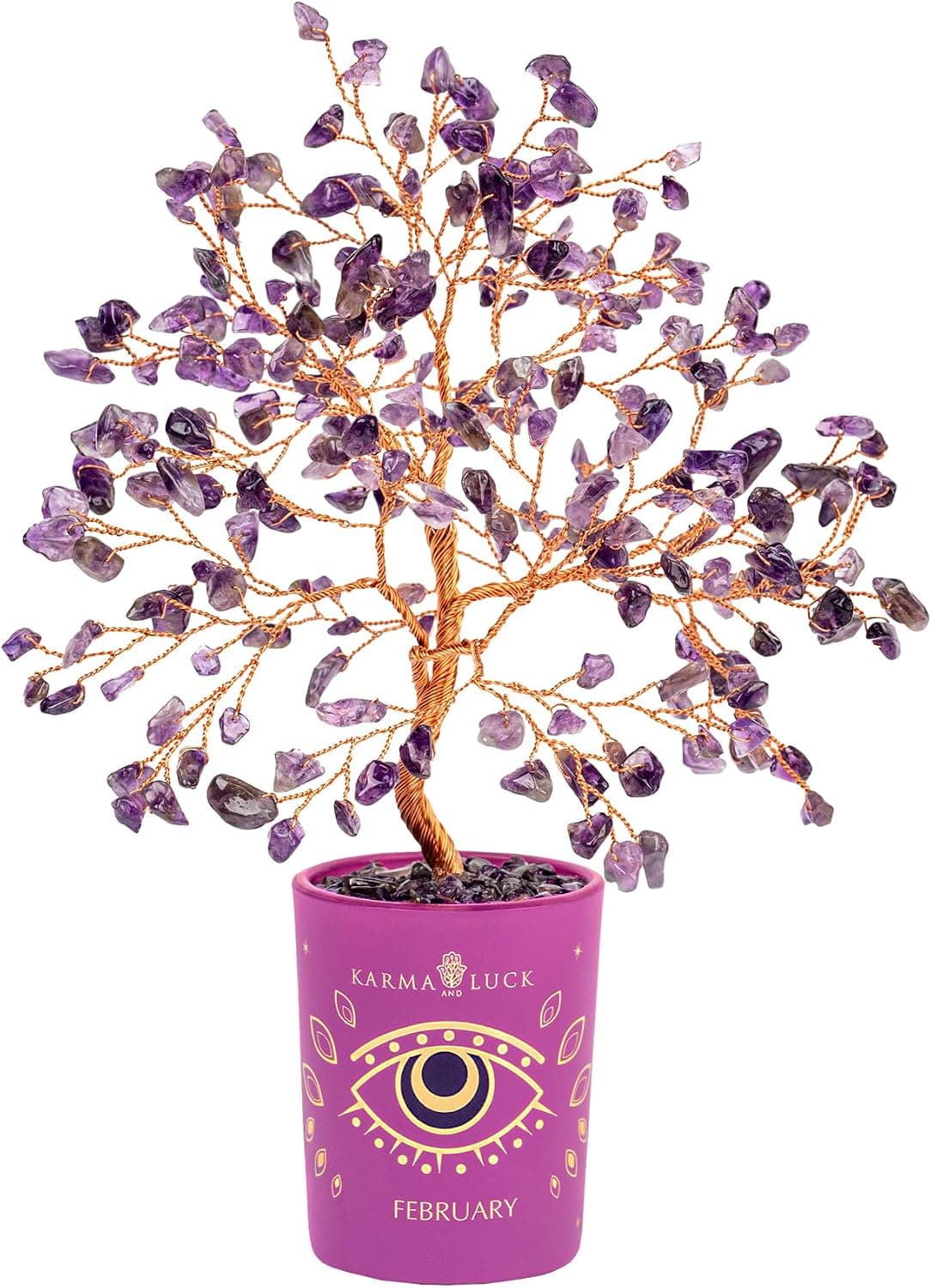
-29%Karma and Luck February Birthstone Crystal Tree of Life, Amethyst Gemstone Fe...
 -50%
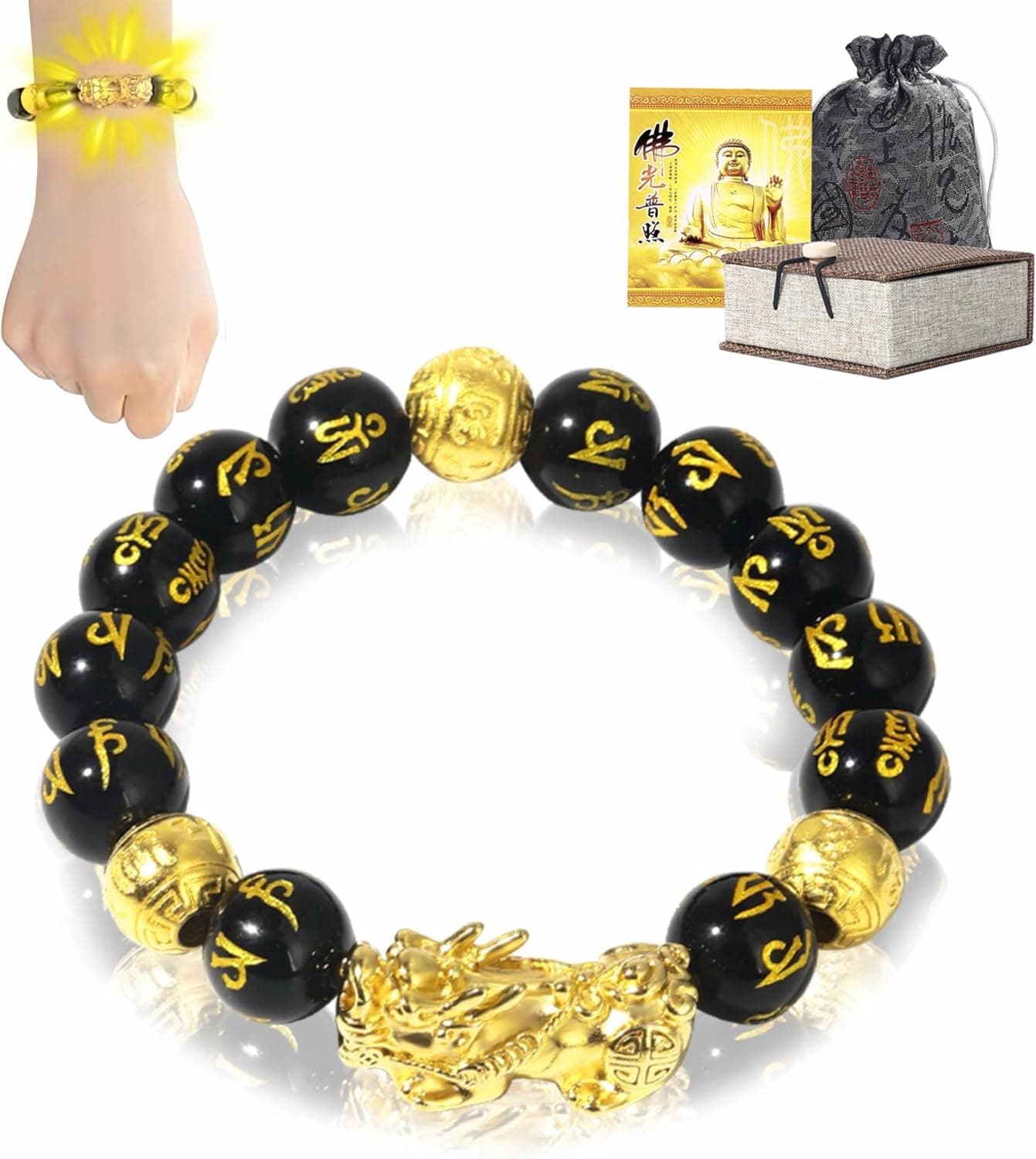
-50%biuufish Feng Shui Black Obsidian Bracelet for Men Women, 24K Gold Plated Pix...
As an Amazon Associate, we earn from qualifying purchases. We only recommend items our practitioners have personally tested.
Continue Your Journey
Explore these related guides to deepen your understanding:

Ready for Deeper Guidance?
Try our free I Ching reading for personalized wisdom, or explore our curated Feng Shui essentials.