The wrong color can make a room louder, not luckier. The real question is what problem you're trying to solve.
The Hidden Truth About year-of-the-horse-2026-lucky-colors
People chase the “right” red, green, or gold as if paint chips alone could rescue a year, then wonder why the room feels more agitated after the change.
I saw that happen in a small north-facing bedroom with cream walls, a burgundy throw, and a brass lamp pushed onto a dresser beside the bed. By the third night, the owner wasn't sleeping later or feeling brighter; she was waking at 3:10 a.m. with a dry mouth, staring at the ceiling, and blaming stress because that was easier than blaming the room.
That is the first thing to understand: colors do not arrive as slogans. They work as signals, and signals only matter when they match the job the space is trying to do.
Most advice on horse-year colors skips the real problem. People usually want one of three things—more momentum, steadier money, or less friction at home—and they reach for color before they name the problem. That is backward.
Horse energy leans hot, swift, and outward. Bring too much fire into a bedroom and the mind starts racing. Put the same palette in a dull entryway and it can wake the whole house up in a good way. Same color. Different outcome. Very different result.
So no, the point is not to decorate for a calendar animal. The point is to choose a color that supports the specific outcome you need, then place it where the body actually meets the room.
For a deeper frame on how that room-by-room logic works, I’d look at the wealth corner method that goes beyond objects, because color never works alone. It sits with shape, light, and traffic, and those three decide whether the room calms down or gets busy.
One more thing. A lot of readers assume “lucky” means strong, and strong means red. Not always. In a west-facing office with a white desk, a matte red pen cup near the monitor can sharpen focus. In a child’s room with too much stimulation already, that same red can become a tiny alarm bell nobody asked for.
That is why the question is not “what color is lucky?” It is “what is the room doing to me right now?”
Choose color by the problem, not by the slogan
If money feels leaky, start with grounded tones rather than hot accents. Warm beige, sand, muted gold, or deep green in a small accessory can make a desk feel settled instead of scattered, especially if papers already dominate the surface. I’ve watched a home office improve simply because a glossy scarlet file box was replaced with a matte olive one and moved three feet from the window, out of glare and visual noise.
Need more drive? Place color where motion belongs. A coral vase on an entry console, a rust cushion on a reading chair, or a narrow strip of red in a hallway can lift a sluggish corridor without turning the whole house into a pulse monitor.
Sleep asks for a different approach. The bedroom does not want a pep talk. It wants fewer alerts, softer contrast, and less reflective metal staring back from the pillow zone. That is why I would rather see one muted rose pillowcase and a cream lamp shade than a room painted like a festival stall.
Here’s the surprise: the strongest-looking choice often has the weakest effect. Glossy gold reads as success to the eye, but if it catches every beam from a west window, it can make a dining nook feel twitchy at dusk. Meanwhile, a dull ochre bowl on a sideboard can hold the same symbolic warmth without the glare.
For a broader map of how the room’s layout changes the result, the bagua map that makes placement less mystical helps more than another color chart. And if your whole home feels overstimulated, the balance between quiet and activity is the missing layer most people skip.
The colors themselves matter less than where they land
Place bright colors where the eye needs a cue, not where the body is trying to rest. A red notebook on a kitchen shelf is one thing; a red duvet at the head of the bed is another. The first can support movement and errands. The second can keep the nervous system half-awake, even when the lights are off.
Corner placement also changes everything. A green plant pot in the southeast corner of a room can feel like a steadying presence, but only if the corner is visible and not buried behind a printer, a hamper, and three boxes from last winter. Hidden color rarely helps. It becomes visual clutter with better branding.
Think in layers. A neutral wall, a wood table, and one colored object may do more than four loudly painted surfaces. When a room already has strong sunlight, the color needs to soften, not compete. When the room is dim, the same tone may need to be clearer, otherwise it sinks into the shadows and does nothing.
There is also the body’s response to contrast. A bedroom with black-out curtains, white bedding, and one sharp red blanket at the foot of the bed can feel organized to one person and tense to another, because the eye keeps snapping to the high-contrast edge. If the goal is rest, lower the visual spikes. If the goal is initiation—a studio, a workout corner, a sales desk—allow one bolder note.
It sounds almost too simple. Yet I’ve seen a hallway change the tone of an entire apartment after a rust-colored runner replaced a cool gray one, because the front-to-back movement stopped feeling flat and started feeling directed.
That kind of shift is exactly why front door color choices deserve more attention than wall paint inside the bedroom. The door is where a home announces itself; the room is where the body decides whether to stay open or shut down.
What people buy when they really want relief
Some readers are not shopping for color at all. They are shopping for relief from a messy desk, a stalled sales pipeline, or that strange heaviness that appears after lunch and never leaves. Once you see the real need, the purchase gets simpler.
For a person who wants steadier cash flow, small metal details can help because metal organizes, sorts, and defines edges. A brushed brass tray on a dresser, a clean coin bowl in a home office, or a pale gold pen holder near the calendar works best when the area already has enough light and not too many competing objects. That is why coin placements that make money feel managed, not chaotic are often more useful than another decorative object.
For someone whose home feels sleepy, a restrained fire note can wake the space without turning it into a threat. Use terracotta, coral, or softened red in the entry, dining area, or a creative corner. Avoid piling the same tone everywhere unless you enjoy arguments about trivial things and a strange urge to reorganize drawers at midnight.
When the goal is support rather than stimulation, earthy colors carry weight better than bright ones. Clay, sand, taupe, and warm stone have a way of making a room feel inhabited instead of advertised. They are not showy. That is the point.
Budget matters, too. A silk cushion cover, a painted picture frame, a glazed mug on the desk, and a notebook with a green spine can do enough work for far less than a repaint. People often spend hundreds because they want certainty. A smaller test tells you more.
In a dining room with a dark wood table, I once placed a simple amber bowl about two feet from the east wall and watched the whole space lose its evening gloom. Nothing dramatic happened. The chairs just stopped feeling like they belonged to an office waiting room, and people stayed at the table longer.
That is the kind of result most people actually want, even if they call it luck.
Where the common advice breaks
The first trap is overusing red because it sounds auspicious. It may be fine on a greeting card, a ribbon, or one object that needs to stand out. Spread it across bedding, curtains, candles, and a rug, and you may end up with a room that seems eager but never settles.
Another familiar mistake is buying metallic objects for a dull room and expecting order to appear. Metal can clarify, yes. It can also feel cold when the room already lacks warmth. In a basement office with gray carpet and one small window, too much silver detail often makes the space feel more brittle, not more refined.
Then there is the habit of placing “lucky” color in the wrong zone because a chart said so. A chart cannot tell you that the south wall is already blasted by afternoon sun, or that the couch there is where everyone falls asleep with the television on. Context wins.
People also forget about contrast with surrounding materials. A jewel-tone cushion on a cream sofa can look composed. Put the same cushion on a patterned sectional with a mirrored side table nearby, and the whole scene starts buzzing. The eye has to work harder than it should.
One more misstep shows up in bedrooms: too many warm tones close to the face. Burnt orange bedding, amber lamps, gold frames, and red artwork above the headboard can create a constant low-level alertness. That often shows up as light sleep, late-night scrolling, and a body that never fully drops into rest.
If you want to avoid those traps, the wealth-corner mistakes that quietly drain a room are worth studying alongside color. And the moment knives, mirrors, and bright reflections start mixing with the same zone, check why kitchen blades carry more energy than people expect; sharp objects change the tone faster than any decorative scheme can compensate.
How I’d actually use horse-year color in a real home
Start with one room and one purpose. Not five rooms. One.
In a home office, I would choose a muted green desk mat, a brass lamp, and one small red object placed slightly off-center—maybe six inches to the left of the monitor—so the color supports attention without becoming the whole show. In a bedroom, I would do almost the opposite: soft beige sheets, a dim warm lamp, and no bright accessory within arm’s reach of the pillow.
For a front entry, the move is bolder. A rust runner, a terracotta umbrella stand, or a dark gold picture frame near the door can make arrival feel intentional. The threshold is where a house either gathers itself or spills everywhere.
Kitchen? Keep it practical. A clean wood bowl, a muted green tea towel, or a clay container by the stove can make the room feel fed instead of frantic. If you cook at night, avoid glare on shiny finishes; they make the room look busier than it is.
Need more than color? Pair it with form. A round bowl softens sharp movement; a rectangular tray steadies it. A matte finish calms. A glossy one bounces energy around. These are small things, but small things are what the eye spends all day negotiating.
For readers who want the full annual framework, the annual remedy map at 2026 room-by-room cures matters because color behaves differently when annual influences are already active. Add the wrong tone to the wrong sector and you can create noise where you thought you were creating support.
And if you’ve ever wondered why one room accepts a palette and another rejects it, the five-elements explanation is the missing piece. Fire, wood, earth, metal, water—those relationships decide whether a color feels nourishing, sharp, draining, or simply out of place.
Small test first. Always.
FAQ
Is conventional year-of-the-horse-2026-lucky-colors advice reliable?
Often not, because it treats color like a command instead of a response. A red accent may help an entryway and unsettle a bedroom, so the advice only works when it matches the room’s job and the light it receives.
What if I already bought red decor and now the room feels worse?
Move one piece out before you buy anything else. A single strong color can be balanced by neutral fabric, lower contrast, or better placement near a door rather than beside the bed.
Do lucky colors have to be the same for everyone in the house?
No, and that assumption causes a lot of frustration. A shared living room can use one palette near the entrance and another in the seating area, because different zones support different activities.
Can a small item really change how a room feels?
Absolutely. A lamp shade, cushion, tray, or bowl changes what the eye notices first, and that shifts how quickly the body relaxes or gears up when it enters the space.
Should I choose colors based on my zodiac animal alone?
Not by itself. Birth sign matters less than the room’s orientation, current clutter, natural light, and what you need that space to do tonight.
What if my house already has too much color?
Then subtract before adding. Quieting a wall, lowering reflection, or replacing one bright textile can do more than introducing another “lucky” shade, especially when the room is already visually busy.
By the time the lamps come on, the red pillow still looks seductive under warm light, but the room tells the truer story: the body either leans in or pulls back, and sometimes the only honest clue is which chair nobody chooses after dinner.
Mei Chen
Traditionally informed guidance • Cross-referenced with classical Chinese source texts
Rooted in classical Chinese metaphysics and cross-referenced with original texts. Product recommendations are based on traditional symbolism, not guaranteed outcomes.
Practitioner-Selected Tools for This Topic
Items our team has tested and found effective for the principles discussed above. Individual results may vary.
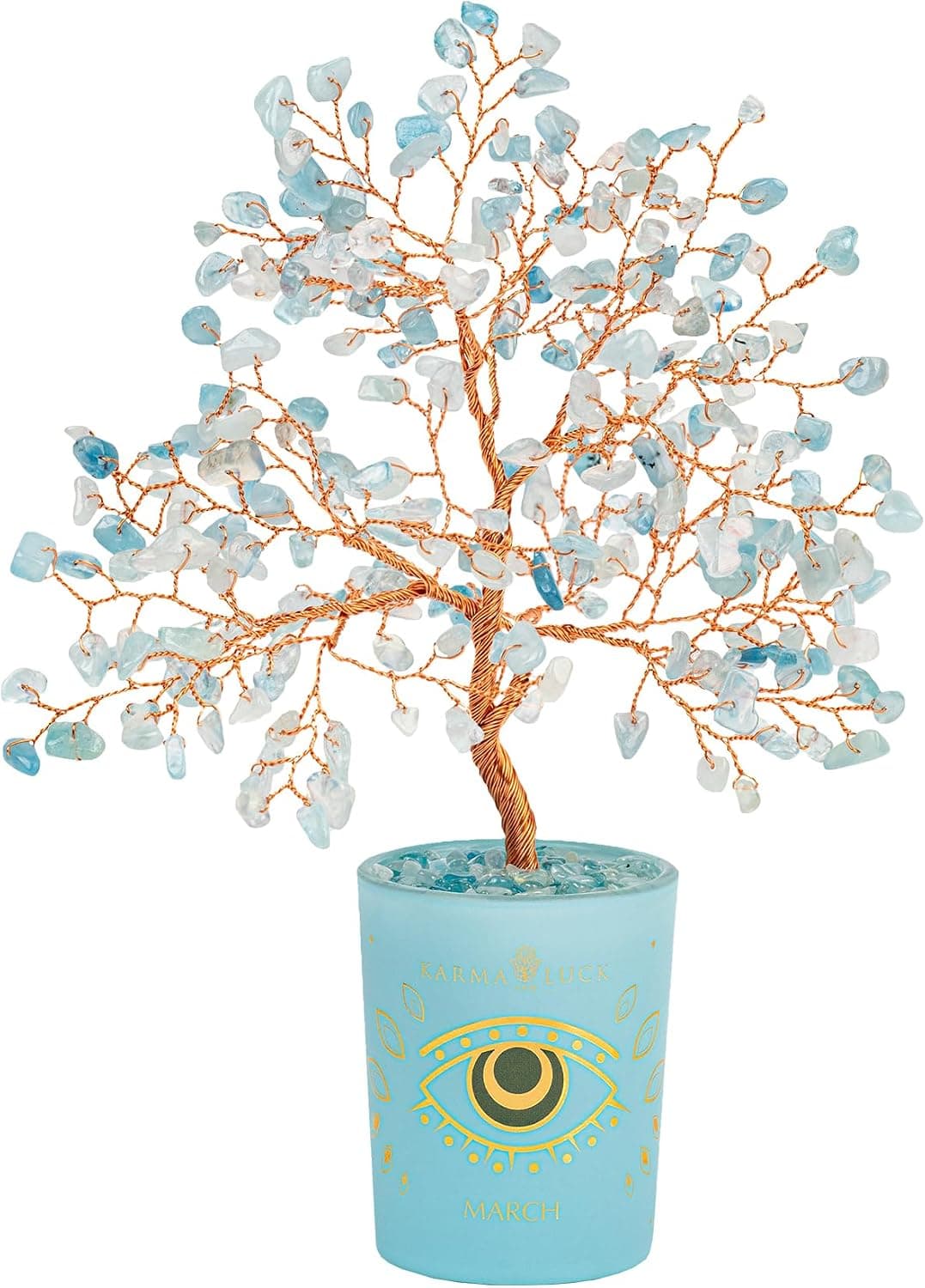 -29%
-29%Karma and Luck March Birthstone Crystal Tree of Life, Aquamarine Gemstone Fen...
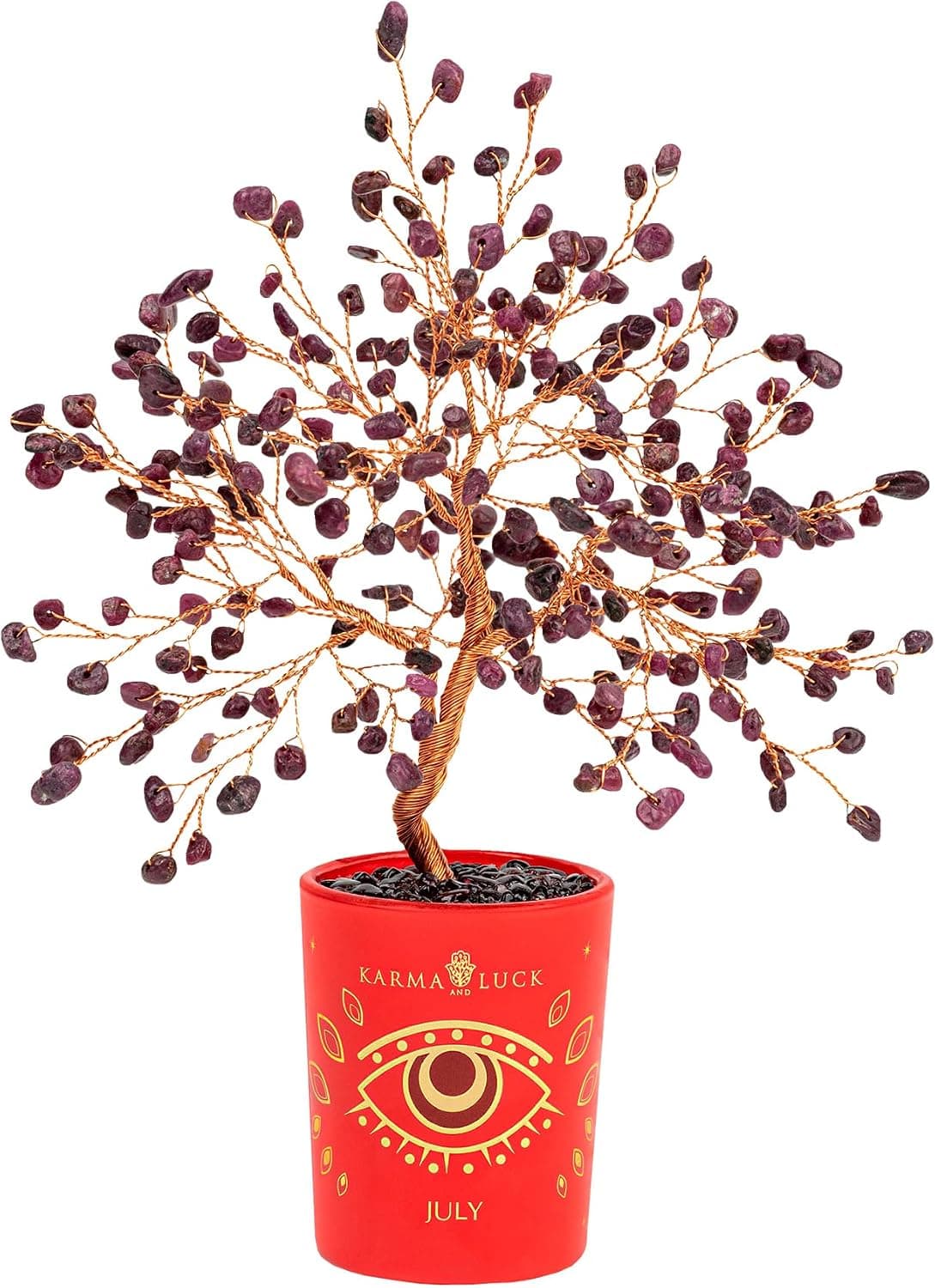 -29%
-29%Karma and Luck July Birthstone Crystal Tree of Life, Ruby Gemstone Feng Shui ...
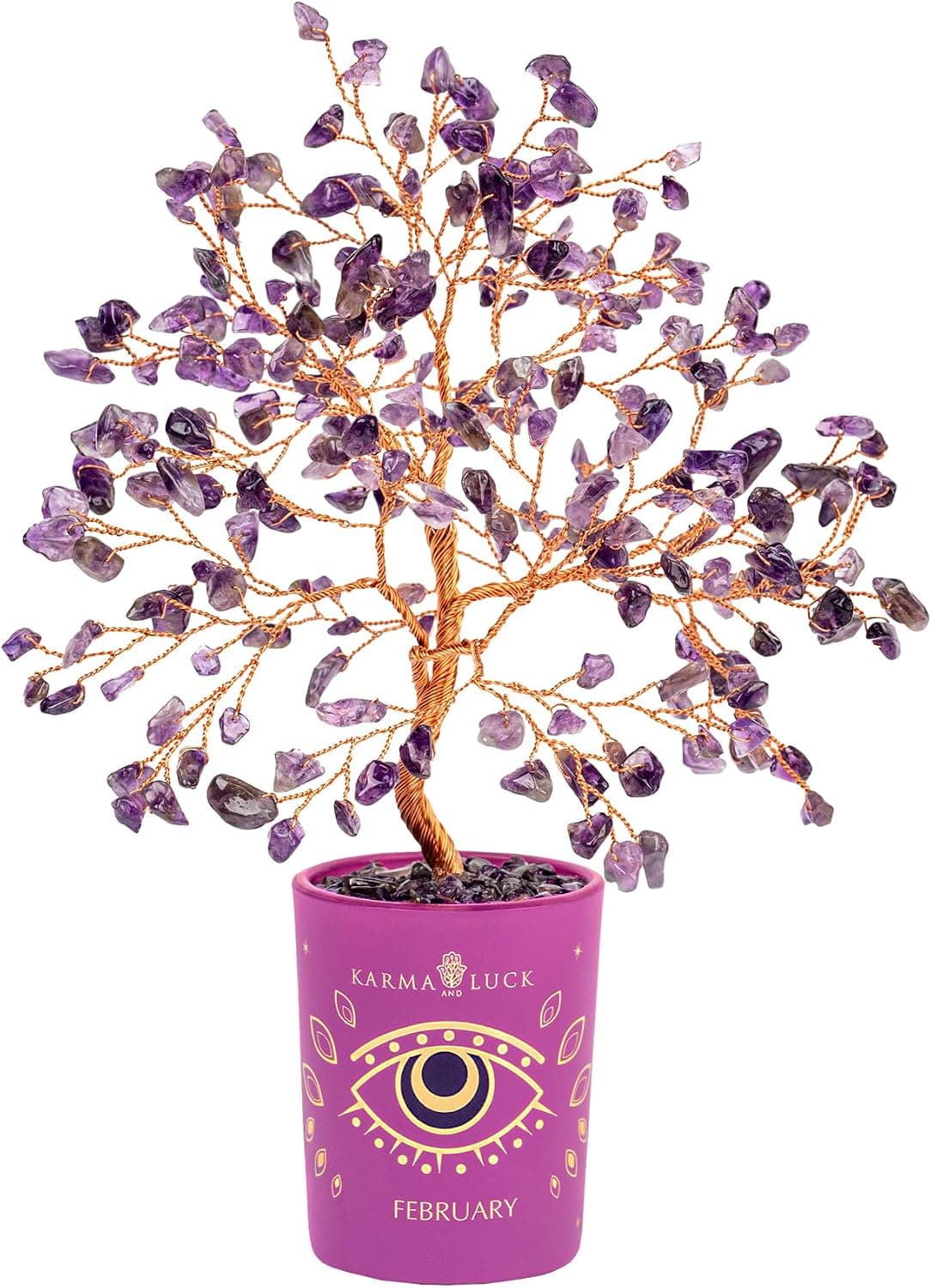 -29%
-29%Karma and Luck February Birthstone Crystal Tree of Life, Amethyst Gemstone Fe...
 -5%
-5%YU FENG Evil Eye Money Tree, Blue Feng Shui Decor with Golden Buddha
As an Amazon Associate, we earn from qualifying purchases. We only recommend items our practitioners have personally tested.
Continue Your Journey
Explore these related guides to deepen your understanding:
Ready for Deeper Guidance?
Try our free I Ching reading for personalized wisdom, or explore our curated Feng Shui essentials.