A bracelet can’t fix a room with a dead zone. Find that quiet patch first, or you’ll keep wearing luck into a wall.
What Most Guides Overlook About best-bracelets for wealth feng shui-2026
Something about best-bracelets for wealth feng shui-2026 doesn’t add up. I saw it in a narrow apartment on the seventh floor of a Hong Kong-style walk-up: jade-green beads on a woman’s wrist, a red string tied neatly three turns, a brass money frog on the shelf, and still her rent invoices sat unopened beside the toaster. Not a curse. A dead zone.
That room had a common problem dressed up as a cure. The far-right corner of the living room held a tall floor lamp with a burned-out bulb, a stack of courier boxes, and a half-dead rubber plant in a gray pot. The bracelet looked fine on her wrist, but the space around her never received movement, attention, or breath. Wealth qi does not respond to decoration alone; it responds to circulation, visibility, and use.
Most advice skips the room and goes straight to the accessory. Wrong. A bracelet can support intention, but it cannot drag a stagnant corner back into life if the corner is already acting like storage, shadow, and avoidance all at once. That is why some people wear the right stone and still feel no traction in their finances.
Before buying anything else, map the dead zone. If the bagua map layout for your home is vague, the fix turns random fast. I’ve watched people put wealth items in the wrong sector, then wonder why their business feels sluggish, their messages go unanswered, and their checking account seems to drain by Friday.
How the dead zone forms, room by room
A dead zone is not mystical theater. It is the patch of a room where the eye stops moving, the feet don’t go, and tasks pile up because no one naturally uses the space. In one study room I visited in Brooklyn, the dead zone was the chair behind a black filing cabinet; papers landed there, dust settled there, and every bill the owner meant to pay ended up missing that one envelope. After two weeks, the pattern was obvious.
Bracelets matter most when they are paired with motion in the home. Wear them while you’re actively changing the environment: opening a curtain, clearing a shelf, moving a lamp, placing a living plant, or restoring a neglected surface to daily use. A wrist charm without that physical follow-through can become a superstition fast.
Look for the place that feels a little too quiet. Not peaceful. Quiet in the wrong way. The chair nobody wants, the shelf nobody reaches, the corner where the Wi‑Fi works but nobody sits longer than a minute. Those are the pockets where wealth intention goes to cool off.
And yes, the body notices it before the mind does. People start avoiding the area, then they avoid the paperwork sitting in it, then they avoid the spending decision attached to that paperwork. A room can train a habit without ever saying a word.
Which bracelet fits which kind of dead zone
A budget-friendly bead bracelet suits someone who needs a small but consistent reminder to act. Think of the student with a side hustle, the nurse picking up extra shifts, or the freelancer who keeps forgetting to send invoices. The point is not fashion. The point is rhythmic contact on the skin while doing the unglamorous work of restoring movement.
For a home office with a heavy, boxed-in feeling, I prefer a bracelet worn during active sorting sessions rather than all-day display. That’s because the problem is often metallic clutter, dim corners, and a desk facing the wrong pressure point. Pair the bracelet with a brighter task light and a clear route from chair to door; otherwise the room keeps folding in on itself. For deeper room diagnosis, see why five-element balance can still feel off.
Someone with a lot of meetings and cash flow anxiety may do better with a bracelet that feels grounding rather than flashy. A smooth stone, a restrained cord, and a placement habit matter more than sparkle. Wear it on the left wrist when you need to receive opportunities and on the right when you are clearing and pushing work out of the door; the hand choice matters more than most sellers admit, and I cover that in which hand should wear it.
One client, a software architect named Daniel, kept a dark green bead bracelet on during late-night coding and never changed the scene around him. His office held a blue recycling bin stuffed with cables, a dead succulents tray, and a mirror reflecting the hallway. Once he moved the bin out, swapped the mirror for a cork board, and let sunlight reach the west wall by 3 p.m., his freelance callbacks started landing within ten days. The bracelet had been part of the process; it was never the whole process.
Cheap crystal pieces work best when they support a visible repair. A polished bead in a room with one fixed leak, one dark shelf, and one pile of unopened mail does more than an expensive strand worn beside a bed. In feng shui terms, you are giving form to intention. In plain English, you’re making the money part of life easier to notice and harder to ignore.
Placement matters more than people want to hear
Don’t hang wealth cures in the dead zone and call it solved. If the space is dim, narrow, and burdened, the bracelet should enter the story through use, not display. Put it on while standing in the room, facing the center, and make the first physical change obvious: clear one surface, remove one broken object, and open one path.
Many people want a shortcut. They buy a bracelet, place a bowl of coins nearby, and stop there. Not even close.
The better move is almost boring. Clean the neglected corner, add a living plant only if it can get real light, and introduce one item in a color that wakes the space without shouting. In a small dining nook, a muted gold cloth under a lamp can do more than a dozen trinkets. In a hallway closet, a bracelet worn during sorting can matter more than any charm hidden on a shelf.
Here is the part that surprises skeptics: the home’s dead zone often reveals the owner’s financial blind spot. The same person who loses receipts in a drawer may also leave invoices unsent, subscriptions unchecked, or savings goals invisible. Once you fix the corner, you usually fix the behavior attached to it.
For a larger view of how the whole house channels wealth, link your bracelet work to the full wealth-corner framework. That guide helps when you need more than a small corrective gesture, especially if the room has been ignored for months.
Budget choices, practical choices, and one common mistake
A simple string bracelet is enough for someone who needs discipline, not spectacle. A polished stone piece suits a person who wants a steady tactile reminder during admin work. Something with heavier visual weight can help when the room itself is underpowered and you need a stronger cue to act.
Match the bracelet to the job. If the issue is procrastination, use it during cleaning and bill-paying. If the issue is scattered spending, wear it while reviewing accounts. If the issue is a work corner that feels dead every afternoon, pair the bracelet with a lamp adjustment and a fresh surface rather than a new ornament.
Common mistake? Buying a bracelet for luck while leaving the room cluttered. That usually backfires in a quiet way. The item starts feeling like a talisman instead of a tool, and the owner becomes dependent on symbolism while the real blockage stays put.
Another trap is overloading the area with “wealth” objects. Too many coins, too many red accents, too many shiny things, and the corner begins to look like a stall at a market rather than a place where money can settle. Space needs room to breathe. So does the bank balance, if we’re being honest.
| Situation | Best fit | Why it helps | Where to use it |
|---|---|---|---|
| Newly hired, needs confidence | Simple bead or cord bracelet | Keeps attention on action, not appearance | Wear while setting up a desk or organizing documents |
| Freelancer with irregular income | Grounding stone bracelet | Supports steady follow-through and routine | Wear during invoicing, quoting, and follow-up calls |
| Room with dim, neglected corner | Bracelet plus light and clearing | Pairs intention with visible movement | Use while repairing the corner, not after |
| Busy home office | Moderate, unfussy bracelet | Reduces mental noise without adding more clutter | Wear during work sessions, not as shelf decor |
If you buy just one thing, choose the bracelet you’ll actually use while fixing the room. A dormant accessory does little. A worn one, paired with one real change, can alter the whole feel of the space.
What breaks the process and what repairs it
The fastest way to ruin the effect is to place the bracelet on a bedside table and wait for money to arrive like a courier. Money responds to decision, movement, and order. The room has to show that you are ready for it.
I’ve seen this mistake in bedrooms too, especially where the dresser is piled with old receipts, headphones, and unopened envelopes. If that sounds familiar, the bedroom sanctuary principles matter because sleep and finances are closer than people expect; a tense room breeds tired decisions, and tired decisions cost money.
Another issue: using the bracelet in the wrong emotional state. If you put it on while feeling desperate, you can turn it into a carrier for panic. Better to handle it during a practical task: pay one bill, answer one email, move one object, then stop. The body learns faster than the mind.
A third mistake is ignoring the dead zone after the first cleanup. Dust returns. Papers return. A plant dies. The room starts speaking in its old language again. That is why I advise people to revisit the neglected patch every week for five minutes, bracelet on, phone away, hands busy. Small repeated action changes the atmosphere more than one elaborate ritual.
FAQ
Is conventional best-bracelets for wealth feng shui-2026 advice reliable? Often not, because it treats the bracelet like the whole remedy. A bracelet can support focus and intention, but if the room has a dead zone, clutter, or poor circulation, the problem keeps winning. The advice feels neat; the home usually isn’t.
Where should I start if my space feels stuck? Start with the corner you avoid. Open it, clean one surface, and remove one broken or forgotten item. Then wear the bracelet while you do the repair, not after you’ve finished.
Do I need an expensive bracelet for this to work? No. A simple piece used consistently beats a costly one that sits in a drawer. The real difference comes from whether you pair it with visible change in the room and ordinary follow-through in your finances.
Can a dead zone affect more than money? Absolutely. A neglected patch often correlates with postponed calls, restless sleep, and low-grade irritation that keeps spreading through the day. I’ve watched one cluttered corner turn into arguments at the dinner table, then missed deadlines, then a strange reluctance to come home. That chain is more common than people think.
What happens the next time you look at that silent corner and realize it has been staring back at you for months?
Mei Chen
Traditionally informed guidance • Cross-referenced with classical Chinese source texts
Rooted in classical Chinese metaphysics and cross-referenced with original texts. Product recommendations are based on traditional symbolism, not guaranteed outcomes.
Practitioner-Selected Tools for This Topic
Items our team has tested and found effective for the principles discussed above. Individual results may vary.
 -29%
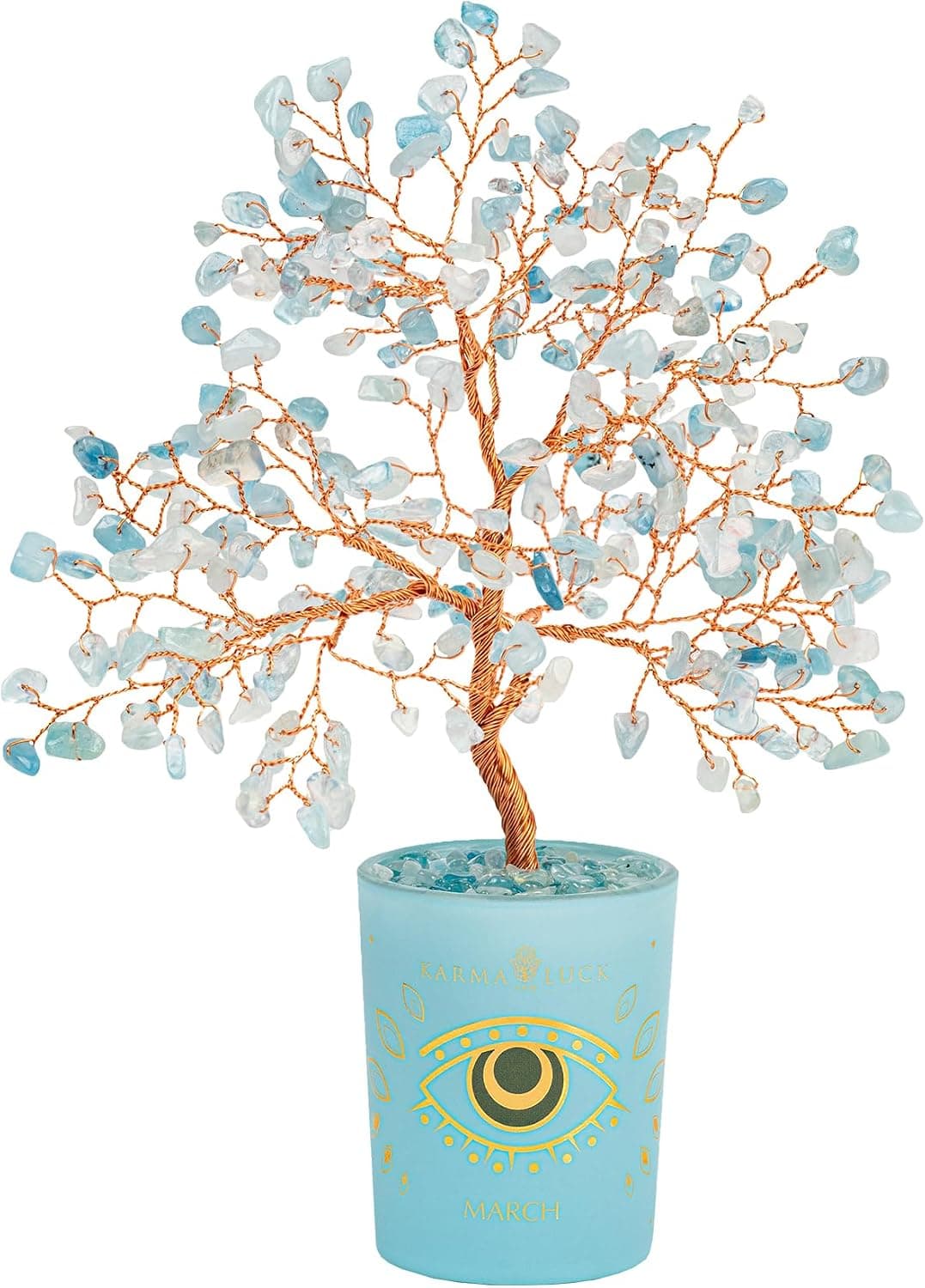
-29%Karma and Luck March Birthstone Crystal Tree of Life, Aquamarine Gemstone Fen...
 -29%
-29%Karma and Luck July Birthstone Crystal Tree of Life, Ruby Gemstone Feng Shui ...
 -29%
-29%Karma and Luck February Birthstone Crystal Tree of Life, Amethyst Gemstone Fe...
 -5%
-5%YU FENG Evil Eye Money Tree, Blue Feng Shui Decor with Golden Buddha
As an Amazon Associate, we earn from qualifying purchases. We only recommend items our practitioners have personally tested.
Continue Your Journey
Explore these related guides to deepen your understanding:
Ready for Deeper Guidance?
Try our free I Ching reading for personalized wisdom, or explore our curated Feng Shui essentials.