The fastest way to fix a home is often to stop mixing all the elements together.
One corner can be too loud
I walked into a narrow hallway in a Seattle townhouse and saw the problem instantly: a red runner, a brass umbrella stand, three black-framed prints, and a big potted fiddle-leaf fig fighting for attention. The owner was exhausted, and not because of work. That hallway was shouting every time she came home.
People love to talk about balance as if it means equal amounts of everything. That sounds tidy. It also creates chaos. A home does not need all five forces in equal measure; it needs the right one in the right place, with the others serving it instead of competing with it.
This is where wood-inspired color and decor choices matter more than most people expect. Add the wrong layer and a room starts pushing instead of supporting. Add the right one and the space relaxes.
That Seattle hallway taught a simple lesson: the issue was not the individual objects. It was the conversation between them. Red heat, brass sharpness, black depth, and living wood were all present, but none of them had a clear job. Within a week, we removed the runner, kept the plant, and softened the metal accents. Her sleep improved first. Her temper followed.
Why the cycle matters more than the objects
When Western readers first encounter the five-element system, they often treat it like interior design shopping: wood here, metal there, water in the corner, fire by the sofa. That misses the mechanism. The Chinese view is dynamic. One phase feeds the next, one restrains another, and the health of a room depends on which relationship is active.
Think of a kitchen with too much red and stainless steel. The red stimulates, the metal sharpens, and the room becomes efficient but tense. Now picture a bedroom with too many plants and bamboo details. Soft at first glance, yes. But too much upward growth can make rest feel elusive, as if the room keeps asking you to do one more thing.
There is a reason practitioners talk about the productive cycle and the controlling cycle instead of just decoration. The productive cycle is wood feeds fire, fire creates earth, earth bears metal, metal carries water, water nourishes wood. The controlling cycle keeps each phase from overreaching. That tension is not a flaw. It is the structure that lets a house feel alive.
I have seen people spend hundreds on crystals, bowls, and lucky charms while ignoring the actual tension in the room. They place a cure on top of imbalance and wonder why nothing changes. The room was never asking for more objects. It was asking for better relationships.
A common mistake is assuming every room should contain a little of everything. No. A meditation corner does not need sparks of fire. A home office does not need heavy water imagery just because the career sector sounds important. The room’s purpose should decide which force leads.
That is the practical value of balancing a fire-heavy room: you stop reacting to the symptoms and start reading the room’s job. Fire can animate a dining room. It can also ruin a bedroom. Context matters more than theory.
The five-element cycle in plain language
Wood is expansion. Fire is expression. Earth is stability. Metal is clarity. Water is depth. Those labels are useful only if you remember that none of them exists alone. In a healthy home, each one rises and recedes as needed.
Wood can become too eager. A room with tall plants, vertical stripes, and green overload can feel like it is always trying to grow. Fire can become too noisy. Think bright bulbs, red accents, candles everywhere, and restless energy. Earth can become heavy. Beige on beige, square furniture, and too much stillness. Metal can become cold. Water can become murky.
Here is the part people do not expect: imbalance is often caused by overcorrecting. Someone reads that a bedroom needs calm, so they strip it bare. Someone hears a space needs life, so they fill it with plants and bright art. Both can fail for the same reason. The room needs choreography, not more enthusiasm.
Earth is especially misunderstood. Western decorators often think neutral means safe. Not always. A room can be so earth-heavy that it settles into inertia. I have seen retirees in beige living rooms with thick drapes, tan sofas, tan rugs, and tan walls who complain of feeling stuck. The room was not soothing. It was numbing.
By contrast, a little metal can bring discipline where a room has become sloppy. A clean-lined lamp, a round mirror, a white ceramic vase, a brushed frame. Nothing dramatic. But the sharpness gives shape to the softer elements around it. If you want a useful point of comparison, look at metal and water decor done the right way and notice how restraint, not abundance, does the work.
What happens when one element dominates
Too much wood tends to create pressure. The room feels busy, even when it is tidy. People keep arranging, moving, adding, adjusting. Nothing settles. In a dining room, that can show up as conversations that run hot and then abruptly stop.
Too much fire is obvious when you know what to watch for. Hard red, aggressive lighting, triangles, sharp contrast, and a constant sense that the space is trying to perform. It can be energizing for ten minutes. After that, it starts to fray the nerves.
Too much metal makes a home feel over-edited. Good spaces need boundaries. Too many boundaries become judgment. The room gets clean, but not welcoming.
Water is often treated as harmless because it looks soft. That is a mistake. Excess water imagery, dark glossy surfaces, and too much visual depth can make a room feel emotionally undefined. People linger, but they do not settle.
Earth overload is the sneakiest. It looks mature. It looks safe. Then you realize the room has no movement at all. No forward pull. No breath. Just weight.
One of my clearest memories is a nurse’s apartment in Denver. Her home office had a navy desk, a black task chair, two chrome shelves, and a giant photo of a lake at dusk. She told me she could not make decisions in that room. We changed the desk lamp to warm white, added a small wood tray, and removed the lake print. The difference was not mystical. It was immediate. She said the room stopped “looking at her” and started letting her work.
How to apply the system without turning your home into a science project
Start with the function of the room. Sleep, work, eat, gather, recover. Do not begin with the elements. Begin with the human outcome. The correct element choice follows the purpose, not the other way around.
Then identify the dominant feeling in the space. Is it too fast, too slow, too sharp, too soft, too heavy, too scattered? That feeling points to the overactive phase. If the bedroom is restless, you usually need less fire and less wood. If the office feels dull, you may need more metal or a controlled touch of fire.
Now make one change only. Not five. One. Swap the lamp shade. Replace a glossy black tray with a matte ceramic one. Remove a plant that is taking over a corner. Add a woven basket where the room feels too cold. Small moves reveal whether you are helping or adding noise.
In a bedroom, I usually start with the bed wall, the lighting, and the nearest surfaces. A pair of red pillows can be enough fire for a room that already runs hot. A huge mirror can double agitation. Too much greenery near the headboard can feel like a forest pressing in at night. And yes, people still insist that “natural” automatically means calming. Not if the room already feels busy.
In a kitchen, the goal is often to keep fire productive instead of aggressive. That means cleaning up clutter around the stove, reducing competing red accents, and balancing the hard surfaces with one softer material. A wooden cutting board can do more than a shelf of decorative items because it gives the eye a resting place and the room a clear hierarchy.
In a home office, I look for overcorrection first. Too much earth can make thinking sluggish. Too much water can blur priorities. Too much fire can cause scattered action. One well-chosen metal object, one grounded earth tone, or one controlled touch of wood can shift the room without making it busy. That is real practice, not decoration theater.
Linking the home to the bigger system
The five elements are not just a room tool. They sit inside the larger logic of Chinese metaphysics, where timing, direction, season, and intention all matter. A bedroom that works in summer may feel wrong in winter. A home that supports a new business launch may not support recovery after burnout. The context changes the prescription.
That is why I always tell readers to treat home adjustments as part of a larger pattern, not as isolated tricks. If you want the broader structure behind this approach, the best place to start is the wealth-focused five-element framework. It shows how the same system behaves differently when money, timing, and environment are all in play.
There is also a deeper lesson here. The goal is not to force every element into the room. The goal is to let the right phase lead while the others support. That is harder than buying a few decor pieces, but it works. And once you see it, you stop decorating blindly.
FAQs
Can I use all five elements in one room?
You can, but you should not try to make them equally visible. A room works better when one element leads and the others play supporting roles. Equal doses often create a flat, confused space.
What if my home already feels mixed and cluttered?
Start by removing excess before adding cures. Clutter hides the true dominant element, which means any adjustment you make is partly guesswork. Once the room can breathe, the pattern becomes much easier to read.
Do colors matter as much as objects?
Surprisingly, color often changes the feel faster than furniture does. A single strong hue can amplify a room’s mood, especially in a small space. That is why paint and textiles deserve more respect than most people give them.
Mei Chen
Traditionally informed guidance • Cross-referenced with classical Chinese source texts
Five Elements analysis based on traditional Wuxing (五行) theory from the Shujing (書經).
Practitioner-Selected Tools for This Topic
Items our team has tested and found effective for the principles discussed above. Individual results may vary.
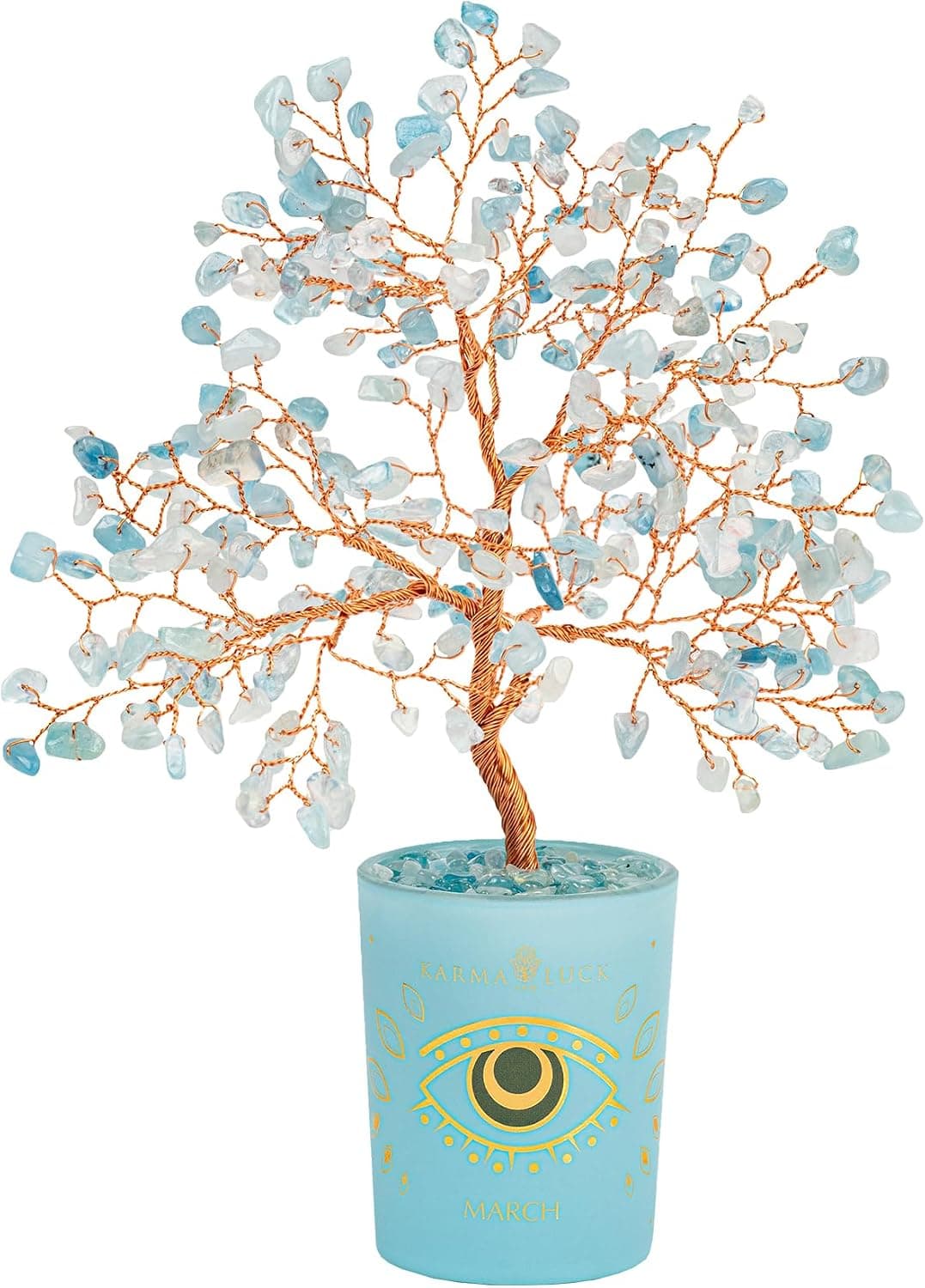 -29%
-29%Karma and Luck March Birthstone Crystal Tree of Life, Aquamarine Gemstone Fen...
 -29%
-29%Karma and Luck July Birthstone Crystal Tree of Life, Ruby Gemstone Feng Shui ...
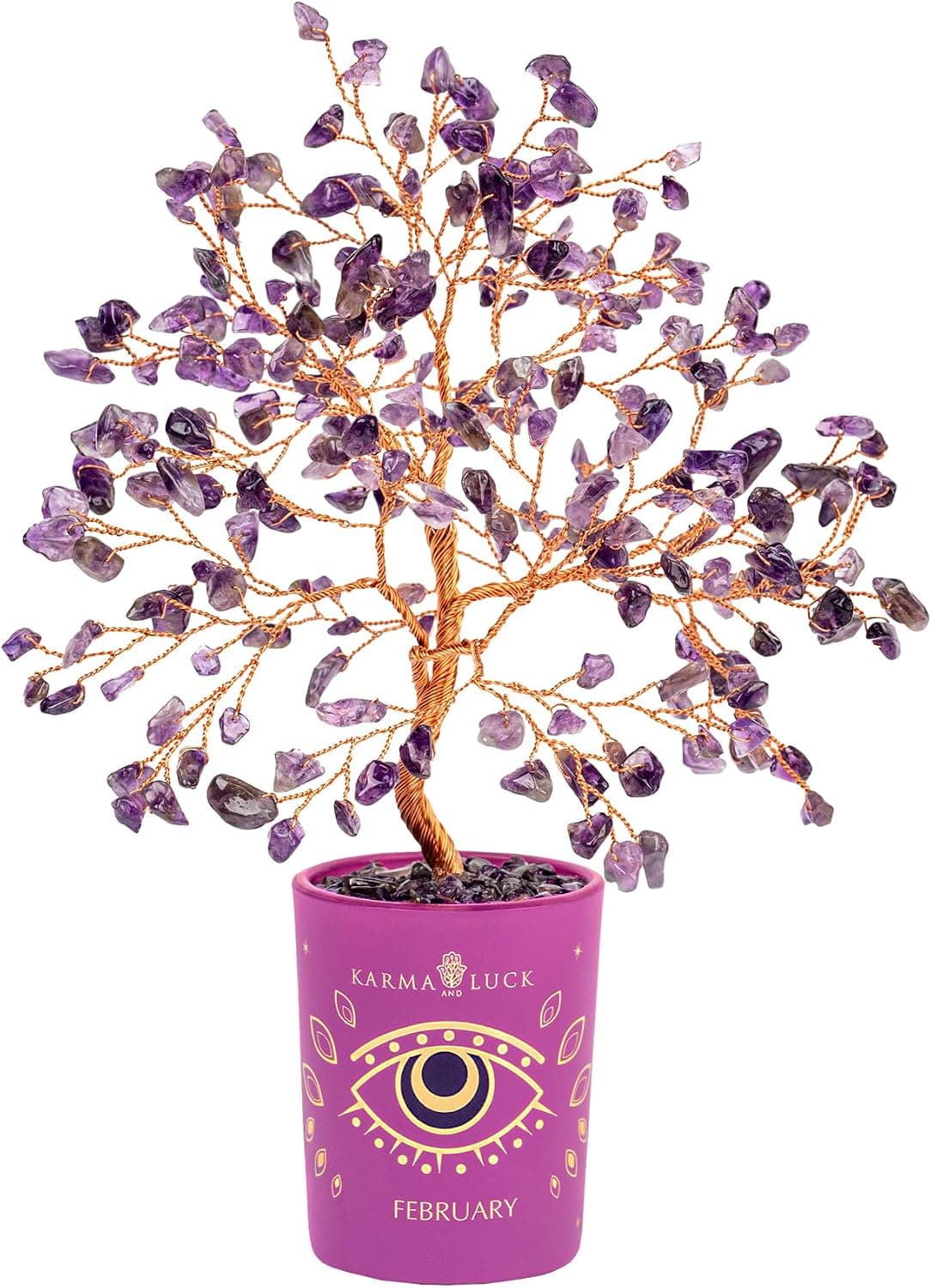 -29%
-29%Karma and Luck February Birthstone Crystal Tree of Life, Amethyst Gemstone Fe...
 -7%
-7%Woodstock Chimes Signature Collection, Crystal Tree of Life Chime, 19'' Decor...
As an Amazon Associate, we earn from qualifying purchases. We only recommend items our practitioners have personally tested.
Continue Your Journey
Explore these related guides to deepen your understanding:
Ready for Deeper Guidance?
Try our free I Ching reading for personalized wisdom, or explore our curated Feng Shui essentials.